Be An Agri-Tourist

BT0C2031

Enormous oranges littered the ground beneath the trees of a family-owned Florida citrus grove. The waste-not person in me thought, “They’re not picking them fast enough. What a shame.” But my thoughts were answered by the woman offering a farm tour.

BT0C2105

“Here at Dooley Groves, we leave all fallen fruit on the ground. It acts as excellent compost for the trees. Please don’t pick up any fallen fruit.”
BT0C2012

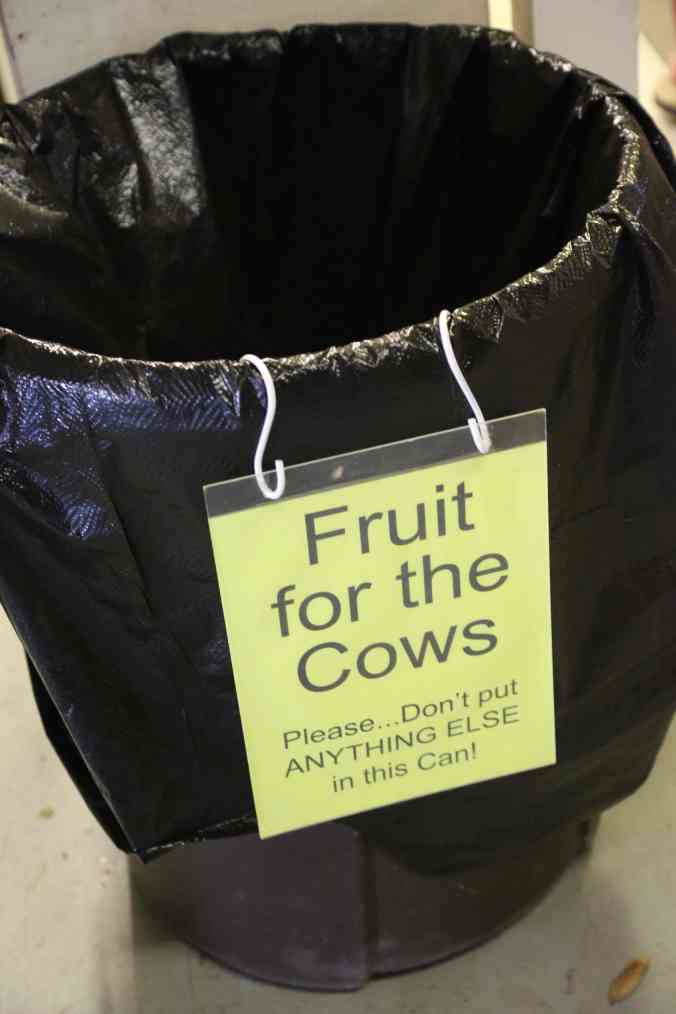
This tidbit of information was great to know, and my estimation of the farm promptly grew by several notches. And then I saw the cow barrel. Yes, they save all their citrus waste for the nearby cows who love it.
BT0C2121

We were instructed to not pick the green-bottomed fruit on trees as it’s affected by a disease that must be treated by steaming the tree at 125 degrees to kill the bacteria.

BT0C2006

A green-diseased orange.

There’s a machine they have at the grove that can steam two trees at a time. All they need is a few seconds of the steam and the bacteria is wiped out. What a huge investment, to fight a disease that has affected every grove in Florida for the past few years.

BT0C2112

But the steaming is well worth it, when you see the trees that are at risk, the yield from the grove and the products that come from it. I’m a big fan of citrus and the many wonderful things you can do with citrus peels.
BT0C2016

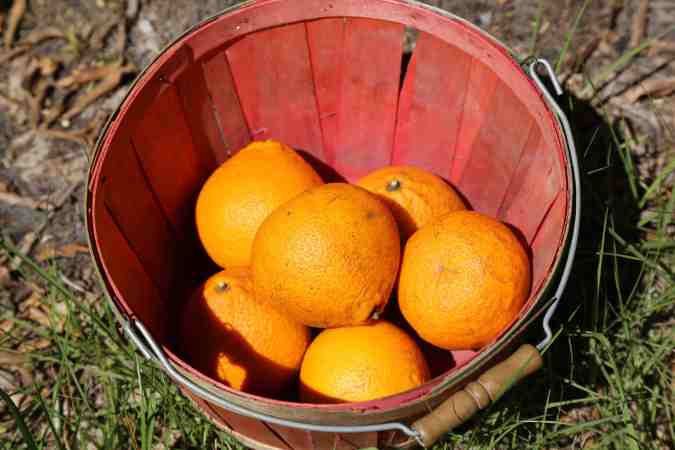
We love picking juicing oranges to use in our hand-lever juicer. This varietal is ripe when the oranges start to turn brown.

BT0C2124

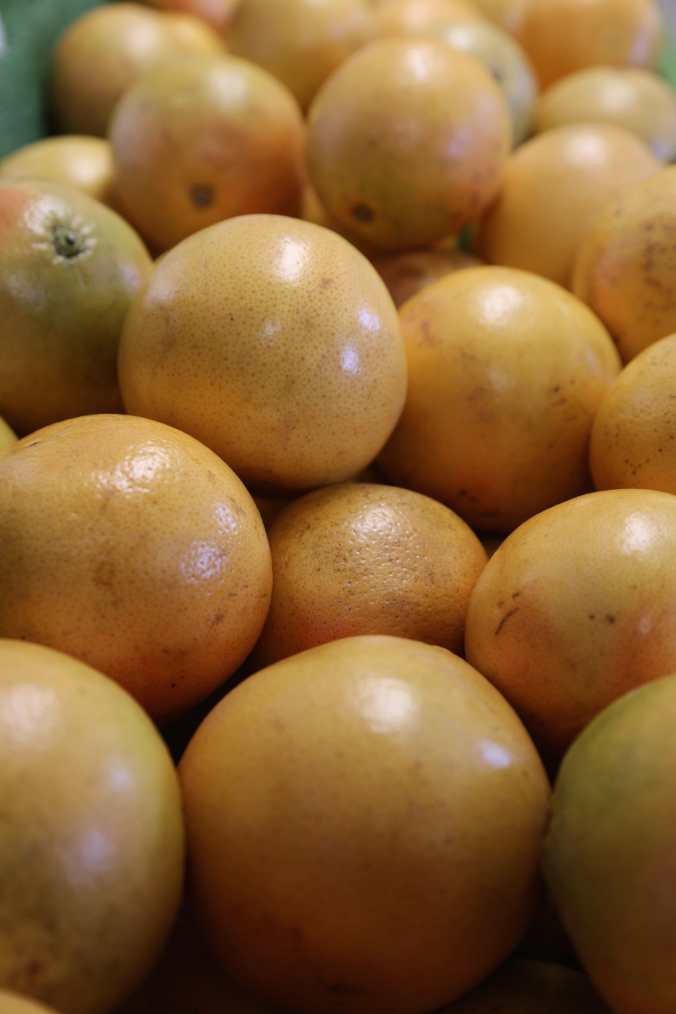
But the red grapefruit is spectacular.
BT0C2132

I had never been to a citrus grove until we visited one a few years ago with our children. I’m happy to know they have learned much about where their citrus comes from, a valuable lesson in appreciating food, how it’s grown and harvested, and how to support local agriculture wherever they are.

BT0C2101

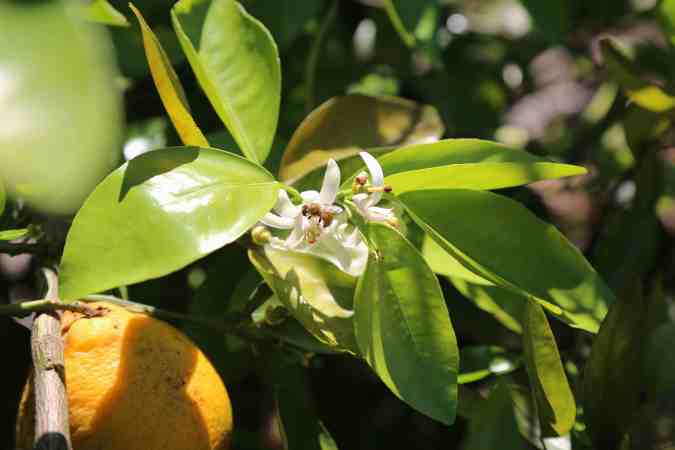
Walking through the rows of laden trees was such a privilege, with orange blossoms overwhelming the senses. Agri-tourism, especially on organic farms, is so important to support and take part in. Many of the groves we’ve visited recently are just barely making ends meet. Seeking them out and paying to pick your own fruit and veggies, is one of the best ways to support our farms.

BT0C2024

And the honeybees, of course, will thank you with their honey, later.
BT0C1993

What farms have you recently visited and enjoyed?
Find Your Wild Places

BT0C2139

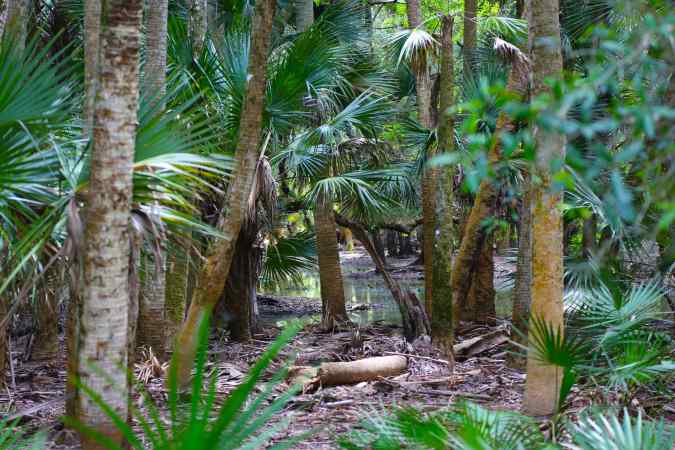
Hammock and swamp, left in their natural state in Myakka State Park. Photo © Liesl Clark

There are some places on Earth where it’s hard to know what the original local habitat used to look like, what the land should look like if we weren’t here. With all of our built-up neighborhoods, networks of roads, mini-malls, shopping centers, urban and suburban landscapes, even rural farmland sprawl can hide what the land truly could be if we simply left it alone.

BT0C2166

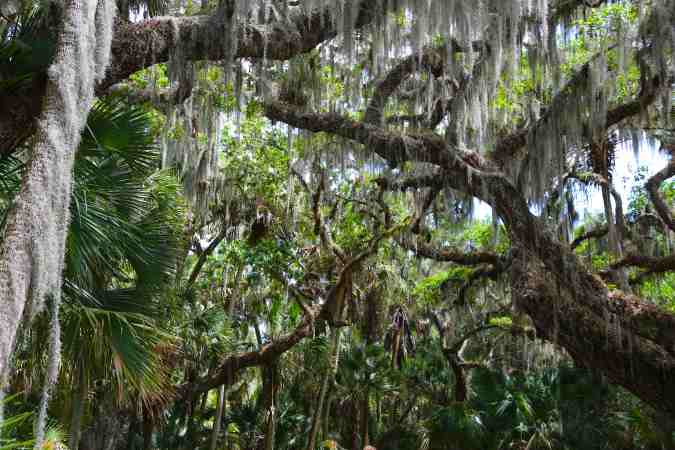
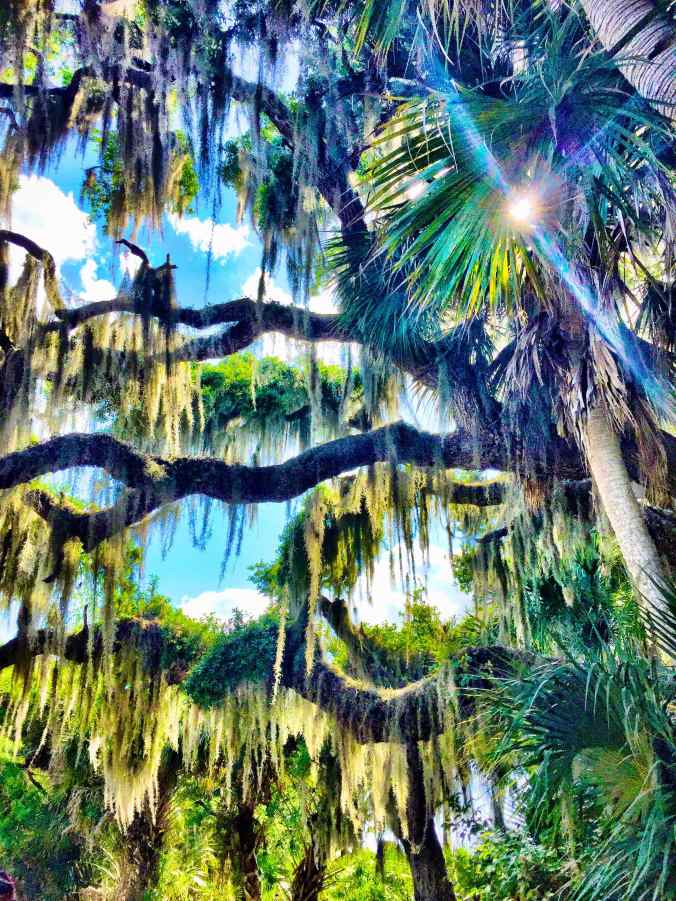
Spanish moss-covered canopy at Myakka State Park. Photo © Liesl Clark

Today, in the United States at least, many of these untouched places are only available in protected places, our national, state, and sometimes local parks, sanctuaries for fauna and flora alike. Whether you’re at home or traveling, I implore you to find your nearest wild places.

BT0C2152

Myakka River State Park © Liesl Clark

Seek these unfettered wildernesses out and help steward them by volunteering to keep them in their pristine state, or give money to help keep them wild.

BT0C2218.jpg

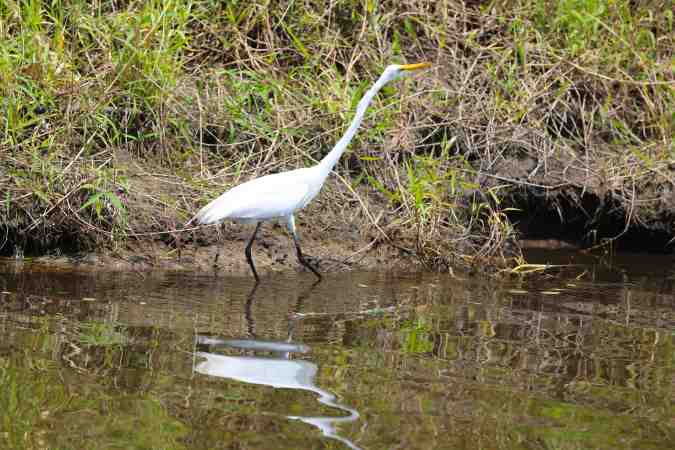
Great Egret on the banks of the Myakka River. Photo © Liesl Clark

We recently visited Myakka River State Park outside of Sarasota, while on a spring break trip to see Grammy. This beautiful park is the largest state park in Florida, and you won’t regret a visit as you’ll see more alligators, up-close-and-wild, here then just about anywhere.

BT0C2353.jpgBT0C2481.jpg

BT0C2544.jpg

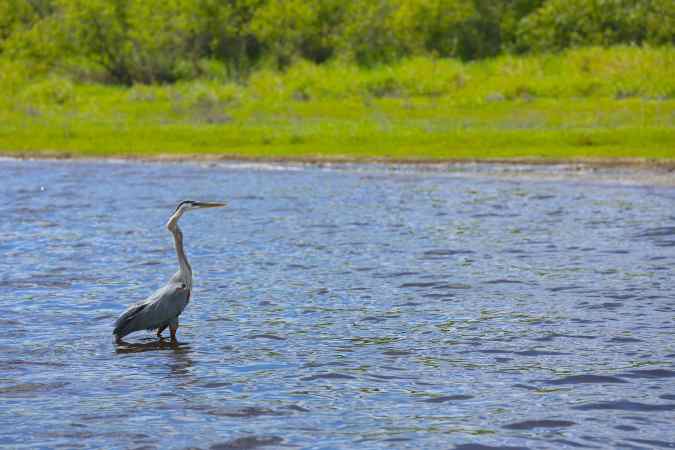
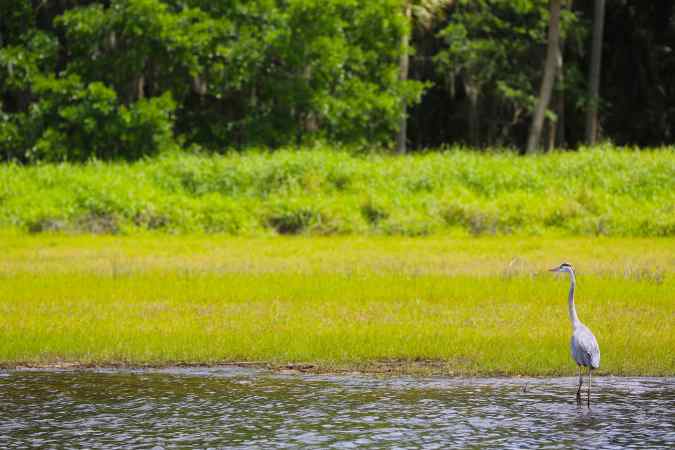
The waterfowl here are stunning:

BT0C2460.jpg

Heron. Photo © Liesl Clark

BT0C2251.jpg

BT0C2287

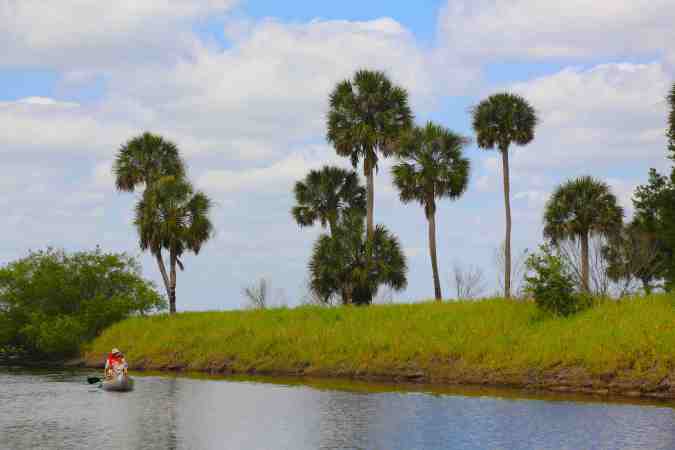
You can travel by an air boat tour to view the wildlife, or gently glide through the waters in a canoe or kayak.

BT0C2169

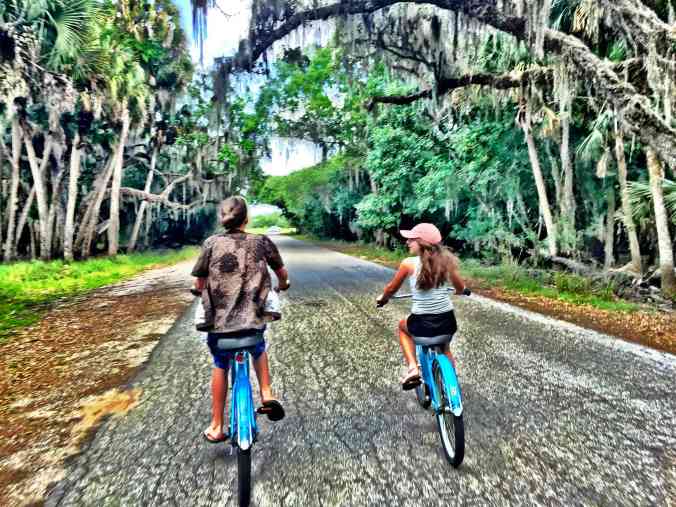
Or, rent bikes right there at the park and pedal along the water or oak forests to view the undeveloped wildscape.

JPEG image-38241062E391-1.jpg

JPEG image-AC921E7FDE34-1

It’s like stepping back in time to a lost world.

JPEG image-1FFEA742803B-1

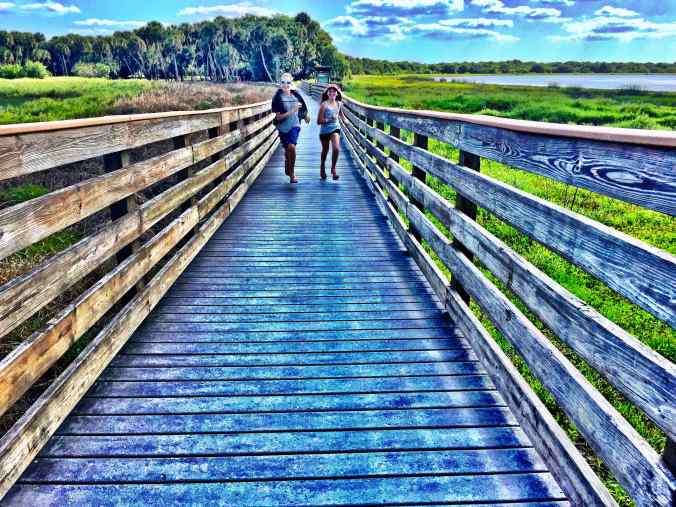
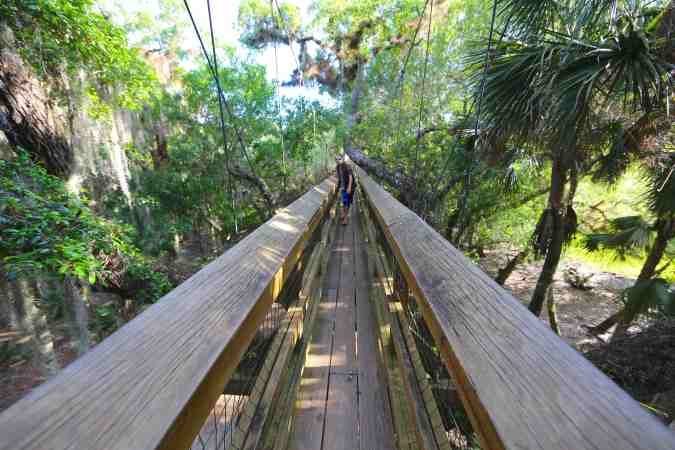
A wooden walkway takes you over the marshland to birdwatch from a pier that provides a vantage onto the open water and grasslands.

JPEG image-692DE8AE775C-1.jpg

JPEG image-3B57A82E54E2-1.jpg

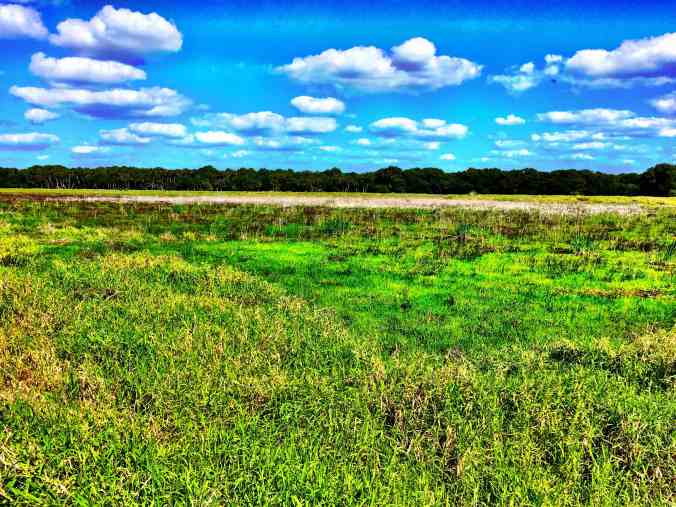
Where grass meets sky. Florida’s original landscape. 

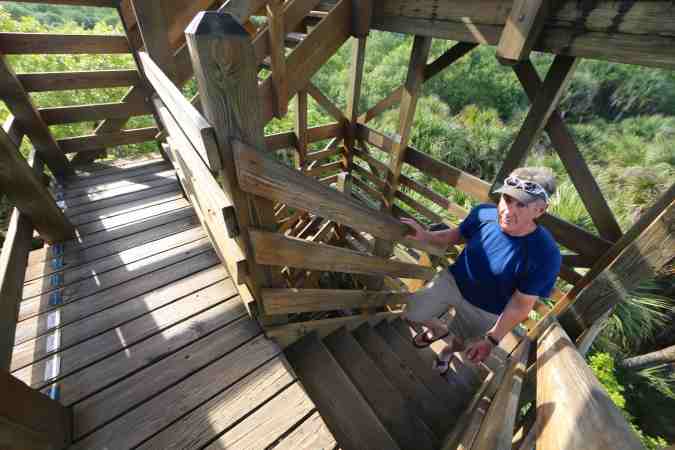
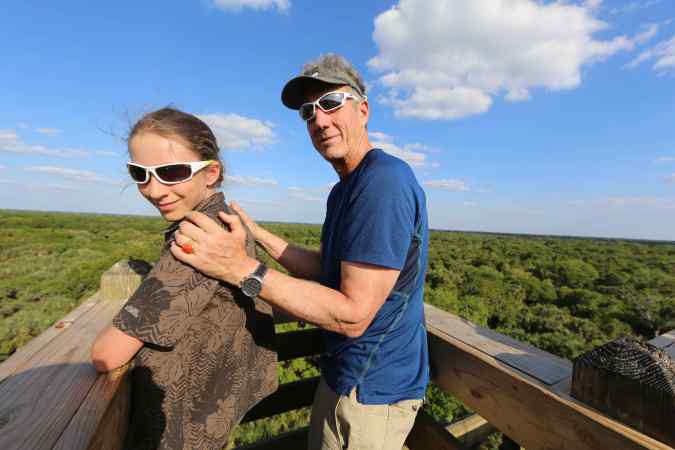
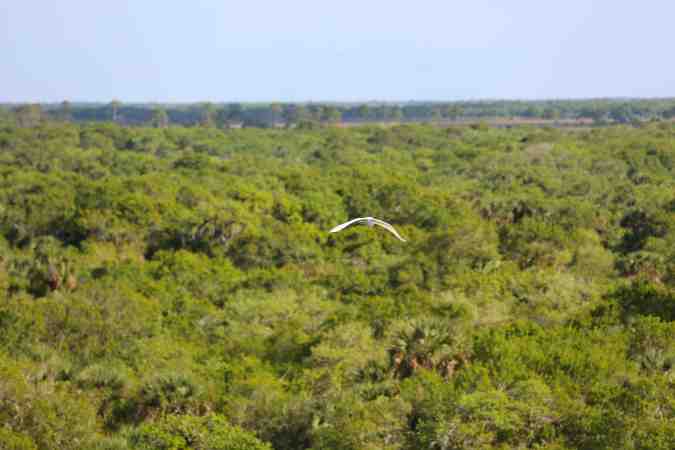
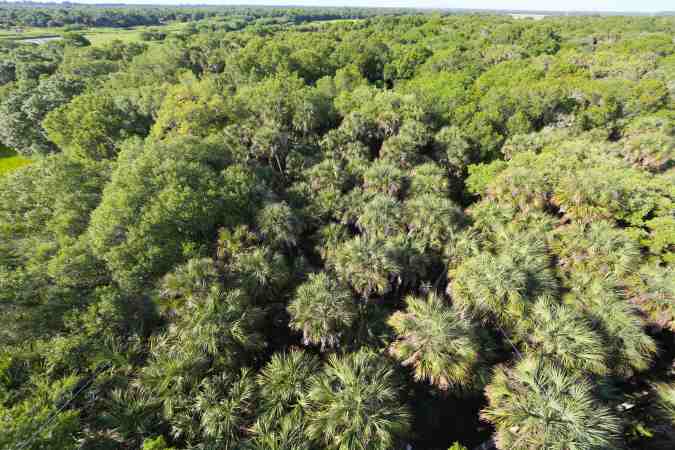
But perhaps most spectacular of all is the canopy walk, a chance to get up high above the trees and view the wilderness from the perspective of an egret, turkey vulture, or crow.

BT0C2745.jpgBT0C2734.jpgBT0C2670.jpg

Here, above the treetops, you can see so far you almost see the curvature of the Earth.

BT0C2639.jpgBT0C2665.jpgBT0C2673.jpg

Find your wild places. Define them, why they’re important to you. Help protect them. Visit them often and share them with your loved ones. BT0C2453.jpg

Before it’s too late.


Beachside Reuse

April is the month we visit Grammy on Anna Maria island in Florida. She lives in a sweet little house, one of the originals on the island, now surrounded by large 3-story condos. I feel like we’re in that story, The Little House, by Virginia Lee Burton, about the tiny house that stayed put and a big city was built right around it. This cottage is the epitome of “If it ain’t broke, don’t trash it.” It survives, a cottage-in-the-rough amidst million dollar resort-style rentals, hotels, and Grammy keeps it tidy, functional, and full of simple beachside reuses.

The Little Cottage in the Rough, Anna Maria Island. Photo © Liesl Clark

A low coffee table by the phone holds phone books (Grammy doesn’t use the internet — actually the table doesn’t hold phone books, but a sagging box does just under the coffee table.) But the floor isn’t level so the table wiggles when items are placed on it. Solution? Grammy placed shells under the legs of the table, just like carpenter’s shims, to shore up the legs and prevent any movement.

Shells For Shims. Beachside Reuse at its Best. Photo © Liesl Clark

A plastic soda bottle fish adorns her antique fishnet on the sunroom wall. This fish, spray painted pink on the inside, was simply cut so fins and a tail were articulated, a glue gun was used to seal the fins and tail, and glitter glue was used to create the effect of gills. Done! A cute sparkly pink fish for her household decorations.

Coke Bottle Sunfish © Liesl Clark

An ancient palm tree was cut down on the property years ago. Today the stump is used as a planter for succulents and cacti.

Trunk Planter For Beach Cacti. Photo © Liesl Clark

Shells hung along the wall of Grammy’s potting shed add texture and bright Florida light to any day. These would make interesting downspouts on a gutter.

Potting Shed Shell Adornment. Photo © Liesl Clark

And geraniums in a tree trunk that frames nearby boats inspires the gardeners in us all!

A hole in a trunk makes room for pretty geraniums. Photo © Liesl Clark

In Praise of Simple Machines in the Kitchen

Back to basics with our morning joe. Photo © Liesl Clark

Simple machines in the kitchen and household are one of our secrets to living the pleasures of the simple life, decreasing our dependence upon electricity or fancy gadgets with many parts. The simple machine simply works. They’re the hand tools of old that we fall back on when modern conveniences break down, which they often do. Take the lever, for example. Pull a lever for mechanical advantage and you have the strength of Hercules.

When we arrived at Grammy’s Florida home with a 10-gallon bucket filled to overflowing with valencia oranges we had picked, I looked in her cupboard to find an electric citrus juicer.

Citrus Juicer. The plastic small appliance we can do without. Photo © Liesl Clark

“Great!” I thought, until I plugged the plastic thing in and found it didn’t work. Taking it apart to see if it needed a new fuse, etc. wasn’t something we had time for. So Grammy pulled out another juicer, the hand lever kind you pull down that squishes your halved oranges in seconds, and I knew she had found the better machine.

This beautiful, all stainless, citrus press is a thing of beauty. Photo © Liesl Clark

In minutes, we had lovely glasses of hand-lever-squeezed orange juice, all from the effort of a 10-year-old who wouldn’t relinquish the lever. I’m ready to invest in one now that I’ve discovered the joys of fresh squeezed, self-picked liquid gold. We currently use a ceramic citrus juicer at home which works really well, but the simple machine could cut our hand-rotating out completely, which makes sense for 4 cups of o.j. in the a.m.

Fresh OJ in seconds, and a lesson in simple machines. Photo © Liesl Clark

We’ve been on a mission, lately, to seek out these ingenious machines that provide mechanical advantage, putting force on an object like an orange with little effort. One-by-one, they’re replacing our small appliances.

Take the electric coffee grinder, for example. Nothing wakes up our household more abruptly than the sound of someone whirring coffee beans in an electric grinder. And when the electricity goes out, which it often does in winter on our Northwest island, we can’t have fresh ground coffee. Could we find an adequate coffee grinder that wouldn’t tap resources like electricity or fuel? I searched for months throughout the web and in antique shops for old-fashioned grinders and found some beautiful ones. But none got great reviews that I could trust and most wouldn’t grind the beans to espresso grade. I bought a camp-style one for my husband to take on his mountaineering expeditions. But it wouldn’t grind enough for a house full of groggy adults.

We then purchased a beautiful Persian grinder that also took ages to grind beans. We imagined in the warmth of some semi-arid desert, this grinder would fit nicely on the back of a camel but you’d need an hour or so each morning to get enough ground stuff for a decent cup of joe. It was promptly retired to pepper grinding.

Finally, we found a grinder that was the most simple design (by Stumptown) and can take a mason jar as its reservoir. This simple machine utilizes larger gears than the 2 grinders we had previously bought and it produces a fresh ground coffee perfect for my hubby’s stove-top espresso maker.

The best we could find, a modern version of an antique coffee grinder. Photo © Liesl Clark

Contrary to what Stumptown says on their website, my husband husband claims “it’s effortless” to grind the coffee. No workout, truly. And I can attest to the fact that it’s not too hard to grind your beans and it doesn’t take very long to produce the perfect grind for several cups of coffee and gives us peace-of-mind for power-free days at home. We use hand-grinder daily, in fact, power or no power.

Two minutes of grinding and you've got a fine espresso grind. Photo © Liesl Clark

Our toaster, too, is a simple camp stove version of placing your bread over your burner, because we’re on a mission to reduce our electric appliances so we can sustainably live off the grid. We haven’t owned a toaster for 5 years now and haven’t missed it one bit.

If you want to go caveman-style, you can even forgo your garlic press for a stone. Seriously, for us, the large pestle we brought back from Nepal is the best garlic crusher I’ve ever used.

So try your hand at using simple machines again. You’ll enjoy cutting back on your power dependence and feel like you truly earned that morning fix of java and o.j.

Zero Offset Vacation Days

Zero Offset Your Carbon-Heavy Vacation Travel with Days Spent at Sustainable Organic Farms. Photo © Liesl Clark

Let’s face it: Flying to Florida from Seattle isn’t the most carbon-free activity. But if we want to see Grammy, we have to go to her. She simply doesn’t fly.

Once we arrived in Florida, we dreamed up a few activities to help offset the jet fuel burn our family of 4 incurred. Hitting the beach, only 100 yards away, was easy — just throw a towel around your shoulders. But be sure to bring a bag for collecting plastics.

Plastics Retrieved En Route to the Beach. It's Easy To Do. Photo © Liesl Clark

Before reaching the beach, we filled our bag with lots of straws and straw sleeves found in juice boxes. Interestingly, we didn’t find too many plastics on the beach as I discovered, a day later, that 2 men drive along the beaches in a little golf cart with a trash picker and retrieve all the debris. I wondered why they couldn’t simply walk?

Here's one they missed. Sunglasses part on the beach. Photo © Liesl Clark

Every day, we filled a bag with plastics while walking along the sidewalks or shore. For our children, the incentive was finding something odd and different. A tiny working flashlight in the shape of an alien was the first day’s reward, then a cute plastic fish the next, and all types of plastic beach toys were recovered, too. We needed a shovel and it didn’t take long to find one. No lack of entertainment when you decide to do a bit of daily good and pick up the world’s plastics. And the Earth always gives back to our little scavengers in interesting ways. Plastic “swords” used in tropical drinks to hold fruit together washed ashore daily to the delight of my son, who started collecting them for his Lego characters.

McWashed Ashore. Sliced apples in a bag? Photo © Liesl Clark

The contents of a bag of McDonald’s apple slices found tucked in the dune vegetation became food for eager sea gulls.

Apple snacks. Courtesy of sea-borne McDonald's fare. Photo © Liesl Clark

In between hours of play amidst the waves and digging in the sand with our newly-found beach toys, it didn’t take much effort during our “plastics recovery” walks to fill a bag a day. If we all did this, just bent down and picked up the straws and plastic caps under foot, we’d feel like we did a form of good, helping to extract the plastics from our shorelines before they head back out to sea.

This leaf wasn't plastic, and it's a pleasure to see a stretch of sand that was plastic-free. Photo © Liesl Clark

But the greatest fun we had was visiting a local organic fruit grove. I spent a little time online and discovered a list of pick your own-type farms in our region and many are organic farms. We hopped in the car and drove inland about 16 miles to find an organic orange grove.

Get to know the places you vacation in a little better by picking local organic produce there. Valencia oranges are in season in February in Western Florida. Photo © Liesl Clark

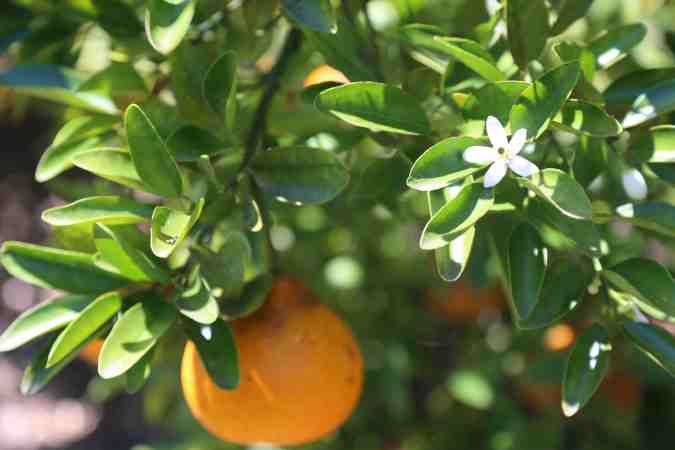
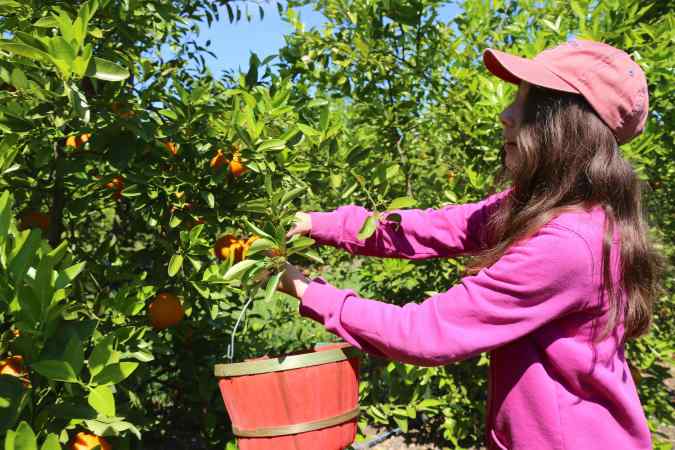
The kids had never picked oranges and this experience is surely one they won’t forget. In the direct sun, the temperatures were in the 90s and we had to watch the ground for fire ants. With some long fruit picker poles in our hands, we ambled several rows of valencia orange trees into the grove and were overwhelmed by the sweet smell of orange blossoms.

Fruit Picking in Manatee County, FL. Photo © Liesl Clark

These fruit-laden trees grew in what loooked like pure sand, but they’re obviously getting the nutrients and water they need because the oranges are delicious and juicy. It took us 15 minutes in the hot sun to fill a 10-gallon bucket. And with the price of $10/bucket we walked away feeling we got the better end of the deal.

Bucket Full of Valencia Oranges. Photo © Liesl Clark

The children needed an ice cream cone to cool off, so we discovered another U-pick organic farm down the road. This one grew hydroponic strawberries — and we picked our fill of delicious sun-sweetened fruit.

Picking Strawberries at O'Brien Family Farm. Photo © Liesl Clark

And the ice cream cones, of course, were the perfect plastic-free end of day snack, a just reward for our zero offset vacation day efforts.

Ice cream cones are the original plastic-free treat. Photo © Liesl Clark

DIY Matches, With Pasta

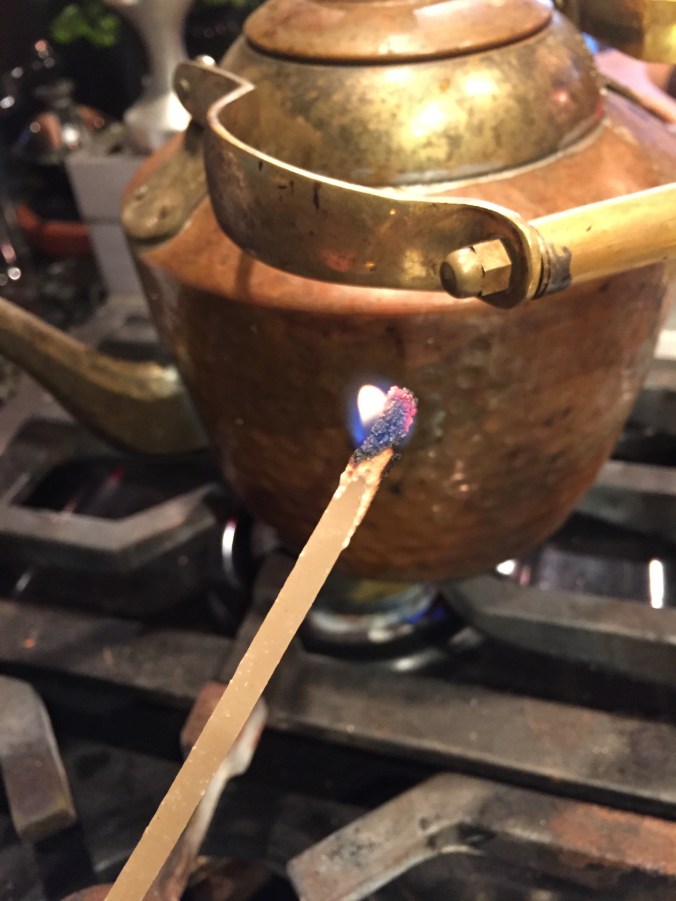
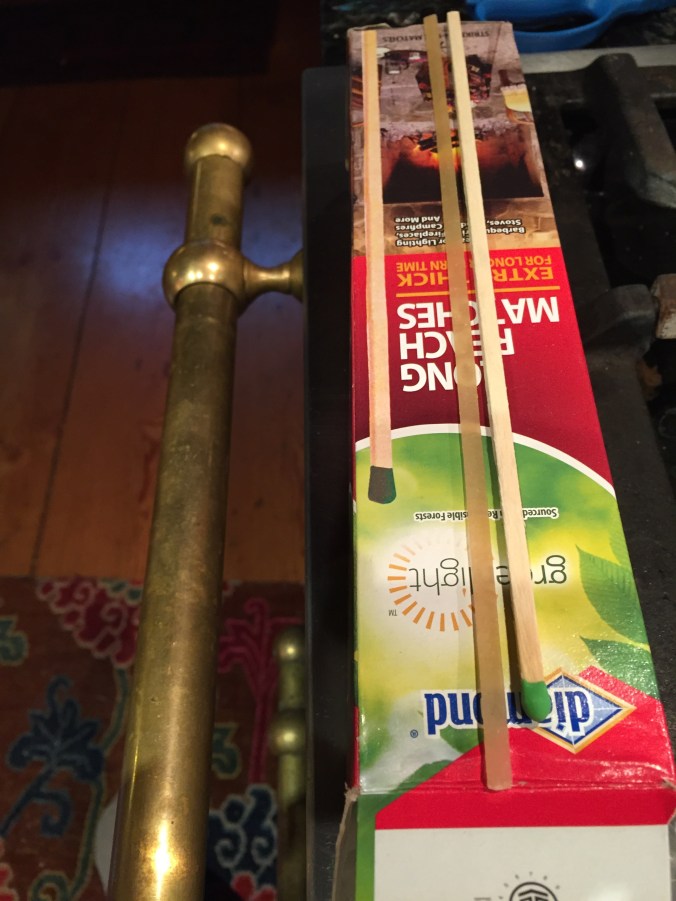
Here’s a simple hack I learned recently when we ran out of long matches which we often need for lighting our homemade candles, our pilot lights on our stove, or for the fire. The longer matches enable me to get deep inside some of our long candles that glow from the inside out. If you’re in a pinch and need one, but don’t have one on hand, just use a long piece of dried fettuccini pasta! I light my piece of pasta with our pilot light on the stove and we’re off to the races.

IMG_0564

You can also use a piece of spaghetti. They’re both long enough to help you get to those out-of-reach spaces that need to be lit!

IMG_0566

Easy peasy.

Fabric Scrap Tiny Tents For Little Hands

Our daughter has been sewing avidly since she was 6. She loves to design and sew her own doll clothes and to make little spaces for her toy animals out of fabric scraps. Here’s a great project for small hands and a fun sewing project for 2, using up fabric scraps and old trousers, too!

Step 1: Trace a perfect circle onto a stiff fabric like felt, fleece, or corduroy (we used some old corduroy pants of mine). The circle will determine how tall your tent will be. We cut ours about 6″ wide.

Step 2: Cut that circle in half and then trace it onto a pretty fabric of your choice which will be the outer fabric of your tent.

Step 3: Cut the half circle out of your pretty fabric.

Step 4: Pin the rounded edges of the half circles together, stiff fabric facing in on one side and nice fabric facing in on other.

Step 5: Sew the pinned rounded edge of the 2 half circles together.

Step 6: Turn the half circle right-side-out so the sewn edge is hidden. Fold it in half and then sew the remaining straight edges together as shown in the photo.

Step 7: Turn this right side out and you have a cute closed tipi/tent for little animals or people to live in (or a pointed hat for a doll!)

Step 8: A variation on this tent/tipi is to add a door: Simply leave a couple of inches of “flap” left open on the last straight edge and sew the flaps back about 2-3 cm so you have a tipi opening opening.

Looking for more ideas to use up your fabric scraps? Please visit our Trash Backwards app that has reuses for everything in your home!

Click Through for Fabric Scrap Reuses at Trash Backwards.


Why I Never Buy Lip Balm In Plastic Tubes

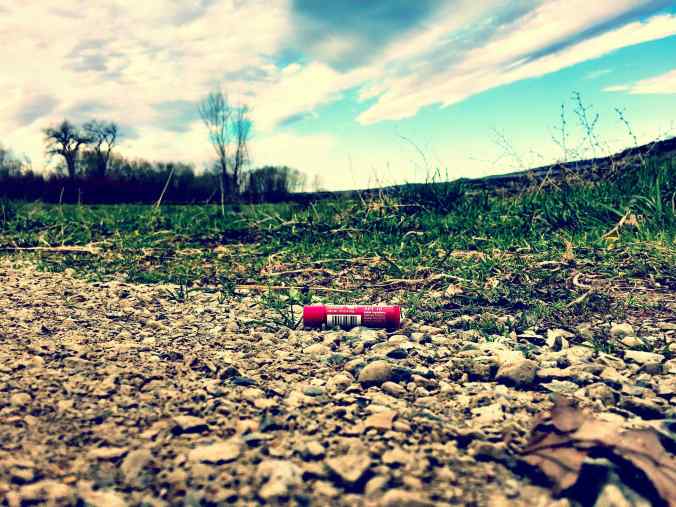
One of the more common items we find along shorelines, nationwide, are Chapstick tubes. Somehow they either fall out of pockets, cars, trash cans or are inadvertently left behind when we’re on outings so they make their way down to the water and float back in on the high tide. I’ve collected hundreds of these buggers from beaches — enough to turn me off plastic tube lip balm forever.

Reduce & Refuse: We try our best, now, to purchase lip balm in tin or wood containers. Or make it ourselves with our own beeswax. There are many non-plastic options on the market, like Earthwise Medicinals’ Wintermint Lip Balm.

Earthwise Medicinals’ Wintermint Lip Balm comes in cute tin containers, Photo © Earthwise Medicinals

The containers are small, attractive, and 100% recyclable. My children use the little wooden boxes of their favorite lip balm over and over again as specimen containers for archaeology outings. But they’d also make great kindling.

Repurpose and Reuse: So, if you have a Chapstick tube, what to do with it when you’re done with the balm?

1) Salt & Pepper Shaker for camping trips – Pour a little salt and pepper into clean empty tubes and toss in your bag for a little salt and pepper at work or whenever you are on the go eating.

2) Perfume refresher- Don’t have a travel size perfume? Soak a cotton ball in your favorite perfume (or essential oil) and stuff inside an empty lip balm tube. When you need a refresher, just remove the cotton ball and swipe on! Also great for tossing in a drawer for freshness, or even coat pockets when they are stored for the summer.
3) Instructables has a tutorial for making a tiny Chapstick tube LED flashlight.

4) Yours Truly, G recommends simply refiling your tube with homemade lip balm. They make excellent gifts, too.


5) Always wishing you had a spare plastic bag when you go grocery shopping? Make a travel plastic bag holder that attaches to your key ring!

6) A 7-year-old trash hacker designed a travel toothpick holder from a used lip balm tube.

7) Send a secret message to a friend inside your lip balm tube or turn it into a secret waterproof treasure map holder:

8) Store an emergency $100 bill inside your tube and put inside your purse, backpack, briefcase, glove compartment. But don’t forget about it.

Recycle: Most lip balm containers are made of #5 plastic, which is also used for things like yogurt and over-the-counter medicine bottles. Whole Foods, along with Organic Valley and Stonyfield Farm, has a Gimme 5 initiative that accepts #5 plastics in some stores. Check to see if there’s one in your area.

balm on the road.jpg

I know there’s a campaign out there, questioning whether any of us have actually fully used up our chapstick (before the chapstick tube somehow disappears). Well I have! And often. I’m one of those people who’ve used up plenty of ’em because lip balm is critical protection against the elements. High in the mountains in remote parts of the planet, lip balm is tantamount to survival. I’ve even attached lip balm to the outside of my pack or to a gizmo that goes around my neck so it’s always available, a lip balm necklace of sorts. Go to the mountains or desert sans lip balm and you quickly end up with blistery bloody lips that crack and ooze with a simple smile. Gross. And painful. So, use up your lip balm, and better yet, skip the plastic tube and bring it to your favorite places in nice metal or wooden containers.


Yurtopia

We’ve fallen in love with a little town in Colorado called Paonia. It’s so small, and not so well known, that the locals keep asking us, “How did you find out about Paonia?” You see, it’s a bit of a secret, this gem of a town, and many here like to keep it that way. Last night, this little oasis with 1500 people had a baroque clarinet and piano concert at The Blue Sage while Miner, an indy folk rock band, played at The Paradise Theater across the street. This ain’t no sleepy little cow town. It boasts about 10 wineries here in the valley, some of the highest fine wine crafted in the U.S., and countless organic farms and ranches with grass-fed livestock.

Riverview.jpg

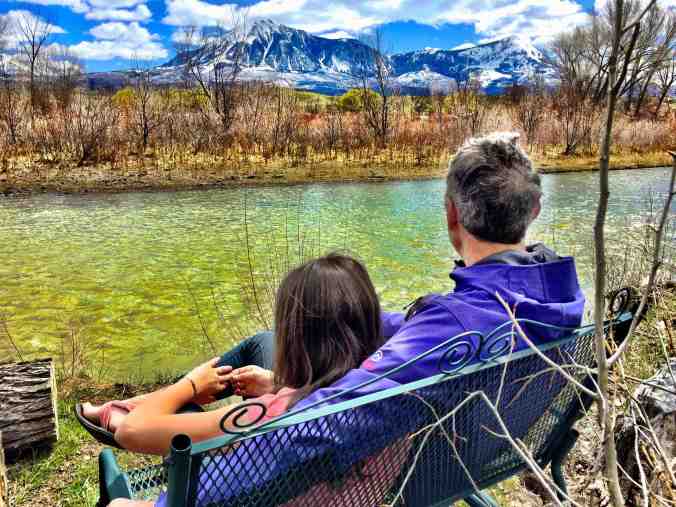
The view of Mt. Lamborn, sitting outside the yurt along the North Fork of the Gunnison. Photo: Liesl Clark

But this isn’t an article about Paonia. I’m here to gloat about our first experience living in a yurt. On both Air BnB and VRBO, you’ll find a family here has a beautiful getaway property right along the North Fork of the Gunnison. It’s a gorgeous stretch of river right in the heart of farm country, with views of the West Elk mountain range, the Raggeds and Lamborn mountain, which dominates the sky just north of town. George and Devon have two yurts here, and we came to suss out whether one day we might want one on our property.

Yurt1

Yurts were designed and innovated by the people of the high mountain steppes of Central Asia. We don’t know exactly when they first appeared, but archaeology tells us that they were firmly established as homes for nomadic peoples by the 5th century BC. Their circular design mimics symbols of the unity and interconnectedness of all things.

Walk to yurt

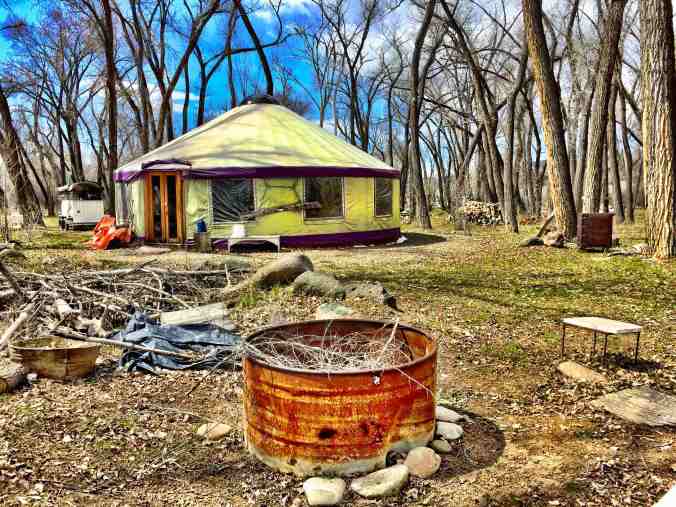
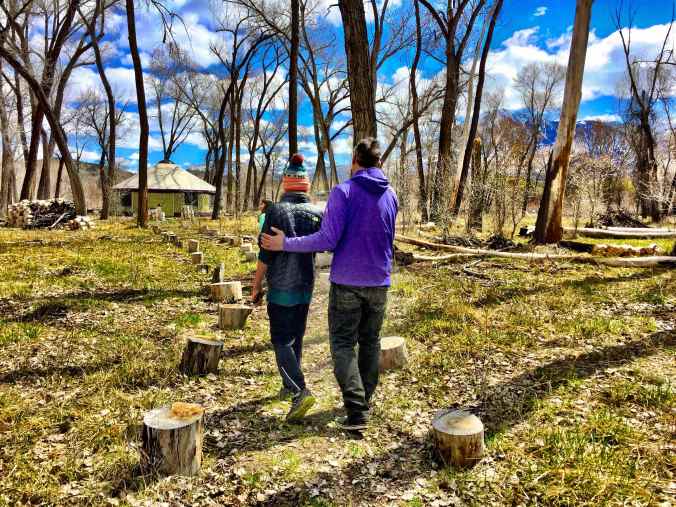
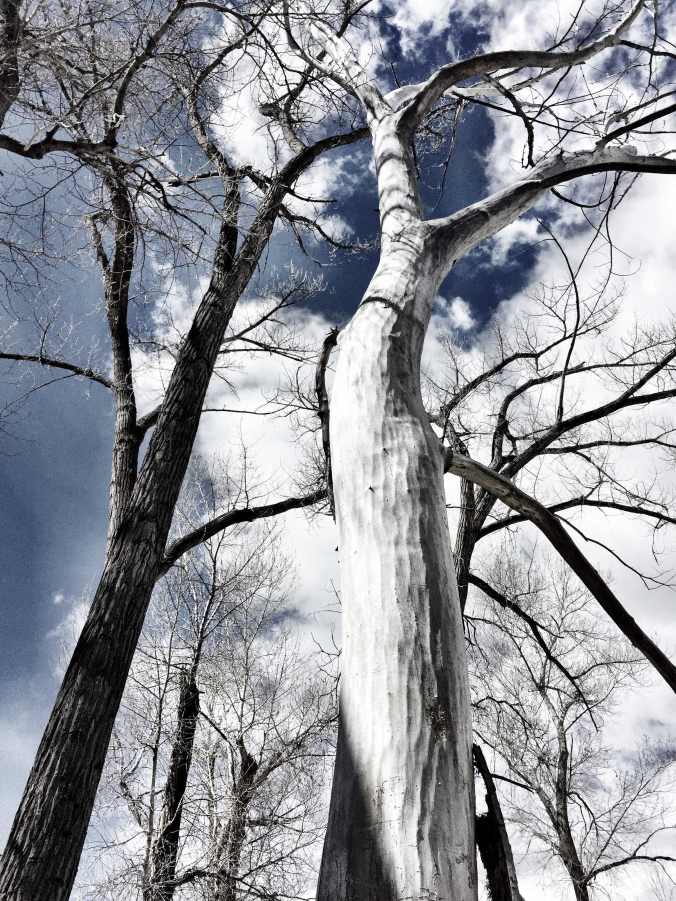
One of the yurts here is more rustic than the other, with no electricity or running water, but it’s our favorite because it’s set in an old growth cottonwood forest that feels like a fairy glen one can wander through and marvel at the trees in various states of growth and decay.

Cottonwoods

Both yurts are 30 feet wide and the one in the cottonwood forest has traditional wooden-strut walls covered in poly fabric, a concrete floor covered with carpets and a wood stove for heat.

sitting in glamping yurt

This “glamping” yurt has the coolest composting toilet, out in a little horse trailer.

JPEG image-201CA9A6E5C4-1

There’s a composting toilet in that little horse trailer.

I kid you not, this outfit is worth seeing.

JPEG image-639DBE4D50B3-1

The yurt we’re living in is just like any house, with drywall walls and a propane insert fireplace. There’s a full kitchen and bathroom inside, even a piano.

JPEG image-9E4BD4FA2881-1

We’ve felt what it’s like inside on a breezy morning and this baby is tight. The circular design lends itself to withstanding wind, as there are no corners or straight walls for the wind to buffer against.

JPEG image-3BF8E86F584B-1.jpg

As much as we love the inside of these structures, our energies are spent outside, enjoying all the things we can do here.

BT0C1859.jpg

BT0C1912.jpg

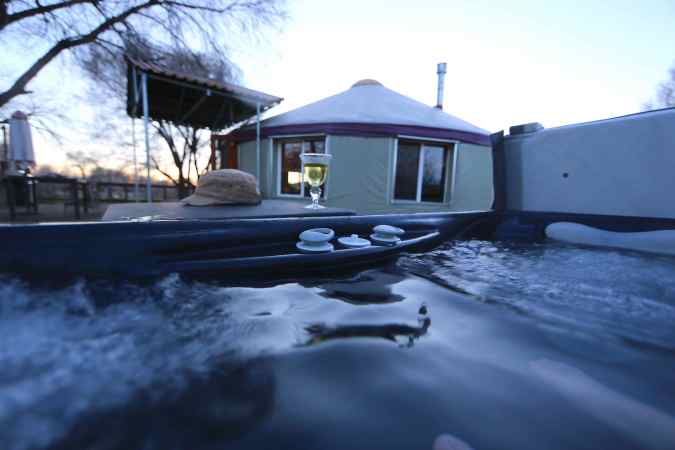
Evenings have been spent by the fire pit or in the hot tub.

BT0C1768

BT0C1817

And during daylight hours, the kids have been enjoying the bikes we have rented from The Cirque Cyclery in town, a cool juice bar and cycle shop combo that’s worth visiting, as the old building renovation is worth a look inside.

BT0C1581.jpg

We’re so impressed with this little town, life in a yurt,  and all the things one can do here.

Trampoline1

Trampoline5

If you’re interested in experiencing yurtopia, we highly recommend this little spot in Paonia. I’d be happy to get you in touch with George and Devon if you’re looking for a getaway dream vacation here. Just let me know in the comments below.

BT0C1876.jpg

Putting Chickens To Work As Compost Sifters

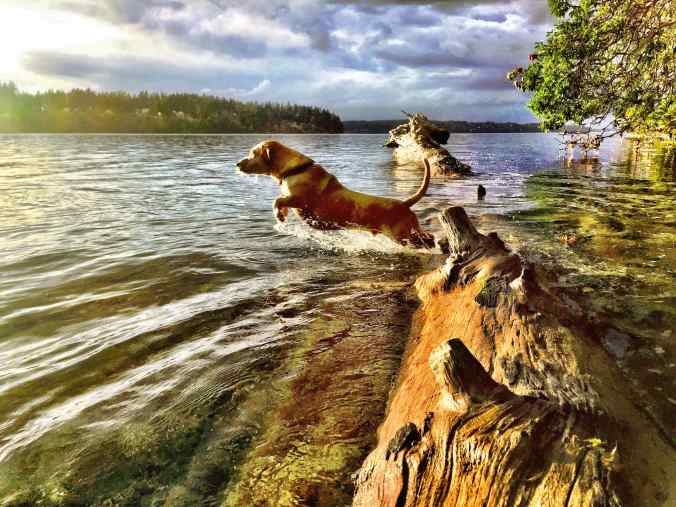
All of our animals have jobs that we feel they have to do to contribute toward the success of our little homestead. Sailor, our dog, keeps the deer and raccoons away. The cat, Willa, is our mouser. The bees pollinate our crops and produce honey. The worms produce beautiful fertilizer. Even the guinea pig, Gusteau, provides pellets that can go directly into our garden.

IMG_1050.jpg

Sailor the water dog works hard to tree coons and send the deer bounding away from our gardens.

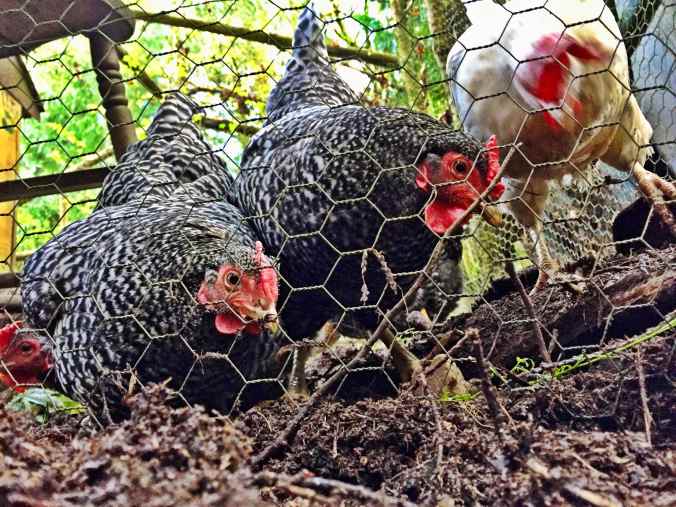
But it’s the chickens who are the true workhorses on our property. Of course, their eggs are a staple in our diet. But we use their chicken yard as a closed loop composting system where our weeds go in, the scratch them up, add their own fertilizer, and we excavate the yard throughout the year for the beautiful fertilized compost they provide. But here’s one more thing they do for us: The produce a perfectly-sifted specialty compost that we can scatter around our lawns and gardens that rivals any commercial compost out there.

JPEG image-BEC66CC15E25-1

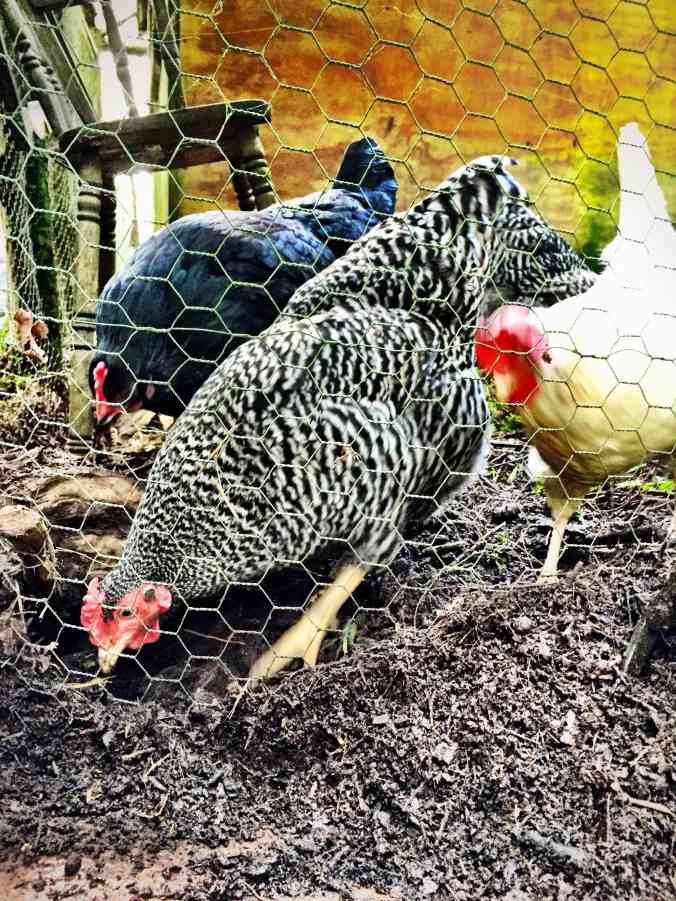
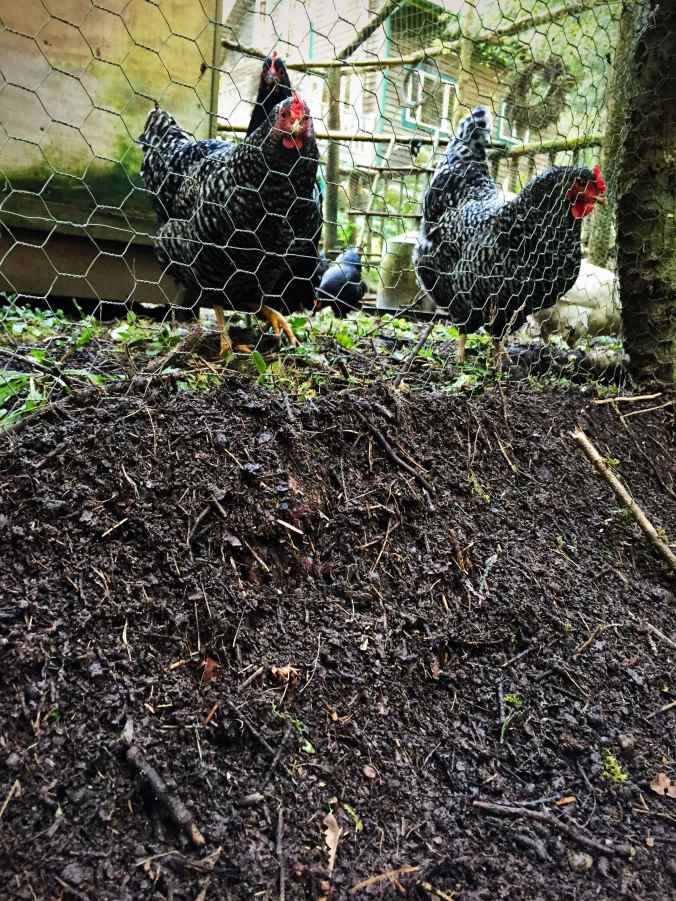
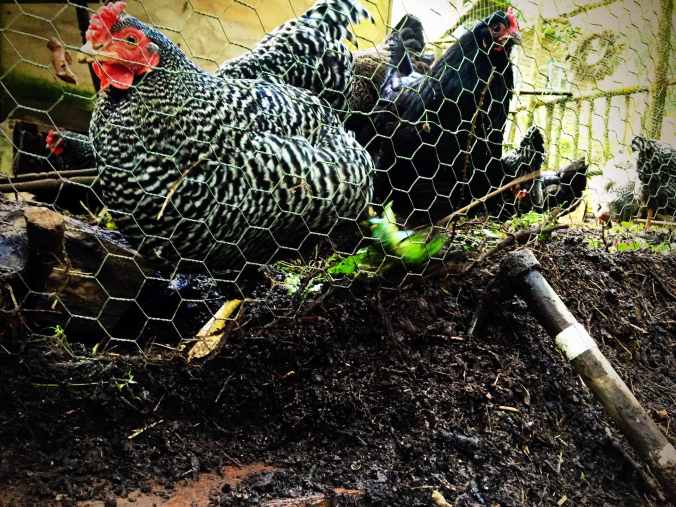
Here’s how it works. Their yard is penned in by 2-inch chicken wire, and it’s placed up on a hill where the backside of the hen yard has a 3-foot slope behind it. The chickens, daily, dig and scratch near the fence, constructing their dust baths and looking for tasty bits to peck at in the yard materials we throw inside.

JPEG image-CDFE1682BAAF-1

As their scratching activity breaks down the organic matter we throw inside their yard, their scratching serves to sift and push the small composted materials through the wire fence, which acts like a sieve. On the outside of the hen yard, we have a slope of pure black, composted and perfectly-sifted humus fertilizer, ready for the gardens and lawns.

JPEG image-47C9C709D7EE-1

All I have to do is show up with a bucket every few days, and collect the fluffy sifted compost to use around the property. Thank you, girls, for your hard work! We appreciate your efforts and contribution toward making the world’s most beautiful sifted compost there is.

JPEG image-D332AA69AD51-1