DIY Cat Scratching Post

Give your kitty what she wants and make a real-tree natural cat scratching post! My theory is that your average carpet-remnant cat scratch tree only encourages your furball to scratch up your carpet or upholstery. If you give your cat what she wants, an actual tree branch to sharpen her nails on, she’ll leave your furniture alone. That’s what our cat does…mostly.

A Real Tree Cat Scratch Tree!

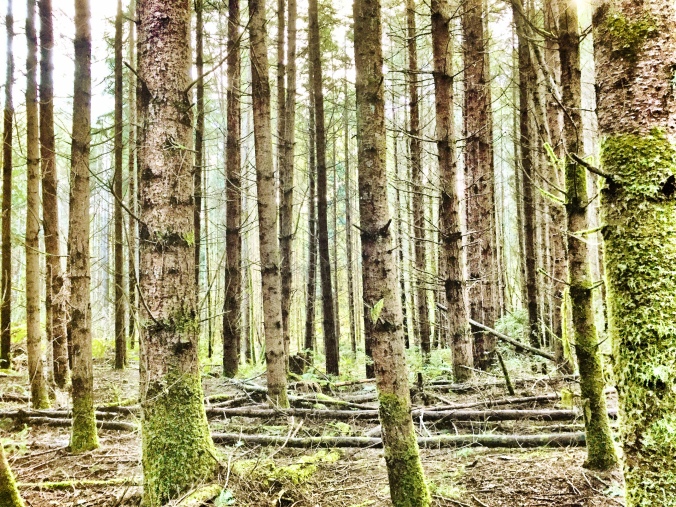
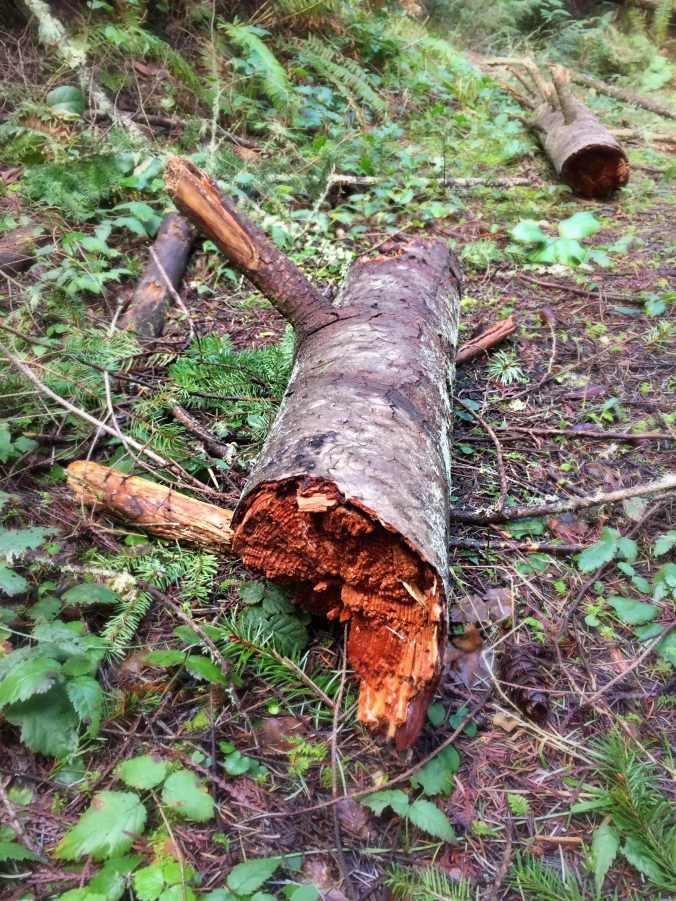
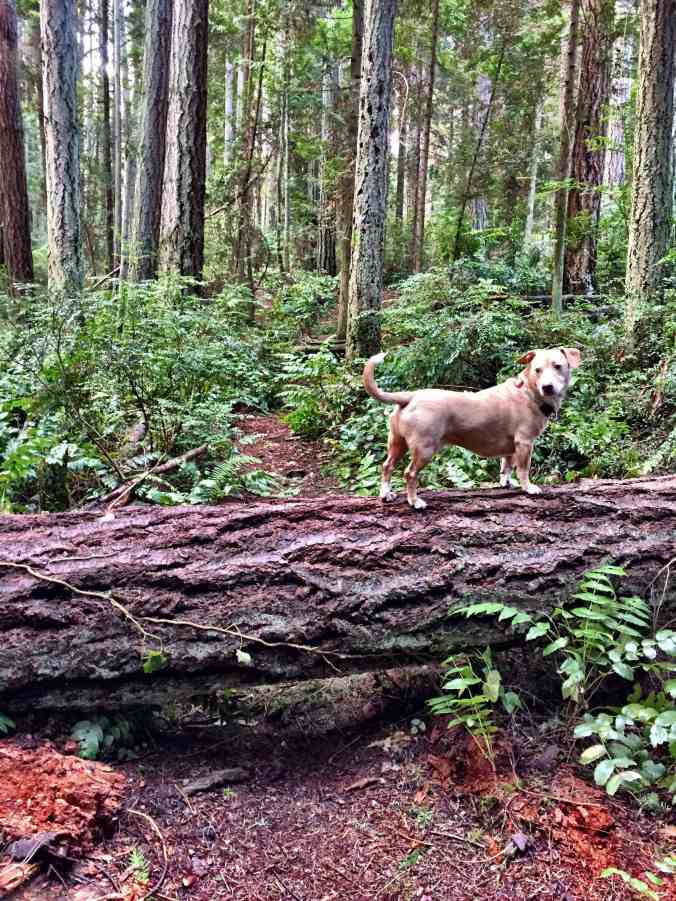
So, we went out to our brush pile and found the perfect curving fat tree limb with two Y branches growing from it so our kitty could have a few spots to climb to. I found a piece of particle board to screw the sawed-off limb onto. It was as simple as that. This scratching post has lasted 4 years and our cat still uses it happily.

We often attach bits of string with fun things for our kitty to bat at, to make it a fun playspace for her.

She loves her real tree cat scratch tree.

But here’s the best thing about this cat gym: When we’re done with it, we can break it down and burn it in our fireplace. No issues about waste here.

Do you have a DIY cat scratching post you can share here?

Clothes The Loop With The North Face

I’m excited to make a huge discovery, for those of us who ache when we throw into the landfill big chunks of plastic that could likely be repurposed into something else. The North Face stores will take not only your old clothes, shoes, and outdoor gear like backpacks and tents, but they’ll also take your old ski boots! Please read this article by my husband that tells you all about this great initiative.

By Pete Athans

Living on an island means we don’t have access to a lot of services and conveniences. We like that.

My 7-year-old daughter on a ferry boat ride to our Puget Sound island. Photo © Liesl Clark

A 35-minute ferry ride delivers us into what feels like the bowels of Seattle, ejecting ferry-riders beneath a highway underpass, a continuous stream of cars, buses and trucks humming above. Just around the corner from the hum of the waterfront is one of The North Face’s first stores to open in the U.S.

Delivered by ferry to the Seattle waterfront. Photo © Liesl Clark

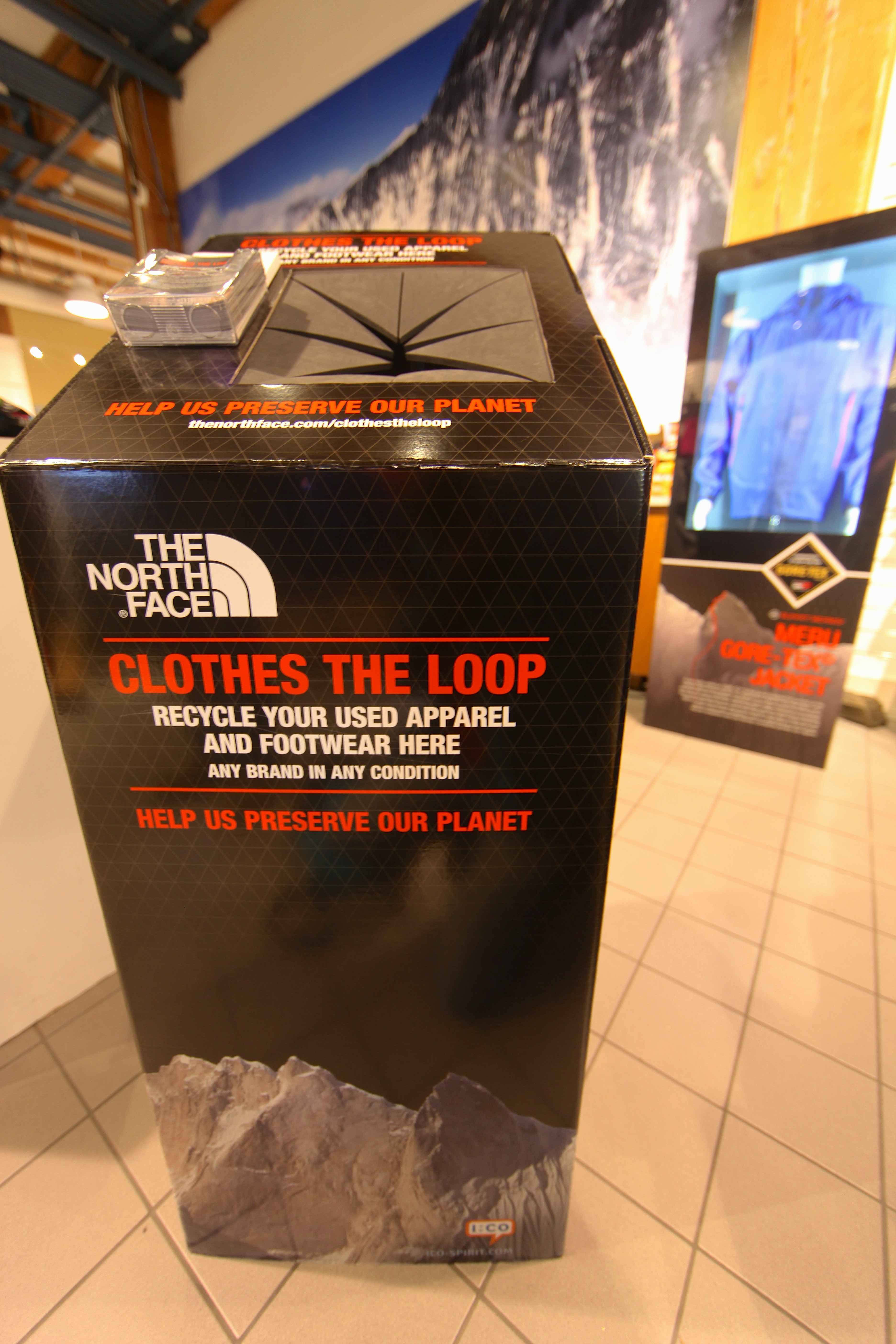
I’ve worked for the company for nearly 30 years, and I still love walking into this special Seattle space. Behind the modern store facade, you still have a sense of the original post and beam construction, probably used for shipping or as a warehouse years ago. Today, I’m even more proud to step into the store with my family, carrying our used clothing, textiles, and gear that we aren’t able to sustainably throw away on our small island. In fact, most people have a tough time finding places to discard used clothing and specialized outdoor gear in this country. But every store in the US that The North Face operates now has a “Clothes The Loop” box where you can drop off your used and worn-up clothes, gear, and shoes. You’ll get a discount on your next purchase at The North Face store as a reward for your efforts.

Here’s how you can find a store near you that is participating in this program. Click on their Find A Store link. Then, at the bottom of the map, click on the boxes that say “The North Face Stores” and “The North Face Outlets.” Those are the stores owned and operated by The North Face that have this program.

Denim has value. Don't throw it away! It can be used as insulation. Photo © Liesl Clark

The North Face has initiated this much-needed clothing, gear, and shoe recycling program, they call “Clothes the Loop,” in a partnership with I:CO an international textile and shoe recycler that breaks materials down into 400 categories for carpet padding, stuffing for new toys, and fibers for new clothing. I:CO currently processes about 500 tons of used items every day in 74 countries. They have collection points all over Europe and in the USA.

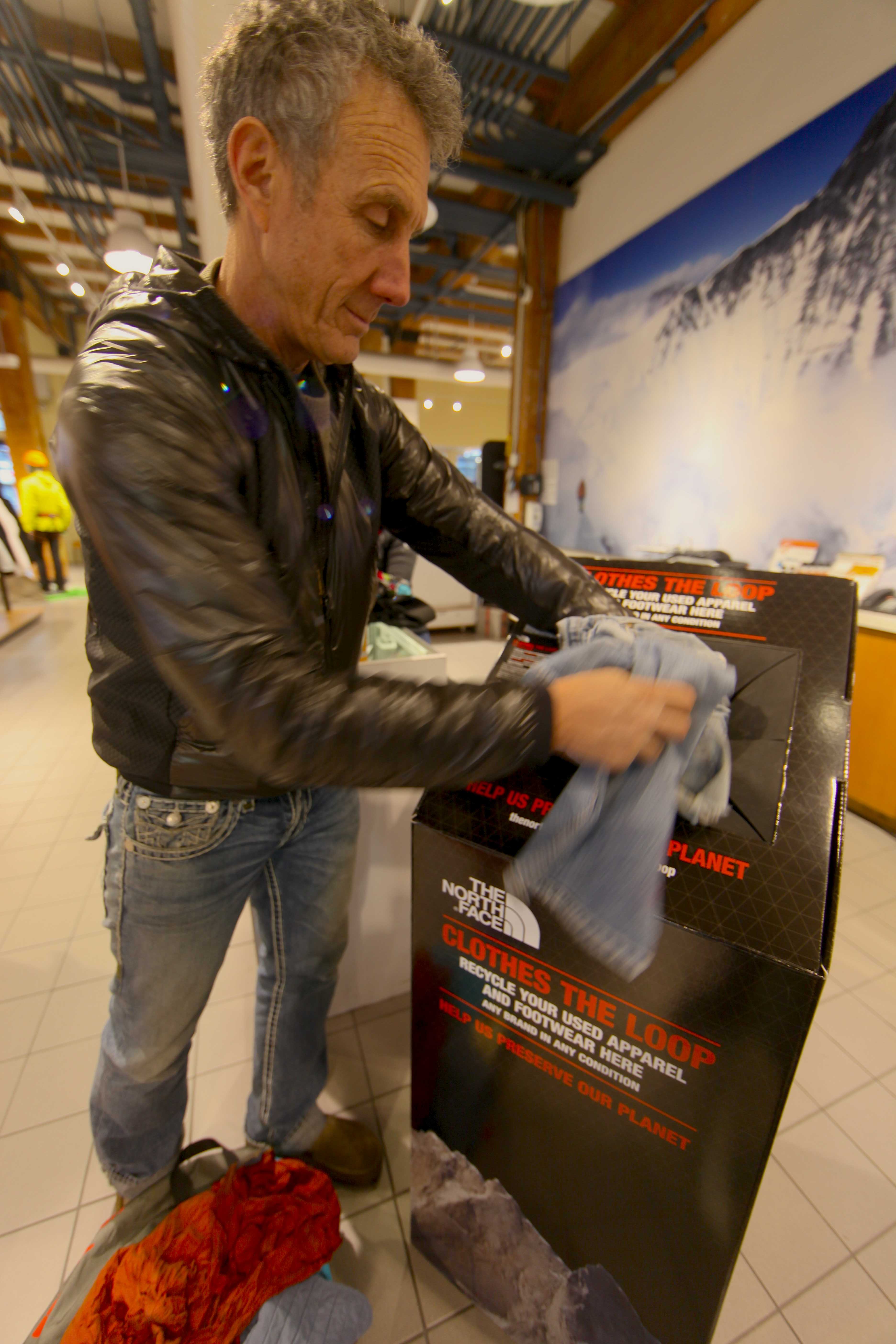
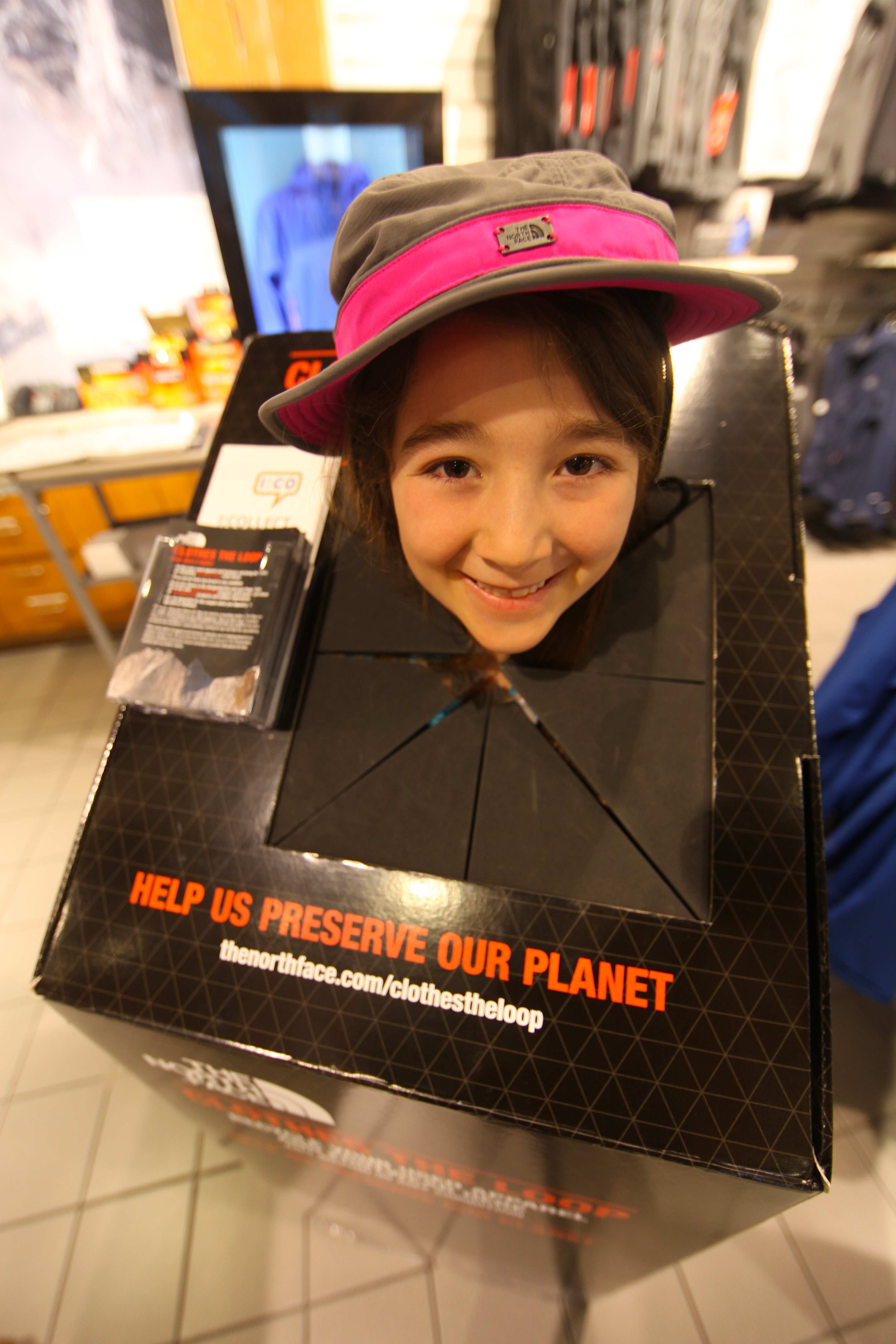
Drop your old apparel, any brand, into a "Clothes the Loop" bin at The North Face store.

Here’s a list of the kinds of items you can take to your nearest store and put in their box:

Old Clothing

Shoes

Hiking Boots

Rope

Bed Spreads

Sheets

Table Cloths

Fabric Scraps

Ski Boots

Backpacks

Tents

Climbing Harnesses

Pillows

Stuffed Animals

We’ve taken samplings of just about everything on the list above to their store. It’s reduced our family’s solid waste significantly each year. According to the EPA Office of Solid Waste, Americans throw away more than 68 pounds of clothing and textiles per person per year, and this figure is rapidly growing. Add your outdoor gear to that figure and surely it’s over 100 pounds. We’re very excited to hear that they’ll take ski boots. Before this, there were no options in the Seattle area and most cities for ski boot recycling.

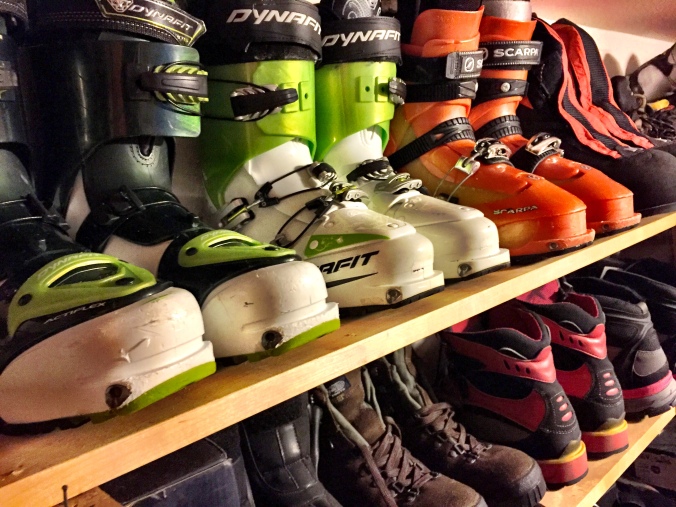
IMG_1496

Our family has a lot of boots, for every kind of snow sport. We’re probably not unlike many families. © Liesl Clark

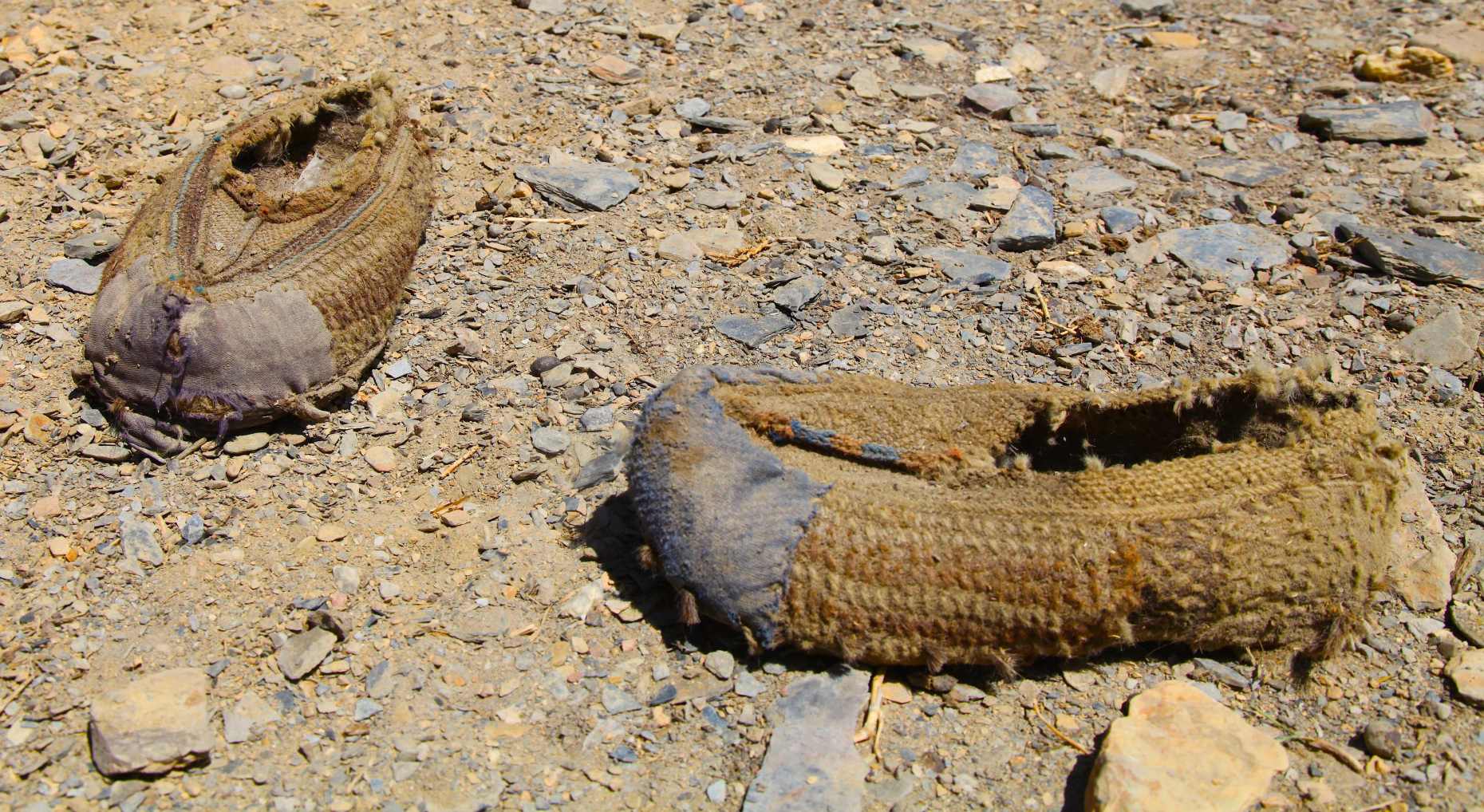
Before you take your items in to The North Face, if any of them are usable, please try to give them away to someone who might be able to use them, through a project like your local Buy Nothing group. When my family travels to the Himalaya, we always bring a few extra duffels of clothing and shoes. We work with communities in Upper Mustang who are in dire need of good shoes.

Since children grow so fast, it isn’t hard to pass on our own children’s lightly worn fleece, outerwear, hiking boots, hats and gloves to kids in remote mountain communities. It’s the least we can do in a high mountain environment where people only have access to poorly made Chinese apparel.

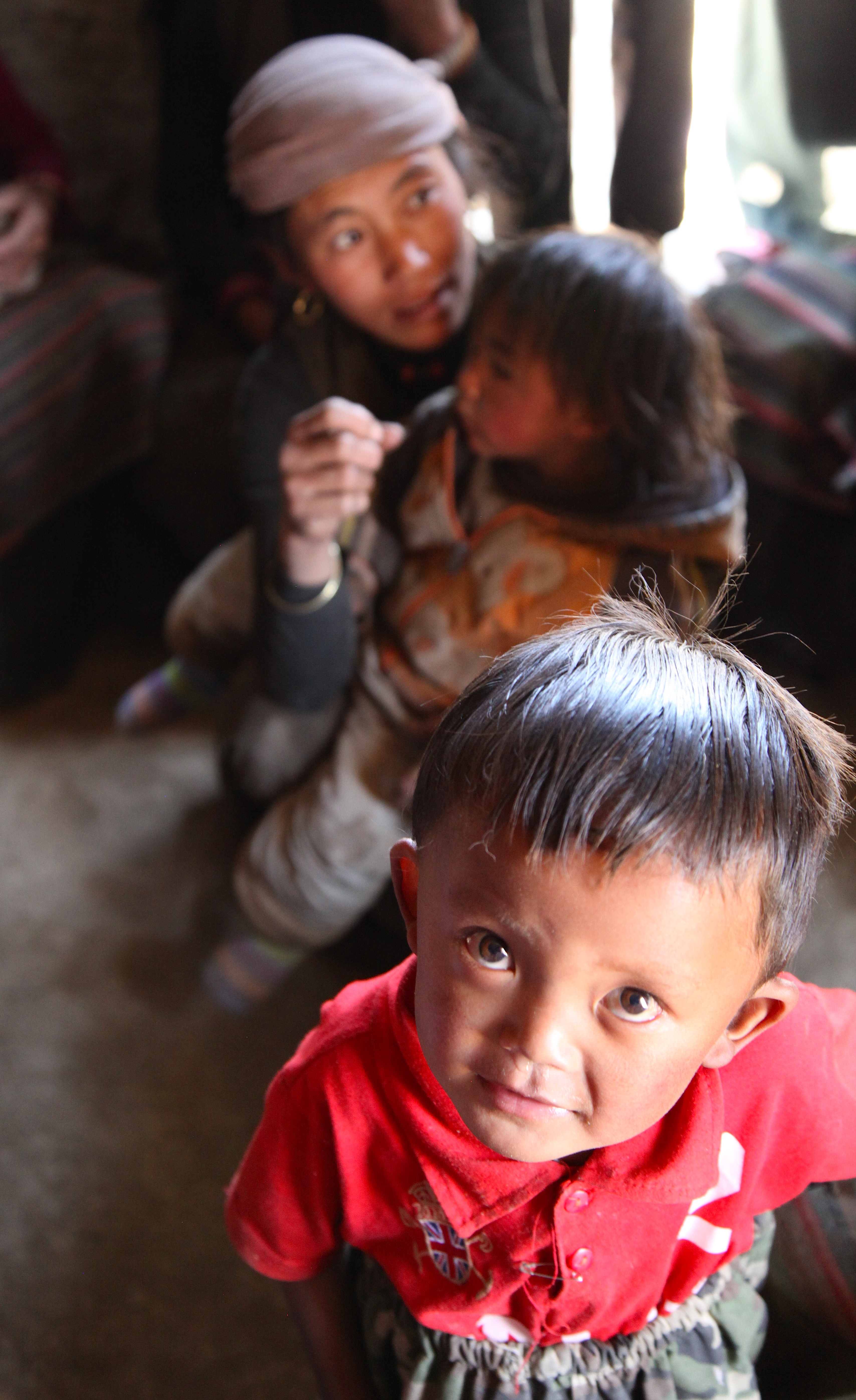
A child in Samdzong getting medical care from our expedition doctor. Photo © Liesl Clark

My children on their way to Upper Mustang, Nepal. Photo © Liesl Clark

My children on their way to Upper Mustang, Nepal. Photo © Liesl Clark

If we’re more mindful of our textile and outdoor gear waste, we can each make a difference. We know the textile industry adds tremendous environmental stress on our planet, but by giving away our usable our clothing and gear and then recycling what’s un-wearable, we can reduce the demand for virgin materials in new clothing and conserve the energy that goes into making fibers for fabrics.

Recycling your worn out textiles and shoes at The North Face is fun. Photo © Liesl Clark

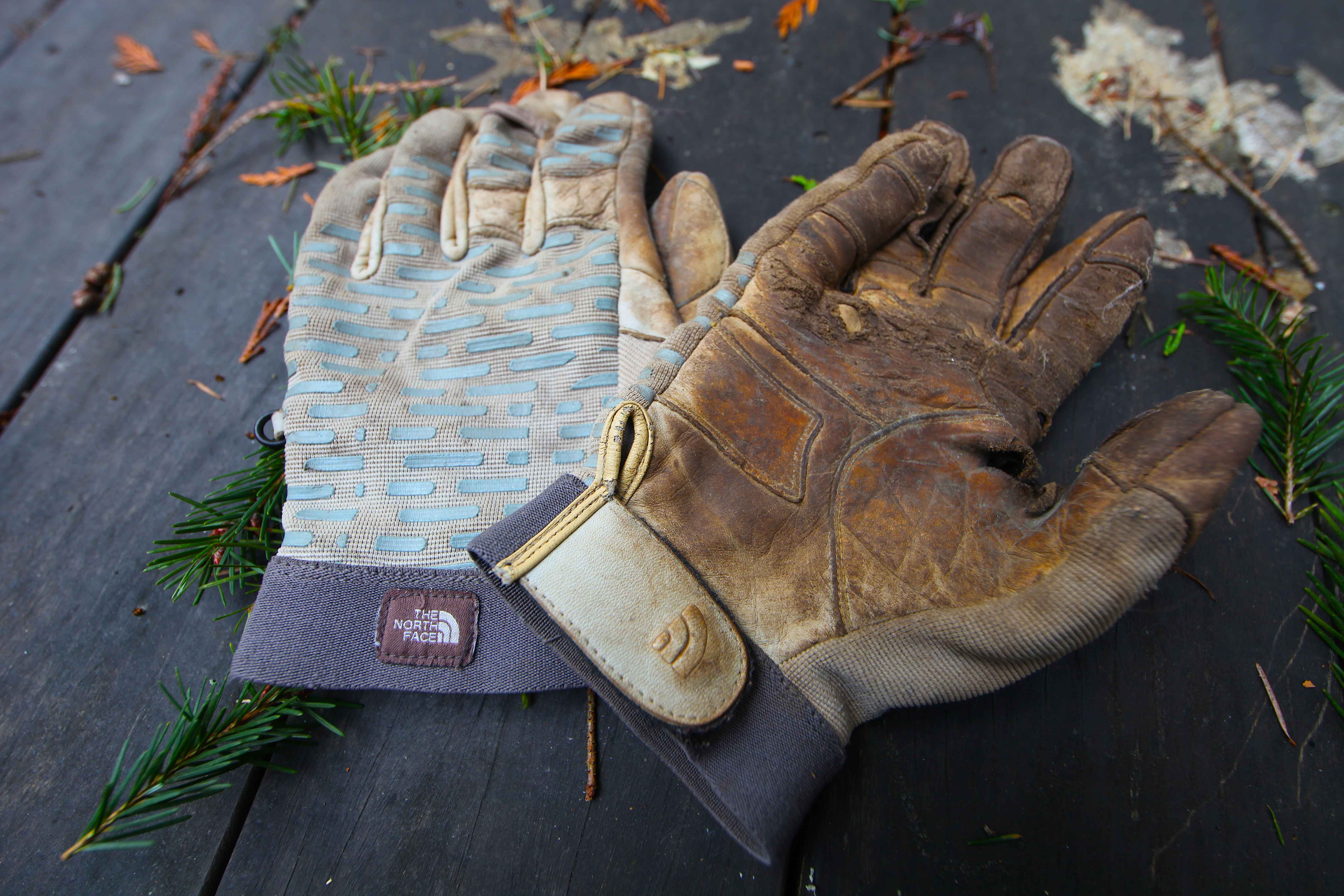
For us islanders, this new drop box at The North Face will be a welcome destination for fabrics and apparel we’ve been stockpiling in our homes in hopes that a recycler would appear in our midst. Your jeans that have holes in the knees and gloves that are nearly shredded from outdoor use are welcome at the Clothes the Loop bin.

My favorite TNF gloves, now safely in the bin. Photo © Liesl Clark

Hope to see you there, recycling your hole-y socks and dented hats.

IMG_3361 Photo © Liesl Clark

Olive Oil Tin Turned Celery Container

I love olive oil tins. They’re reminiscent of the Old World where reuse of large tins is commonplace. When I think of how I’ve seen olive oil tins reused, I imagine geraniums on a sunny step in colorful olive oil planters in Italy or hammered out oil tins used as roofing or wall siding in Nepal.

2 Lovely Olive Oil Tins, What To Do? Photo © Liesl Clark

I saved a couple of tins this year and other than using them as a flower vase, I couldn’t think if anything special to do with them. And then my son started having a celery craving. I hate storing celery (or anything) in plastic bags in the refrigerator, so we started storing it in large mason jars with a a couple inches of water for the stalks to stay fresh. And then the idea hit me: Turn an olive oil tin into a refrigerator celery container. It holds 2 large celery bunches perfectly!

First Use an Old-Style Can Opener. Photo © Liesl Clark

You’ll need a Swiss Army-style jack knife with a can opener to remove the oil tin lid. And if that doesn’t work, get out the tin snips. Make sure you bend and file down all rough and sharp edges.

Our new celery tin. Photo © Liesl Clark

Be sure to put a few inches of water in your tin to keep the celery crisp and fresh. Then, throw it in the fridge! Our celery lasts weeks in this custom-made tin crisper.

A Tin of Celery Works Beautifully in our Plastic-Free Fridge. Photo © Liesl Clark

Gone are the days of limp celery in the vegetable drawer.

Celery in a Tin in a Plastic-Free Fridge. Photo © Liesl Clark

Yarn Scraps Are For The Birds

Spring is in the air! Save some scraps and bits to offer to your songbirds for spring nest-building. An old suet feeder will do the trick. At this time of year our feathered friends need all the help they can get.

Here are some great items that you can include:

Natural fiber yarn

String

Horsetail Hair

Shredded Paper

Feathers

Hay

Straw

Wool

Small Fabric Scraps

Cotton Balls

Cotton Wadding from Aspirin Bottles

Dried Moss

Twigs

Leaf Stems

Dog Hair

Cat Hair

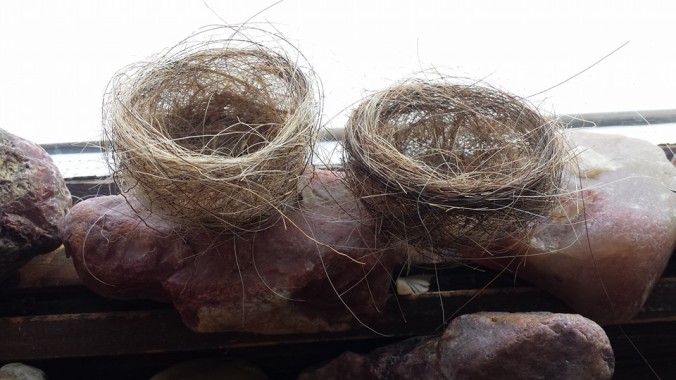
So, don’t throw your yarn scraps and other bits away. Save them for the birds! In Paonia, Colorado, one spring, my son found the most unique birds nest, made entirely of yarns, hay, polyfibers, human hair, horsetail, and string.

IMG_4213 Photo © Liesl Clark

The 1 Minute Declutter Trick

Happy Playing Kids + Dog = Clutter. Photo © Liesl Clark

Happy Playing Kids + Dog = Clutter. Photo © Liesl Clark

According to The Story of Stuff, we consume twice as many material goods today as we did 50 years ago. An independent study in the UK revealed the average 10 year old owns 238 toys, but only plays with 12. We’re drowning in our stuff.

Is the clutter and chaos in your house getting you down? Have an unexpected visitor arriving in 1-minute? Here’s a quick fix that’ll solve your clutter calamaties:

A box.

Have clutter troubles? Think inside the box. Photo © Liesl Clark

When I’m overwhelmed by accumulated surface clutter atop counters and other furnishings in our house, I find the nearest empty box and quickly fill it with the items covering my table tops and horizontal surfaces. Even the children’s floordrobes get the box treatment. The items in question have been sitting there, I oft realize, because there’s just no obvious place to put them. A box is as likely a place as any.

The clutter box. Photo © Liesl Clark

And where does the box go? In our storage room (husband’s gear room, our workbench, and small storage space for things in transition) for a few weeks to see if anyone missed any of the items in said box. If the items disappear without notice or family grumblings, GIVE THEM AWAY.

Don’t ask yourself whether the items bring you joy.

Think of the joy you felt when they were off your counters, no longer between you and the front door. No, get rid of them quickly, but thoughtfully, without throwing them away. Feel the joy in giving them to another loving person before you change your mind and bring them back into your house to start the colossal closed-loop clutter cycle all over again.

This clutter-free surface is brought to you by "the clutter box." Photo © Liesl Clark

And you can thank me in the comments below.

A Wood-Foraging Workout

IMG_1402

© Liesl Clark

It occurred to me, last winter, when high winds blew down so many trees, that I could help clear the trails, rather than just hike them. The added benefit was wood.

IMG_1470

Blown-down wood on a Pacific Northwest Trail © Liesl Clark

Rather than carrying a backpack filled with random items to give me added weight for a pre-expedition workout, I realized the resource I could gather on my hikes was right at my feet. My friend, Yangin Sherpa, walks 5 miles a day to collect wood where she lives. Why couldn’t I?

Trail

We heat our home with wood and our property provides most of what we need. But I realized that every day, during the storm season, I was picking up and throwing aside big chunks of wood that had come down the day before onto the trails we hike on our hill.

IMG_1467

Huge Trees Come Down, Blocking Our Trails, All Winter Long © Liesl Clark

I bring an empty pack after a windstorm and load it with large chunks blocking the trail that I would otherwise throw aside. There’s so much wood out there, areas where blow-downs outnumber the trees standing. I figure a small payment for my clearing of the trails are the few pieces I can gather to add weight to my gait, to give greater resistance to my uphill climb so I can prepare for the high passes and cliffside traverses we do each summer in the Himalaya.

IMG_1469

Payment for My Pains © Liesl Clark

I find joy in knowing what it feels like to walk 5 miles for a bundle of wood that will keep my family warm for one more day.

IMG_0578

What are your simple pleasures?

IMG_1453


DIY Bamboo or Stick Fence

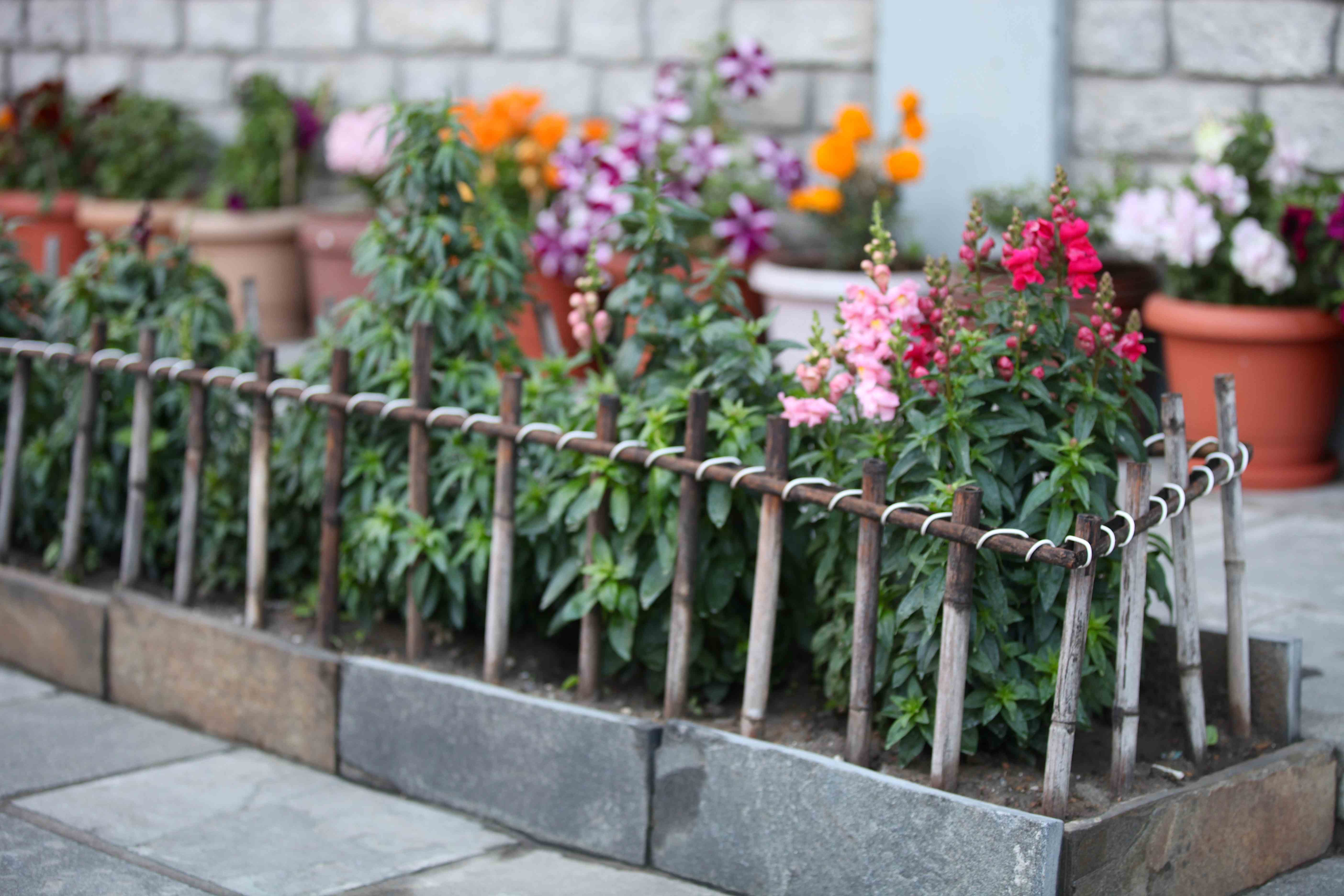
Bamboo + Electrical Wire = Pretty Garden Fence.

This bamboo fence, in Kalopani, Nepal, is one of my favorite garden fences I’ve come across while traveling. It’s a simple construction of bamboo sticks and woven electrical cord to hold the whole structure together. Here, people use what they have at hand to create beauty in an unforgiving alpine environment at 7,500 feet.

The electrical wire serves to hold the fence together.

Several 1-foot-high sticks are placed vertically in the ground about 5 inches apart and a long bamboo stick is split down the middle and placed horizontally across the vertical sticks, all woven together by an old electrical cord tied and knotted at the corner of the fence.

The horizontal piece is split in half.

It’s a simple construction and quite attractive for a high altitude flower garden at the base of Dhaulagiri, the world’s 7th highest mountain.

IMG_6524 © Liesl Clark

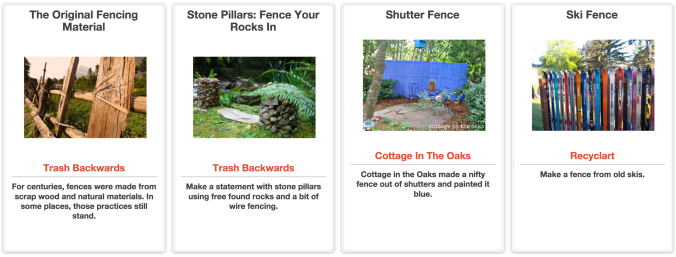
If you’re looking for some more interesting ideas for fencing materials, we might have what you’re looking for in our Trash Backwards app.

What have you used for fencing?

Wine Cork Pot Lid Grips

cork potgrippers

No Need for Potholders © Liesl Clark

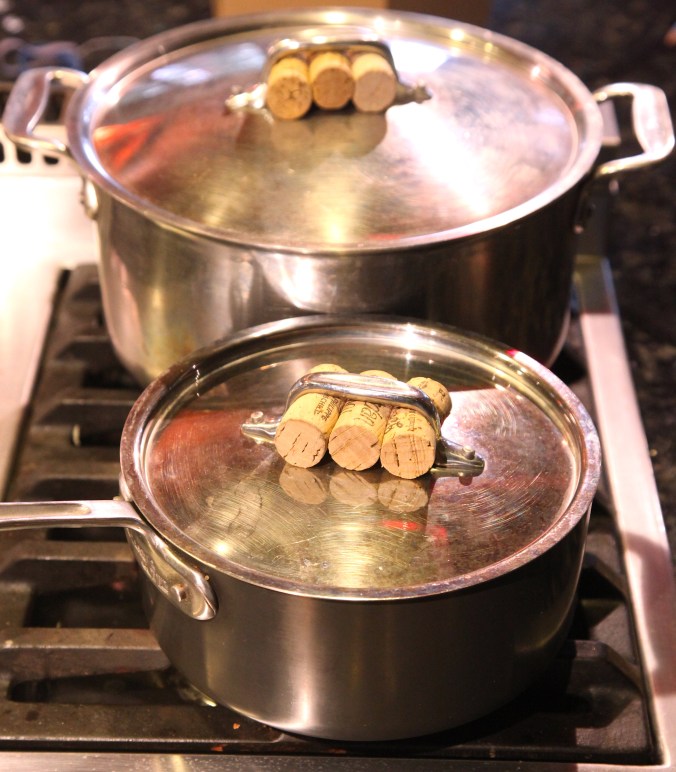
Wine Cork Pot Lid Grips: Lift off hot pot lids with your fingers! Simple wine cork-stuffed handles mean no need for pot holders around the stove. Cram the corks tightly into the handle of your pot lid and you’ll never need to remove them again.

IMG_1383

Those are my 10-year-old’s fingers, lifting a hot pot. © Liesl Clark

They’re dishwasher and sink-washing safe, too! Smart. Easy.

IMG_1391


Garden Glove Love


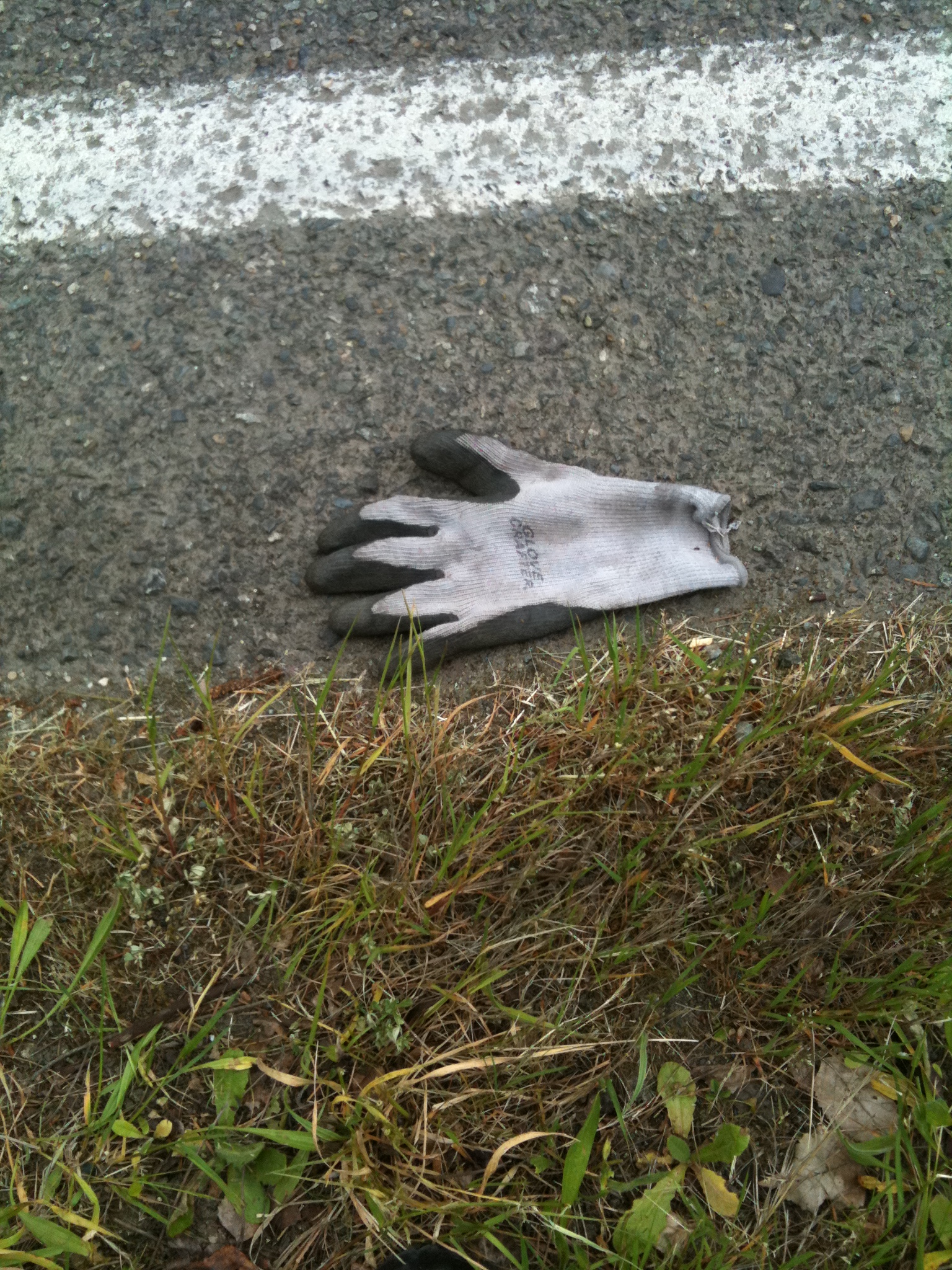
Roadside Garden Glove. Photo © Finn Clark

It all started on a bike ride. We kept seeing garden gloves along the side of the road. In fact, we had seen the gloves lying there for weeks and finally decided to pick them up. One by one, over the course of about 2 weeks, we had managed to collect 20 pairs!

I Have Good Garden Glove Karma. Photo © Liesl Clark

We’re an island of avid gardeners, farmers, and a world-famous garden tour called “Bainbridge in Bloom.” Twelve months of gardening weather here on Puget Sound has afforded us 4 seasons of dirt digging. The problem is that the gardeners’ (or perhaps it’s the hired landscapers’) gloves too often end up along the sides of the roads, having fallen from the backs of landscaper’s trucks, farmers’ tractors, or islander’s cars. Being a food-grower myself, I couldn’t just let those gloves rot in the ditches.

Garden Gloves Rain or Shine. Photo © Finn Clark

My children and I have been collecting them: pulling to the side of the road, jumping out of the car, jumping back in, celebrating, for a year now and have 45 pairs plus about 50 singles ready for a mate. Do you have a single garden or work glove awaiting a partner? Don’t throw it out! Send it to us so we can marry it to one we have here because their next life is going to be GOOD.

We have gloves in every color. Photo © Liesl Clark

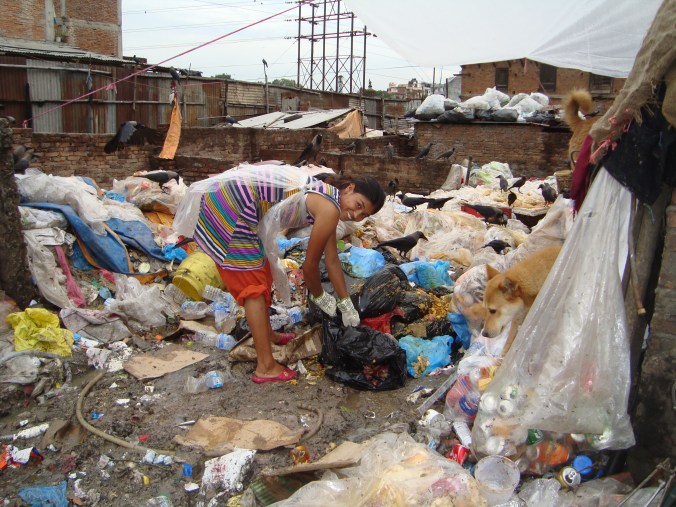
All pairs of gloves we reunite will go to Kathmandu to protect the hands of the rag pickers there. Life as a rag picker is tough, really tough, and many are children in their pre-teens. These kids, and plenty of adults, make a living picking through other people’s trash to compile enough polyethylene plastic or PET plastic bottles to send to India for recycling. It’s a decent living, but the conditions are among the worst on the planet.  We want to help by giving them the garden gloves we’ve found on our streets and in your garden sheds.

Give Garden Gloves or Help in Other Ways to Improve Conditions for the Rag Pickers of Kathmandu. Photo © Liesl Clark

My children and I made a movie about the rag pickers in Kathmandu. If you have a few minutes, this film short will give you a brief look into the work they do:

Most rag pickers have no gloves at all. They pick bare-handed through broken glass and human excrement to find their quarry, and the best protection they can have, in my humble estimation, is for their hands (of course it doesn’t hurt to have a face mask, too.) We’ve seen some rag pickers with just one glove, as that’s all they have.

Packed to the Gills, Ready for Zero Waste Travel

In August, we’ll be headed to Nepal again, to give gloves to Kathmandu’s rag pickers to aid in protecting them from the unsanitary conditions in which they work daily. Over two hundred rag pickers work at the city’s dump some 50 miles from Kathmandu. But countless children pick plastics from the Bagmati River as well as the streets of Kathmandu, and having a glove or two could save a child from infection, disease, and dysentery which comes with the territory.
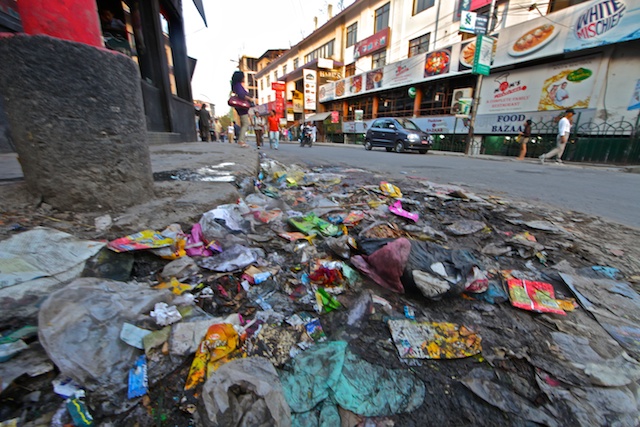
Trash Day Curbside Pile in Kathmandu, Flattened by Rush-Hour Traffic

Want to help us protect the rag pickers, those moving Kathmandu’s trash backwards into new goods, to help reduce the mountains of garbage in the foothills of the Himalaya? There are 3 things you can do to help:

1) Use our Trash Backwards app and indicate when you’ve done something good. By clicking the “I Did It” button on any individual solution, you show us that you’ve changed your behavior to help reduce waste. These simple clicks that show what you’ve done to reduce, reuse, and recycle provide us with data to indicate whether a social movement like ours that educates through social media can make a difference. Every “I Did It” click means we can do some good, too. It’s a one-for-one correlation between your action at home/in the office and our action worldwide. For every “I Did It” click in our app, we’ll do our own good: We’ll hand out a pair of gloves to a rag picker, we’ll remove batteries from a water source in a village, we’ll collect plastics from rivers and shorelines, we’ll conduct a village waste audit. Every action you do enables us to do our greater good and ultimately find the support to do even more! So, please visit us at TrashBackwards.com and find some solutions to our global waste that you can undo in your own small scale, then hit the “I Did It” button and we’ll do the same. The more you do, the more we’ll do in return.

2) Send us your odd (or pairs of) garden gloves. We’ll likely have a match and can then get them into the hands of someone in need. Please know that the conditions are deplorable for a rag picker. Gloves could save someone from infection and truly make a difference. Does one glove have a hole in the thumb but the other is fine? Send us the good one!

Garden Glove Love

6027 NE Baker Hill Road

Bainbridge Island, WA 98110

3) Simply help fund our efforts to improve the lives of Kathmandu’s rag pickers and kids in higher villages. You can do so by donating much needed funds to the Alex Lowe Charitable Foundation so we can get our duffel bags of gloves (we donate shoes and books too) over to Nepal and remove toxic waste from the highest watersheds in the world while also helping to increase literacy in local villages. As little as $20 can go such a long way in Nepal. We’ve been bringing children’s books by porter, yak, horse, and donkey up to the highest villages in the Himalaya for 7 years now, and have opened 7 children’s libraries called The Magic Yeti Libraries. We bring books up and toxics down. Our target this summer is to remove batteries, CFL light bulbs, and plastics from the rivers, streams, irrigation ditches and water supply of villages between 9,000 and 14,000 feet. We’ll get these toxic materials out of the pristine waters and bring them down to a municipal organization that can dispose of them responsibly. We all live downstream of these waters, but for those who live in the villages nearby, the battery and plastics-laden streams need to be cleaned up as soon as possible.

Garden Glove Love was inspired by England’s Glove Love campaign, a nationwide movement to rescue single gloves and give them a new life on the hands of eager people wanting to help reduce our overall impact on the environment.

Start today with your efforts to reduce your own impact on our planet by doing some good with the stuff you already have in your life. Reduce, reuse, re-gift, repair, and rethink your material assets as you use our Trash Backwards web app and you’ll inevitably help others and our planet, too.
Water Cress Pesto

Feeding my family by way of mid-winter foraging always feels like a triumph. Although there’s little in the garden these days, when we go on hikes on our hill, we find water cress in the places where the springs are running freely. The winter rains have been incessant, so this year the cress is abundant.

IMG_1187

We collect handfuls of it each week and turn it into a spicy pesto the kids love on pasta. It’s a quick dinner for a busy mama to make.

IMG_1124 copy


Water Cress Pesto (a.k.a. Water Cresto)

4 Cloves Garlic

1/2 Cup Walnuts or Pine Nuts

(put the garlic and nuts in your food process or and run it until they’re completely turned into small bits) Add:

1 1/2 – 2 Cups Water Cress, washed

1/4 Cup Olive Oil

1/4-1/2 Cup Parmesan Cheese (in small chunks)

Process the rest of the ingredients together until you have nice green paste. Toss it with your favorite pasta.

IMG_1126 copy

Enjoy!