20 Nettle Uses: A Forest Superfood

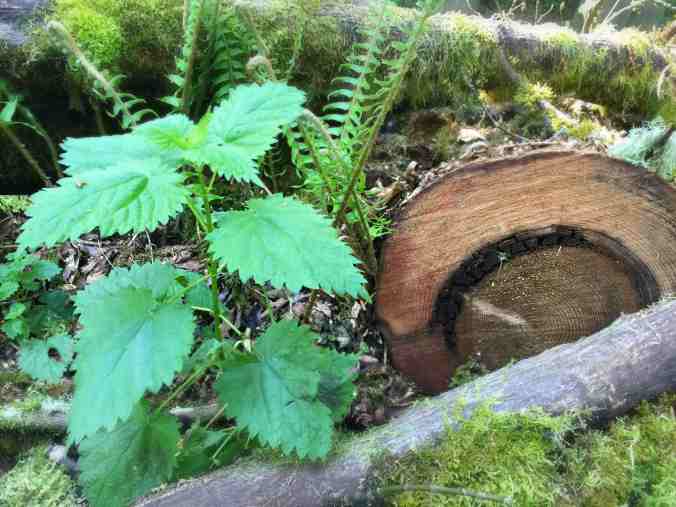
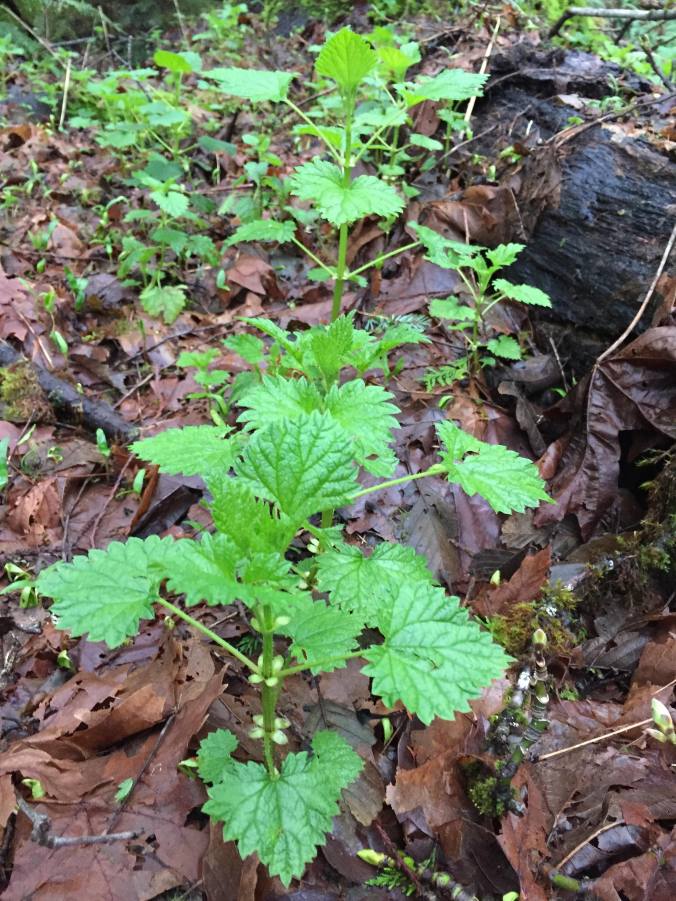
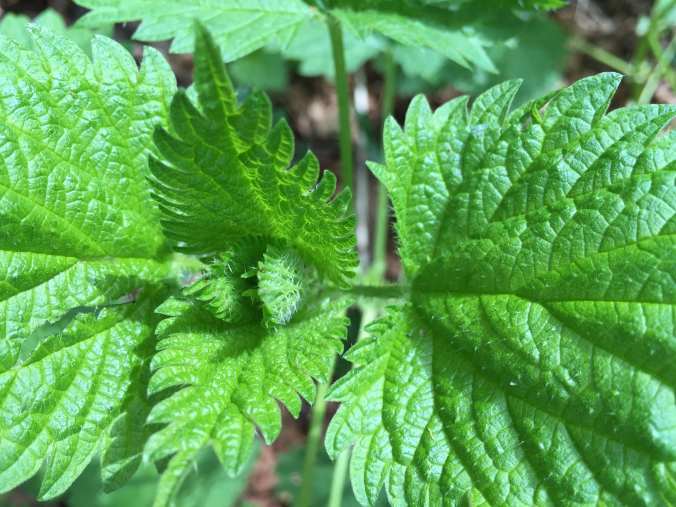
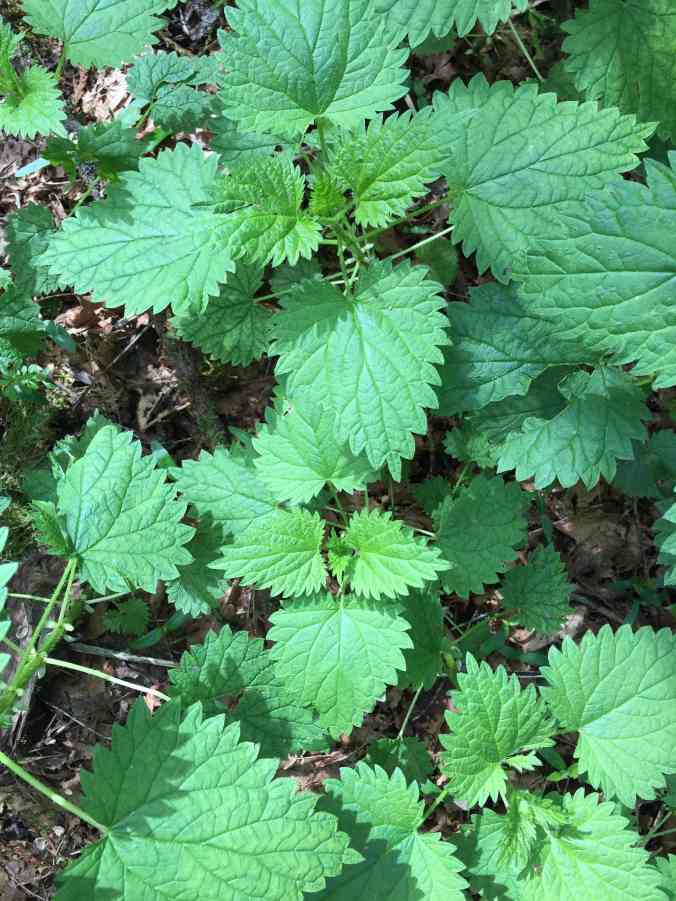
There’s likely no other wild plant that marks the beginning of spring growth than the wild nettle, urtica. Urtica is a forest superfood, full of vitamins and health benefits that can alleviate allergies, dry scalps and skin, and a long list of diseases that I’ll simply link you to here since Mother Earth News has it covered.

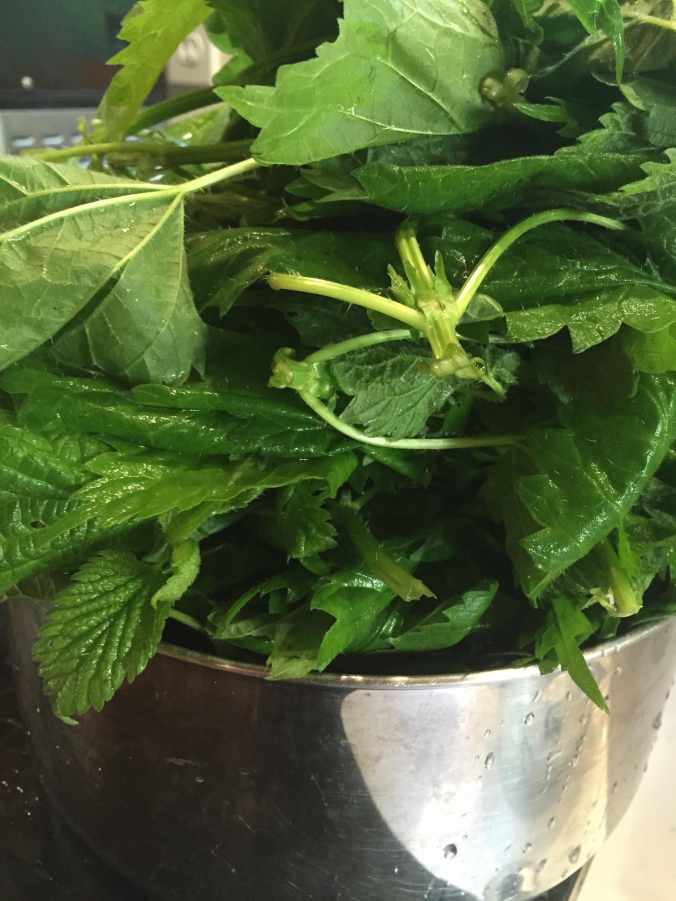
We all know that nettles come with an unpleasant sting if you brush up against the leaves. But with some care, a.k.a gloves and tongs, you can harvest wild nettles, steam them (this removes the sting in about 6 seconds), and have the foundation for one of the most nutritious greens you’ll ever have in your kitchen. Go forth and harvest these stingers, dry them or steam them up, puree them, bake them, or just put them in jars in your freezer for future use in the recipes I’ve collected below.
JPEG image-B6107D265C7F-1

1) Drying Nettles and the Basics: For starters, I want to link you to this great article on how to safely forage for nettles and also dry and store them. I’m a big believer in using all the naturally-edible natively-growing greens around you, rather than going to the store and buying greens grown elsewhere.

2) Nettle Beer: From what I’ve read, this is more like a wine. Easy to make, and quite tasty.

3) Nettle Chips: Move over kale! It’s time for us to embrace stinging nettle chips. These. Are. To. Die. For. (And I promise, you won’t die, you’ll just want more.)

IMG_8048 2

4) Stinging Nettle Fritters: These look incredibly delicious. I don’t have to say much more.

5) Stinging Nettle Mayonnaise: Want to add a bit of zing to your mayo? This is a recipe worth trying.
IMG_8718

6) Fermented Nettle Kimchi: We’re big kimchi makers and eaters. I just can’t wait to try this recipe this weekend. It’s right up our alley.

7) Black Strap Nettle Syrup: This ought to cure what ails you, yet another recipe that I know will come in handy for my family as we grow ever-closer to living off our land.

8) Wild Nettle Mini-Cakes With Strawberry Lemon Icing: If the name of this recipe doesn’t have your mouth watering, just check out the photos from this beautiful blog.

9) Nettle Recipes For Hair, Skin, & Nails: If you’re looking for a deep infusion of green to help bring you back into balance while providing nutrients for your hair, skin, and nails? This article is for you.

IMG_8727

10) Portable Allergy Tonic: Have troubles with seasonal allergies? This tonic promises relief.

11) Nettle Vinegar: This one caught my attention because we make all our own vinegars. Adding nettles makes a lot of sense, given their health benefits.

IMG_8054 2

12) Nettle and Lemon Cake with Blackberries and Lemon Icing: If you’re planning a birthday party for a child, this might be a great way to sneak in some greens! The lemon icing adds just the right zing to match the nettle color.

13) Wild Onion and Nettle Soup: We make this every spring and freeze as much as we can. This soup is just about as close as you’ll ever come to “drinking spring.”
IMG_1741

14) Fermented Nettle Tea: If you’re into all things fermented, why not nettles? Kombucha, move over!

15) Lentil and Nettle Curry: Seeing as Nepal is covered with nettles in spring, this dhal curry with nettles didn’t surprise me.
IMG_8038

16) Pizza with Garlic Cream and Nettles: OMG, you guys! This is so delectable, you have to try it. Just replace your hankering for basil with nettles here and you’ll want to repeat this recipe every week. I now freeze our excess-harvested nettles so we can have this all year round.

17) Nettle Crisps: Ok, so these are the same as the nettle chips, but it doesn’t hurt to try a slightly different recipe.

18) Nettlekopita: My friend, Rebecca, who is an amazing cook, makes this every spring and so I know it’s delicious. I just need to get over my sense that it’s time-consuming to make, because it doesn’t look like it from this recipe. My husband is Greek and I’d love to try this out on him.
IMG_8042

19) Wild Nettle Beer: I couldn’t resist linking you to another great recipe for a nettle home brew. This one was so well thought-out, I think a novice could make it.

20) Nettle Wine: I’m calling this one wine because, reportedly, it tastes more like wine. I love this article as it really spells things out clearly.

On a final note, I wanted to link you to a fascinating article, now that you’ve immersed yourself in mouth-watering nettlemania. It appears nettles have been used for millennia. Around 800 BC, nettles were used to make a silk-like fabric. Like flax, nettles were employed for their strong fibers for use in cloth-making. What uses have you come up with for this underdog wild stinging plant? We’re in awe of its properties and many uses, and excited to learn more about this superfood’s talents. Share what you know, and we’ll add it to the list.

Be An Agri-Tourist

BT0C2031

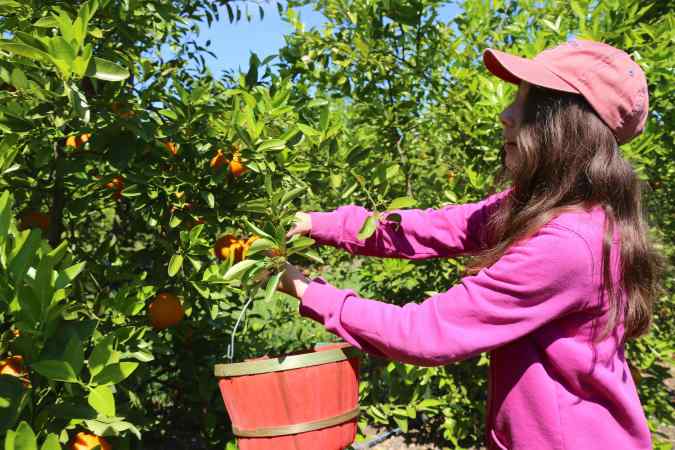
Enormous oranges littered the ground beneath the trees of a family-owned Florida citrus grove. The waste-not person in me thought, “They’re not picking them fast enough. What a shame.” But my thoughts were answered by the woman offering a farm tour.

BT0C2105

“Here at Dooley Groves, we leave all fallen fruit on the ground. It acts as excellent compost for the trees. Please don’t pick up any fallen fruit.”

BT0C2012

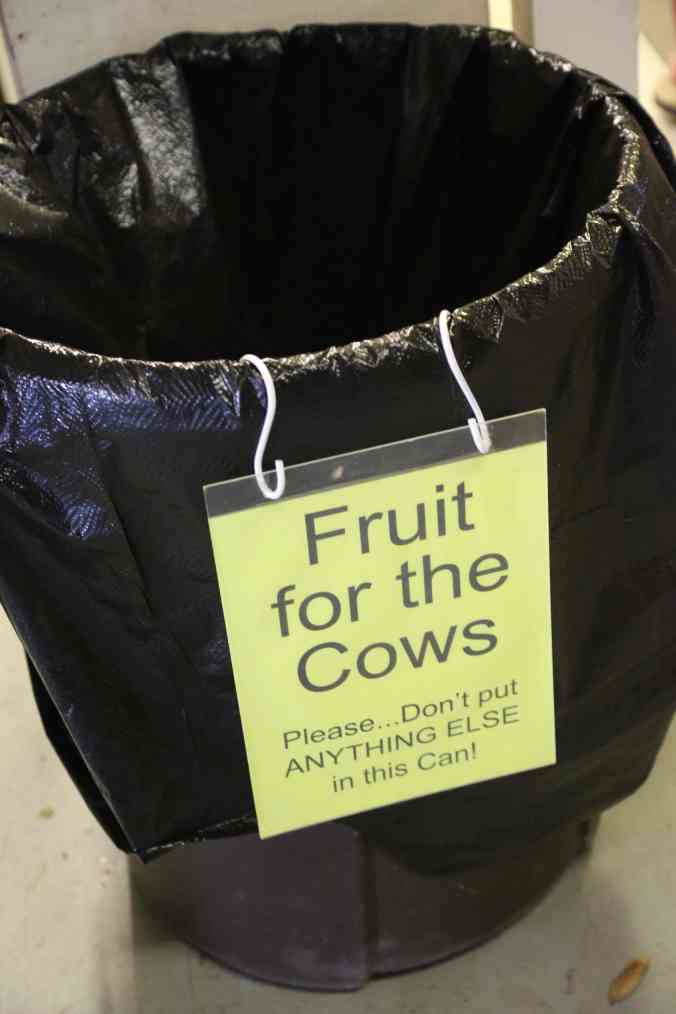
This tidbit of information was great to know, and my estimation of the farm promptly grew by several notches. And then I saw the cow barrel. Yes, they save all their citrus waste for the nearby cows who love it.

BT0C2121

We were instructed to not pick the green-bottomed fruit on trees as it’s affected by a disease that must be treated by steaming the tree at 125 degrees to kill the bacteria.

BT0C2006

A green-diseased orange.

There’s a machine they have at the grove that can steam two trees at a time. All they need is a few seconds of the steam and the bacteria is wiped out. What a huge investment, to fight a disease that has affected every grove in Florida for the past few years.

BT0C2112

But the steaming is well worth it, when you see the trees that are at risk, the yield from the grove and the products that come from it. I’m a big fan of citrus and the many wonderful things you can do with citrus peels.

BT0C2016

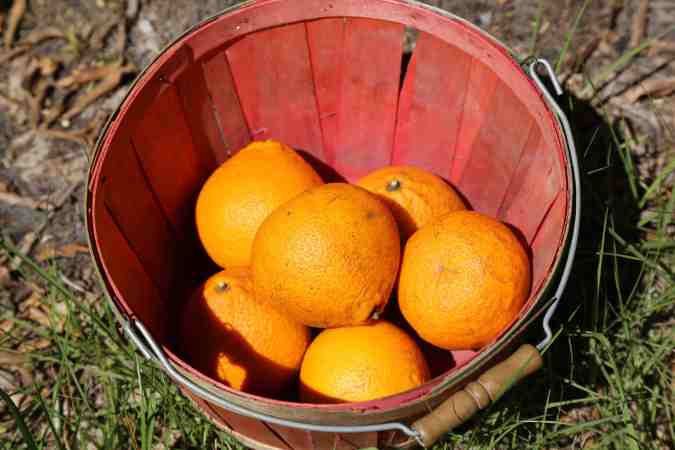
We love picking juicing oranges to use in our hand-lever juicer. This varietal is ripe when the oranges start to turn brown.

BT0C2124

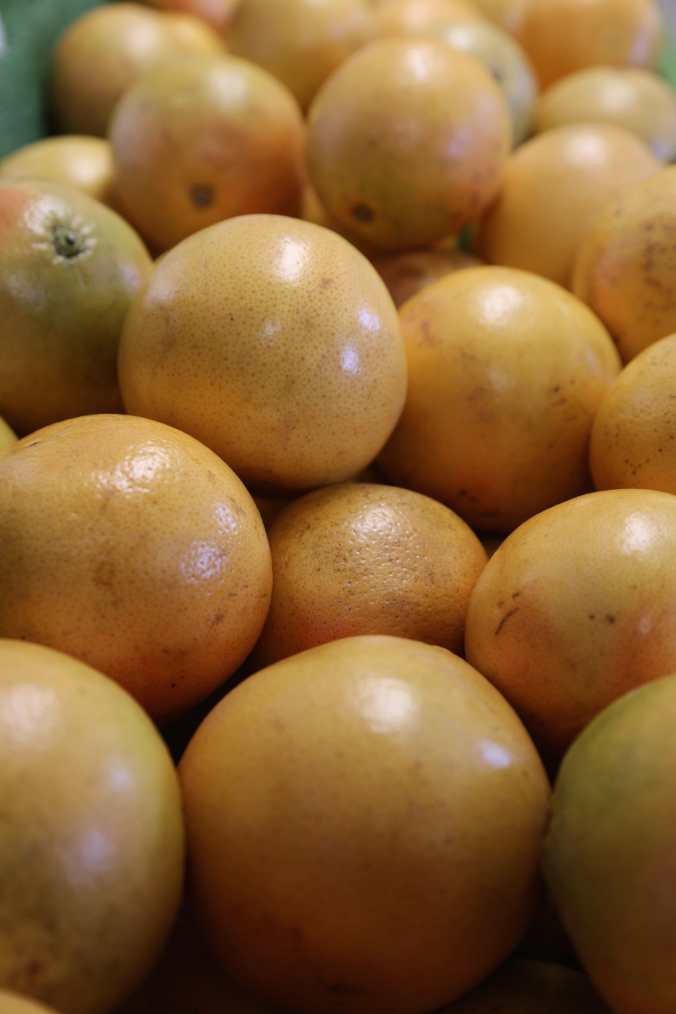
But the red grapefruit is spectacular.

BT0C2132

I had never been to a citrus grove until we visited one a few years ago with our children. I’m happy to know they have learned much about where their citrus comes from, a valuable lesson in appreciating food, how it’s grown and harvested, and how to support local agriculture wherever they are.

BT0C2101

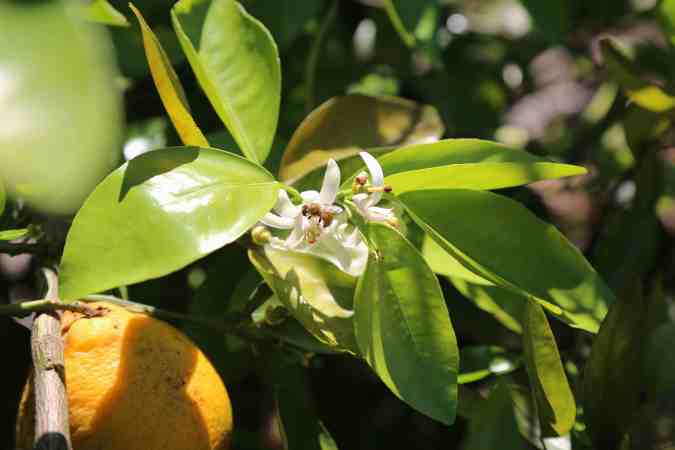
Walking through the rows of laden trees was such a privilege, with orange blossoms overwhelming the senses. Agri-tourism, especially on organic farms, is so important to support and take part in. Many of the groves we’ve visited recently are just barely making ends meet. Seeking them out and paying to pick your own fruit and veggies, is one of the best ways to support our farms.

BT0C2024

And the honeybees, of course, will thank you with their honey, later.

BT0C1993

What farms have you recently visited and enjoyed?

Find Your Wild Places

BT0C2139

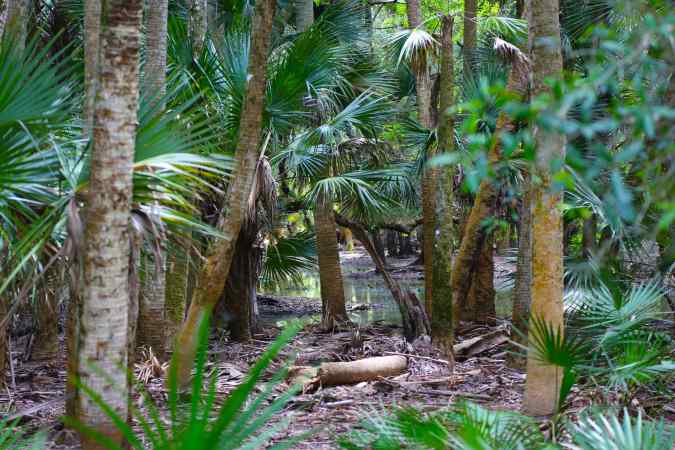
Hammock and swamp, left in their natural state in Myakka State Park. Photo © Liesl Clark

There are some places on Earth where it’s hard to know what the original local habitat used to look like, what the land should look like if we weren’t here. With all of our built-up neighborhoods, networks of roads, mini-malls, shopping centers, urban and suburban landscapes, even rural farmland sprawl can hide what the land truly could be if we simply left it alone.

BT0C2166

Spanish moss-covered canopy at Myakka State Park. Photo © Liesl Clark

Today, in the United States at least, many of these untouched places are only available in protected places, our national, state, and sometimes local parks, sanctuaries for fauna and flora alike. Whether you’re at home or traveling, I implore you to find your nearest wild places.

BT0C2152

Myakka River State Park © Liesl Clark

Seek these unfettered wildernesses out and help steward them by volunteering to keep them in their pristine state, or give money to help keep them wild.

BT0C2218.jpg

Great Egret on the banks of the Myakka River. Photo © Liesl Clark

We recently visited Myakka River State Park outside of Sarasota, while on a spring break trip to see Grammy. This beautiful park is the largest state park in Florida, and you won’t regret a visit as you’ll see more alligators, up-close-and-wild, here then just about anywhere.

BT0C2353.jpgBT0C2481.jpg

BT0C2544.jpg

The waterfowl here are stunning:

BT0C2460.jpg

Heron. Photo © Liesl Clark

BT0C2251.jpg

BT0C2287

You can travel by an air boat tour to view the wildlife, or gently glide through the waters in a canoe or kayak.

BT0C2169

Or, rent bikes right there at the park and pedal along the water or oak forests to view the undeveloped wildscape.

JPEG image-38241062E391-1.jpg

JPEG image-AC921E7FDE34-1

It’s like stepping back in time to a lost world.

JPEG image-1FFEA742803B-1

A wooden walkway takes you over the marshland to birdwatch from a pier that provides a vantage onto the open water and grasslands.

JPEG image-692DE8AE775C-1.jpg

JPEG image-3B57A82E54E2-1.jpg

Where grass meets sky. Florida’s original landscape. 

But perhaps most spectacular of all is the canopy walk, a chance to get up high above the trees and view the wilderness from the perspective of an egret, turkey vulture, or crow.

BT0C2745.jpgBT0C2734.jpgBT0C2670.jpg

Here, above the treetops, you can see so far you almost see the curvature of the Earth.

BT0C2639.jpgBT0C2665.jpgBT0C2673.jpg

Find your wild places. Define them, why they’re important to you. Help protect them. Visit them often and share them with your loved ones. BT0C2453.jpg

Before it’s too late.


In Praise of Simple Machines in the Kitchen

Back to basics with our morning joe. Photo © Liesl Clark

Simple machines in the kitchen and household are one of our secrets to living the pleasures of the simple life, decreasing our dependence upon electricity or fancy gadgets with many parts. The simple machine simply works. They’re the hand tools of old that we fall back on when modern conveniences break down, which they often do. Take the lever, for example. Pull a lever for mechanical advantage and you have the strength of Hercules.

When we arrived at Grammy’s Florida home with a 10-gallon bucket filled to overflowing with valencia oranges we had picked, I looked in her cupboard to find an electric citrus juicer.

Citrus Juicer. The plastic small appliance we can do without. Photo © Liesl Clark

“Great!” I thought, until I plugged the plastic thing in and found it didn’t work. Taking it apart to see if it needed a new fuse, etc. wasn’t something we had time for. So Grammy pulled out another juicer, the hand lever kind you pull down that squishes your halved oranges in seconds, and I knew she had found the better machine.

This beautiful, all stainless, citrus press is a thing of beauty. Photo © Liesl Clark

In minutes, we had lovely glasses of hand-lever-squeezed orange juice, all from the effort of a 10-year-old who wouldn’t relinquish the lever. I’m ready to invest in one now that I’ve discovered the joys of fresh squeezed, self-picked liquid gold. We currently use a ceramic citrus juicer at home which works really well, but the simple machine could cut our hand-rotating out completely, which makes sense for 4 cups of o.j. in the a.m.

Fresh OJ in seconds, and a lesson in simple machines. Photo © Liesl Clark

We’ve been on a mission, lately, to seek out these ingenious machines that provide mechanical advantage, putting force on an object like an orange with little effort. One-by-one, they’re replacing our small appliances.

Take the electric coffee grinder, for example. Nothing wakes up our household more abruptly than the sound of someone whirring coffee beans in an electric grinder. And when the electricity goes out, which it often does in winter on our Northwest island, we can’t have fresh ground coffee. Could we find an adequate coffee grinder that wouldn’t tap resources like electricity or fuel? I searched for months throughout the web and in antique shops for old-fashioned grinders and found some beautiful ones. But none got great reviews that I could trust and most wouldn’t grind the beans to espresso grade. I bought a camp-style one for my husband to take on his mountaineering expeditions. But it wouldn’t grind enough for a house full of groggy adults.

We then purchased a beautiful Persian grinder that also took ages to grind beans. We imagined in the warmth of some semi-arid desert, this grinder would fit nicely on the back of a camel but you’d need an hour or so each morning to get enough ground stuff for a decent cup of joe. It was promptly retired to pepper grinding.

Finally, we found a grinder that was the most simple design (by Stumptown) and can take a mason jar as its reservoir. This simple machine utilizes larger gears than the 2 grinders we had previously bought and it produces a fresh ground coffee perfect for my hubby’s stove-top espresso maker.

The best we could find, a modern version of an antique coffee grinder. Photo © Liesl Clark

Contrary to what Stumptown says on their website, my husband husband claims “it’s effortless” to grind the coffee. No workout, truly. And I can attest to the fact that it’s not too hard to grind your beans and it doesn’t take very long to produce the perfect grind for several cups of coffee and gives us peace-of-mind for power-free days at home. We use hand-grinder daily, in fact, power or no power.

Two minutes of grinding and you've got a fine espresso grind. Photo © Liesl Clark

Our toaster, too, is a simple camp stove version of placing your bread over your burner, because we’re on a mission to reduce our electric appliances so we can sustainably live off the grid. We haven’t owned a toaster for 5 years now and haven’t missed it one bit.

If you want to go caveman-style, you can even forgo your garlic press for a stone. Seriously, for us, the large pestle we brought back from Nepal is the best garlic crusher I’ve ever used.

So try your hand at using simple machines again. You’ll enjoy cutting back on your power dependence and feel like you truly earned that morning fix of java and o.j.

Zero Offset Vacation Days

Zero Offset Your Carbon-Heavy Vacation Travel with Days Spent at Sustainable Organic Farms. Photo © Liesl Clark

Let’s face it: Flying to Florida from Seattle isn’t the most carbon-free activity. But if we want to see Grammy, we have to go to her. She simply doesn’t fly.

Once we arrived in Florida, we dreamed up a few activities to help offset the jet fuel burn our family of 4 incurred. Hitting the beach, only 100 yards away, was easy — just throw a towel around your shoulders. But be sure to bring a bag for collecting plastics.

Plastics Retrieved En Route to the Beach. It's Easy To Do. Photo © Liesl Clark

Before reaching the beach, we filled our bag with lots of straws and straw sleeves found in juice boxes. Interestingly, we didn’t find too many plastics on the beach as I discovered, a day later, that 2 men drive along the beaches in a little golf cart with a trash picker and retrieve all the debris. I wondered why they couldn’t simply walk?

Here's one they missed. Sunglasses part on the beach. Photo © Liesl Clark

Every day, we filled a bag with plastics while walking along the sidewalks or shore. For our children, the incentive was finding something odd and different. A tiny working flashlight in the shape of an alien was the first day’s reward, then a cute plastic fish the next, and all types of plastic beach toys were recovered, too. We needed a shovel and it didn’t take long to find one. No lack of entertainment when you decide to do a bit of daily good and pick up the world’s plastics. And the Earth always gives back to our little scavengers in interesting ways. Plastic “swords” used in tropical drinks to hold fruit together washed ashore daily to the delight of my son, who started collecting them for his Lego characters.

McWashed Ashore. Sliced apples in a bag? Photo © Liesl Clark

The contents of a bag of McDonald’s apple slices found tucked in the dune vegetation became food for eager sea gulls.

Apple snacks. Courtesy of sea-borne McDonald's fare. Photo © Liesl Clark

In between hours of play amidst the waves and digging in the sand with our newly-found beach toys, it didn’t take much effort during our “plastics recovery” walks to fill a bag a day. If we all did this, just bent down and picked up the straws and plastic caps under foot, we’d feel like we did a form of good, helping to extract the plastics from our shorelines before they head back out to sea.

This leaf wasn't plastic, and it's a pleasure to see a stretch of sand that was plastic-free. Photo © Liesl Clark

But the greatest fun we had was visiting a local organic fruit grove. I spent a little time online and discovered a list of pick your own-type farms in our region and many are organic farms. We hopped in the car and drove inland about 16 miles to find an organic orange grove.

Get to know the places you vacation in a little better by picking local organic produce there. Valencia oranges are in season in February in Western Florida. Photo © Liesl Clark

The kids had never picked oranges and this experience is surely one they won’t forget. In the direct sun, the temperatures were in the 90s and we had to watch the ground for fire ants. With some long fruit picker poles in our hands, we ambled several rows of valencia orange trees into the grove and were overwhelmed by the sweet smell of orange blossoms.

Fruit Picking in Manatee County, FL. Photo © Liesl Clark

These fruit-laden trees grew in what loooked like pure sand, but they’re obviously getting the nutrients and water they need because the oranges are delicious and juicy. It took us 15 minutes in the hot sun to fill a 10-gallon bucket. And with the price of $10/bucket we walked away feeling we got the better end of the deal.

Bucket Full of Valencia Oranges. Photo © Liesl Clark

The children needed an ice cream cone to cool off, so we discovered another U-pick organic farm down the road. This one grew hydroponic strawberries — and we picked our fill of delicious sun-sweetened fruit.

Picking Strawberries at O'Brien Family Farm. Photo © Liesl Clark

And the ice cream cones, of course, were the perfect plastic-free end of day snack, a just reward for our zero offset vacation day efforts.

Ice cream cones are the original plastic-free treat. Photo © Liesl Clark

Why I Never Buy Lip Balm In Plastic Tubes

One of the more common items we find along shorelines, nationwide, are Chapstick tubes. Somehow they either fall out of pockets, cars, trash cans or are inadvertently left behind when we’re on outings so they make their way down to the water and float back in on the high tide. I’ve collected hundreds of these buggers from beaches — enough to turn me off plastic tube lip balm forever.

Reduce & Refuse: We try our best, now, to purchase lip balm in tin or wood containers. Or make it ourselves with our own beeswax. There are many non-plastic options on the market, like Earthwise Medicinals’ Wintermint Lip Balm.

Earthwise Medicinals’ Wintermint Lip Balm comes in cute tin containers, Photo © Earthwise Medicinals

The containers are small, attractive, and 100% recyclable. My children use the little wooden boxes of their favorite lip balm over and over again as specimen containers for archaeology outings. But they’d also make great kindling.

Repurpose and Reuse: So, if you have a Chapstick tube, what to do with it when you’re done with the balm?

1) Salt & Pepper Shaker for camping trips – Pour a little salt and pepper into clean empty tubes and toss in your bag for a little salt and pepper at work or whenever you are on the go eating.

2) Perfume refresher- Don’t have a travel size perfume? Soak a cotton ball in your favorite perfume (or essential oil) and stuff inside an empty lip balm tube. When you need a refresher, just remove the cotton ball and swipe on! Also great for tossing in a drawer for freshness, or even coat pockets when they are stored for the summer.

3) Instructables has a tutorial for making a tiny Chapstick tube LED flashlight.

4) Yours Truly, G recommends simply refiling your tube with homemade lip balm. They make excellent gifts, too.


5) Always wishing you had a spare plastic bag when you go grocery shopping? Make a travel plastic bag holder that attaches to your key ring!

6) A 7-year-old trash hacker designed a travel toothpick holder from a used lip balm tube.

7) Send a secret message to a friend inside your lip balm tube or turn it into a secret waterproof treasure map holder:

8) Store an emergency $100 bill inside your tube and put inside your purse, backpack, briefcase, glove compartment. But don’t forget about it.

Recycle: Most lip balm containers are made of #5 plastic, which is also used for things like yogurt and over-the-counter medicine bottles. Whole Foods, along with Organic Valley and Stonyfield Farm, has a Gimme 5 initiative that accepts #5 plastics in some stores. Check to see if there’s one in your area.

balm on the road.jpg

I know there’s a campaign out there, questioning whether any of us have actually fully used up our chapstick (before the chapstick tube somehow disappears). Well I have! And often. I’m one of those people who’ve used up plenty of ’em because lip balm is critical protection against the elements. High in the mountains in remote parts of the planet, lip balm is tantamount to survival. I’ve even attached lip balm to the outside of my pack or to a gizmo that goes around my neck so it’s always available, a lip balm necklace of sorts. Go to the mountains or desert sans lip balm and you quickly end up with blistery bloody lips that crack and ooze with a simple smile. Gross. And painful. So, use up your lip balm, and better yet, skip the plastic tube and bring it to your favorite places in nice metal or wooden containers.


Putting Chickens To Work As Compost Sifters

All of our animals have jobs that we feel they have to do to contribute toward the success of our little homestead. Sailor, our dog, keeps the deer and raccoons away. The cat, Willa, is our mouser. The bees pollinate our crops and produce honey. The worms produce beautiful fertilizer. Even the guinea pig, Gusteau, provides pellets that can go directly into our garden.

IMG_1050.jpg

Sailor the water dog works hard to tree coons and send the deer bounding away from our gardens.

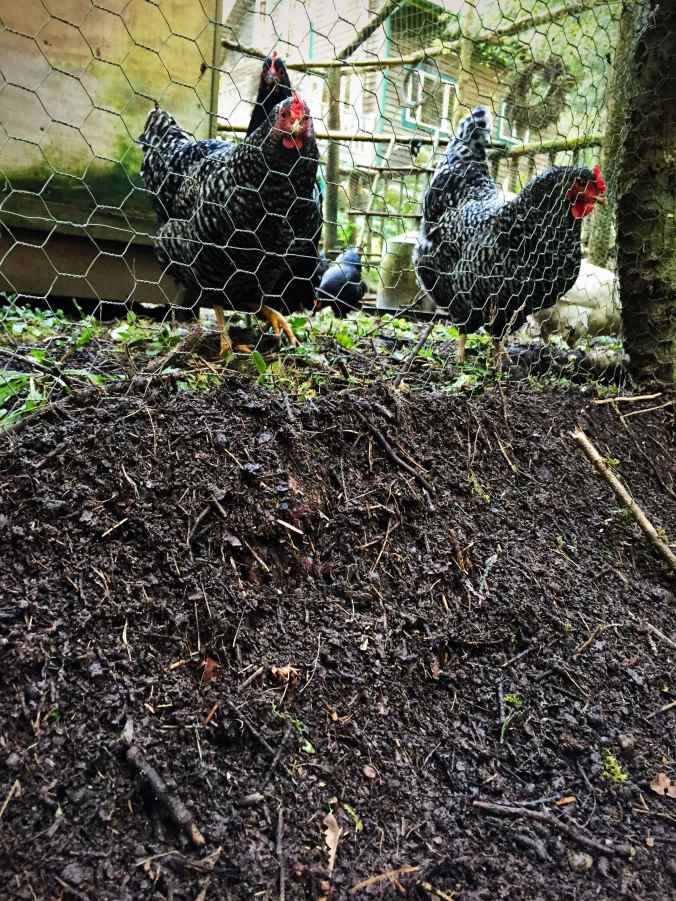
But it’s the chickens who are the true workhorses on our property. Of course, their eggs are a staple in our diet. But we use their chicken yard as a closed loop composting system where our weeds go in, the scratch them up, add their own fertilizer, and we excavate the yard throughout the year for the beautiful fertilized compost they provide. But here’s one more thing they do for us: The produce a perfectly-sifted specialty compost that we can scatter around our lawns and gardens that rivals any commercial compost out there.

JPEG image-BEC66CC15E25-1

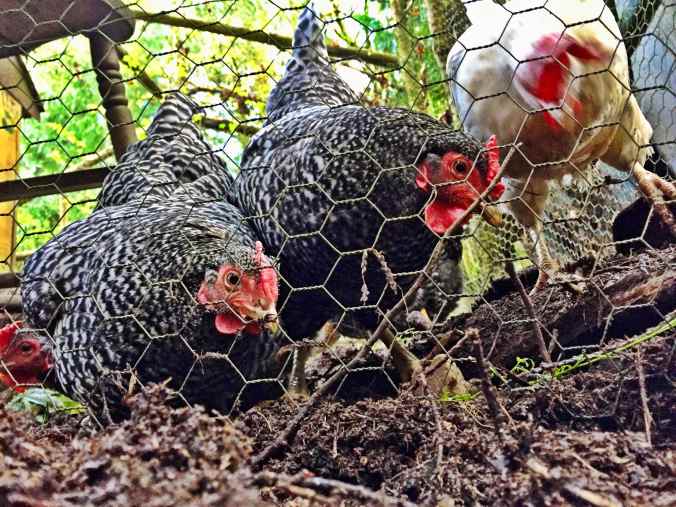
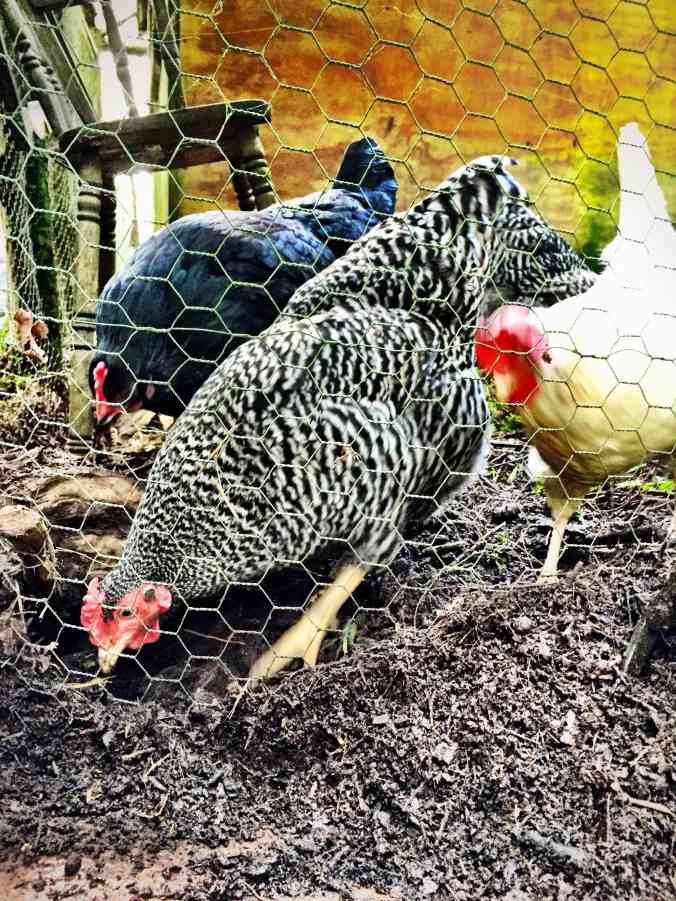
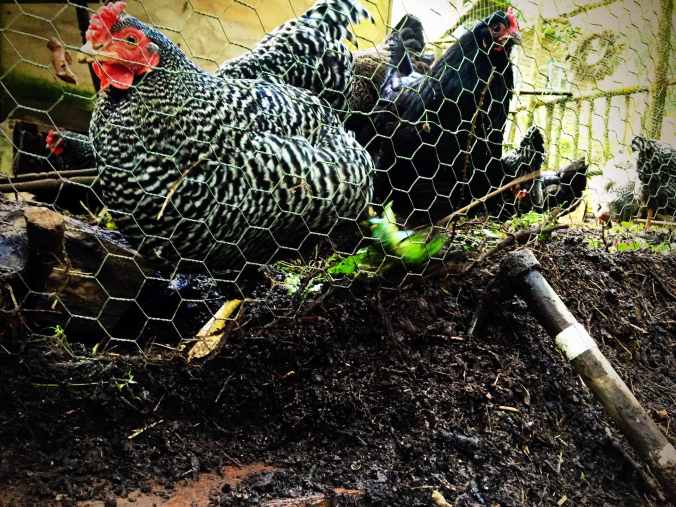
Here’s how it works. Their yard is penned in by 2-inch chicken wire, and it’s placed up on a hill where the backside of the hen yard has a 3-foot slope behind it. The chickens, daily, dig and scratch near the fence, constructing their dust baths and looking for tasty bits to peck at in the yard materials we throw inside.

JPEG image-CDFE1682BAAF-1

As their scratching activity breaks down the organic matter we throw inside their yard, their scratching serves to sift and push the small composted materials through the wire fence, which acts like a sieve. On the outside of the hen yard, we have a slope of pure black, composted and perfectly-sifted humus fertilizer, ready for the gardens and lawns.

JPEG image-47C9C709D7EE-1

All I have to do is show up with a bucket every few days, and collect the fluffy sifted compost to use around the property. Thank you, girls, for your hard work! We appreciate your efforts and contribution toward making the world’s most beautiful sifted compost there is.

JPEG image-D332AA69AD51-1

My Zero-Work Perennial Vegetables

I love my perennial veggies. My whole food garden, each spring, is designed around the little edibles that emerge, many as new unplanned-for surprises.

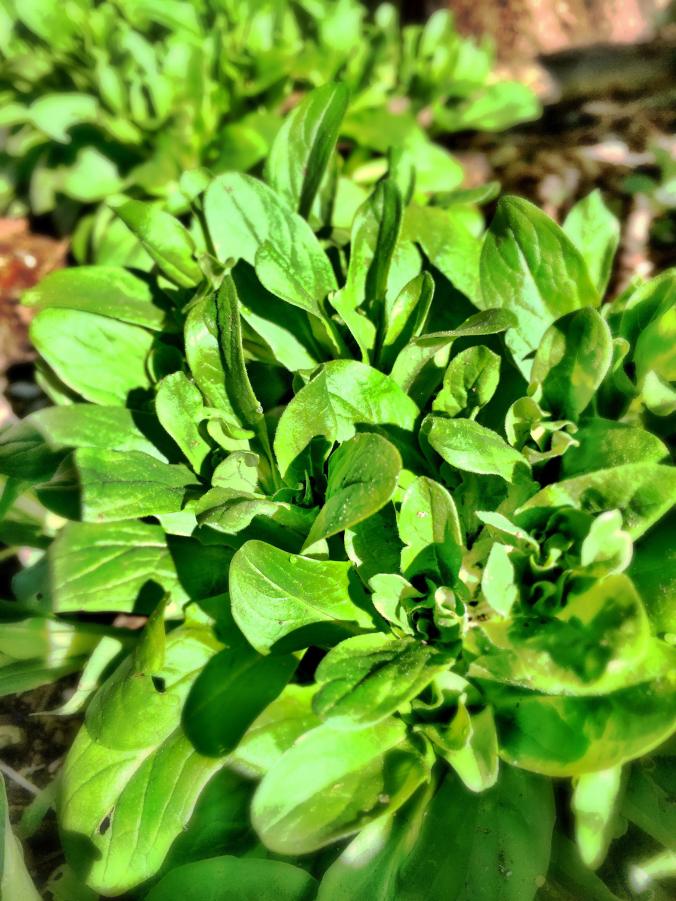
Corn mache is among the first edibles to appear in the garden. I let them go to seed each spring so they can come up around the garden next winter. If you haven’t tried corn mache, it’s a hearty salad green you’ve likely seen in fancy restaurants. It can be eaten as part of your raw salad or you can stir fry it. We also throw it in smoothies for an extra jolt of green veggie vitamins.

corn mache.jpg

Jerusalem artichokes: Plant them once and you’ll get them year after year as you’re sure to miss a few tubers during harvest. These can be harvested all winter long.

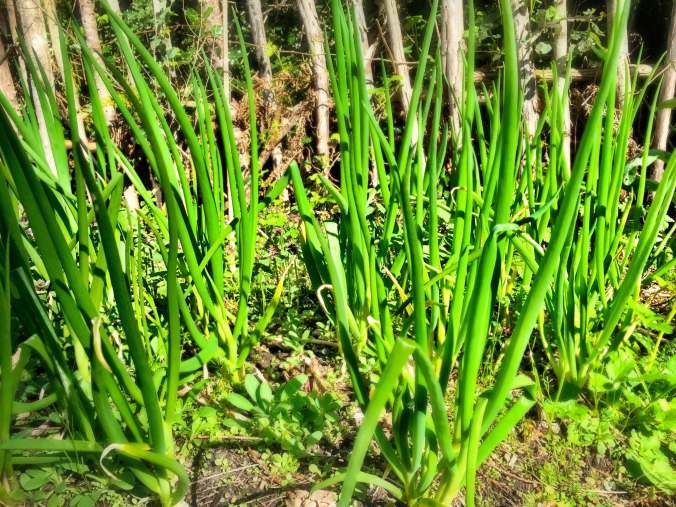
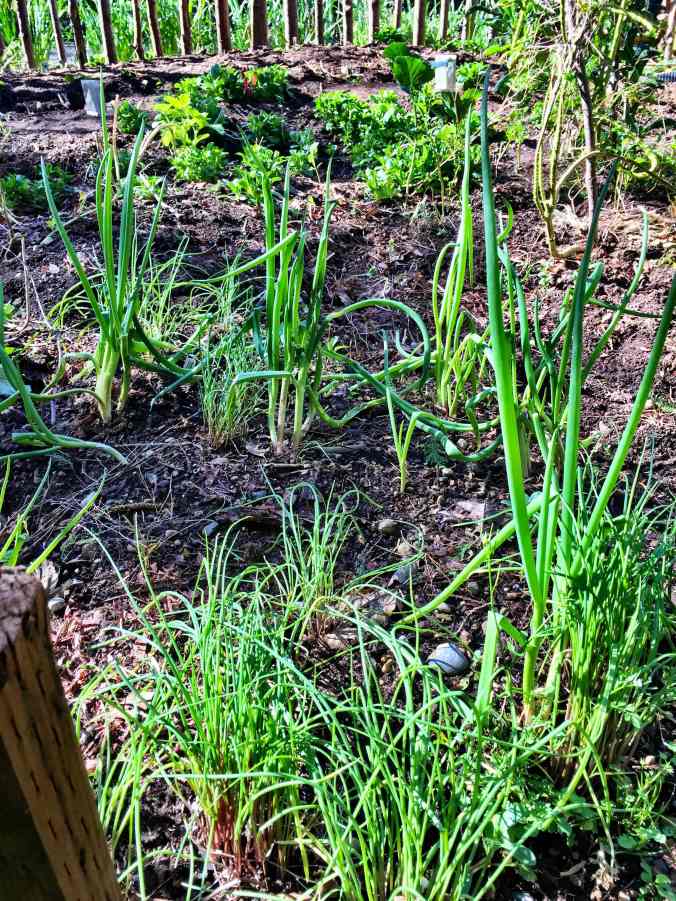
Walking onions: These are one of my favorite perennial veggies for the garden. They’re an heirloom variety of onion that produces a long scape with an onion flower on the end that turns into a bulb. Just let it reach for the sky and then bend over and plant itself right into the earth again, walking its way around your garden. This is why my garden changes design each year. I modify the shape and configuration of beds based upon where the onions have walked and where other vegetables have reseeded themselves. I simply weed around my perennial food.
You eat the walking onion greens, which are a full-bodied onion flavor, very strong, and can be used as an onion substitute in any recipe.

walking onions.jpg

Chives, Garlic, Shallots: Chives are a perennial, so just plant a row and they’ll reappear each spring. Put them in your perennial beds, too, as their beautiful allium-family purple-blue flowers add color to every garden. I also leave a few garlic and shallot heads in the garden to see if a few will sprout the next spring, and of course they always do.

chives

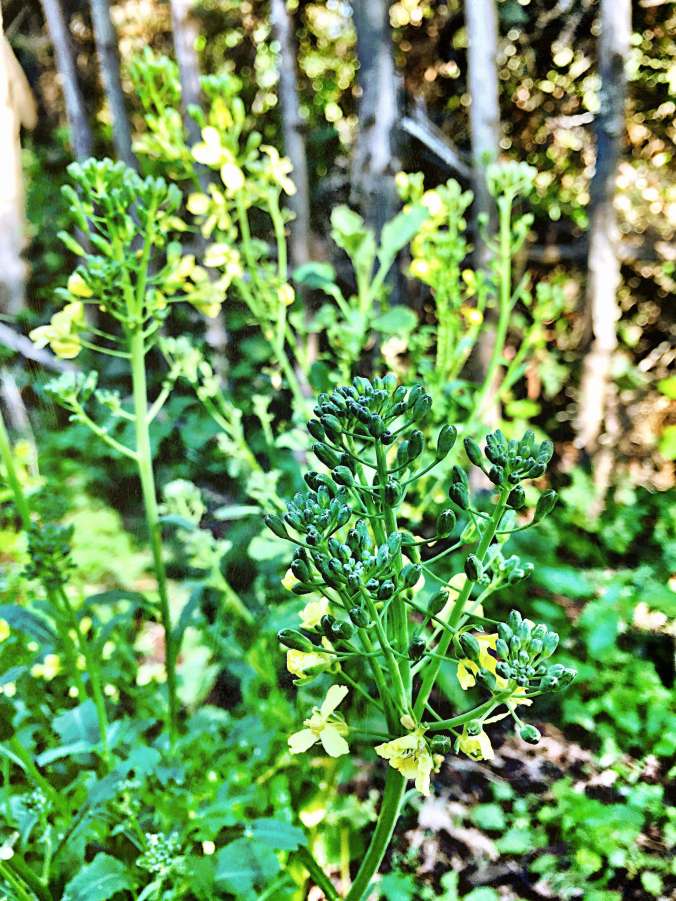
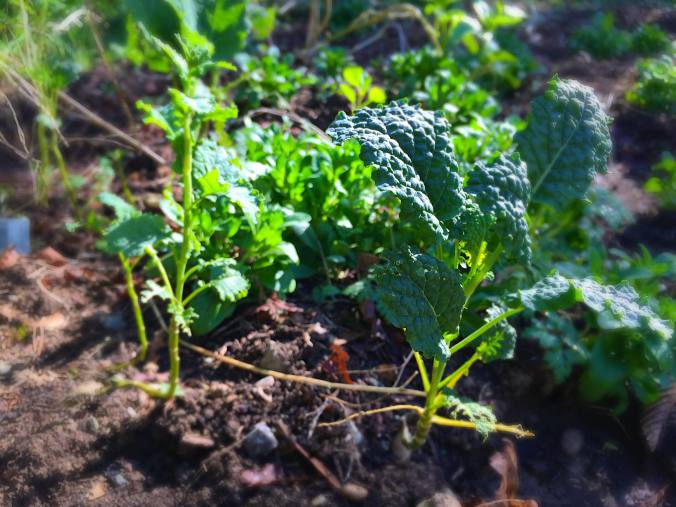
Brassicas: Here’s a confession — I have kale plants in my vegetable garden that are 2 and 3 years old. They look like dinosaurs but I just keep pinching them back and they keep producing leaves and little flower heads which are perfectly edible. They’re like mini broccolis and go beautifully in a frittata. Letting a few flower, too, adds color and pollen/nectar for our honeybees.

Brassicas.jpg

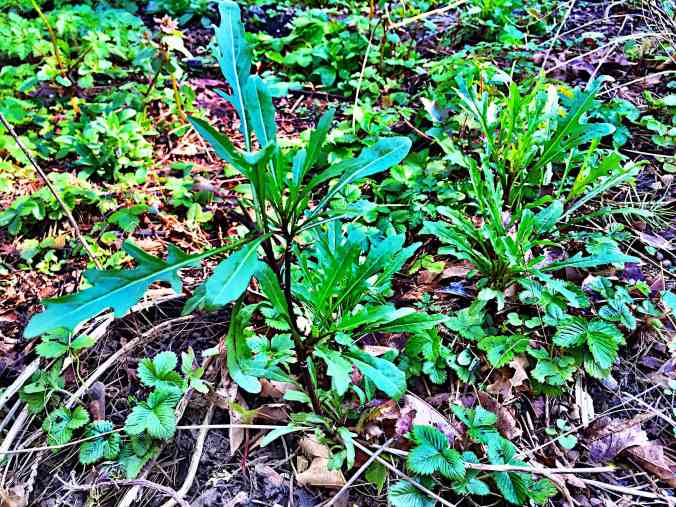
Arugula: You never have to replant arugula if you plant it once and let it go to seed. Just watch those seeds sprout next spring, thin them out, and you’ll have a hearty rocket salad in no time.

Arugula strawberries.jpg

Strawberries: As in all berries, they’re a fruit of the earth that will come back year after year. The photo above shows how I’ve left some arugula in with the strawberries to commingle with each other this season.

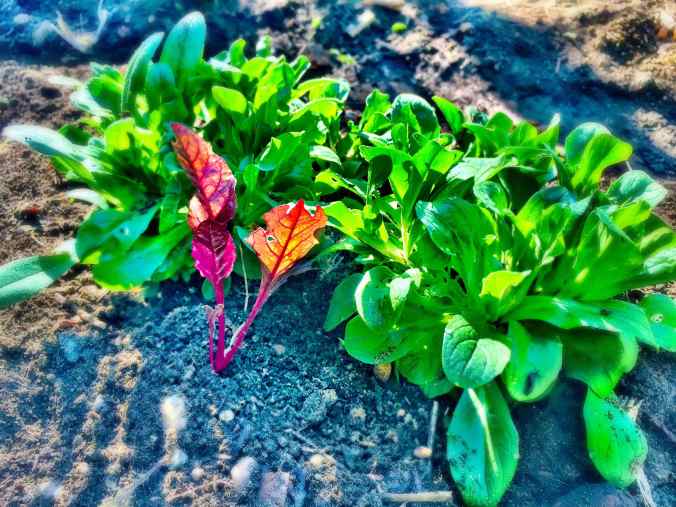
Swiss Chard, Kale, Collards: I put chard in the same category as my kale and collards. If I just let them go to seed and sprinkle all of the seeds around, a few hardy plants will come forth in the spring. Here’s a beautiful specimen that volunteered itself this spring, right in with some corn mache.

Chard.jpg

You never really need to buy kale, collard, or chard seeds if you just let them go to seed and replant themselves.

Kale2.jpg

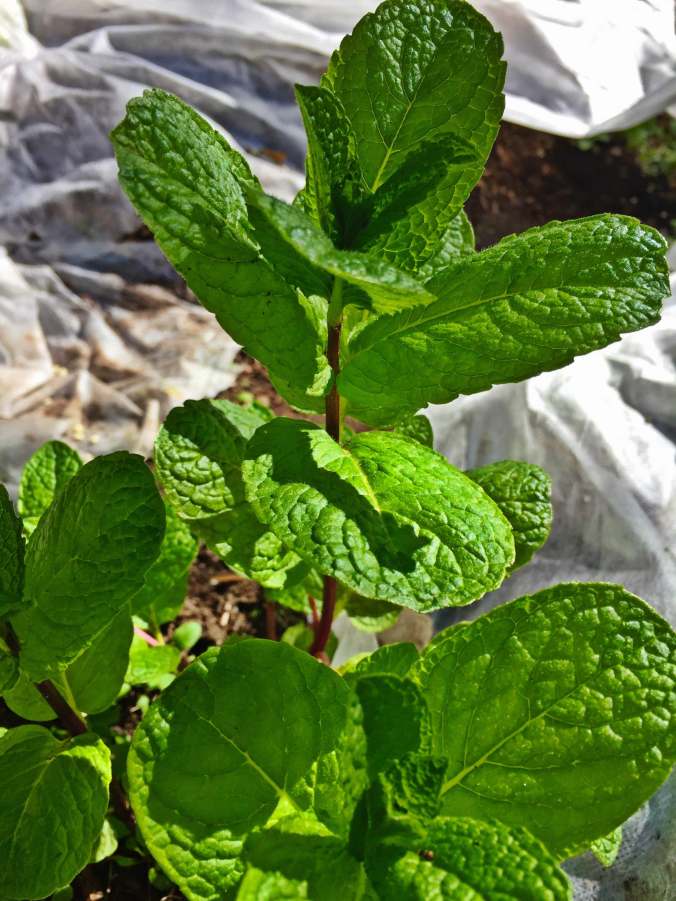
Mint: Mint always comes back, and you’ll likely have to whack it back a bit to prevent your whole garden from becoming a mintpalooza. Ours moves around a bit, but we let it stretch its legs because we’re perennial plant nurturers, and let our veggies do some walkin’ so they find their favorite spots to thrive.

Mint.jpg

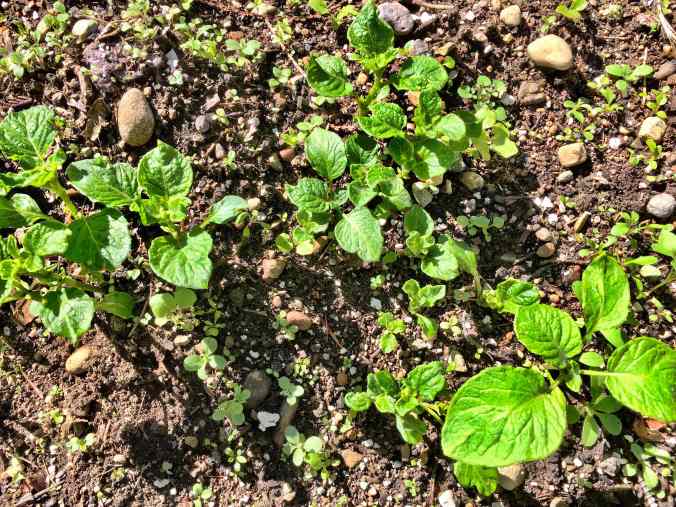
Potatoes: It goes without saying (but I’m saying it anyway) that when you plant potatoes, you’ll have them for life, in the same bed you originally planted them in. There will always be little taters you somehow missed during your harvest. And they’ll reappear next year to bring a smile to your face in the spring.

Potatoes

Asparagus: Another favorite. If you make the effort to dig a trench and get your asparagus planted, it’ll bring you joy each year once the plants are established.

Sorrel and Miners’ Lettuce: Two more heirloom category veggies that will rock your world. My friend, Rebecca, has these all winter long in her garden and she gladly shares her bounty with us. I never bother to plant them since she has so much to share. Check out her sorrel and miners’ lettuce pesto.

Rhubarb: Rhubarb is a vegetable, so I’m including it in my list of perennial veggies. Plant it once, and you’ll thank yourself for years to come. Rhubarb is versatile!

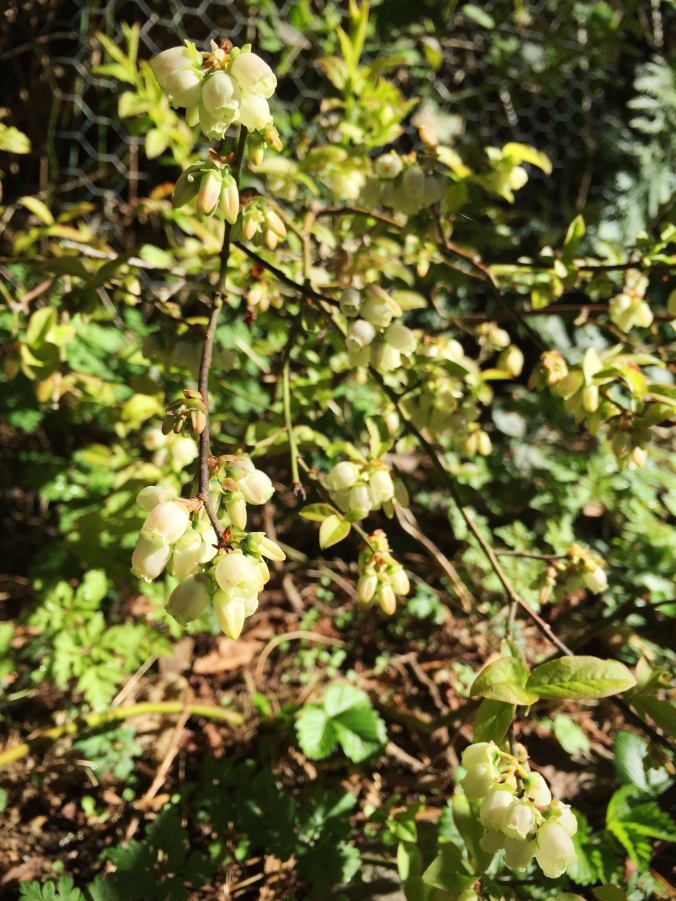
Blueberries.jpg

The welcome site of spring blueberry blossoms

So, enjoy your no-work perennial veggies. Your fruits, too, will come back year after year if you give them what they need (prunings, compost, water and love.) Our lives are so enriched by the blueberries, raspberries, kiwis, apples, plums, figs, blackberries, and gooseberries that ripen each year on our property. Veggies can, and will, do the same if you nurture them and allow them to find their sweet spot in your garden to flourish.


Why I Never Buy Trash Bags

A friend of mine recently asked me what to do when she had something stinky in her trash, like meat packaging. She often has to empty her smelly trash and waste a whole plastic trash bag because her bag is only half full.

I responded, a bit sheepishly, telling her to just skip using bin liners/trash bags altogether. We haven’t used or bought trash bags in years. What’s the point of using them if your trash is headed to a landfill anyway? Why send it all wrapped up in yet another piece of plastic that won’t ever disappear from the planet?

IMG_480807111-4

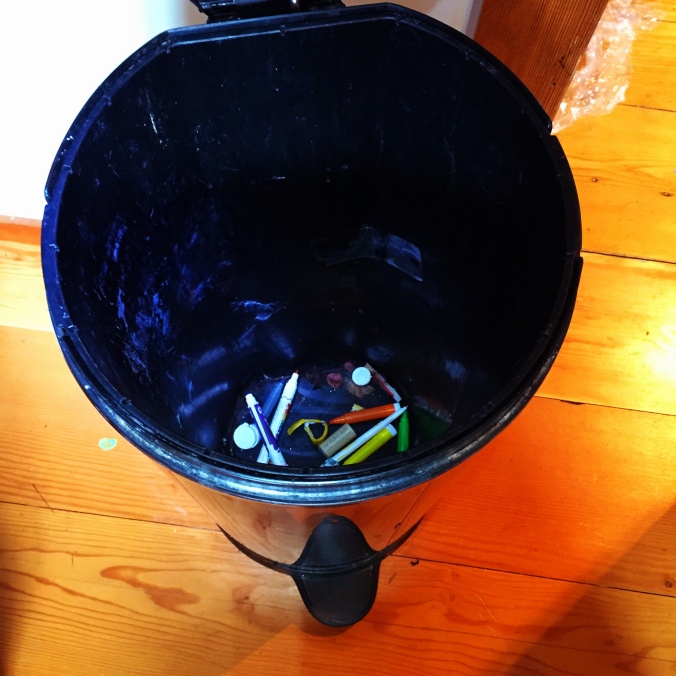
Here’s what’s in our trash bin, just outside the kitchen. 1 family’s solid waste for a week. The Magic Markers are about 10 years old, but they’ve finally bit the dust. 

We generate very little trash and since we compost all of our organics, our solid waste is truly solid and clean dry waste. It’s mostly made up of plastic packaging for a few things our kids just love, tortilla chips, the occasional clamshell strawberry holder, pens, plastic bottle caps. It all goes into our trash bin that’s in our laundry room, away from our everyday lives because when we throw things away, very occasionally, we truly want the children to work hard to throw it “away,” whereas the compost and recycling is all in the kitchen.

IMG_480807111-2

Where we throw things “away.” It’s around the corner, trash bag-free! We can remove the black plastic circular bin and wash it. Looks like it needs a good wash, ahem. 

We fill a large trash can about once every 3-6 months. Neither does our kitchen bin need a tall trash bag, but we also don’t line our trash can with a plastic bag either. The clean dry waste just gets packed into the can and it’s taken to our transfer station when it gets full. Why pay for weekly pickup when you only generate a handful of plastic each week? I’m amazed, always, to see that it’s 100% plastic in there, as our textiles, shoes, organics, metal, wine corks, and batteries, which make up the rest of our trash, are all recycled.

IMG_480807111-1

My friend, Lissa, could throw her old styrofoam meat trays and attendant plastic packaging in her freezer until she accumulates enough trash to fill her trash can. Then, she can dispose of her trays, stink-free. She could also take a container to her favorite store where she buys meat and ask the butcher to put the meat right in there for her. No need for the store’s packaging. I’ve done it a few times here on Bainbridge Island at our local store, with no problem. But we don’t eat meat very often any more, if at all.

IMG_480807111-3

I talked to a local garbage worker once about whether they cared if the trash was all in plastic trash bags or not. He said it didn’t make a bit of a difference to them, because they throw the trash into the maws of the truck and a crusher then smashes it down inside the truck. The filled plastic bags often break open anyway, with the help of the crusher.

So, think about going plastic-trash-bag-free. It’s yet another form of plastic you can easily eliminate from your shopping list and garbage can. Wash your trash can out every so often. In Europe, most people I know don’t use a bin liner. It’s time we took heed and followed suit, to reduce our plastic footprint.

Are you willing to give it a try and let your waste get all naked and go trash-bag-free?


Can I Recycle Broken Glass, Wine Glasses, Drinking Glasses, Window Panes?

We’ve broken a couple of wine glasses lately and although I knew our recycling facility in our home town won’t take glass from wine or drinking glasses, I thought I’d look up the reasons why. According to Washington State’s Department of Ecology: “The combination of ingredients used to make glassware is different from what goes into container glass for bottles and jars. If these two types of glass are recycled together, the resulting glass will not be suitable for container glass. In fact, glassware, ceramics, window panes, or mirrors can pose a threat to equipment in a glass recycling plant.”

So that’s our answer for wine glasses, and likely the answer for all glass recycling facilities. We don’t want to contaminate the glass used for containing food. But if you break your mason or mayo jar, you can still put it in your glass recycling. It’s the material that counts, not whether it’s broken. I simply put the glass shards inside another jar that I’m recycling, as tightly as I can, so it all just melts down together.

So, for the non-recyclable glass, here are a few reuses I came up with that also might help:

1. Will anyone else take your broken drinking glasses? If they’re made of pretty colors, you might try a local potter or ceramics artist since glass mixed in with other glazes can make pretty colors in a firing.

2. Have windows that you want to recycle? Try your nearest Habitat for Humanity Store or save them and turn to our Trash Backwards app for window reuse inspirations:

3. If you have a tumbler hanging around, save your broken glass to make your own tumbled sea glass.


4. Recycle This in the UK has some interesting reuse ideas, like using your broken glass under your wood shed to deter rats!

5. Take the stem of your broken wine glass and glue it to the bottom of a teacup for a pretty teacup wine glass.

6. If your wine glass only has a chip or crack in it, or if it’s etched from your dishwasher, you can transform it into an adorable tea candle lamp. And if your kitty breaks enough of your wine glasses, then you can make a whole set of ’em.

7. Put your glass shards in the bottom of a plant pot to help with drainage?

What do you do with your broken glass? Send us your comments below or if you have a great solution you’d like to include in our app, please submit it through our contributor’s page.