Reducing Waste on Earth Day One School at a Time

Schools love Earth Day because it’s a kid-friendly time of year to educate and celebrate Mother Earth while taking stock on how we’re measuring up with our waste footprint. A couple years ago, we took the opportunity to audit 2 schools’ waste on Earth Day week, and the impact of the exercise has huge potential. But it’s up to the schools themselves to learn from the experience and find easy ways to change their collective behavior.

This article walks you through an informal audit that can take as little as 1 hour to conduct, if you have a few hands to help. We’ve also cut a short video to inspire you to do your own waste audit in the classroom with the kids. It’s hilarious, because it involves our trash, and enlightening at the same time.

1) Weigh the trash that the school is planning to throw away. In this case, we had 2 weeks’ worth of one school’s trash. There are approximately 45 students and 6 staff in the school.

A Carload of Trash = 2 Weeks' Worth of One School's Waste.

Total Trash Headed to the Landfill = 23.31 lbs.

2) Start sorting! Can anything be diverted? Start with recyclables. This school recycles, but there’s always room for improvement. We found a lot of recyclable paper and plastic in the trash.

We sorted 2 bags'-worth of recyclables out of the landfill-bound trash.

Total Recyclables Diverted from the Landfill: 9.24 lbs.

3) Are there any organics, meaning compostable materials in the trash? Remove them from the trash, pile them up, and weigh them. This school has a Bokashi composter, but there’s always room for improvement.

Compostables Found in the Trash.

Compostable matter is a resource! Put it back in the earth by composting it or sending it to the worm farm.

Throwing away a dried-up plant and soil? We put the soil and plant in the compost and the 4" pot can be reused.

Total Compostables Diverted from the Landfill: 6.27 lbs.

4) Are there any reusable items in the trash? Separate them out and weigh them. A lot of pencils, some clothing, and bookmarks were recovered from the trash for donation to an organization that needs these items.

These pencils can be reused. Photo © Liesl Clark

Total reusable items: 5.76 lbs.

5) Are there any polyethylene plastic bags in the trash? Separate them out and weigh them. We found 45 totally clean trash bags in the waste.

Mount Polyethylene. Photo © Liesl Clark

Total plastic bags: 1.16 lbs.

6) Are there other specialty recycling items in the trash, like scrap metal, batteries, printer cartridges, and styrofoam peanuts? They don’t need to go in the trash.

Packing Peanuts Can Be Recycled at UPS or Freecycled.

Total speciality recycling items: 0.52 lbs.

7) Are any of the compostable items good for chickens to eat? Separate them from the trash and weigh them.

Chicken Vittles, Courtesy of School Lunch.

Total chicken bucket items: 0.36 lbs.

8) Now re-weigh your trash headed to the landfill.

Final Landfill Tally? 3.76 lbs.

Total Trash Headed to Landfill Post-Sort: 3.76 lbs.

That’s a diversion of 19.55 lbs. or 2 and 3/4 trash bins-full. We pay $4.00 per trash can of waste at our transfer station. This waste audit saved the school (or the school’s volunteer who takes the trash to the landfill) $11.00. In one year, that’s a savings of $286.00. For a small school, that’s a significant savings!

How can we keep our school waste down in the future? Here are some simple recommendations that any school can follow to reduce their landfill waste:

Recommendations

1) If your school doesn’t have a composting program in place, consider starting one or a worm bin. Failing that, a parent volunteer who has a farm or garden will happily take your organic waste away for their own compost. See your organics as a resource!

2) Place a small recycle and compost bin next to every landfill trash bin in your school. This way you give everyone a CHOICE.

3) Clean and wet paper towels can be recycled. Place a recycle bin in the bathrooms for this along with a sign reminding people that the bin is for their clean and wet paper towels. Or better yet, lose the paper towels and switch to cloth ones. This school did.

4) Set up specialty recycling containers where appropriate. For example, a plastic bag recycling spot should go in every classroom and in the lunchroom and kitchen. A school volunteer can come and pick up the plastic bags once a week and take them to the grocery store for recycling. I’ve happily done it for our children’s schools for years.

Do the same for other items such as batteries and printer cartridges. These items should never be put into the landfill. Your community will have a recycling location for them, or look “batteries” or “printer cartridges” up in our Trash Backwards app. Staples takes printer cartridges worldwide and most municipal recycling programs have a safe disposal location for batteries.

5) If your school has a pencil sharpening area, place a can near the sharpener for collecting shredded pencil bits for the compost. Also place a donation can for the small pencils that your teacher might want you to throw away. Children at our libraries in Nepal would love those pencils, or let the students take them home for their homework. The image below, shows a yellow pencil stub my son found in a schoolyard outside one of our Magic Yeti Children’s Libraries in Nepal, lined up with the pencils we sorted out of a school’s waste yesterday:

Yellow pencil found in a schoolyard in Nepal vs. the pencils (and shapeners) discarded in a 2-week period by one US school.

The pencils can go to good use in the hands of kids who have no pencils in Nepal.

These discarded colored pencils will bring joy to children living at 14,000 feet in the rainshadow of the Himalaya. Trash. Backwards.

6) Each classroom could have a reuse bin for students to throw items (like the discarded pencils) that others could take for reuse or donation. Some students might be able to use a plastic container that might otherwise be thrown away, for example.

7) Set up a chicken bucket in the food-eating areas. You’ll likely have a family or 2 that have chickens. Getting the students involved in seeing their food waste as a resource for another animal is a good thing. The families can switch off chicken bucket pickup each week. We use a galvanized bucket decorated by our children for our chickens.

6) Be aware of what’s headed to the landfill monthly and set community goals to reduce even further. If your cleaning service doesn’t empty the trash bags but simply removes a bag no matter how much waste is in it and replaces it with another, you might recommend they pour the trash from all your waste bins into a single bag, to conserve plastic trash bags.

This trash bag only had a single dry paper towel in it.

If they use single-use swiffer dusters, perhaps invest in a reusable micro-fiber swiffer duster.

If your school laminates a lot. Consider going lamination-free. Laminate is a non-recyclable plastic, is costly, and isn’t the most healthy material for children to be handling on a daily basis. Using reusable plastic sleeves might be a more sustainable option.

8) Educate parents and students about food packaging used in school lunches. Plastic snack packaging was the single-most thrown-out item in this school’s landfill waste. Encouraging students and staff to find plastic-free options will make a large dent in your overall waste bill. Students, when made aware that plastic is forever, often prefer plastic-free lunches. A popular option to suggest is a “pack it in, pack it out” policy for school lunches, putting the waste onus on parents and students, not the school. Parents can then see what their kids are truly eating, or not, and modify their portions and lunch choices accordingly, saving money and waste.

Single Most Common Item in Landfill Trash = Snack Wrappers.

Have you found this information useful? Share it with others, especially your school!

Mermaid’s Tears For Earth Day

By Finn Clark when he was age 9 (With Some Help from his Mom)

Last Friday was Earth Day at our school, a Montessori school called Voyager, and we created art from plastic my family found on the beaches of Bainbridge Island and the Olympic Peninsula. For the past 2-3 months, we have collected plastics that we find on our shorelines and in parking lots and watersheds, stream beds and estuaries headed toward the sea.

For our spring break, we camped at Second Beach, in Olympic National Park, and were amazed at the amount of plastic washing ashore from the Pacific Ocean’s waves. My little sister and I collected plastic for about an hour and hardly made a dent in the plastics spread across the sand.

When we woke up in the morning little bits of plastic seemed to sparkle along the high tide line, thousands of tiny shards and pieces worn and broken down by the action of the waves. Plastic can’t decompose, it just gets smaller and smaller until it becomes a thick soup in our waters. But the most disturbing pieces of plastic are miniscule nurdles, little round white discs, that are the raw plastics used to make anything that is plastic. One scientist went to hundreds of beaches around the world and found nurdles on every beach he studied, even on beaches in countries where plastics aren’t manufactured. Some people call them “mermaids’ tears,” and I think that’s a good name because they make me sad, too.

They’re toxic, sadly, as they act like a sponge, absorbing persistant organic pollutants (POPs) like DDT and PCB that are afloat in our waters. The yellower the nurdle, the more toxic it is.

We brought the larger chunks of plastic to our school for Earth Day and made 4 panels of art, following the rainbow spectrum of colors, to show people that every color imaginable is found on our favorite beach. Now that art will be hung at our school to remind us that maybe we should rethink the plastics we use everyday and find better alternatives that will biodegrade or break back down naturally into the environment.

My mom and her good friend, Rebecca, are trying to provide solutions to this problem of plastic in our environment, one piece at a time. That’s what a whole website, called Trash Backwards that Rebecca and my mom created is about. The most common things we find on the beaches, the straws, pens, plastic bottle caps, toothbrushes, and fireworks are a few of the items they’re researching and trying to find non-plastic alternatives for us all to use.

What common items have you found on your beach, in your parking lots, or sidewalks? Tell us, list them below, even a single word will do, and we’ll start researching non-plastic alternatives so we can live lives a little less plastic in the future.

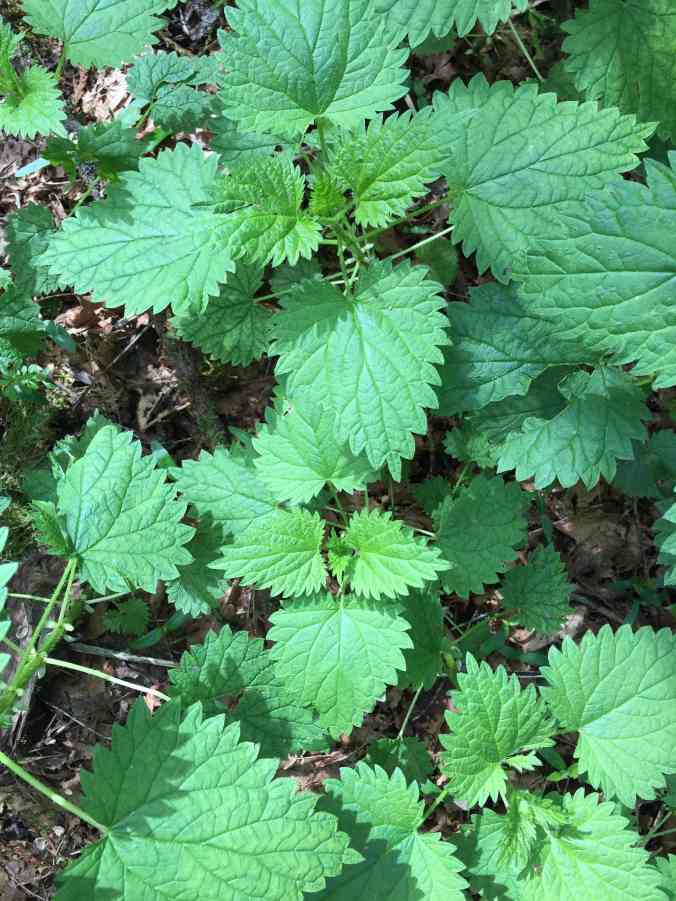
20 Nettle Uses: A Forest Superfood

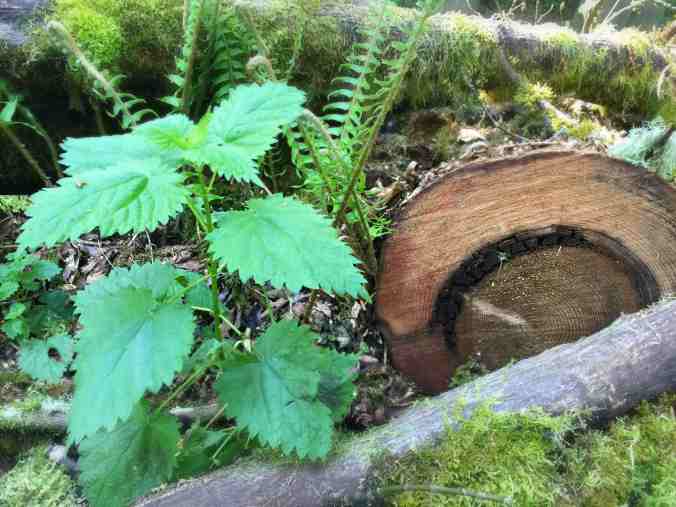
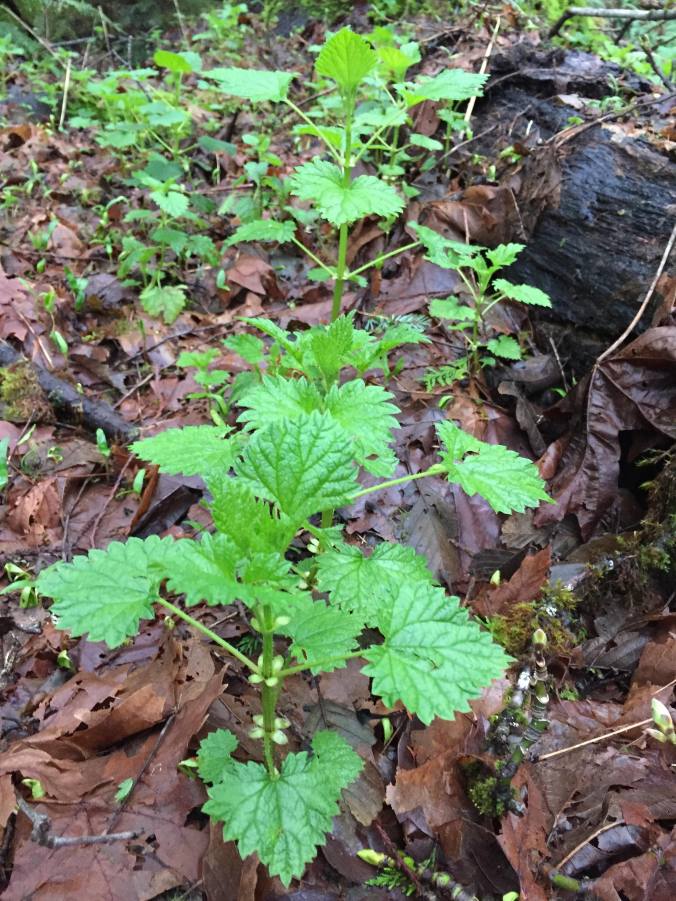
There’s likely no other wild plant that marks the beginning of spring growth than the wild nettle, urtica. Urtica is a forest superfood, full of vitamins and health benefits that can alleviate allergies, dry scalps and skin, and a long list of diseases that I’ll simply link you to here since Mother Earth News has it covered.

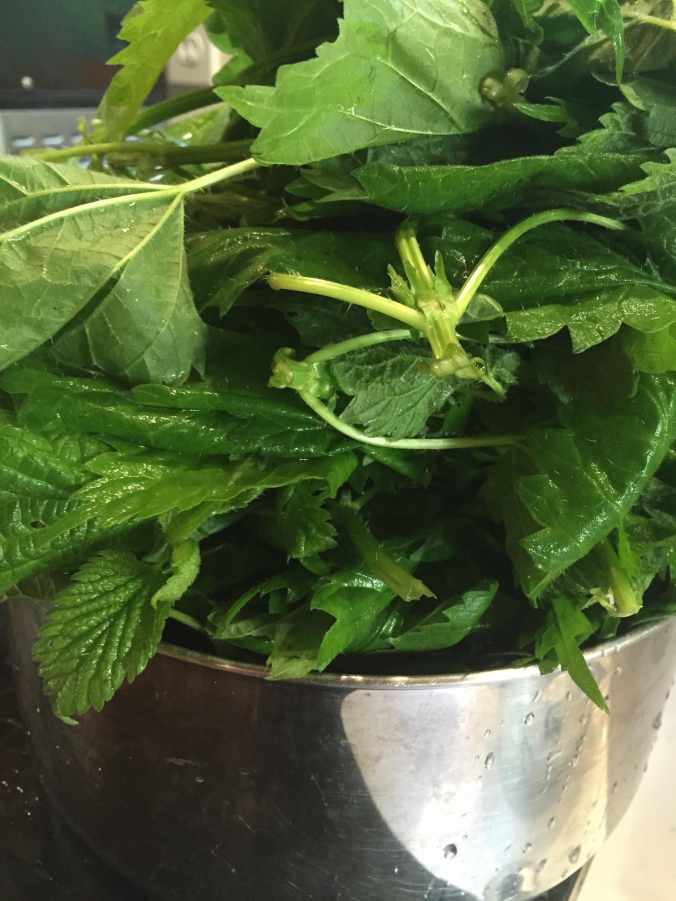
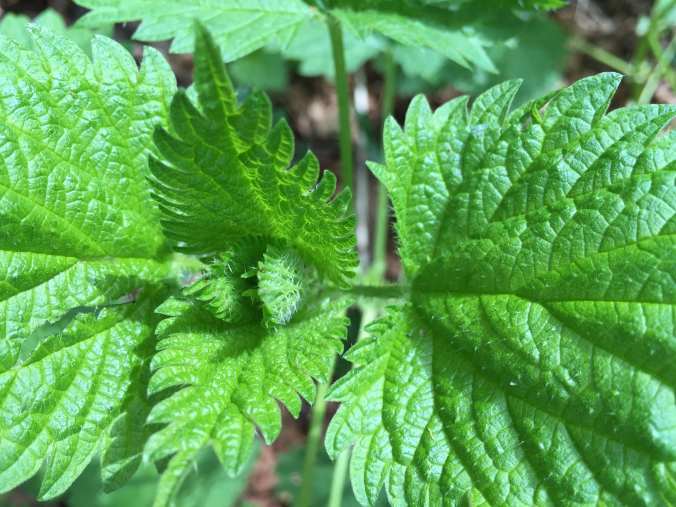
We all know that nettles come with an unpleasant sting if you brush up against the leaves. But with some care, a.k.a gloves and tongs, you can harvest wild nettles, steam them (this removes the sting in about 6 seconds), and have the foundation for one of the most nutritious greens you’ll ever have in your kitchen. Go forth and harvest these stingers, dry them or steam them up, puree them, bake them, or just put them in jars in your freezer for future use in the recipes I’ve collected below.

JPEG image-B6107D265C7F-1

1) Drying Nettles and the Basics: For starters, I want to link you to this great article on how to safely forage for nettles and also dry and store them. I’m a big believer in using all the naturally-edible natively-growing greens around you, rather than going to the store and buying greens grown elsewhere.

2) Nettle Beer: From what I’ve read, this is more like a wine. Easy to make, and quite tasty.

3) Nettle Chips: Move over kale! It’s time for us to embrace stinging nettle chips. These. Are. To. Die. For. (And I promise, you won’t die, you’ll just want more.)

IMG_8048 2

4) Stinging Nettle Fritters: These look incredibly delicious. I don’t have to say much more.

5) Stinging Nettle Mayonnaise: Want to add a bit of zing to your mayo? This is a recipe worth trying.

IMG_8718

6) Fermented Nettle Kimchi: We’re big kimchi makers and eaters. I just can’t wait to try this recipe this weekend. It’s right up our alley.

7) Black Strap Nettle Syrup: This ought to cure what ails you, yet another recipe that I know will come in handy for my family as we grow ever-closer to living off our land.

8) Wild Nettle Mini-Cakes With Strawberry Lemon Icing: If the name of this recipe doesn’t have your mouth watering, just check out the photos from this beautiful blog.

9) Nettle Recipes For Hair, Skin, & Nails: If you’re looking for a deep infusion of green to help bring you back into balance while providing nutrients for your hair, skin, and nails? This article is for you.

IMG_8727

10) Portable Allergy Tonic: Have troubles with seasonal allergies? This tonic promises relief.

11) Nettle Vinegar: This one caught my attention because we make all our own vinegars. Adding nettles makes a lot of sense, given their health benefits.

IMG_8054 2

12) Nettle and Lemon Cake with Blackberries and Lemon Icing: If you’re planning a birthday party for a child, this might be a great way to sneak in some greens! The lemon icing adds just the right zing to match the nettle color.

13) Wild Onion and Nettle Soup: We make this every spring and freeze as much as we can. This soup is just about as close as you’ll ever come to “drinking spring.”

IMG_1741

14) Fermented Nettle Tea: If you’re into all things fermented, why not nettles? Kombucha, move over!

15) Lentil and Nettle Curry: Seeing as Nepal is covered with nettles in spring, this dhal curry with nettles didn’t surprise me.

IMG_8038

16) Pizza with Garlic Cream and Nettles: OMG, you guys! This is so delectable, you have to try it. Just replace your hankering for basil with nettles here and you’ll want to repeat this recipe every week. I now freeze our excess-harvested nettles so we can have this all year round.

17) Nettle Crisps: Ok, so these are the same as the nettle chips, but it doesn’t hurt to try a slightly different recipe.

18) Nettlekopita: My friend, Rebecca, who is an amazing cook, makes this every spring and so I know it’s delicious. I just need to get over my sense that it’s time-consuming to make, because it doesn’t look like it from this recipe. My husband is Greek and I’d love to try this out on him.

IMG_8042

19) Wild Nettle Beer: I couldn’t resist linking you to another great recipe for a nettle home brew. This one was so well thought-out, I think a novice could make it.

20) Nettle Wine: I’m calling this one wine because, reportedly, it tastes more like wine. I love this article as it really spells things out clearly.

On a final note, I wanted to link you to a fascinating article, now that you’ve immersed yourself in mouth-watering nettlemania. It appears nettles have been used for millennia. Around 800 BC, nettles were used to make a silk-like fabric. Like flax, nettles were employed for their strong fibers for use in cloth-making. What uses have you come up with for this underdog wild stinging plant? We’re in awe of its properties and many uses, and excited to learn more about this superfood’s talents. Share what you know, and we’ll add it to the list.

Be An Agri-Tourist

BT0C2031

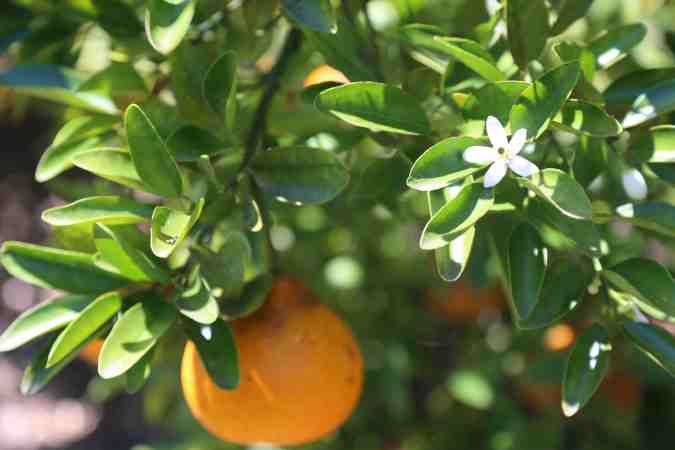
Enormous oranges littered the ground beneath the trees of a family-owned Florida citrus grove. The waste-not person in me thought, “They’re not picking them fast enough. What a shame.” But my thoughts were answered by the woman offering a farm tour.

BT0C2105

“Here at Dooley Groves, we leave all fallen fruit on the ground. It acts as excellent compost for the trees. Please don’t pick up any fallen fruit.”

BT0C2012

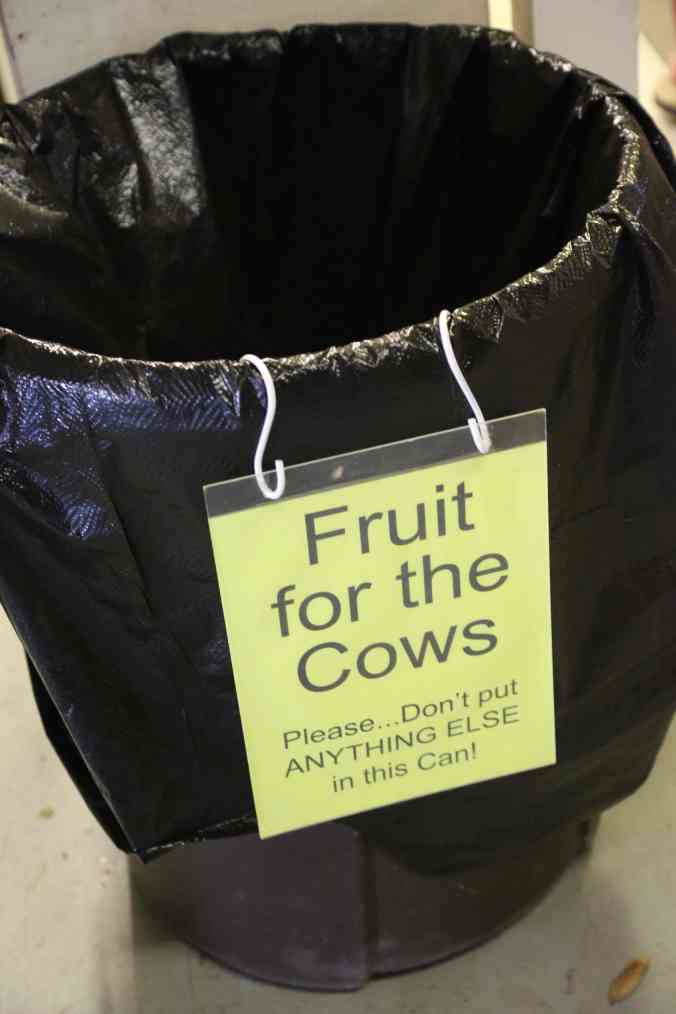
This tidbit of information was great to know, and my estimation of the farm promptly grew by several notches. And then I saw the cow barrel. Yes, they save all their citrus waste for the nearby cows who love it.

BT0C2121

We were instructed to not pick the green-bottomed fruit on trees as it’s affected by a disease that must be treated by steaming the tree at 125 degrees to kill the bacteria.

BT0C2006

A green-diseased orange.

There’s a machine they have at the grove that can steam two trees at a time. All they need is a few seconds of the steam and the bacteria is wiped out. What a huge investment, to fight a disease that has affected every grove in Florida for the past few years.

BT0C2112

But the steaming is well worth it, when you see the trees that are at risk, the yield from the grove and the products that come from it. I’m a big fan of citrus and the many wonderful things you can do with citrus peels.

BT0C2016

We love picking juicing oranges to use in our hand-lever juicer. This varietal is ripe when the oranges start to turn brown.

BT0C2124

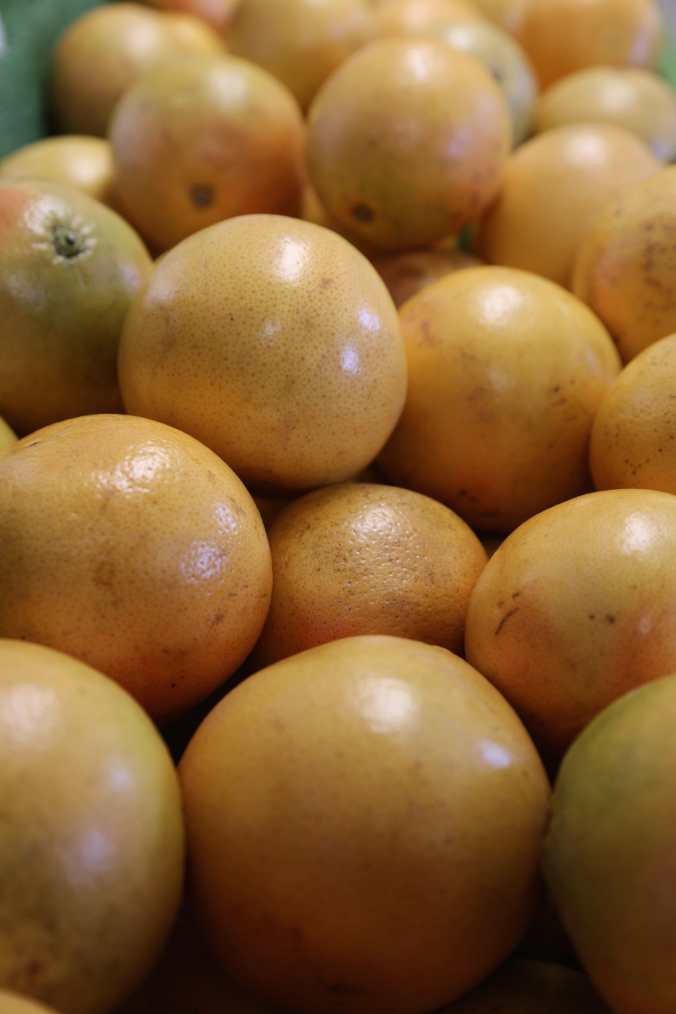
But the red grapefruit is spectacular.

BT0C2132

I had never been to a citrus grove until we visited one a few years ago with our children. I’m happy to know they have learned much about where their citrus comes from, a valuable lesson in appreciating food, how it’s grown and harvested, and how to support local agriculture wherever they are.

BT0C2101

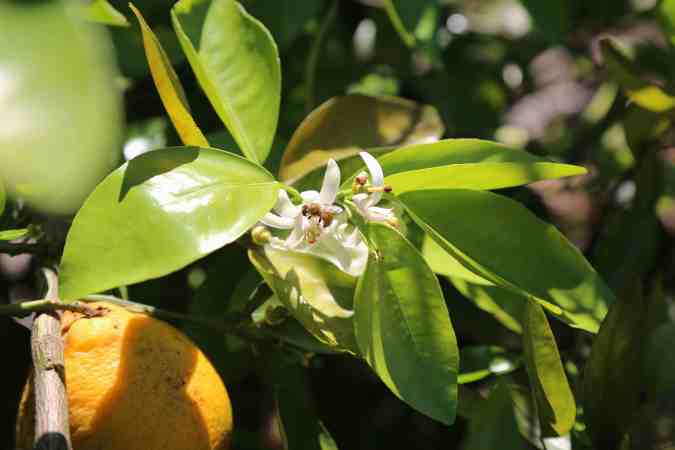
Walking through the rows of laden trees was such a privilege, with orange blossoms overwhelming the senses. Agri-tourism, especially on organic farms, is so important to support and take part in. Many of the groves we’ve visited recently are just barely making ends meet. Seeking them out and paying to pick your own fruit and veggies, is one of the best ways to support our farms.

BT0C2024

And the honeybees, of course, will thank you with their honey, later.

BT0C1993

What farms have you recently visited and enjoyed?

Find Your Wild Places

BT0C2139

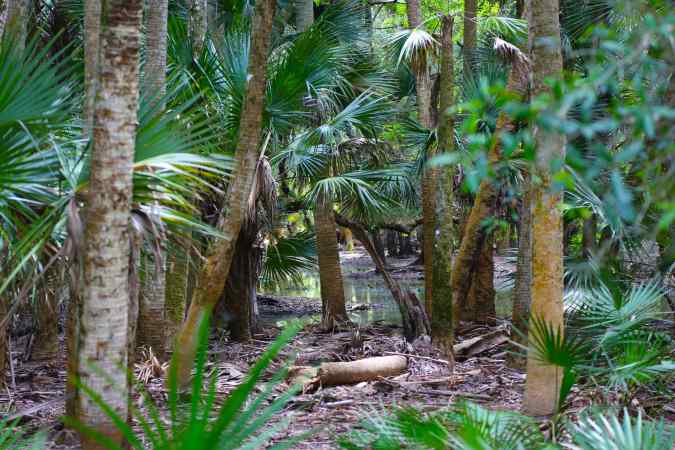
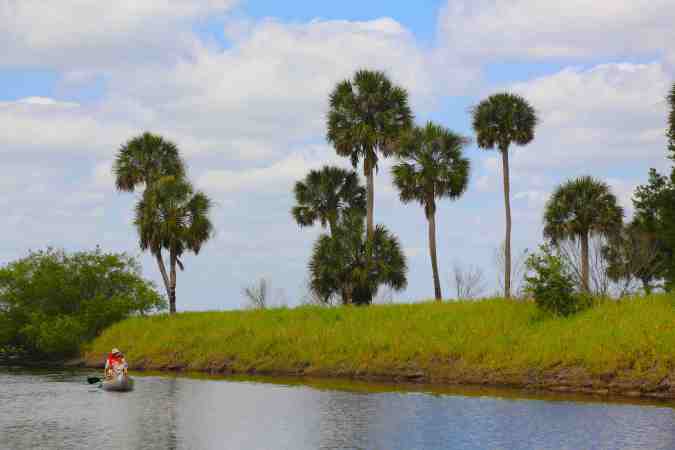
Hammock and swamp, left in their natural state in Myakka State Park. Photo © Liesl Clark

There are some places on Earth where it’s hard to know what the original local habitat used to look like, what the land should look like if we weren’t here. With all of our built-up neighborhoods, networks of roads, mini-malls, shopping centers, urban and suburban landscapes, even rural farmland sprawl can hide what the land truly could be if we simply left it alone.

BT0C2166

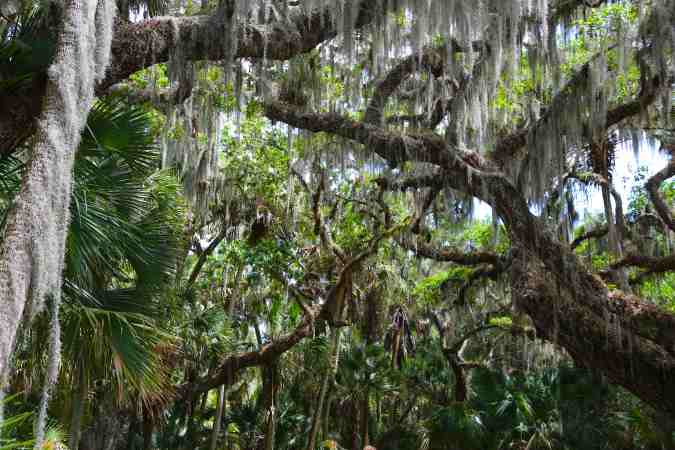
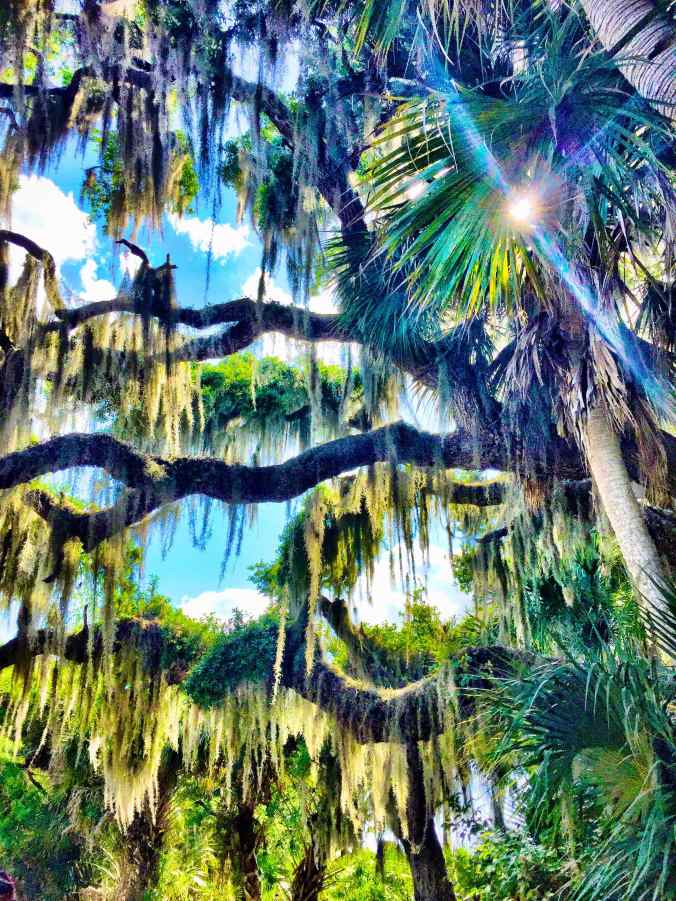
Spanish moss-covered canopy at Myakka State Park. Photo © Liesl Clark

Today, in the United States at least, many of these untouched places are only available in protected places, our national, state, and sometimes local parks, sanctuaries for fauna and flora alike. Whether you’re at home or traveling, I implore you to find your nearest wild places.

BT0C2152

Myakka River State Park © Liesl Clark

Seek these unfettered wildernesses out and help steward them by volunteering to keep them in their pristine state, or give money to help keep them wild.

BT0C2218.jpg

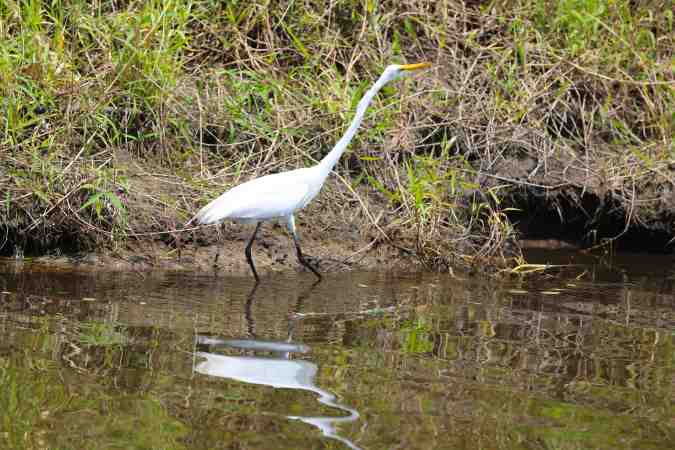
Great Egret on the banks of the Myakka River. Photo © Liesl Clark

We recently visited Myakka River State Park outside of Sarasota, while on a spring break trip to see Grammy. This beautiful park is the largest state park in Florida, and you won’t regret a visit as you’ll see more alligators, up-close-and-wild, here then just about anywhere.

BT0C2353.jpgBT0C2481.jpg

BT0C2544.jpg

The waterfowl here are stunning:

BT0C2460.jpg

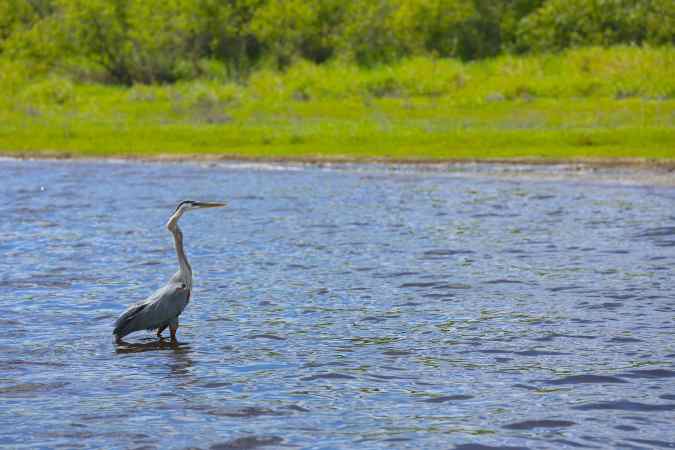
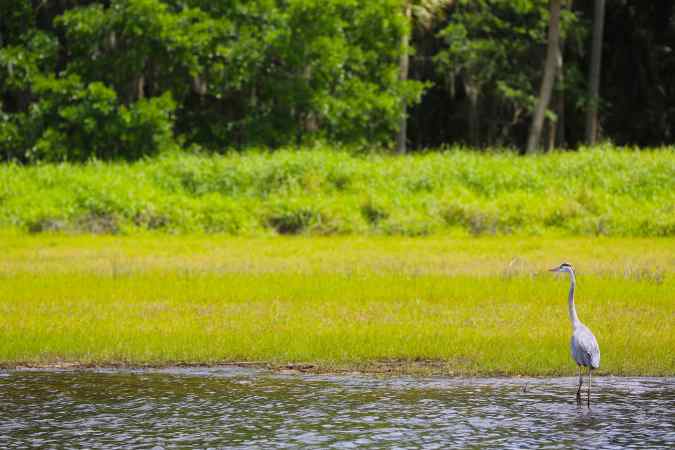
Heron. Photo © Liesl Clark

BT0C2251.jpg

BT0C2287

You can travel by an air boat tour to view the wildlife, or gently glide through the waters in a canoe or kayak.

BT0C2169

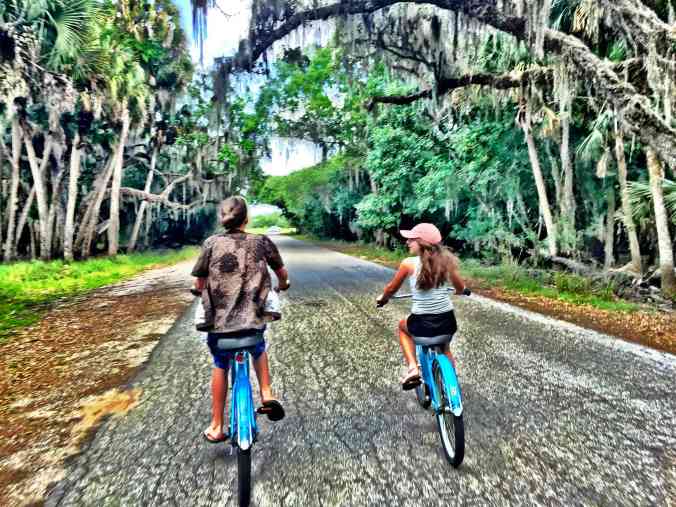
Or, rent bikes right there at the park and pedal along the water or oak forests to view the undeveloped wildscape.

JPEG image-38241062E391-1.jpg

JPEG image-AC921E7FDE34-1

It’s like stepping back in time to a lost world.

JPEG image-1FFEA742803B-1

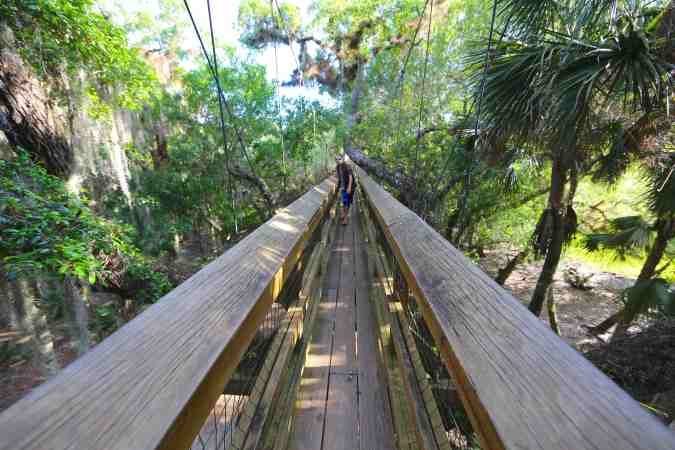
A wooden walkway takes you over the marshland to birdwatch from a pier that provides a vantage onto the open water and grasslands.

JPEG image-692DE8AE775C-1.jpg

JPEG image-3B57A82E54E2-1.jpg

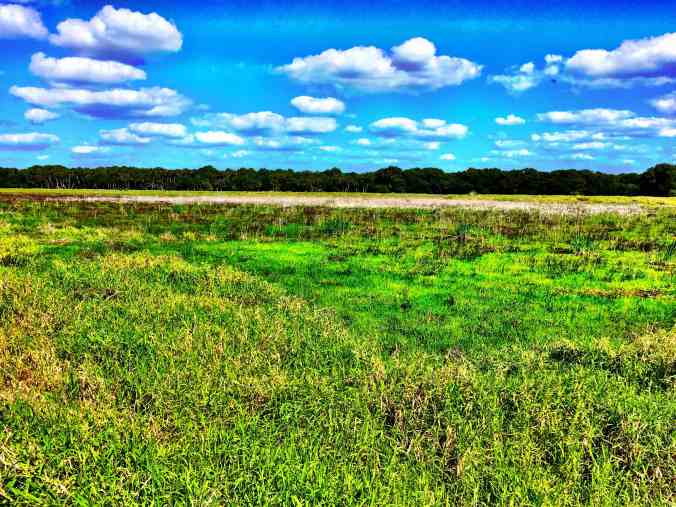
Where grass meets sky. Florida’s original landscape. 

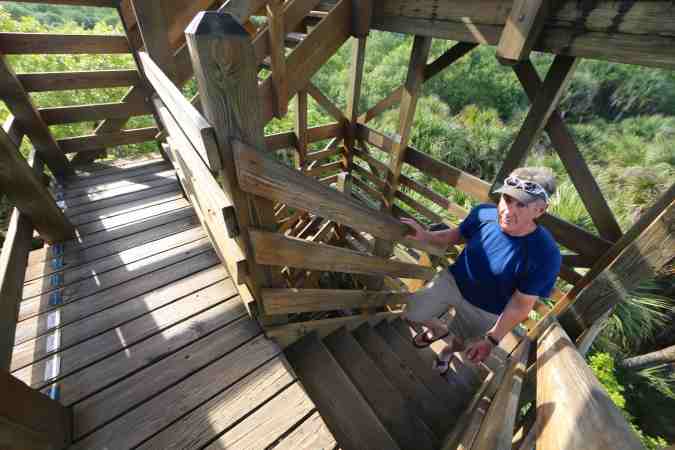
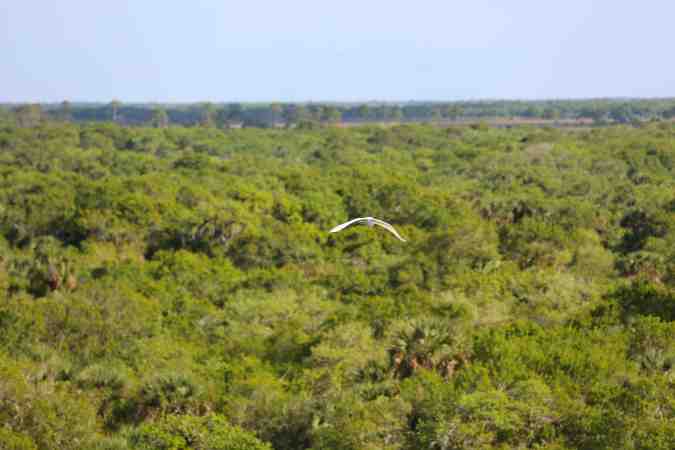
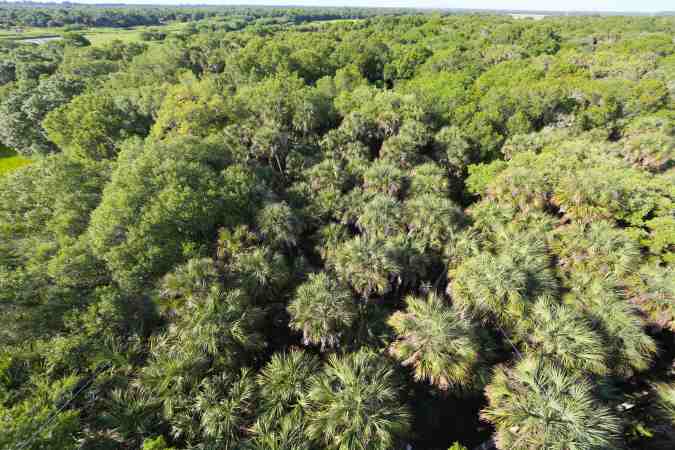
But perhaps most spectacular of all is the canopy walk, a chance to get up high above the trees and view the wilderness from the perspective of an egret, turkey vulture, or crow.

BT0C2745.jpgBT0C2734.jpgBT0C2670.jpg

Here, above the treetops, you can see so far you almost see the curvature of the Earth.

BT0C2639.jpgBT0C2665.jpgBT0C2673.jpg

Find your wild places. Define them, why they’re important to you. Help protect them. Visit them often and share them with your loved ones. BT0C2453.jpg

Before it’s too late.


Beachside Reuse

April is the month we visit Grammy on Anna Maria island in Florida. She lives in a sweet little house, one of the originals on the island, now surrounded by large 3-story condos. I feel like we’re in that story, The Little House, by Virginia Lee Burton, about the tiny house that stayed put and a big city was built right around it. This cottage is the epitome of “If it ain’t broke, don’t trash it.” It survives, a cottage-in-the-rough amidst million dollar resort-style rentals, hotels, and Grammy keeps it tidy, functional, and full of simple beachside reuses.

The Little Cottage in the Rough, Anna Maria Island. Photo © Liesl Clark

A low coffee table by the phone holds phone books (Grammy doesn’t use the internet — actually the table doesn’t hold phone books, but a sagging box does just under the coffee table.) But the floor isn’t level so the table wiggles when items are placed on it. Solution? Grammy placed shells under the legs of the table, just like carpenter’s shims, to shore up the legs and prevent any movement.

Shells For Shims. Beachside Reuse at its Best. Photo © Liesl Clark

A plastic soda bottle fish adorns her antique fishnet on the sunroom wall. This fish, spray painted pink on the inside, was simply cut so fins and a tail were articulated, a glue gun was used to seal the fins and tail, and glitter glue was used to create the effect of gills. Done! A cute sparkly pink fish for her household decorations.

Coke Bottle Sunfish © Liesl Clark

An ancient palm tree was cut down on the property years ago. Today the stump is used as a planter for succulents and cacti.

Trunk Planter For Beach Cacti. Photo © Liesl Clark

Shells hung along the wall of Grammy’s potting shed add texture and bright Florida light to any day. These would make interesting downspouts on a gutter.

Potting Shed Shell Adornment. Photo © Liesl Clark

And geraniums in a tree trunk that frames nearby boats inspires the gardeners in us all!

A hole in a trunk makes room for pretty geraniums. Photo © Liesl Clark

In Praise of Simple Machines in the Kitchen

Back to basics with our morning joe. Photo © Liesl Clark

Simple machines in the kitchen and household are one of our secrets to living the pleasures of the simple life, decreasing our dependence upon electricity or fancy gadgets with many parts. The simple machine simply works. They’re the hand tools of old that we fall back on when modern conveniences break down, which they often do. Take the lever, for example. Pull a lever for mechanical advantage and you have the strength of Hercules.

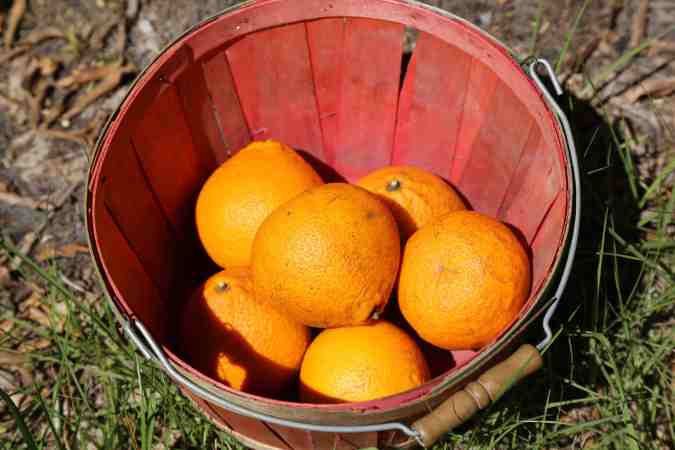
When we arrived at Grammy’s Florida home with a 10-gallon bucket filled to overflowing with valencia oranges we had picked, I looked in her cupboard to find an electric citrus juicer.

Citrus Juicer. The plastic small appliance we can do without. Photo © Liesl Clark

“Great!” I thought, until I plugged the plastic thing in and found it didn’t work. Taking it apart to see if it needed a new fuse, etc. wasn’t something we had time for. So Grammy pulled out another juicer, the hand lever kind you pull down that squishes your halved oranges in seconds, and I knew she had found the better machine.

This beautiful, all stainless, citrus press is a thing of beauty. Photo © Liesl Clark

In minutes, we had lovely glasses of hand-lever-squeezed orange juice, all from the effort of a 10-year-old who wouldn’t relinquish the lever. I’m ready to invest in one now that I’ve discovered the joys of fresh squeezed, self-picked liquid gold. We currently use a ceramic citrus juicer at home which works really well, but the simple machine could cut our hand-rotating out completely, which makes sense for 4 cups of o.j. in the a.m.

Fresh OJ in seconds, and a lesson in simple machines. Photo © Liesl Clark

We’ve been on a mission, lately, to seek out these ingenious machines that provide mechanical advantage, putting force on an object like an orange with little effort. One-by-one, they’re replacing our small appliances.

Take the electric coffee grinder, for example. Nothing wakes up our household more abruptly than the sound of someone whirring coffee beans in an electric grinder. And when the electricity goes out, which it often does in winter on our Northwest island, we can’t have fresh ground coffee. Could we find an adequate coffee grinder that wouldn’t tap resources like electricity or fuel? I searched for months throughout the web and in antique shops for old-fashioned grinders and found some beautiful ones. But none got great reviews that I could trust and most wouldn’t grind the beans to espresso grade. I bought a camp-style one for my husband to take on his mountaineering expeditions. But it wouldn’t grind enough for a house full of groggy adults.

We then purchased a beautiful Persian grinder that also took ages to grind beans. We imagined in the warmth of some semi-arid desert, this grinder would fit nicely on the back of a camel but you’d need an hour or so each morning to get enough ground stuff for a decent cup of joe. It was promptly retired to pepper grinding.

Finally, we found a grinder that was the most simple design (by Stumptown) and can take a mason jar as its reservoir. This simple machine utilizes larger gears than the 2 grinders we had previously bought and it produces a fresh ground coffee perfect for my hubby’s stove-top espresso maker.

The best we could find, a modern version of an antique coffee grinder. Photo © Liesl Clark

Contrary to what Stumptown says on their website, my husband husband claims “it’s effortless” to grind the coffee. No workout, truly. And I can attest to the fact that it’s not too hard to grind your beans and it doesn’t take very long to produce the perfect grind for several cups of coffee and gives us peace-of-mind for power-free days at home. We use hand-grinder daily, in fact, power or no power.

Two minutes of grinding and you've got a fine espresso grind. Photo © Liesl Clark

Our toaster, too, is a simple camp stove version of placing your bread over your burner, because we’re on a mission to reduce our electric appliances so we can sustainably live off the grid. We haven’t owned a toaster for 5 years now and haven’t missed it one bit.

If you want to go caveman-style, you can even forgo your garlic press for a stone. Seriously, for us, the large pestle we brought back from Nepal is the best garlic crusher I’ve ever used.

So try your hand at using simple machines again. You’ll enjoy cutting back on your power dependence and feel like you truly earned that morning fix of java and o.j.

Zero Offset Vacation Days

Zero Offset Your Carbon-Heavy Vacation Travel with Days Spent at Sustainable Organic Farms. Photo © Liesl Clark

Let’s face it: Flying to Florida from Seattle isn’t the most carbon-free activity. But if we want to see Grammy, we have to go to her. She simply doesn’t fly.

Once we arrived in Florida, we dreamed up a few activities to help offset the jet fuel burn our family of 4 incurred. Hitting the beach, only 100 yards away, was easy — just throw a towel around your shoulders. But be sure to bring a bag for collecting plastics.

Plastics Retrieved En Route to the Beach. It's Easy To Do. Photo © Liesl Clark

Before reaching the beach, we filled our bag with lots of straws and straw sleeves found in juice boxes. Interestingly, we didn’t find too many plastics on the beach as I discovered, a day later, that 2 men drive along the beaches in a little golf cart with a trash picker and retrieve all the debris. I wondered why they couldn’t simply walk?

Here's one they missed. Sunglasses part on the beach. Photo © Liesl Clark

Every day, we filled a bag with plastics while walking along the sidewalks or shore. For our children, the incentive was finding something odd and different. A tiny working flashlight in the shape of an alien was the first day’s reward, then a cute plastic fish the next, and all types of plastic beach toys were recovered, too. We needed a shovel and it didn’t take long to find one. No lack of entertainment when you decide to do a bit of daily good and pick up the world’s plastics. And the Earth always gives back to our little scavengers in interesting ways. Plastic “swords” used in tropical drinks to hold fruit together washed ashore daily to the delight of my son, who started collecting them for his Lego characters.

McWashed Ashore. Sliced apples in a bag? Photo © Liesl Clark

The contents of a bag of McDonald’s apple slices found tucked in the dune vegetation became food for eager sea gulls.

Apple snacks. Courtesy of sea-borne McDonald's fare. Photo © Liesl Clark

In between hours of play amidst the waves and digging in the sand with our newly-found beach toys, it didn’t take much effort during our “plastics recovery” walks to fill a bag a day. If we all did this, just bent down and picked up the straws and plastic caps under foot, we’d feel like we did a form of good, helping to extract the plastics from our shorelines before they head back out to sea.

This leaf wasn't plastic, and it's a pleasure to see a stretch of sand that was plastic-free. Photo © Liesl Clark

But the greatest fun we had was visiting a local organic fruit grove. I spent a little time online and discovered a list of pick your own-type farms in our region and many are organic farms. We hopped in the car and drove inland about 16 miles to find an organic orange grove.

Get to know the places you vacation in a little better by picking local organic produce there. Valencia oranges are in season in February in Western Florida. Photo © Liesl Clark

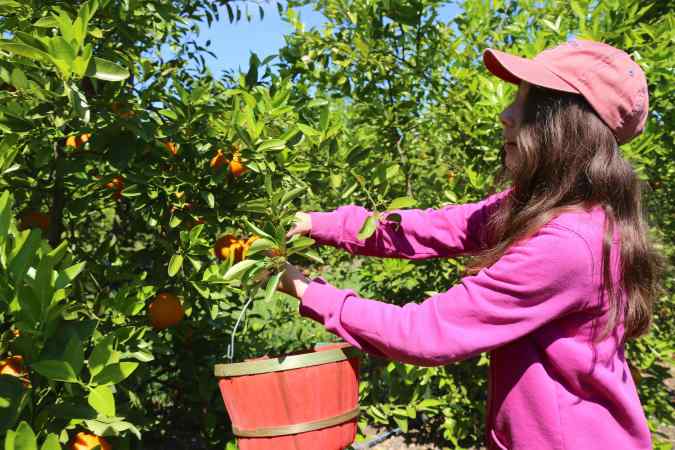
The kids had never picked oranges and this experience is surely one they won’t forget. In the direct sun, the temperatures were in the 90s and we had to watch the ground for fire ants. With some long fruit picker poles in our hands, we ambled several rows of valencia orange trees into the grove and were overwhelmed by the sweet smell of orange blossoms.

Fruit Picking in Manatee County, FL. Photo © Liesl Clark

These fruit-laden trees grew in what loooked like pure sand, but they’re obviously getting the nutrients and water they need because the oranges are delicious and juicy. It took us 15 minutes in the hot sun to fill a 10-gallon bucket. And with the price of $10/bucket we walked away feeling we got the better end of the deal.

Bucket Full of Valencia Oranges. Photo © Liesl Clark

The children needed an ice cream cone to cool off, so we discovered another U-pick organic farm down the road. This one grew hydroponic strawberries — and we picked our fill of delicious sun-sweetened fruit.

Picking Strawberries at O'Brien Family Farm. Photo © Liesl Clark

And the ice cream cones, of course, were the perfect plastic-free end of day snack, a just reward for our zero offset vacation day efforts.

Ice cream cones are the original plastic-free treat. Photo © Liesl Clark

DIY Matches, With Pasta

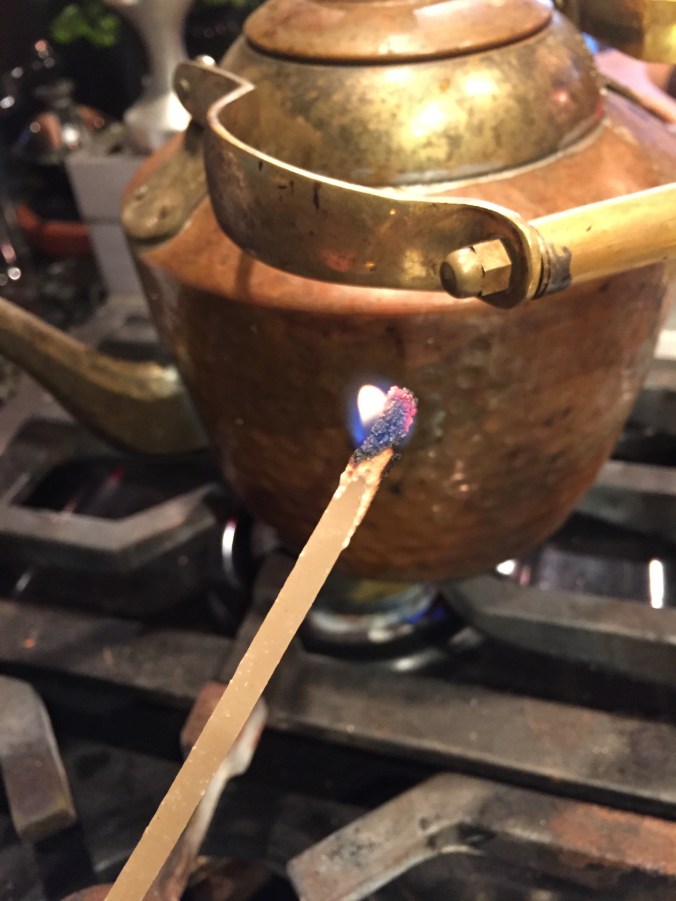
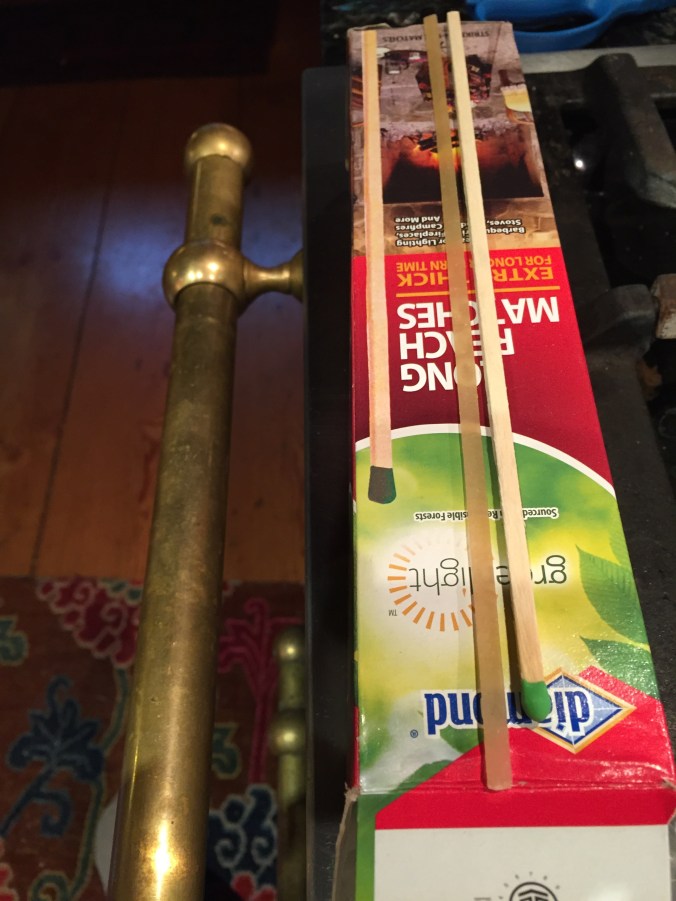
Here’s a simple hack I learned recently when we ran out of long matches which we often need for lighting our homemade candles, our pilot lights on our stove, or for the fire. The longer matches enable me to get deep inside some of our long candles that glow from the inside out. If you’re in a pinch and need one, but don’t have one on hand, just use a long piece of dried fettuccini pasta! I light my piece of pasta with our pilot light on the stove and we’re off to the races.
IMG_0564

You can also use a piece of spaghetti. They’re both long enough to help you get to those out-of-reach spaces that need to be lit!

IMG_0566

Easy peasy.

Fabric Scrap Tiny Tents For Little Hands

Our daughter has been sewing avidly since she was 6. She loves to design and sew her own doll clothes and to make little spaces for her toy animals out of fabric scraps. Here’s a great project for small hands and a fun sewing project for 2, using up fabric scraps and old trousers, too!

Step 1: Trace a perfect circle onto a stiff fabric like felt, fleece, or corduroy (we used some old corduroy pants of mine). The circle will determine how tall your tent will be. We cut ours about 6″ wide.

Step 2: Cut that circle in half and then trace it onto a pretty fabric of your choice which will be the outer fabric of your tent.

Step 3: Cut the half circle out of your pretty fabric.

Step 4: Pin the rounded edges of the half circles together, stiff fabric facing in on one side and nice fabric facing in on other.

Step 5: Sew the pinned rounded edge of the 2 half circles together.

Step 6: Turn the half circle right-side-out so the sewn edge is hidden. Fold it in half and then sew the remaining straight edges together as shown in the photo.

Step 7: Turn this right side out and you have a cute closed tipi/tent for little animals or people to live in (or a pointed hat for a doll!)

Step 8: A variation on this tent/tipi is to add a door: Simply leave a couple of inches of “flap” left open on the last straight edge and sew the flaps back about 2-3 cm so you have a tipi opening opening.

Looking for more ideas to use up your fabric scraps? Please visit our Trash Backwards app that has reuses for everything in your home!

Click Through for Fabric Scrap Reuses at Trash Backwards.