10-Minute Daily Yoga

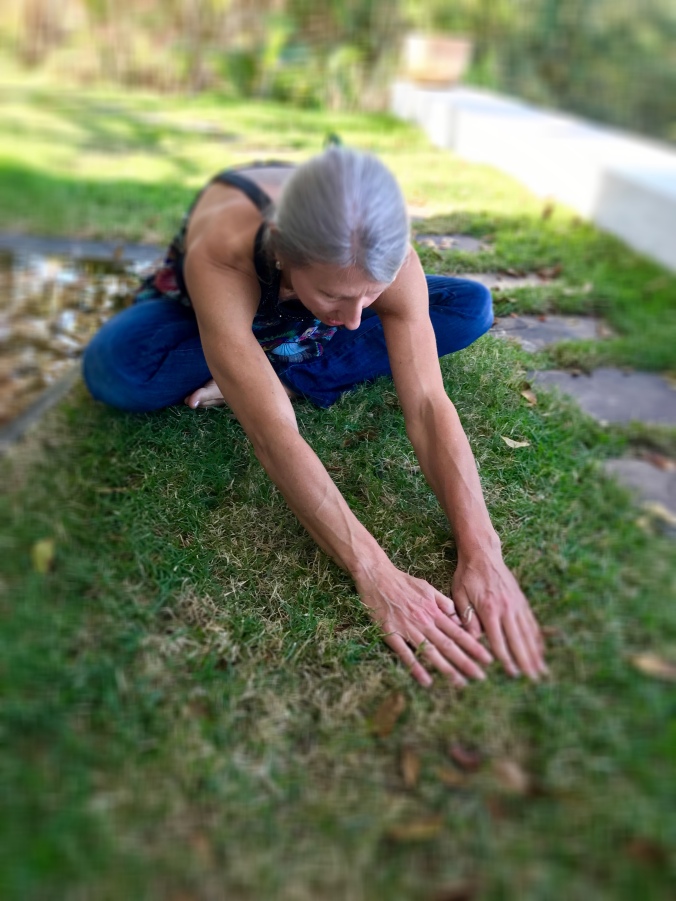
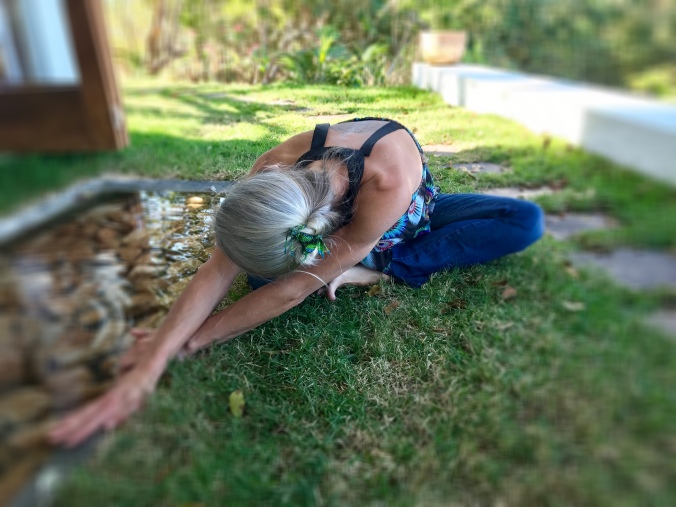
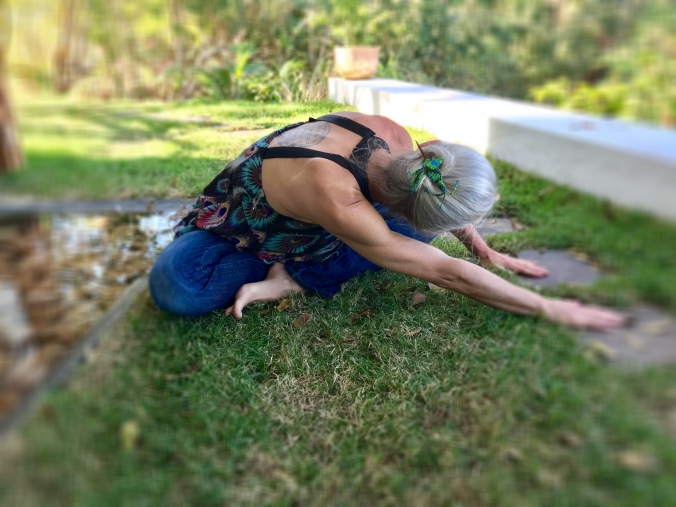
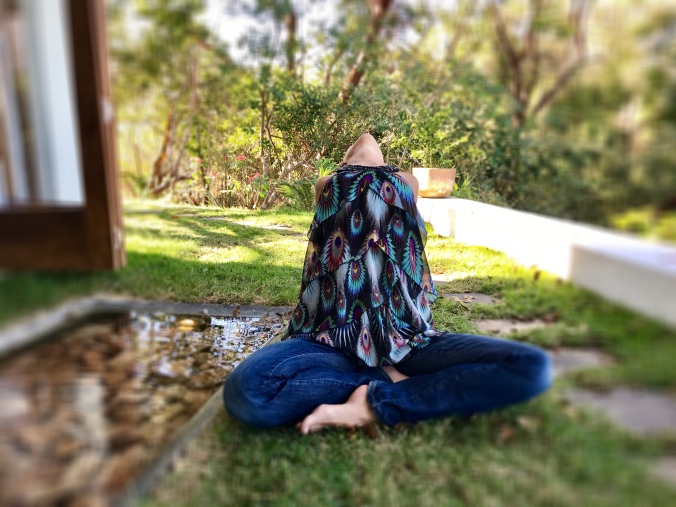
I’ve done yoga on and off over the years, but I have to admit, for me, I really just needed to do it on my own, not in a group where I would feel self-conscious. My need for a more meditative solitary practice inspired me to ask my friend, Paula Suter, if she would be willing to pass on to me her intuitive yoga knowledge. She has such a way about her, I wanted some of her calm and beauty for myself. This was her gift that she passed on to me. In the spirit of paying it forward, here’s her rudimentary 10-minute version for you to try yourself, modify for your needs, and then share with others. Enjoy.

FullSizeRender 54.jpg

We were in a beautiful place in Mexico surrounded by unpopulated hills and the sounds of the sea in the distance. Seeing these images and video just transports me there. I had only shot it for my own personal use, but Paula has graciously given me permission to share it with you all here. The images and video should simply speak for themselves (do pause the video to do your stretches, as we blasted through the poses quite quickly.)

FullSizeRender 45FullSizeRender 46FullSizeRender 47FullSizeRender 48FullSizeRender 49FullSizeRender 50FullSizeRender 51FullSizeRender 52FullSizeRender 53

Easy Scrappy Vegetable Broth

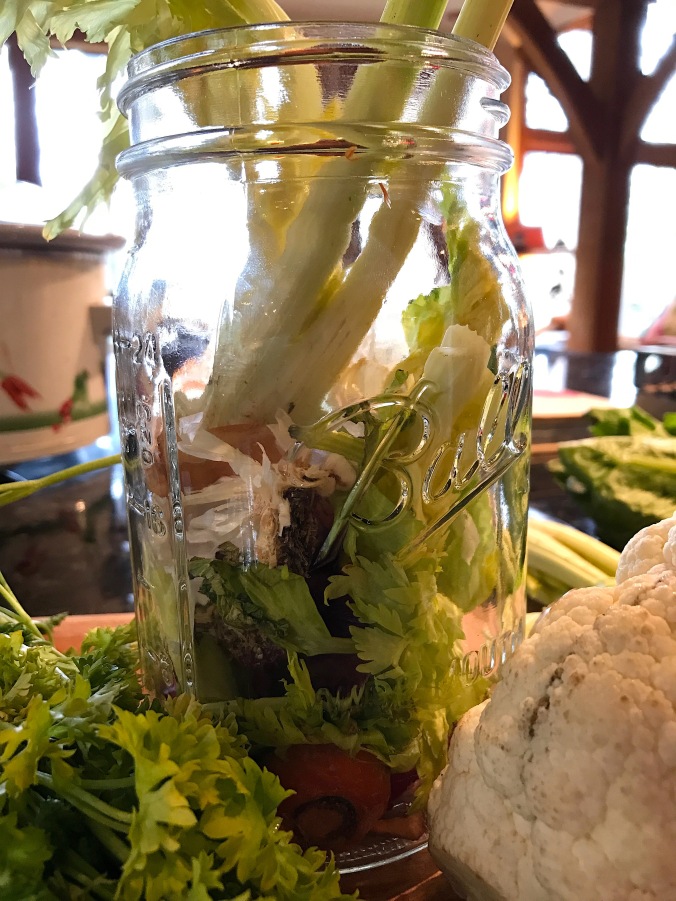
Our kitchen compost container is full most days because we eat a lot of vegetables. Even though we give carrots, lettuce, broccoli etc. to our guinea pig, and many other kitchen scraps to our hens, I’m still amazed at how many veggie and fruit scraps still go into the compost pile. But then a discussion in our BuyNothing7 group (a group that challenges people to buy nothing for 7 days, or longer) got me thinking: Before I send my most scrappy vegetables to the compost pile, I should turn them into veggie broth.

IMG_4307

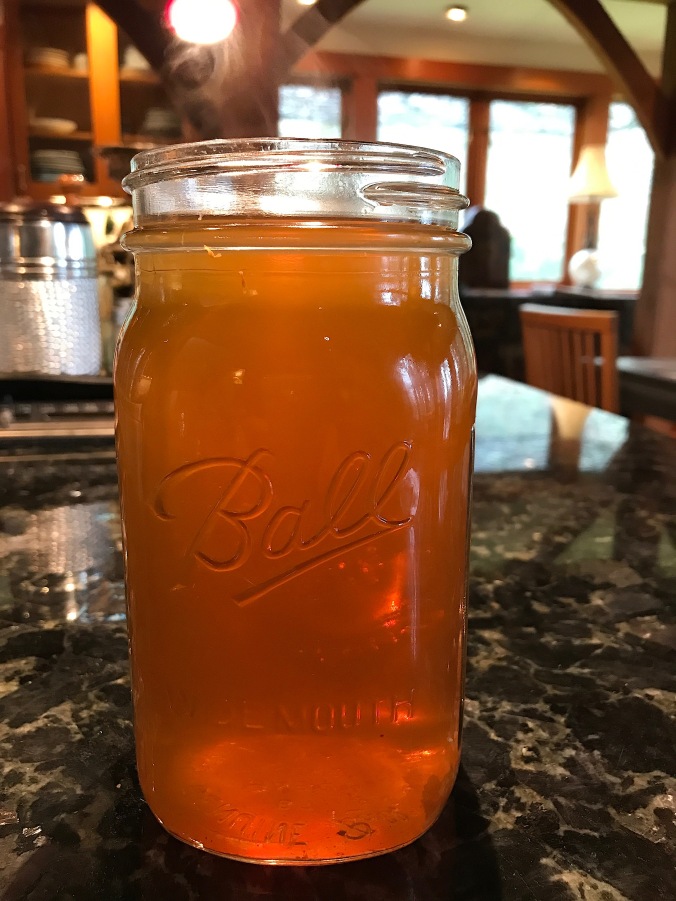
I’m not talking about your big chunks of carrot (that go to the guinea pig) or whole cloves of garlic (which we use up ourselves.) I’m referring to the paper skin on the garlic (which has many uses), the ends of the carrots, the skins off my onions (which also have many uses) and the leaves and bitter hearts of my celery. Throw those scrappiest of scraps into a pot of boiling water, with a bay leaf, your favorite herbs, and a pinch of salt, let it simmer for an hour and you’ve rendered yourself some yummy broth to use as a base for a soup, in chili, or in any recipe that calls for broth.

IMG_2459

Then, you can take your over-cooked vegetables, once you’ve filtered out the broth, and send those to the compost. Scrappy veggie broth in zero waste style!

IMG_0291

DIY Wool Dryer Balls Reduce Dryer Time

The title of this blog post were the words I used for a Google search yesterday, as a question, and the answer from over 10 bloggers was resoundingly “yes.”

I had to find this out for myself.

IMG_2644

So, I went to my yarn basket and found a few balls of 100% wool yarn that we hadn’t used for years and wound a few contrasting colors of yarn around them. If you’re not sure if your yarn is wool or acrylic, check out this article that’ll help you determine what’s what.

IMG_4300

I also took some old knitting projects the kids had done (half-finished scarves and finger knitting garlands), balled them up, wound more wool yarn around them to make them into tennis ball and soft ball size.

IMG_8397

IMG_2240

IMG_2229

I then grabbed a few oddball socks out of my single socks box (yes, we have hundreds) and placed one wool ball inside one sock and tied off the end.

IMG_2726

I did this for each of the balls, until I had 6 balls-in-socks, ready for the washing machine.

IMG_6114

I put the cycle on high and threw in a few towels and T-shirts. I did the cycle twice, just to be sure that the wool balls were felting up. The wet wash then went into the dryer for a high heat cycle.

The outer tied-off socks were easy to untie and I rescued the now-felted-wool balls from their sock prisons. Each one felted up pretty nicely!

IMG_2291

Experts at this have suggested putting a few drops of your favorite essential oil on the wool balls about every 4th load you dry, so I found some rosemary (so my son won’t feel that he smells too flowery and to also keep buggies off of us (they don’t like rosemary.))

IMG_2321

Now, the true test was upon me: If I ran a load of laundry with wet towels through the dryer, would 6 wool dryer balls reduce the dry time? The answer is resoundingly yes. Typically, we have to run our towels through our high heat normal dryer cycle twice. This time, with 6 dryer balls, I only had to run them once! So, that’s a win. I figure this will save our family on dryer time (i.e lower our electricity bill) during the winter months when we can’t put our laundry out to dry in the sun.

IMG_2309

Oh, and the wool dryer balls also are a replacement for fabric softener (we’ve never used it anyway) and dryer sheets (ditto) as they remove static cling, soften your fabrics and add a lovely scent via your essential oil!

IMG_2325IMG_4251

20 DIY Crafts Not Plastic

A Case For Exposing Your Children to Traditional Arts Using Natural Materials. Photo © Liesl Clark

When my children reached elementary school age and we enrolled them in programs that had art classes, we were amazed at how few natural materials were used for art supplies and just how much of it was plastic: glitter glue, colorful plastics for mosaics, acrylic-coated feathers, various items to be “recycled” through art like yogurt cups and plastic straws. The myriad cut-and-paste-style art projects they did were primarily made of art supply store plastics. All too often schools and art classes are cutting corners and can only afford cheaper plastic materials for art supplies.

Hand-crafted tiles or buttons, made by a young Nepali stone-carver. Photo © Liesl Clark

I would’ve preferred sticks, stones, leaves, sea glass, natural feathers and wood over the pre-fabricated plastic materials my son and daughter were exposed to. These plastics were simply mimicking what’s found readily in nature. I also believe the color palette children are exposed to in those early years, through day-glo style plastics, can affect their color choices later in life. Gone might be an appreciation for natural greens, browns, blues and purples found regularly in the environment. We started to opt out of the popular kinder art projects in preference to doing our own art, making an effort to learn from traditional artists who work with stone, wood, glass, wool, and ceramics. These experiences, for our children, were enriching as they learned quickly that they could create things of beauty from resources found in the natural world, as people have done for millennia.

A Young Nepali Artist Carving Prayers Onto a Mani Stone. Photo © Liesl Clark

A coupling of leaves, feathers, and flowers could become a miniature nest or fairy’s bed from a 7-year-old’s imagination.

A Fairy Bed, Made From Leaves, a Pod, Feathers and a Flower. Photo © Liesl Clark

Or a piece of wood might be whittled into a boat, a stone carved into a work of art. Exposing children to traditional folk art from around the world is a great way to teach them how natural materials that are readily available can be turned into works of beauty.

Azurite Is One of The Pigments Used in Traditional Himalayan Art. Photo © Liesl Clark

On a recent trip through South Korea while we were in transit, we took part in a program at the airport in Seoul that teaches traditional art forms. Every time we pass through this airport our children learn a new form of art made from a surprising material. They’ve worked with rice paper to make stone carving prints onto them, they’ve made paper lanterns, they’ve hand painted fans, and they made a tapestry necklace. This time, they learned the Na-Jeon art form, working with mother of pearl-colored shells and shellac from the lac tree.

Learning the Na-Jeon Art Form in Korea. Photo © Liesl Clark

This highly sophisticated ancient Korean craft utilizes iridescent abalone and conch shells in contrast to a lacquered black wood background, creating a sense of balance and harmony in this mariage of opposites.

A Hand Mirror Made in the Korean Na-Jeon Style © Liesl Clark

The children were given hand mirrors to decorate in the Na (which means “pearl”) Jeon (which means “decorate”) style. The focus and concentration the craft required was mesmerizing for us to watch. And the mirrors will be treasured for years to come in our family.

IMG_5929 © Liesl Clark

If you’re looking for some ideas for arts and crafts less plastic, we came up with a list of 20 traditional crafts from natural materials found in and around your home that are easy to try. Copy this list or share the link with your art teacher at school. No need for spending money on cheap plastic art supplies when there are supplies we can contribute from our own homes and backyards: scrap fabric, acorns, sticks, scrap paper, wool sweaters, leaves and sea shells are just a few. Incorporate information about the cultures that started the folk art form you’ll practice so your children appreciate the history behind their craft and how interconnected we all are through our art forms:

1) Doll-Making: Fabric Scrap Dolls have been made for the children of many cultures for centuries.

DIY Tiny Dolls Wear Fabric Scraps in Style

2) Vegetable Stamps: My favorite veggie to use for stamps is okra. But you can also carve stamps from a potato with excellent results. And the celery rose stamp is absolutely beautiful.

3) Fabric Scrap Mosaic: Reusing fabrics is an art unto itself and certainly has been passed down for generations. Try making a pretty mosaic from your leftover scraps.

4) Embroidery: Try your hand at embroidery. You can even embellish a tired old lampshade to create color in a room.

5) Twig Basket: Collect some long green twigs and make a freeform basket out of them.

6) Origami Tea Bag Folding: Learn the traditional art of origami paper folding using the paper the covers tea bags! If families saved up their tea bag covers, a school art program would have plenty of paper to work with and couldn’t complain about budget constraints.

7) Scrap Paper Flowers: Art classes should save all scrap paper to make these beautiful flowers. Or toilet paper rolls are all you need to make these flowers.


Toilet Paper Roll Flowers. Photo © Kelly Munson

8) Fallen Leaf Art: There are many beautiful artistic creations you can craft from leaves.

9) Scrap Paper Tree: This pretty craft utilizes tiny pieces of your favorite scrap paper as well as sticks collected from outdoors.

10) Seashell Arts: We’ve made mobiles from sea shells and endless mosaics. These seashell koalas would make any child happy.

11) Tin Topiary: Use pie tins to make these beautiful tin flowers.

12) Knitting: With some saved-up chopsticks, you can teach anyone how to knit.

Knit with Old Chopsticks photo © Rebecca Rockefeller

13) Felting: Learn how to felt your wool sweaters.

14) Rubbings: Make rubbings for things natural or extraordinary.

15) Weaving: DIY weaving is easy and a great craft to do with scrap yarn and fabric strips. You can even make your own loom.

16) Phone Book Paper Painting Meditation: Teach the kids meditation by doing phone book paper art.

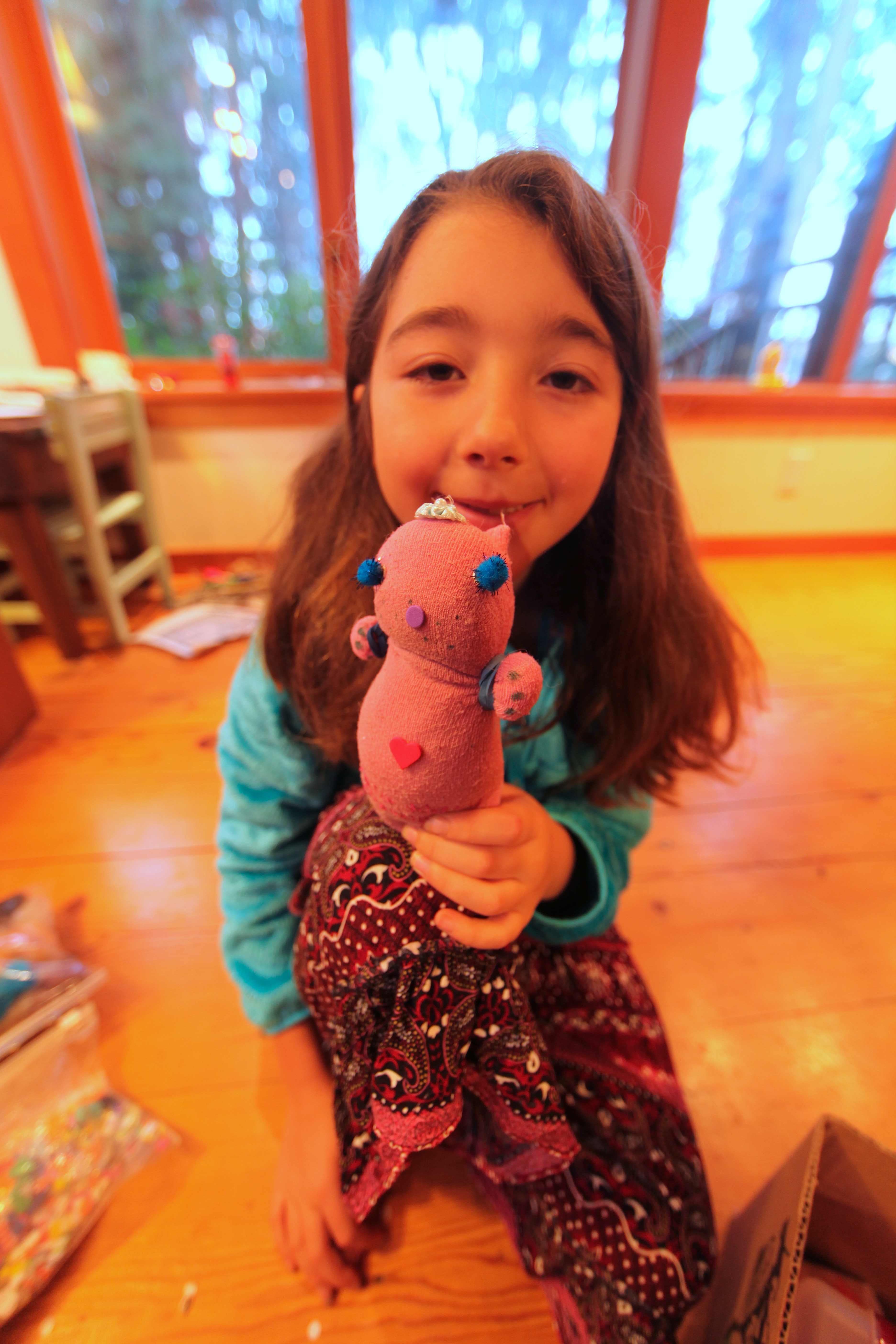
17) Sock Crafting: If you’re in need of a stuffed animal, try making one from a sock.

Sock + Rubber Bands + Bits & Bobs = Sock Hippo. Photo © Liesl Clark

18) Hand-Made Valentines: Valentines are an original folk art scrap hack.
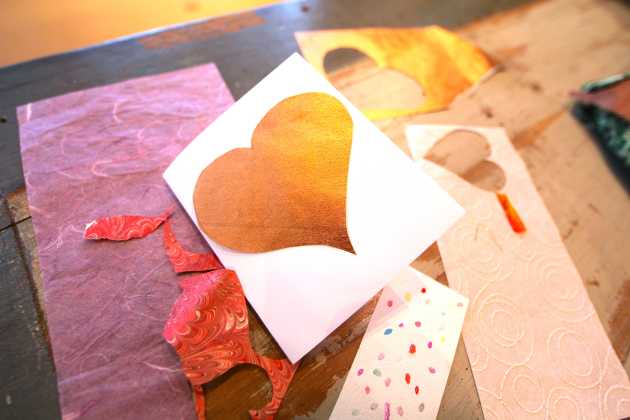
Handmade Paper Valentines, An Original Folk Art. Photo © Liesl Clark

19) Stencils: You can make stencils from food boxes and use beets as your ink dye.

20) Driftwood Sculptures: If you collect enough of a variety, driftwood lends itself to creative art from their smooth appealing shapes.

What crafts from materials readily-available can you add? We love to make things from what’s abundant around us!

Easy Wrapping Paper Storage

img_9306

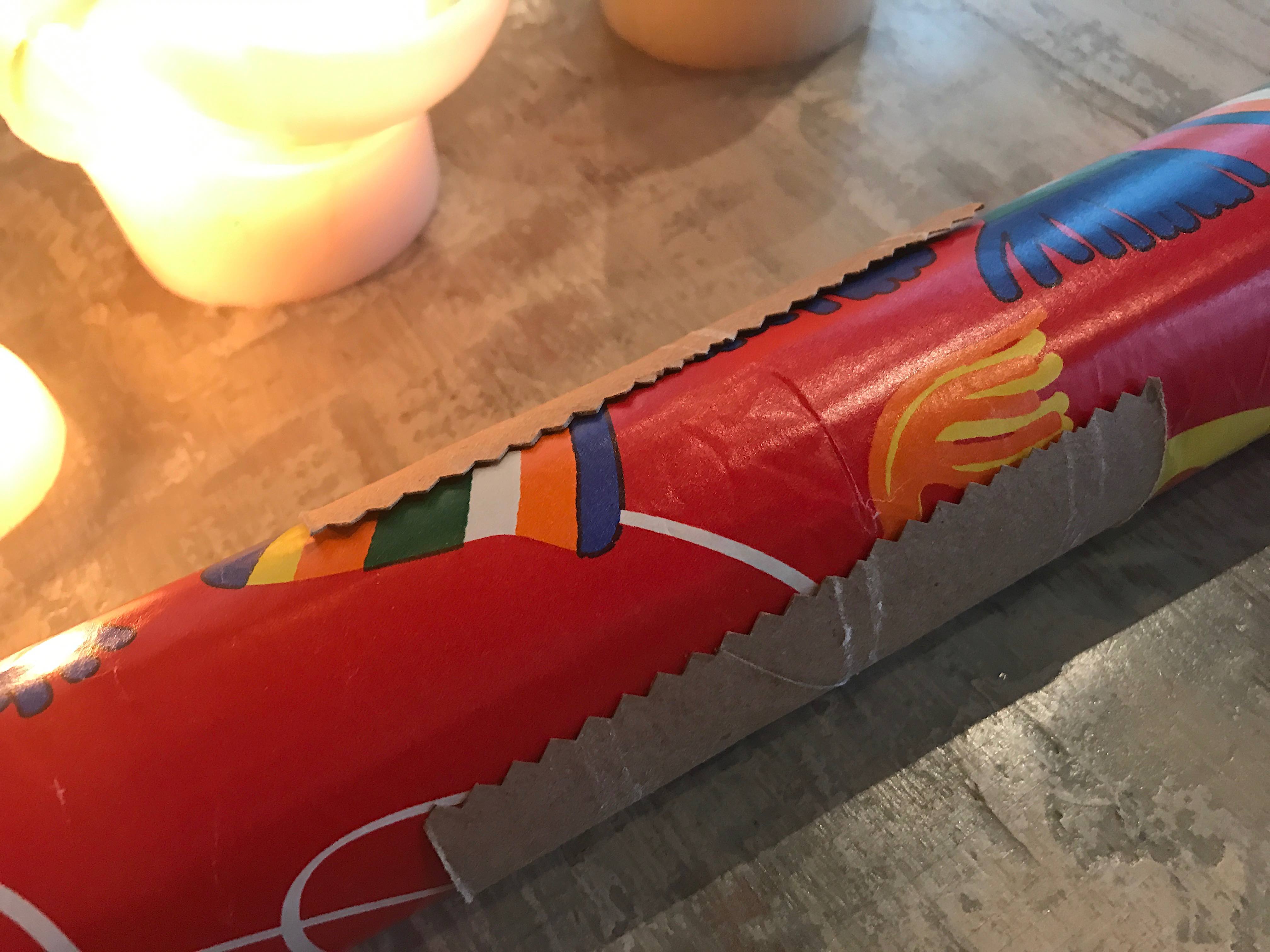
We’ve had three rolls of wrapping paper for the past two years since we typically use cloth bags for “wrapping” our gifts. Yet occasionally a wrapped present is shipped out because it’s easy to pack into a box filled with paper-wrapped items. Our three rolls of paper seem to be lasting forever and we’ve found the most simple way of storing them.

img_5889

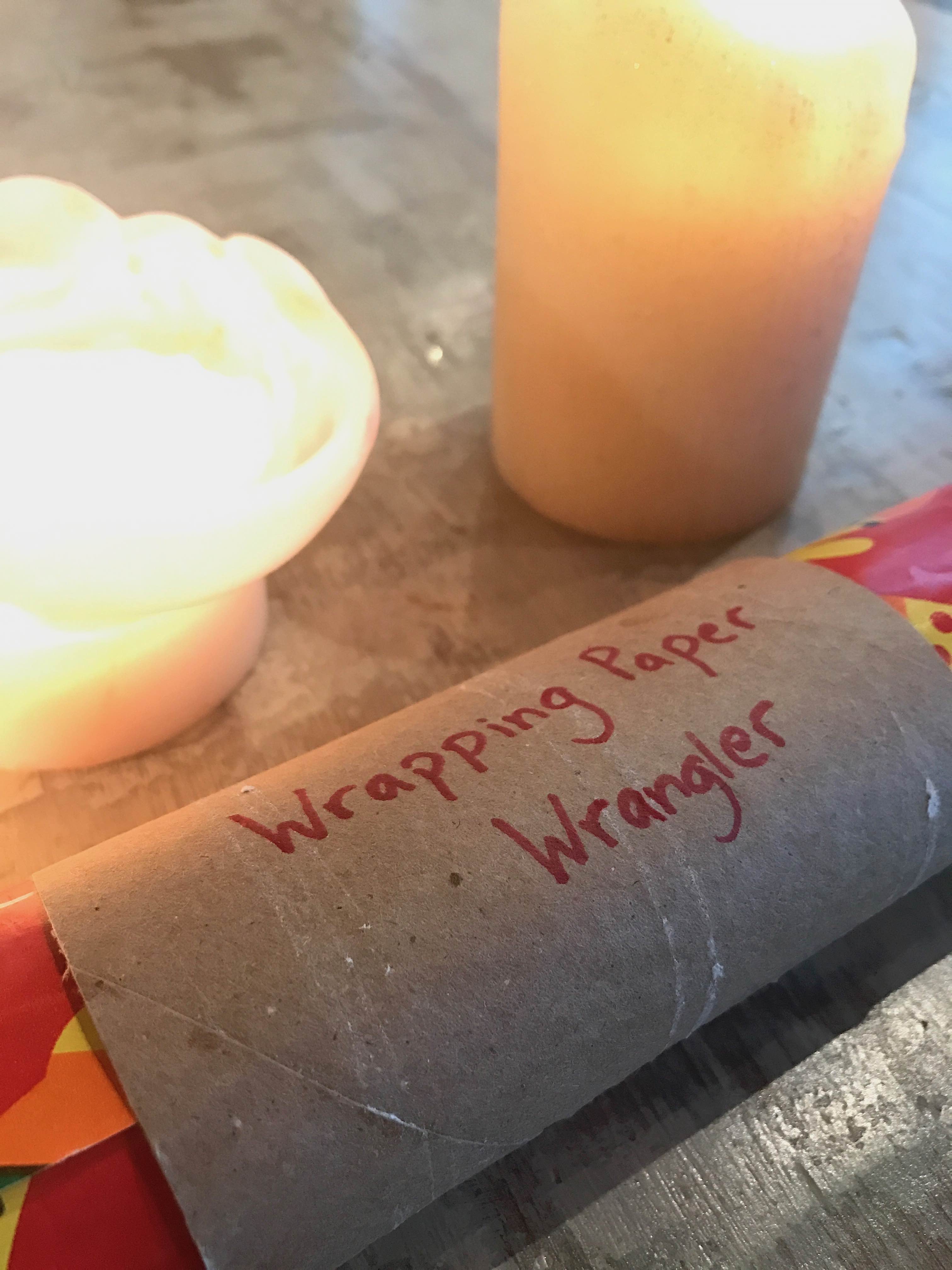
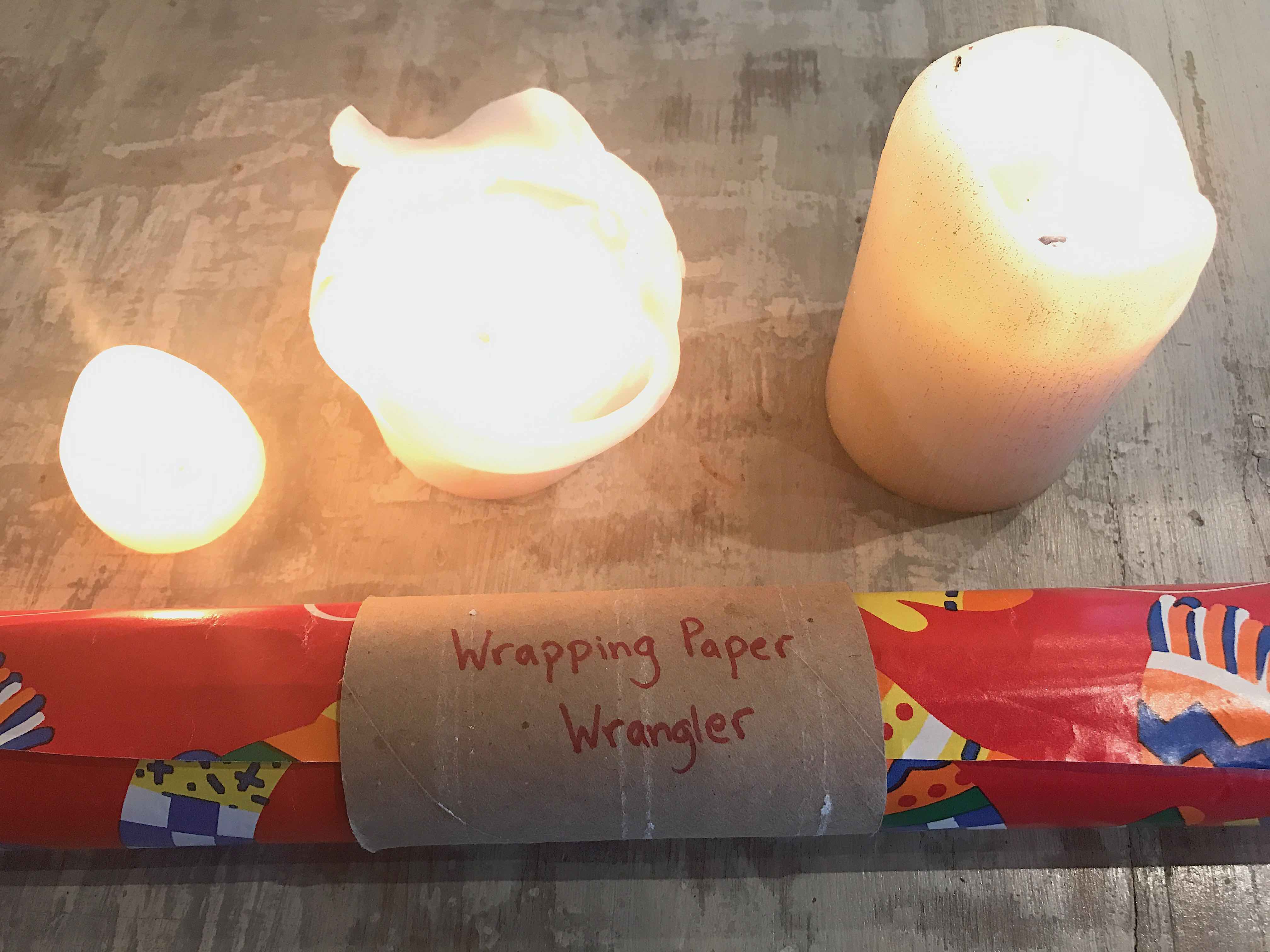
Just cut a toilet paper roll open and place it around your wrapping paper roll. It holds that paper together gently, without the ripping we sometimes get from rubber bands.

img_8609

Happy wrapping paper storage for next year!

Buy Nothing Boxing Day

Boxing Day, traditionally, was a thing in Britain’s Victorian era. Boxes were left out in front of churches for people to donate gifts for the poor. It was also the day when servants of the super-wealthy were given a chance to observe Christmas with their families. Hard-working domestic employees were handed boxes of gifts to give to their loved ones. Tradespeople, too, were thanked on Boxing Day with boxes filled with gifts for services well done.

boxingday.jpg

A true Boxing Day is a day filled with small acts of kindness. 

In essence, Boxing Day historically is a day to commit small acts of kindness. Today, we can continue the tradition in less class-structured ways and offer boxes of gifts to our neighbors by posting them in our Buy Nothing groups.

Over the holidays we often acquire gifts that might not be to our liking. It’s the thought that counts, right? Once you’re over that warm-and-fuzzy feeling of gratitude for your gift, yet realize you just won’t ever wear it, or eat it, or use it in any way, why not simply regift it on Boxing Day?

willa-in-box2

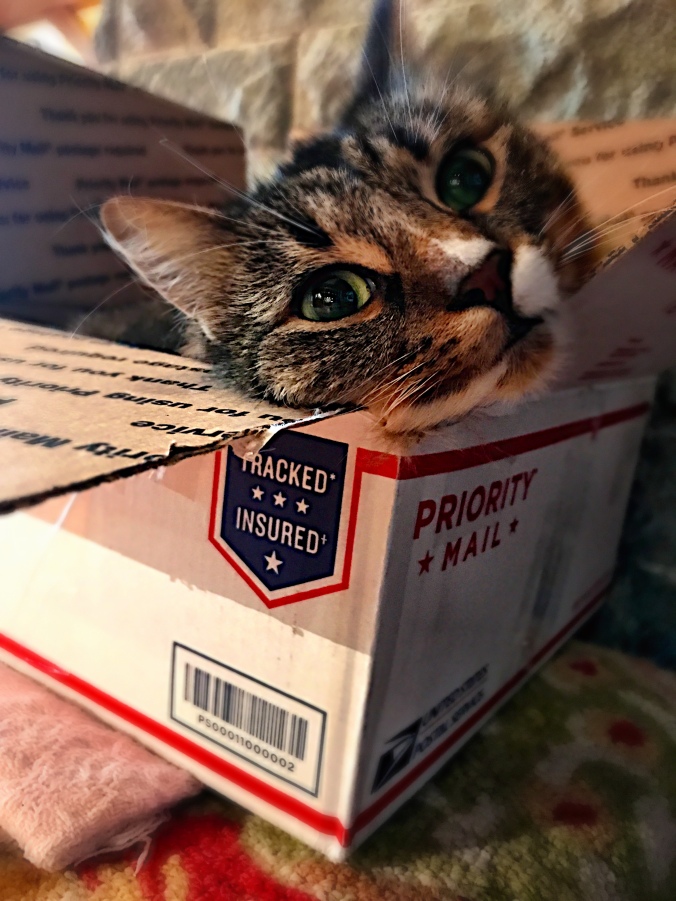
Willa loves Boxing Day © Liesl Clark

In a gift economy, we gain increments of social capital by giving and also receiving with grace. So when we have excess to give, especially on Boxing Day, offering it up to our communities in a transparent fashion, where all can see, is a way of raising our worthiness for future gifts. It also raises the overall wealth of the community since one more item will remain within the materials economy of the neighborhood: an item that might be re-gifted later, or might free-up up its owner to spend more money locally. The more we share within our own communities, the greater our communal wealth. So, get out your boxes and share your bounty. Your neighbors will be thankful, and you’ll earn yourself a little hit of dopamine to go with your added giver clout.


Create An Inventor’s Kit For Your Curious Child

Our alarm clock went on the fritz. It just didn’t keep good time anymore and when we put new batteries in, the whole thing decided to stop ticking. Rather than throwing the clock out, our 9-year-old took the opportunity to try to fix it. He looked deep inside and saw the inner workings of the mysterious time-keeper, its simple gears and all the parts that added up to the whole: A simple machine. The adventure in taking-it-apart-land proved fruitful and now any broken gadgets in our household are fertile ground for young inventors searching for new parts to connect together, creating new-fangled machines.

Motherboards are a universe of fascinating connections for the curiosity-seeker. Keep your youngsters’ minds exploring, even if it’s inside the things you thought would never tick again.

The secondary benefit is not throwing perfectly reusable items away. Rather than putting it all into the metal recycling bin or e-waste, these items will have a prolonged life. Our children’s relationship with “things” is changing rapidly, as they see how items may have a new use in a different iteration.

The fun part of finding an old case to use for the kit. We cleaned out some boxes in our storage room and found these to create new kits to give to neighbors.

IMG_6913_DL.png

Spark creativity in the kiddos around you. You’ll be surprised by what they build, and do send us your suggestions for what you’d add to your child’s inventor’s kit!

Driftwood Building Blocks

We all love manipulatives, items with soft shapes made by the rhythms of the Earth. Give children a few hours and a place to play with found objects, and you’ll be surprised where their imaginations go. During a gorgeous 3 days of camping on our favorite Olympic National Park beach, we picked up not only washed-up plastics battered from years of travel atop the Pacific waves, but we also gathered a beautiful selection of years-worn driftwood.

The organic shapes were beguiling: Sticks worn into rounded gray pieces any child would love to handle, contemplate, and build magic worlds with.

We brought a few favorite pieces home to be used again and again as building blocks for the imagination. And now, whenever we go on our beach camping trips, we collect more, to give as gifts for friends who like to have a basket centerpiece for all ages to enjoy. Gather some up to offer at your next creative meeting with colleagues. They’ll get engaged, quickly. Collect some of nature’s beautiful bounty for your children and friends, and they’ll thank you for the plastic-free tactile experience.

It’s local, organic, and sustainable. What natural found objects do you use for mindful play?

Unstuff Your Holidays And Share

Our kids know to not get us “things” as gifts over the holidays. We’ve worked hard to demonstrate that consuming less at holiday-time means less hassle of managing a household of stuff for the year to come. But, how can we take this one step further and try to bring-about a community-wide movement of buying less “stuff” and consuming what is already around us? I’ve found one way to do this: Get proactive, find the perfectly-shareable things that are out there, and help jumpstart collaborative consumption, i.e. sharing what’s already in our midst.

When I was a little girl, I had dreams of owning a shop and offering everything for free. I wanted to take money out of the bargain and let those who truly needed a loaf of bread simply have it, no strings attached. I imagined the happy faces when my clientele would realize they could take it home, along with the freshly ground peanut butter and handmade jellies. I didn’t have a business plan for this sort of shop, of course, but I knew it would thrive somehow. What I didn’t know then was that I was dreaming of a gift economy. Experience now tells me it works, and it can be a huge success.

IMG_5545, Photo © Kim Scott-Olson

Six years ago, my friend Rebecca and I started a local free food gathering that happened every Saturday morning before the farmer’s market. Gardeners would bring extra produce they’ve grown and home cooks would offer fresh baked and canned goodies. We’d see grass fed beef being shared, vegetable seedlings, and locally-caught crab at our gatherings. Everyone would bring a basket and take home their fill of produce, fruit, flowers, and other consumables. Participants departed enriched by the offerings and the knowledge that their food bills would be much less that week. A sharing economy is joyful. It brings neighbors together to share their bounty and eat locally-grown, caught, and foraged foods.

Bainbridge Bounty-Share, Photo © Liesl Clark

Taking this successful model of collaborative consumption further, Rebecca and I wanted to help take the burden of buying out of the holidays. What if we opened a “Buy Nothing, Give Freely Gift Boutique?” The idea is truly simple: Every family has, for example, toys their child outgrows and most are made of plastic. Or perhaps families have clothing, jewelry, kitchen items that they never use. Why not offer them up to others in exchange for free goodies that you might be able to give to family members or friends?  I tend to have excellent toy karma. So, we have plenty to keep 10 families happy for years. So every autumn, I start boxing up our unwanted toy bounty in preparation for the free gift boutique.

A Free Gift Boutique Makes Christmas Shopping Easy and Fun

We also have an arrangement with a local school that conducts a gift boutique for their students. When their shop (of donated gifts) closes, they want to get rid of the nice housewares and toys quickly so we pick up those boxes of goods and add them to our mix so kids and adults can browse for gifts for family members of all ages. Some families come with toys and items to share in the shop and others come simply to gather much-appreciated gifts. All are welcome.

The holiday boutique idea is a one day, once-a-year event and pure joy to see the happy faces and thoughtful children as they think of everyone in their family they’d like to find a special something for.

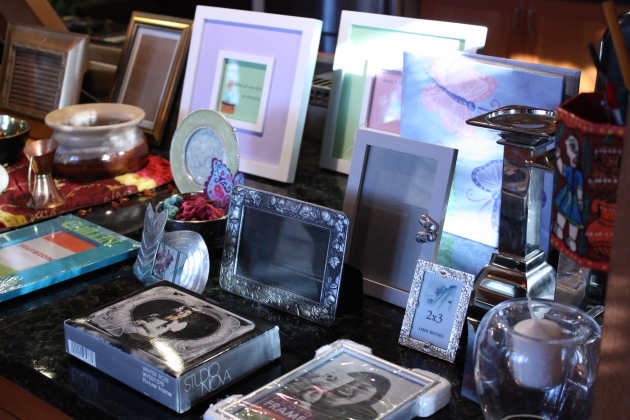
Free Frames! Photo © Kim Scott-Olson

Free Housewares, Photo © Kim Scott-Olson

Free Housewares, Photo © Kim Scott-Olson

We took this idea about a thousand steps further and created The Buy Nothing Project, which has grown into a worldwide social movement of hyper-local gift economies set up in communities all over the globe. At last count, we have well over 1500 groups and we’re approaching 200,000 members. We’re like Freecycle, but our emphasis in on community-building.

Free Toys For All Ages, Photo © Kim Scott-Olson

Yet, this year I didn’t have the time to host a holiday boutique here in our home, so I collected the items from the school, had my kids go through their toys, and I purged things from our housewares, and we’ve simply been offering them up to the community through our local Buy Nothing group. A truck-load of items that I got from the school has been given away, with only 1 box left for Goodwill. Families are so happy to receive items to relieve the burden of gift-buying, and perhaps free up some funds to spend locally.

My reasoning is this: If we all just take our perfectly-usable unwanted things to Goodwill, we’re removing those items from our community wealth. If we continue to share them with our neighbors, offering up what we no longer need or use, our community  benefits in small but measurable ways by buying less stuff in general and saving that money to spend nearby: in a local restaurant or shop, for travel and exploration, for concerts and exhibits, for education. Over the holidays, there’s so much right here in our neighborhoods that’s shareable. The key is to seek those items out, and divert them away from the landfill or anonymous charity, and circulate them throughout the community again and again. I’m warmed by seeing my children’s dollhouse gifted 5 years later to yet another family. These things last many lifetimes, and sharing them sends a message to manufacturers that we don’t need to make so many, especially of they’re well-made.

img_6948

So, I look at our “stuff” as a community asset. Things we should keep circulating around our neighborhoods, for reuse, so we don’t go out and buy the same things over and over, producing the mountains of waste we see heading each week to the landfill. If we change the way we handle our stuff, add sharing into the picture, we can make a huge impact on our planet. In fact, each gift, in our original Buy Nothing Holiday Boutique, had a printed reminder of where the gift came from, the benefits of a gift economy, and the responsibility we each have as stewards of each item, ensuring that it stays in our materials economy, and not in our landfills or oceans, for a long time hence.

The Virtues of a Circular Economy, Photo © Kim Scott-Olson

20 Wine Cork Uses

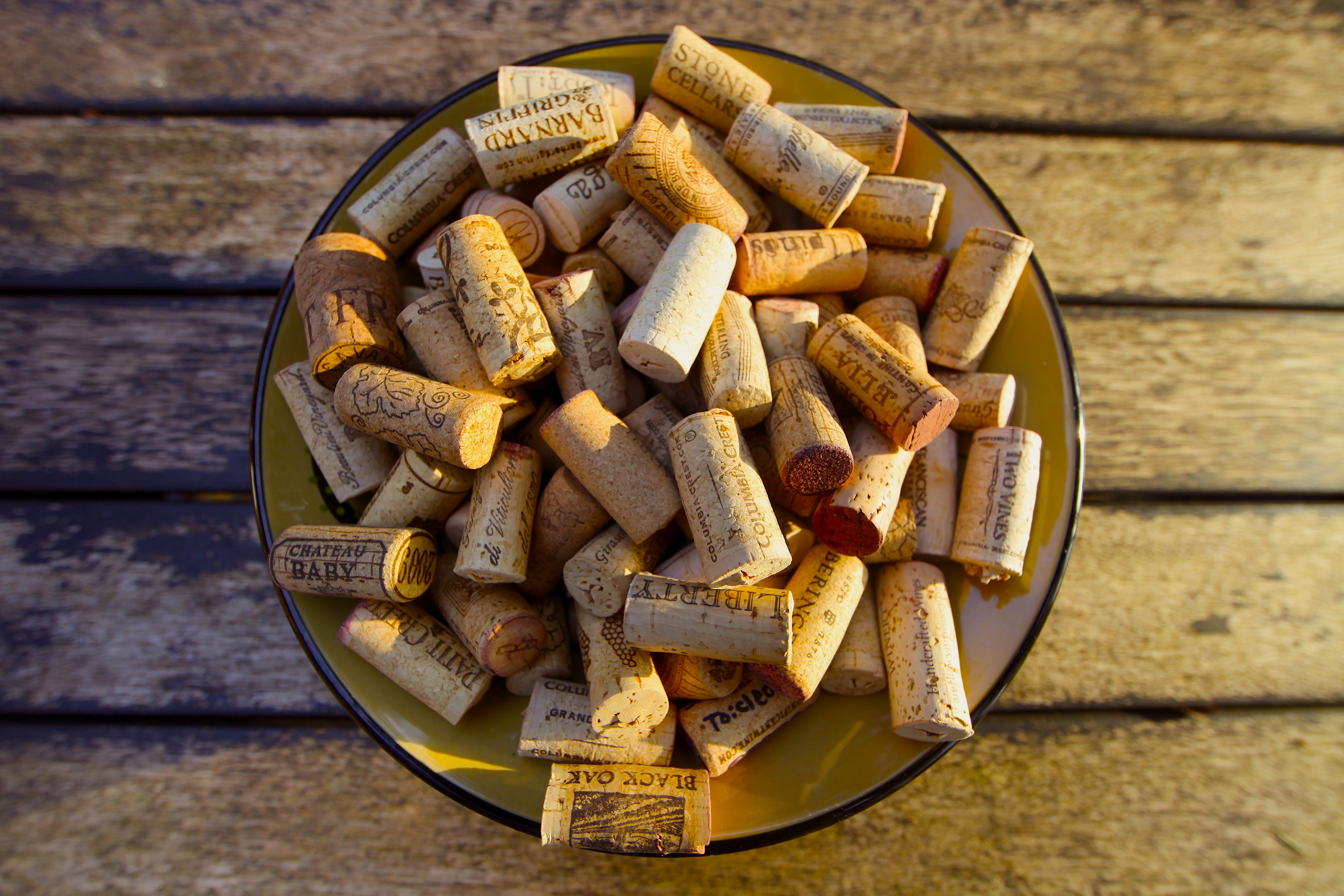
25 Reuses For Natural Wine Corks. Photo © Liesl Clark

Wine corks have a natural mystique. There’s something attractive about those stoppers of cork once they’re released from a bottle of fine wine. And when you’ve accumulated a few, cork projects come to mind. One of the first DIY projects I made for my first home was a cork board out of a frame of recycled old painted wood found at the dump in Aspen, Colorado. It was such a thing of beauty, I made several of them, collecting corks from local restaurants, and I sold them to a shabby chic antique barn.

Before I start in with this list, I feel compelled to bring attention to the fact that cork is a renewable recyclable material. Recycling your cork through Recork or Cork Forest will keep your cork out of the landfill and result in cork flooring and other cool products made of cork like shoes. Each organization can point you to your nearest recycler or you can take corks to a bin at Whole Foods Markets since they have a partnership with Cork ReHarvest.

The cork forests of Portugal are one of the oldest forms of sustainable agroforestry in the world. They’ve been in production since the 13th century and harvesting of the cork does not require cutting down the tree. Buying wines that use natural instead of plastic corks helps sustain these forests and their biodiverse habitats that need continued protection. But how do you know which wines have natural corks? There’s now a web app for that!  Put out by Recork, I love this app called CorkWatch. I did a search for my favorite local winery, Eleven Winery, and found that all of their wines are corked with natural cork. Kendall-Jackson by contrast has a Reserve chardonnay in natural cork and their less expensive everyday chardonnay in plastic.
Although there’s risk of getting a wine with cork taint if you sample a natural cork wine, I still prefer purchasing a plastic-free wine. We know plastics leach BPA into liquids and there is good evidence showing that the plastic corks are not allowing wines to mature properly. Recork’s CorkWatch is helping me reduce my plastic footprint. Furthermore, Cork Forest Conservation Alliance has a method of identification on the bottles themselves which some wineries are using: If you see an acorn on the bottle it means the cork is natural.

If you have accumulated some plastic corks, apparently the industry says you can recycle them. Of course our recycler won’t take them. I couldn’t find any information whether Seattle takes them and Earth911 had zero results for a recycler in our region. Hmmm. I think I’ll stick with traditional cork.

Ok, so you want to do something cool with your saved natural corks rather than recycle them? Here are a few ideas.

1) Wine Cork Cork Board: It’s as simple as gluing the corks against particle board with a frame around it. I use wood glue.

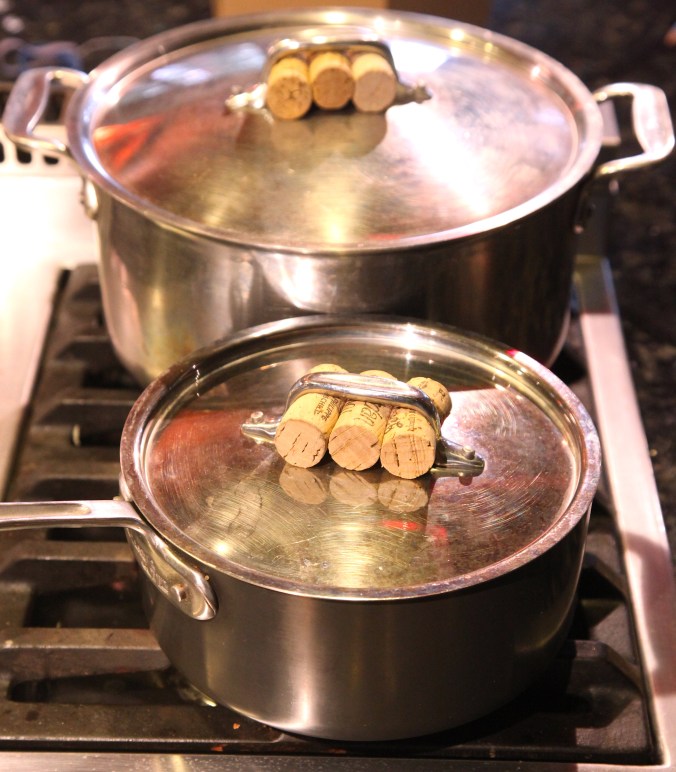
2) Wine Cork Pot Grippers: I squeeze them inside the handles of my cookware so I can pick up the pot tops when they’re hot without the need of a pot holder. Corks don’t conduct heat so these cork handles have become a staple in our kitchen.

cork potgrippers

3) Cork Stamps: If you’re good with an exacto knife, try carving some stamps.

4) Bulletin Bar: Line up your corks and glue them to a yardstick. This makes a yard-long bar for pinning things like your children’s art.

5) Cork Placemat: With 50 corks, a utility knife, and a hot glue gun you’ll have a cork placemat in no time (Okay, it’ll take some time.)

6) Cork Plant Labels: Cork looks natural in the garden labelled with the names of your veggies and herbs you’ve planted.

7) Furniture Leg & Floor Protector: Little cork disks make great furniture leg pads to protect your wood floors from scratches.

8) Wine Cork Key Chains: They might keep your keys afloat!

9) Cork Centerpiece: If you have a large glass bowl and a tea light you can make a pretty cork centerpiece.

10) Cork Trivet: Cork is a great material for making a trivet.

11) Cork Backsplash: If you have a wet bar, a cork backsplash would look great.

12) Cork Ornaments: Corks and beads make pretty Christmas ornaments.

13) Wine Cork Wine Coasters: They might be a bit wobbly for your wine glass but the do look cool.

14) Cork Wreath: Even wreaths can be made from wine corks. Next thing you know, you’ll be able to make a planter out of wine corks.

15) Wine Cork Bird House: This video shows you how to do it. Doesn’t look tough.

16) Wine Cork Place Card Holder: These aren’t difficult to make and they leave a great impression.

17) Wine Cork Curtain: Alas, I can’t find a decent tutorial, but imagine stringing corks and beads together to create a 60’s-ish curtain of cork-strings in your doorway.

18) Wine Cork Base Board: This Old House shows you how to make a base board runner made of wine corks.

19) Wine Cork Dog Leash: Really! And it’s not hard to make.

20) Plant Pot Moisture Absorbers: This one is 2 ideas in 1. You can place corks in the bottom of your large pots to reduce the amount of potting soil you need to put in while providing drainage. But you can also grind up some corks in your vitamix and put the bits in your soil to help hold moisture on hot days.