Fabric Scrap Doll Tutu

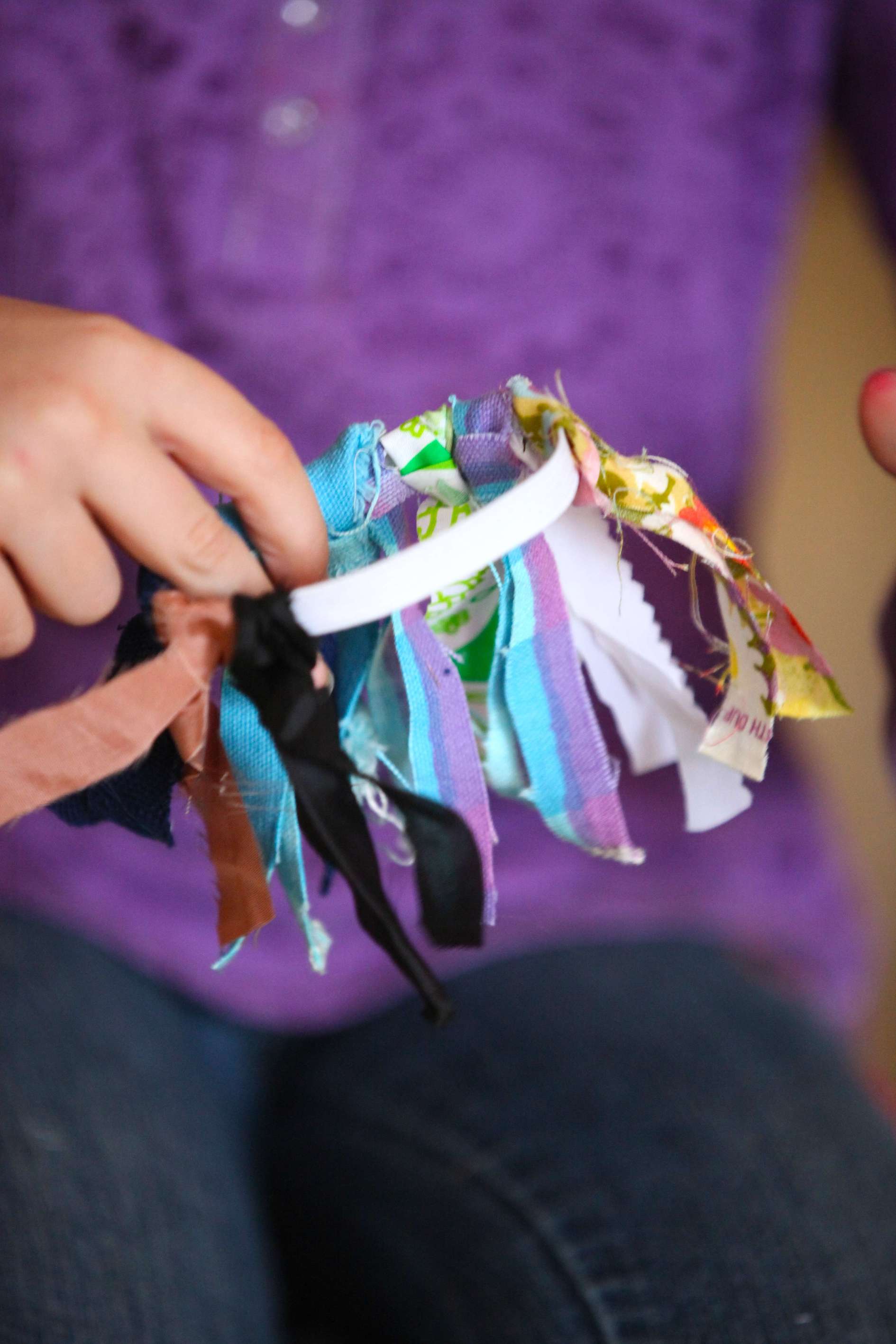
Easy Fabric Scrap Tutu For a Child to Make, Photo © Liesl Clark

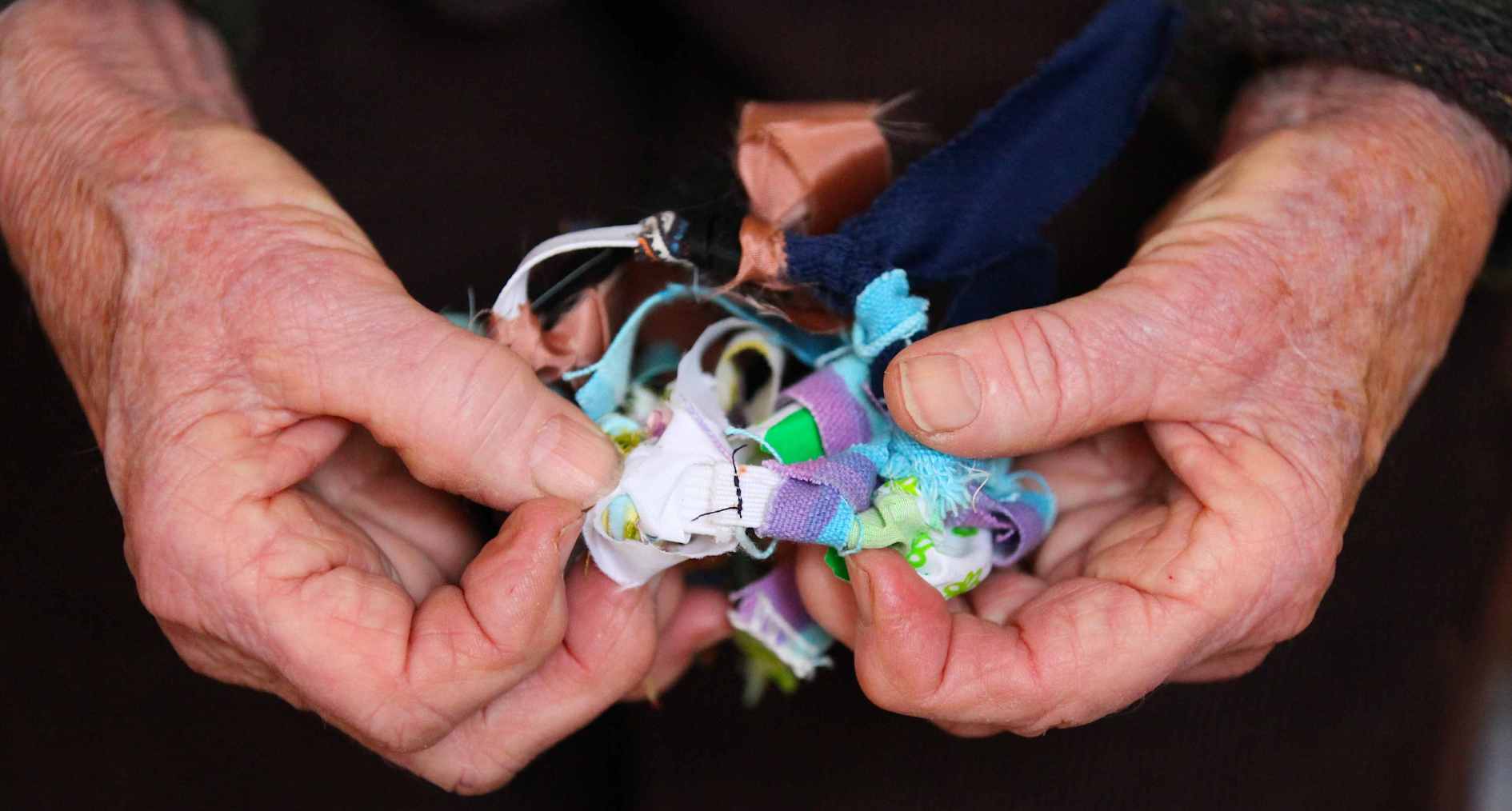
Visiting grandma means we get to dive into her boxes of fabric scraps. For 40 years, no fabrics have been wasted in her house. Just last month, she passed on several boxes to a local quilt-making organization, but luckily we found a few more up in her attic.

Grandma's Fabric Scraps, Photo © Liesl Clark

We looked in the Trash Backwards app for some good fabric scrap reuse ideas for small hands and landed upon a fun tutu tutorial for a little girl. My daughter decided she wanted to make it for her stuffed panda. So, we took our lead from the tutorial at Home Sweet Home and made a mini version for a doll or stuffed animal.

Strips of Fabric Scraps, Photo © Liesl Clark

1) First, cut your fabrics into 1/2 inch to 1 inch wide strips. We made ours approximately 6-8 inches long.

2) Find an elastic waistband, about 8-12 inches-worth and sew 2 ends together so you have it in a loop.

Sew Your Waistband Into a Loop, Photo © Liesl Clark

3) Fold your strips in half length-wise and place them underneath the waistband with the loop sticking out of the top and thread the ends of the fabric scrap through your loop, tying half of a square knot. This is how you tie on your skirt scrap pieces.

Adding Fabric Scraps to The Waistband, Photo © Liesl Clark

4) Tie your scraps on one after the other and gather them together tightly.

Tying One On, Photo © Liesl Clark

5) We wanted to be sure that the waistband was sewn together well, so grandma reinforced it with some hand-sewing.

Reinforce Your Waistband Ends, Photo © Liesl Clark

You’re Done! Spread around your strips so they even-out your skirt and you can add on more strips of color wherever they’re needed.

A Tutu For a Doll or Stuffed Friend, Photo © Liesl Clark

Panda Loves Her Tutu, Photo © Liesl Clark

Dancing With Her Tutu, Photo © Liesl Clark


Fabric Scrap Tutu, Photo © Liesl Clark

Letting Go of Honey Hill Farm

JPEG image-74D81F27B287-11

Our daughter was born here. It’s a 300-year-old beautifully renovated farm that is a testament to the impermeability of time, weather, and wear on a well-loved home. Our babies lived the first years of their lives swinging in their car seats from the 1705 beams, crawling on the wide pine floor boards, and sledding down through the apple orchard out behind the barn. The hill was where we kept bees and in our first year there 100 pounds of clover honey was harvested from three hives perched beyond the white pine. We sold the golden elixir on our porch to neighbors we met over time. It was an idyllic place to live, but alas it’s now time to let it go.

Sideoutback

The truth is, we haven’t lived there for the past 10 years.

JPEG image-74D81F27B287-5

Due to a need to move to the Pacific Northwest for work, we left our beloved New England farm and family 10 years ago, just before the market crashed. When housing prices plummeted, we knew we had to hold on to the home, and rent it out, to wait until the situation stabilized. In 3 months’ time, if all goes as planned, our farm will change hands, and become an experiential preschool for families who want to bring their children in close contact with the Earth.

Essex from street 2

Although we moved our primary “stuff” from the farm years ago, we’ve had to slowly get rid of the last bits and pieces that comprise a final vacating of a property.

JPEG image-74D81F27B287-6

These are the kinds of items most people simply throw away, too hurried to mindfully find new stewards for their still-useful items.

JPEG image-74D81F27B287-16

We travelled back to New England last summer to take 3 days to gift our stuff to members of our former community. I connected with the admin of the local Buy Nothing group and she let me temporarily join the group to post our remaining possessions to neighbors.

Screen Shot 2016-03-04 at 11.00.05 AM

Everything disappeared in a matter of hours. Paint, farm tools, antiques, old hardware, large work benches and potting tables were hauled off the property by people happy to come in their cars and trucks to reuse what we couldn’t fathom carting across the country to our home in the Northwest.

Screen Shot 2016-03-04 at 11.00.58 AM

We’re essentially masterminding a zero waste move.

JPEG image-74D81F27B287-8

Here are our best simple tips for a low impact move for anyone trying to reduce their waste when moving out of one property and into another:

  1. Create recycle/reuse waste streams in boxes for easy-to-recycle/reuse items: i) Regular commingled recycling (plastic bottles, glass and paper); ii) Plastic bags (to recycle at grocery stores); iii) Metal (to recycle in a metal recycling facility); iv) Office supplies (pencils, pens, paper clips, etc to give to a teacher or an office somewhere); v) Batteries (take them to your nearest battery recycling facility.)
  2. Don’t buy new boxes. Ask for them on your Buy Nothing group or get them from your nearest liquor store.
  3. Create collections to give away: It’s easier to commingle all of your hardware, or garden supplies, paint supplies, pet supplies, music, etc together to give to neighbors as collections of like-items rather than randomly giving away each item individually.
  4. Don’t buy paper for wrapping fragile items: Use newspaper (ask for it in your Buy Nothing group) or plastic bags, bubble wrap, and styrofoam that you’re planning on recycling,  or napkins, t-shirts, clothing to wrap around your glasses and fragile items for shipping. It saves money and waste.
  5. Even old paint can be reused: Before taking your remaining household hazardous waste to your hazardous waste facility, do check with neighbors to see if they’ll use it. We had people come to pick up our interior and exterior paint for their own projects.

JPEG image-74D81F27B287-3

What additional broad-strokes tips can you add to this list?

JPEG image-74D81F27B287-13

We’ll dearly miss our Essex home on the marshes. © Liesl Clark

Fastest Caesar Salad Dressing, Plastic-Free

Fresh Salad Dressings Made in Bulk in Glass Jars Will Get You to Eat Your Greens. Photo © Liesl Clark

We’re big on salads, growing greens for 12 months of the year. And often, the only thing hindering us from making a salad for lunch or dinner is…the dressing. If you don’t have one ready to just throw on your greens, chances are you’ll skip the salad on a busy day. Solution? Make a big batch of the most delicious dressing you can cobble together so it lasts several weeks in the fridge.

So, get out your favorite bottles or jars because we’ve got a fabulous dressing that’ll keep you and your loved ones wanting salad at all meals:

Liesl’s Faux Caesar Salad Dressing:

Plenty of Garlic. Photo © Liesl Clark

Crush about 4-6 cloves of garlic. We use a garlic crushing stone.

A Garlic-Crushing Stone is Fast and Easy. Photo © Liesl Clark

Place in your favorite jar and add 1/2 Cup extra virgin olive oil.

Olive Oil is Always at Hand. Photo © Liesl Clark

Add about a tablespoon of fish sauce. Fish sauce? Yes, fish sauce, as found in Thailand, Vietnam, and in the Philippines is a savory seasoning staple in our household. It serves as an easy alternative to anchovies in this recipe. Be sure to buy it in a glass bottle.

No Need For Anchovies! Get Fish Sauce in a Glass Jar. Photo © Liesl Clark

Add about 1/2 cup freshly grated parmesan cheese.

Fresh Salad Dressings Made in Bulk in Glass Jars Will Get You to Eat Your Greens. Photo © Liesl Clark

Add a tablespoon or 2 of red wine vinegar or homemade vinegar from your fruit scraps.

Adding Vinegar to Taste is Best. Photo © Liesl Clark

Done! Every time you use the dressing, you can add a little more parmesan cheese for added flavor. Also, it’s easy to adjust the amount of vinegar and fish sauce to taste. Every fish sauce tastes a little different from the next brand and vinegars, too, can be stronger than others. We use anything from our homemade red wine, cider, and blackberry vinegars to malt vinegar. Our children just love this dressing. Enjoy!

Stop Friending Spammers

When an unknown person “friends” you on Facebook, do you accept their virtual friendship, without knowing who they are? For the past month, every day I’ve received about 5 new friend requests on Facebook from spammers. What’s disturbing is that many of them are friends of my real-world friends. Corporations and sponsoring organizations are ever-increasing the pressure they put on employees, sponsored athletes, independent filmmakers, freelance writers, and content producers to garner as many “friends” and followers as possible in social media. This encouragement to use social media as a platform to reach a broader audience means that spammers are easily getting in the door, and posting their unwanted advertising for more unwanted plastic crap. Or worse yet, they’re identity thieves looking for your financial information, or fake news spreaders, doing all they can to alter reality.

The irony is that this corporate push for employees to have a big social media footprint allows scammers to push the very products that are in competition with the corporations my inadvertent spam-supporting friends work for. Do you see where I’m going with this?

Let’s do our best to make sure we’re only friending real people who have real profiles. I’ve seen athletes and aspiring public figures approaching the coveted 5,000 friends mark,  yet at least a fifth of those so-called friends are spammers. In a culture that already has too much commercialization in our everyday lives, couldn’t we be more proactive in reporting the scammers and saying “no” to their friend requests, which only serve to boost their ability to spam unwanted advertising all over Facebook and other social media platforms?

*Go through your friends list and be sure the people you’re friends with are real people.

*Spammers often don’t bother to put a banner photo on their page.

*Spammers often have a male or female profile photo but their gender is marked as the opposite. This is a sure sign of a spammer.

*You’ll see pretty pictures of girls in their profile pictures.

*Hit the message button, and you’ll see what groups they’re in and your mutual connections. If you know this person is a spammer, take an extra step and let your mutual friends know he/she is a spammer, too.

*If a spammer is trying to friend you, you can friend them and then look at their profile for a few minutes to determine if you really want to be their friend. If not, unfriend them. And, if you think they’re a spammer, when you decline their friendship, there’s an option to mark them as spam. Do the right thing and call them out. Facebook will thank you.

Here are a few examples of my prospective “friends” that are sitting in my friend request queue this week. Meet Liam:

Screen Shot 2016-03-01 at 8.48.46 PM

As you can see, Liam loves Oakley sunglasses. But more importantly, you’ll see he’s friends with 7 of my very real friends. Note, too, that he doesn’t have a cover photo.

And here’s Mark:

Screen Shot 2016-03-01 at 8.53.41 PM

Mark with no cover photo only has 13 friends, and his understanding of his gender is all confused. You can see he/she updated her/his profile photo on January 28th.

Alina, too, is unclear whether she’s a he. If I want to see posts on Alina’s timeline, Facebook tells me I’ll have to accept his friend request.

Screen Shot 2016-03-01 at 8.56.11 PM

And then there’s the very attractive Detweiler Roy Robert. He, too, just opened his Facebook account and quickly replaced his male mug with these attractive images of porn star, Kelsey Hess. (I only know that because I did a Google Image search of this cover photo and found several articles about spammers stealing her photos.)

Screen Shot 2016-03-01 at 8.57.17 PM

It’s no surprise that 97% of Detweiler’s 45 friends are male, and that he has joined some of the largest Facebook groups around (with over 8,000 and 9,000 members.)

If you’d like to know how to identify a scammer, like Detweiler, on Facebook, here are some further pro tips I’ve received from admins who regularly monitor groups with large numbers of members:

How to Identify Spammers:

1)  Very little normal social networking activity.

2)  New account.

3) Often there’s a lack of a cover photo (the long banner photo at the top of a personal Facebook account.)

4) Large number of Group memberships. Spammers typically are members of 100’s of groups all which have high membership like a thousand or more members. They also tend to be members of groups that start with the same letter of the alphabet and bear no relation to one another. They use apps to quickly join those groups. Our Buy Nothing local gift economies are increasingly getting requests to join from such scammers.

5) Fake profile picture, (for example, a pretty young female.) Simply do a Google Image search of their cover image or profile photo. Spammers steal photos from catalogues and other websites.

6) Gender confusion. Name is female but the pronoun associated with it is male and vice versa.

How to Report a Spammer:

Go to their account and report the account. Or, hit “Delete Request” and then hit the button “Mark as Spam.”

What are typical Spammers Spamming?

1) Sunglasses – often with a pretty young woman profile picture, the account usually belongs to a male.  You’ll find many are from Asian locations, but lately there have been more African spammers.

2)  Shoe sellers – Similar to Sunglass sellers.

3)  Low airfare sellers.

4) Money lenders – Often 45-55 year old man profiles, from Begium/France etc., wanting to “help end poverty” and such with easy to get low interest loans.  These scammers are known to steal personal/financial information.

This last category of scammers is of most concern. Let’s do our best to report spammers to Facebook. They manually review every report. And if you don’t mind, and you’re a Facebook friend of mine, can I let you know when I’ve received a friend request from one of your fake lovelies? I’d welcome it if you did the same for me.


25 Bread Clip Reuses

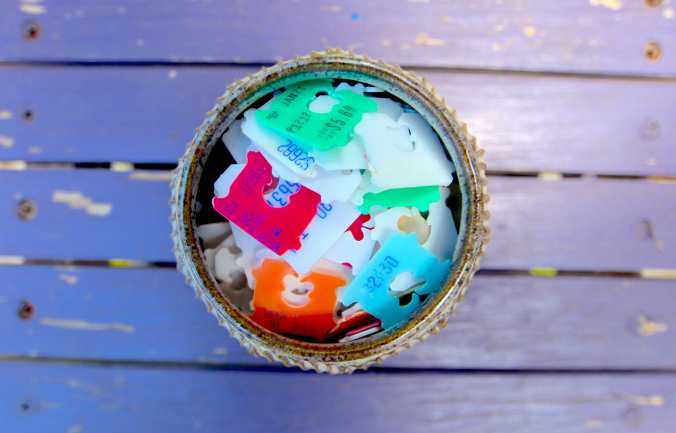
IMG_4795 Photo © Liesl Clark

Photo © Liesl Clark

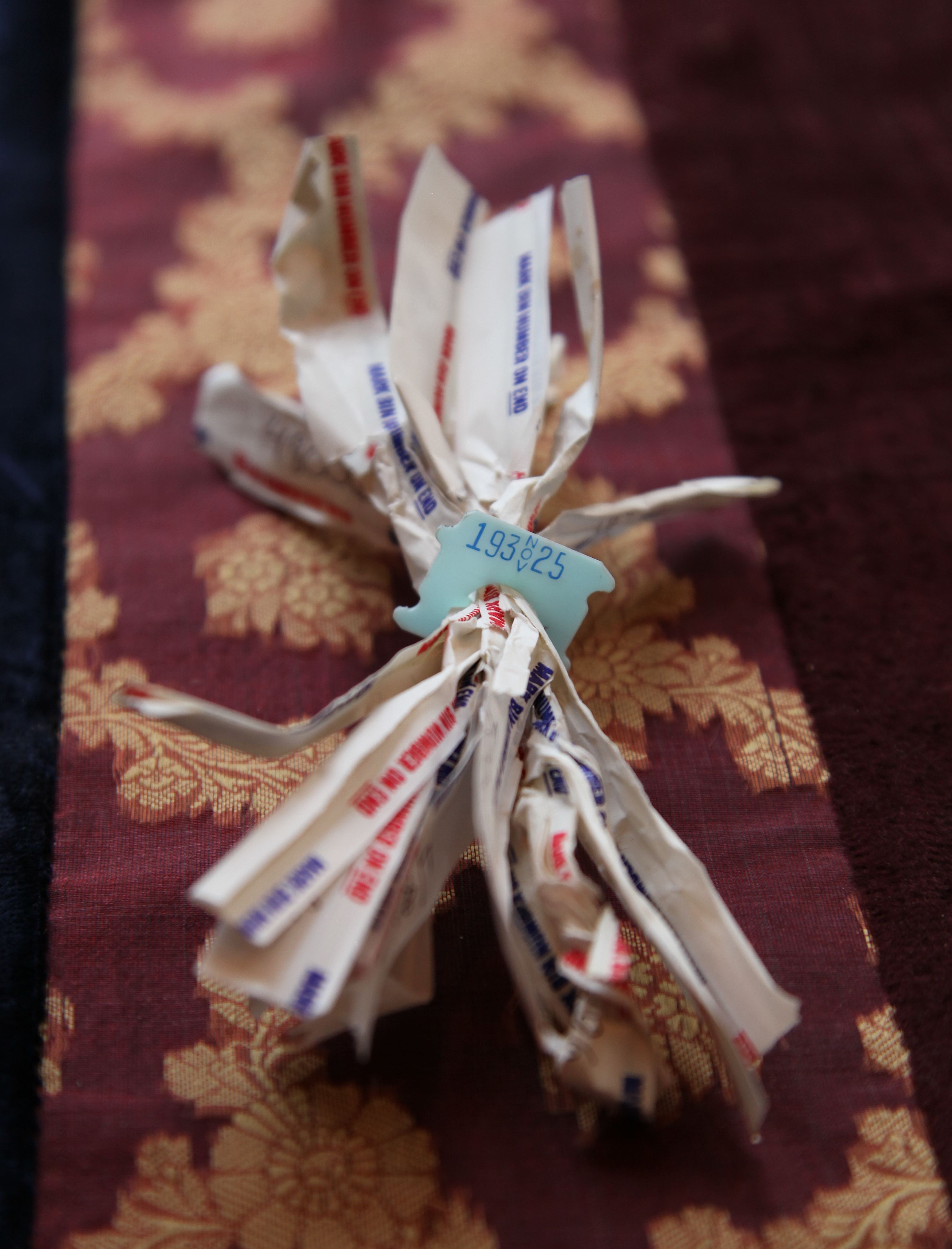
Although we most often bake our own or purchase locally baked plastic-free bread from our local baker, there is the occasional store-bought bread that comes in a plastic bag (recyclable at most grocery stores, if clean) with a hard plastic clip to keep it shut. These clips might also make their appearance on produce bags. Some call them bag clips, others bag tags. They’re made of hard plastic and as of yet we know of only one address in the US where you can send them, where they’re stockpiled and sold to help wheelchairs get to South Africa where they’re needed. So, if you’ve collected them over the years, please send them to this address here.

Did you know that over 20 cases of accidental ingestion of plastic bag clips have been published? The incidence are so detrimental to health that a team of researchers have classified in the British Medical Journal “morphology” chart the many varieties of bag clips, in an effort to determine which ones are most dangerous to the digestive tract and which designs are more benign.  Don’t swallow them, or you might become yet another statistic for this study.

We do have a few bread clips saved in some drawers, mostly for reuse. Here are a few of the ways we’ve used them in our home?

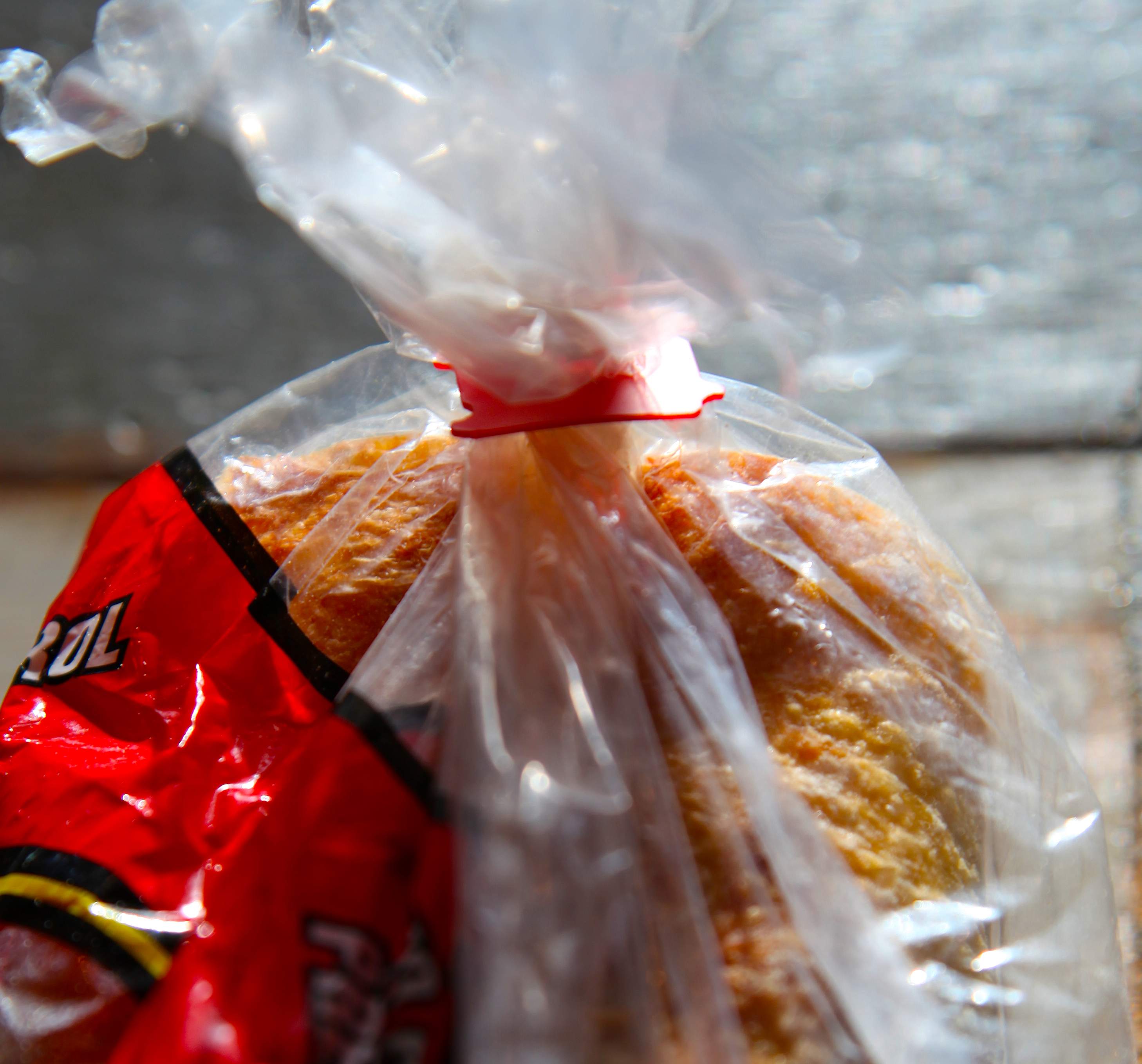
1) Reuse to seal other bags (yep, it’s obvious but I had to list it so you don’t throw them away.) We store our bread in a bread box, to keep it plastic-free. But, occasionally we’ll need to pack it in plastic when we go camping. Bread clips come in handy then.

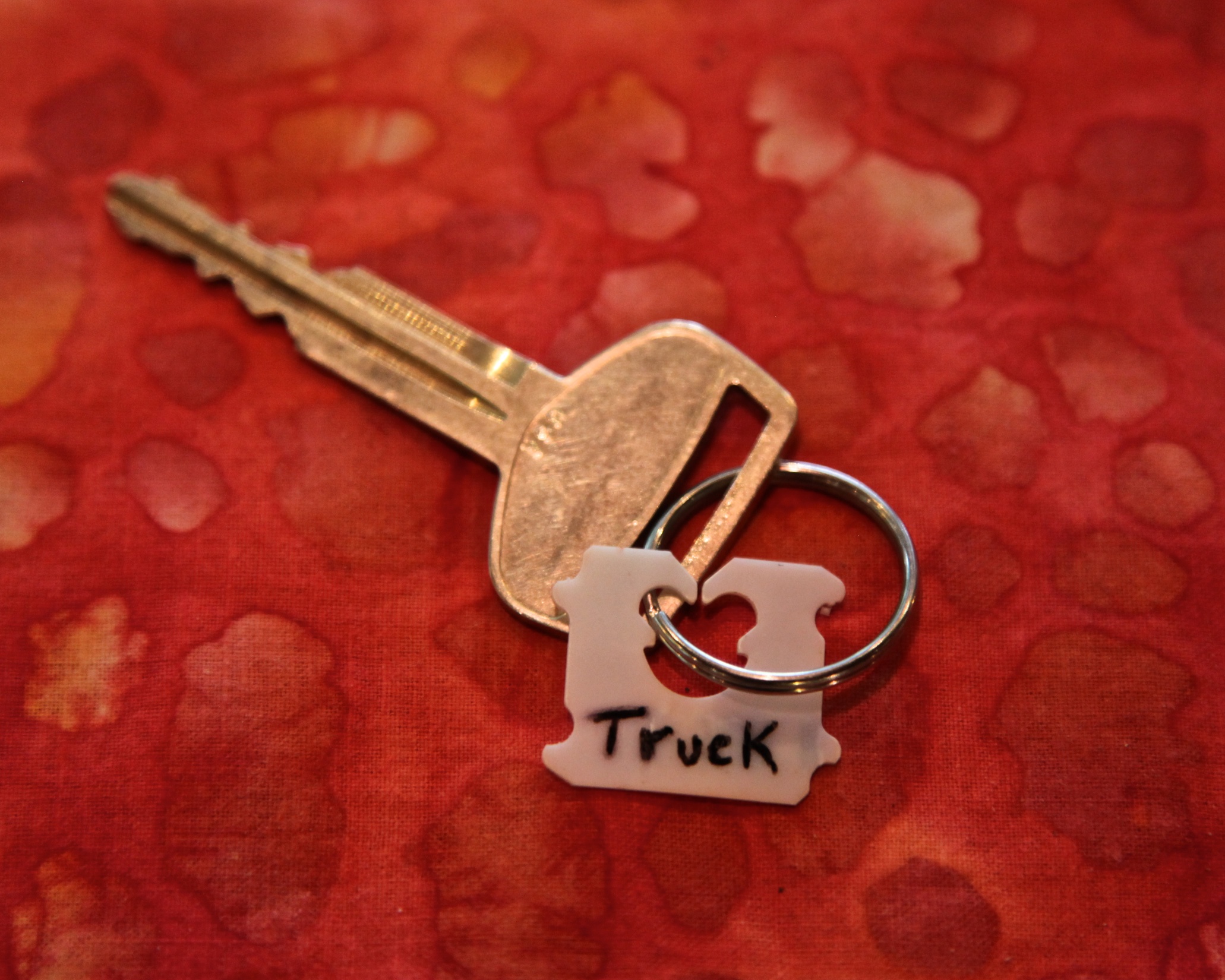
2) Label your spare keys with them!

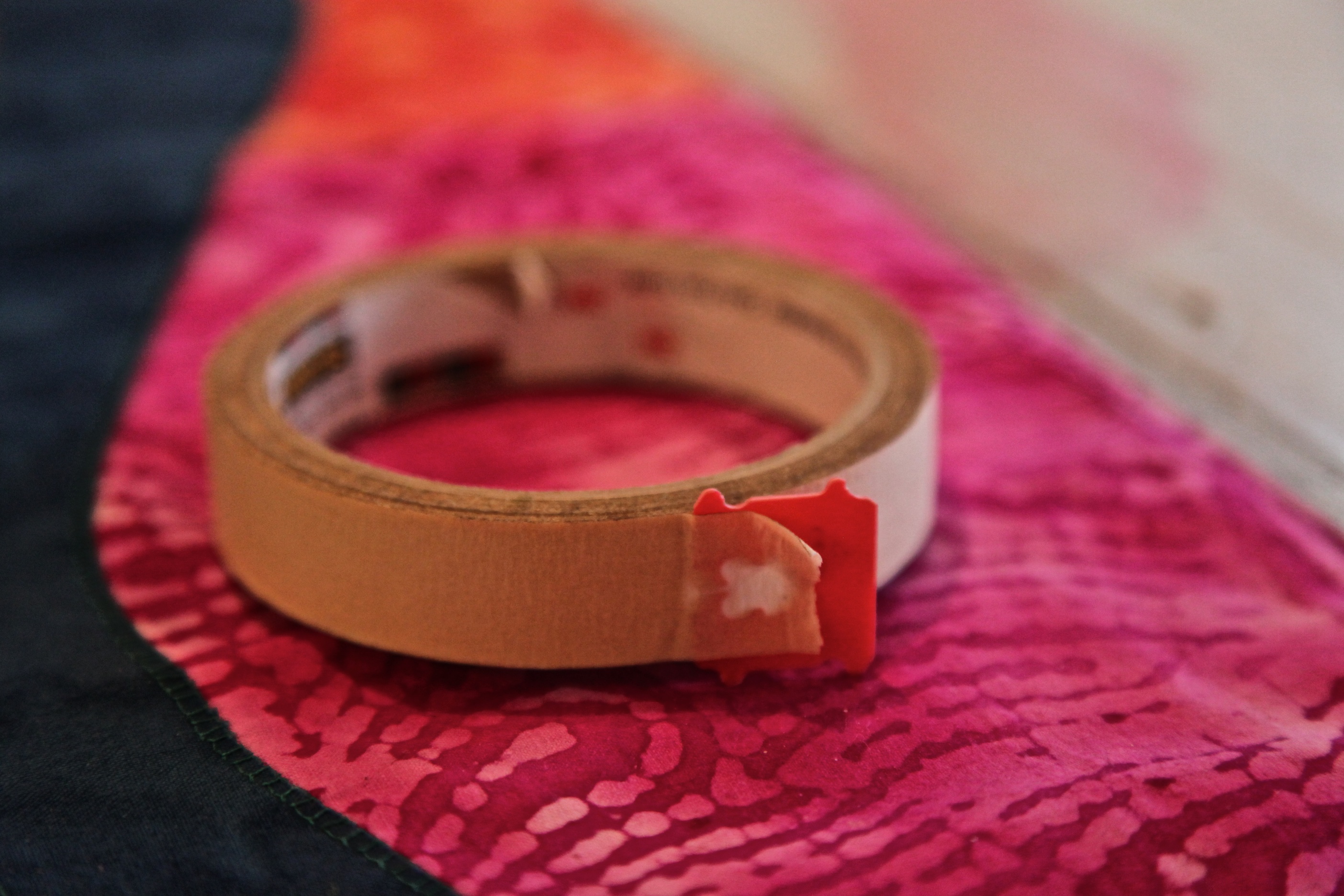
3) Place on the end of tape, like duct tape and masking tape, so you don’t have to spend time peeling the tape off itself.

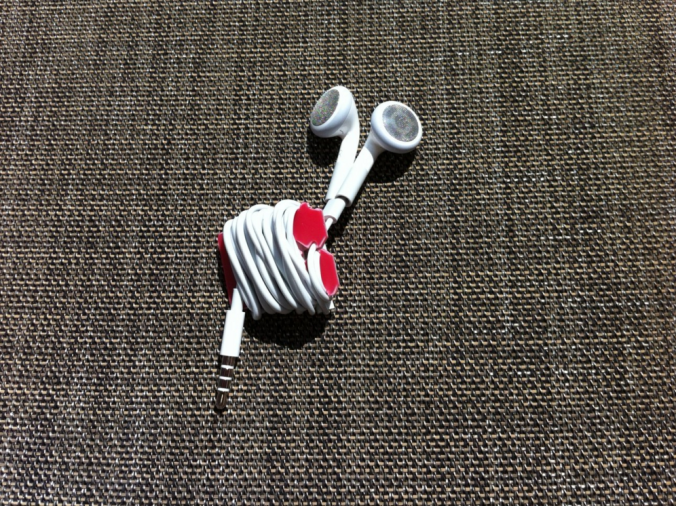
4) Use them as earbud tamers to store those earbuds and prevent the inevitable tangles.

Screen Shot 2016-03-01 at 3.19.01 AM

Photo: Jake Ducey

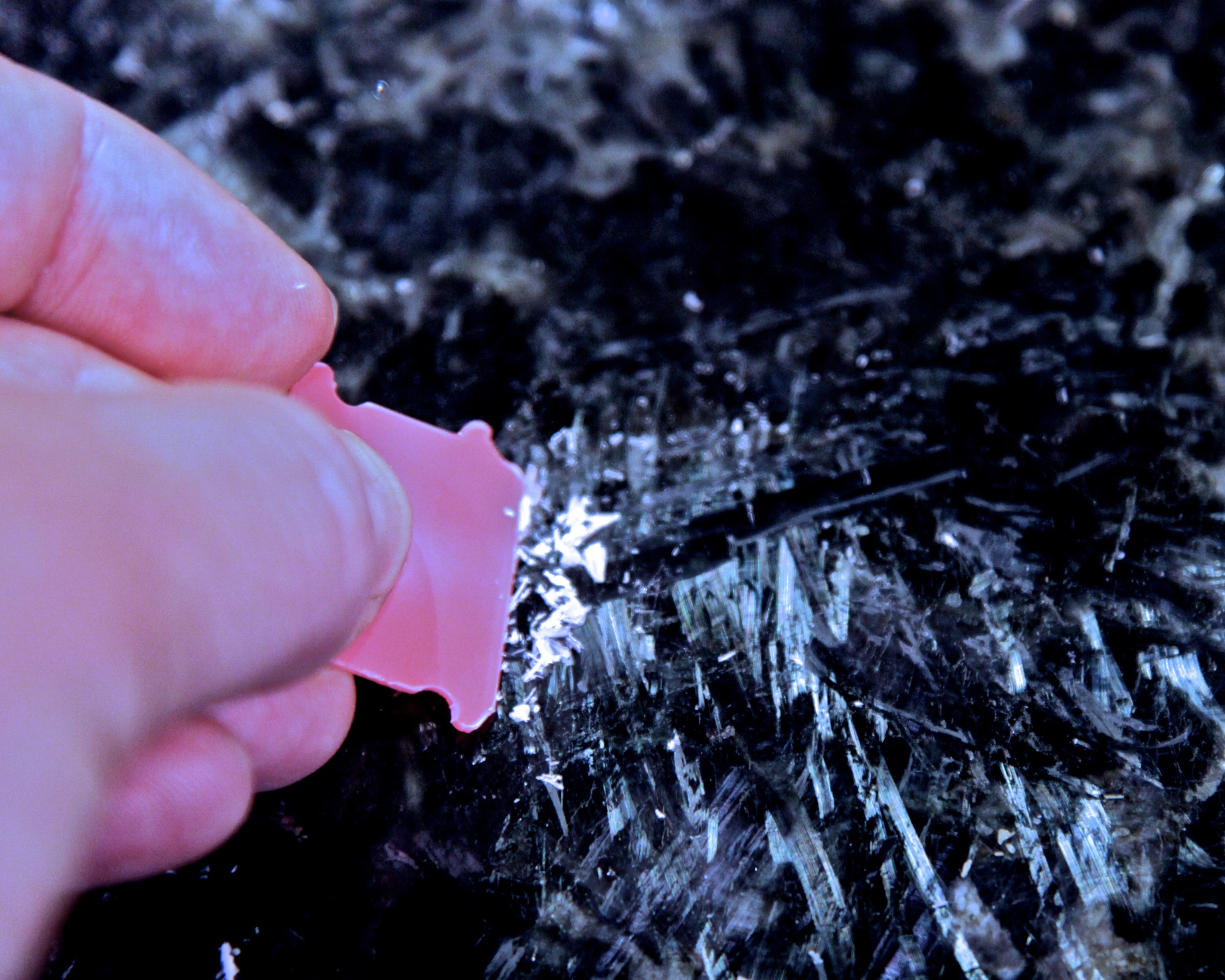
5) Use them as counter scrapers for hard-to -scrape -off crud. Same for pots and pans.

6) Use to hold together all your rubber bands in your everything drawer.

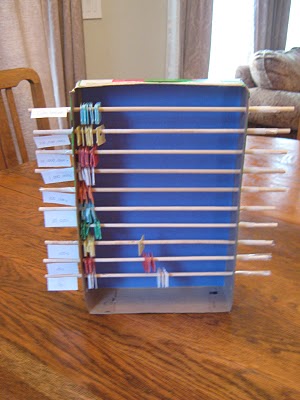
7) Make a cool cereal box and bread clip abacus by following this tutorial provided by Almost Unschoolers!

8) Use your bread clips to organize and label your desk and entertainment cables.

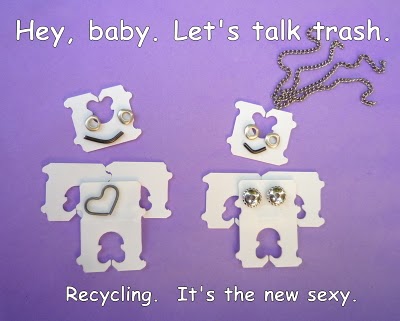
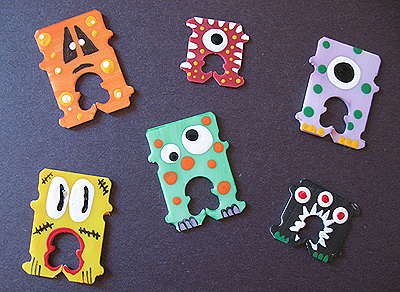
9) Make bread clip monsters like these at Crafts by Amanda.

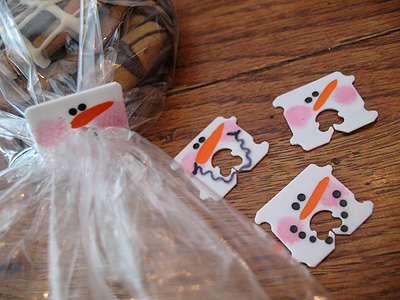
10) Make bread clip snowmen a la Crafts by Amanda, and impress your housemates.

11) Use as a bookmark.

12) Use to replace missing game pieces. A bread clip avatar for monopoly could be quite imposing if you put a scary business face on it.

13) Make a bread clip monster garland. Cute.

14) Use as wine glass identifiers for a party. Multicolored bread tags, or ones you’ve added faces to, work well to differentiate your guests’ glasses. Just clip ’em to the stem of the glass.

15) Write the letters of the alphabet on 26 bread clips and let your child put them in order.

16) Make some cute bread tag earrings.

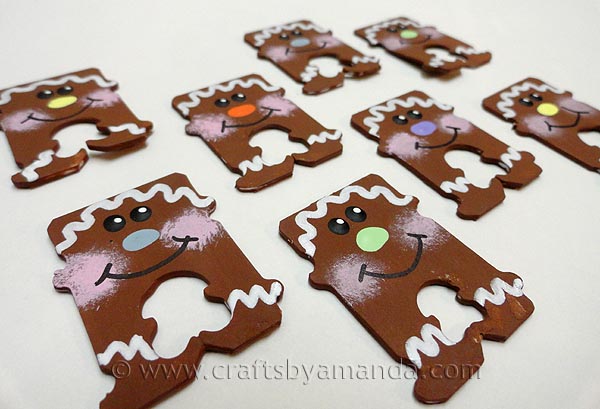
17) Make bread clip gingerbread men!

18) Use them to hold hair ties in the bathroom.

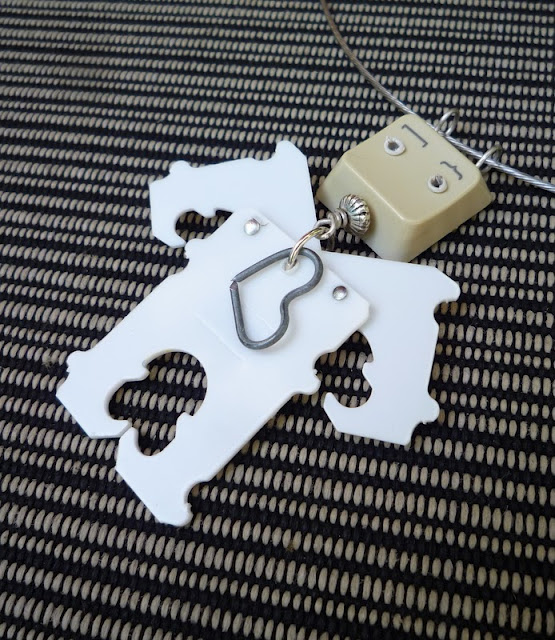
19) Learn how to make a robot necklace from Mich L in LA.

20) Make some more fine jewelry.

21) Here’s a pendant for some more ideas.

22) Use them to hold your twist ties in your reusable grocery bag for bulk items. I reuse these twist tie bulk food labelers, so having them in a bundle helps keep track of them when I’m in the bulk department.

23) Flip flop about to blow out? Use a bread tag on the bottom to hold the little end in place for a quick reinforcement fix.

24) Make a bread clip shower curtain (ok, I know you won’t, but it’s an interesting and artful idea.)

25) For some fun bread clip robot reprintables, please visit Mich L in LA’s blog, which is an inspirational site for repurposing our “trash” into artful creations.


Stone Garlic “Press”

If you’re a lover of kitchen gizmos like garlic presses but just haven’t enjoyed the clean-up factor, get yourself a big stone to use in your kitchen. Skip that gizmo that’s a pain to clean up, is going to eventually break, doesn’t give you all the garlic from that clove since it gets stuck in weird places, and simply use a pestle-shaped stone instead.  I’ve used one in my kitchen for 10 years now and I couldn’t live without it. In Nepal, my friends use stones in their kitchens: One flat one and one cylindrical one for crushing, mashing, and grinding either garlic, chili peppers, whole grains or whole spices. I brought a stone home with me and would recommend you look for one, too. Maybe there’s a pestle-shaped on out in the woods, in your garden, or on the bank of the nearest river or stream. Think cave man, not Pottery Barn. One hit on the garlic and it’s peeled. Another smash and it’s crushed. Easy.

5 Planters Made From Everyday Objects

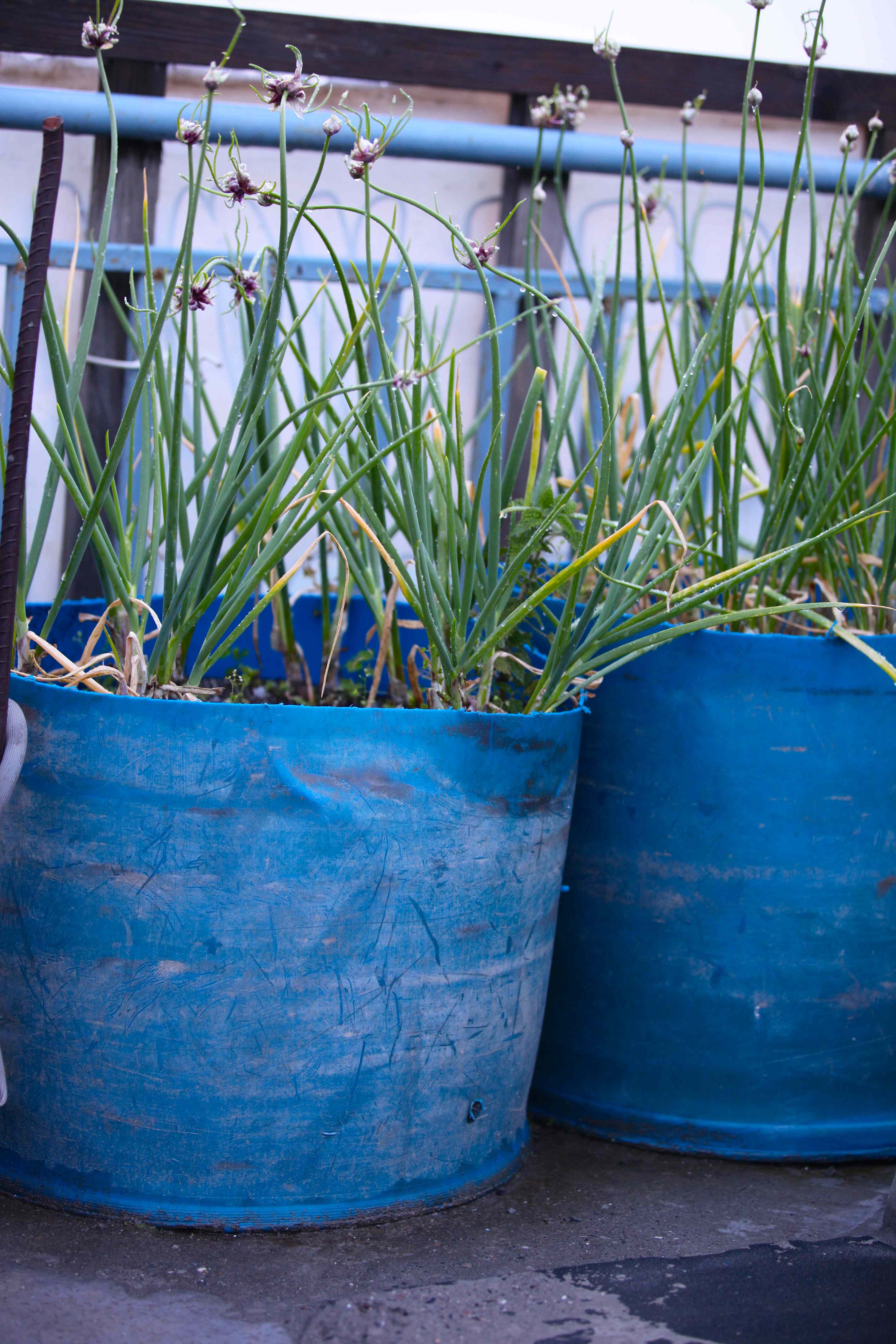
Large plastic containers make great container gardens. Think twice before you throw plastic receptacles away as someone might like to reuse it.

Planters are easy to come by. Whether you have little growing space outdoors, or want to beautify a patio or rooftop, pull your nearest receptacle or container from your trash and turn it into a planter. The more innovative, the more interesting and discussion-worthy for your friends and neighbors. Here are a few unusual planters we’ve come across in our travels in the Himalaya:

1)    Thermos Planter

The planter on the right is an old broken thermos. They also make great modified bird feeders.

2)    Styrofoam Cooler Planter

Herb planters in styrofoam. The village of Kalopani doesn't have styrofoam recycling. But this family found a way to reuse theirs to plant herbs for their restaurant.

3)    Paint Can and Bucket Planters

Paint Cans and Buckets Make Perfect Succulent Planters, Photo: Liesl Clark

4)    Gerry Can Planter

When this plastic water or fuel container broke, it was turned into a large planter.

5)    Barrel Planter

These barrels make great containers for donkey or yak loads when we go on expedition. When they break, they can make a great container garden.

These are all utilitarian planters, used in a place where there are no garden stores to simply go and buy yourself a clay pot. They’re also used in high Himalayan villages that have short growing seasons. Placed along a south-facing wall, these planters extend the growing season by a couple months.

What innovative planters have you grown your food in?

Leftover Wine And Fruit Scrap Vinegar

Wine aficionados claim that a bottle of wine should be consumed within 36 hours before the perishable liquid inside starts to deteriorate. Once oxygen is introduced, the wine begins to change. Recorking or sucking the air out of it will only deter the deterioration by a matter of hours. Putting the bottle in the refrigerator might help keep it for up to a week, but after that, it’s time to make wine vinegar!

Vinegars are so easy to make, it’s almost a crime to not make them with your leftovers. In a glass jar combine 2 cups of leftover red wine with a cup of distilled water and some “mother” from a previous organic vinegar you’ve finished and cover the jar with cheese cloth or a clean piece of cotton cloth so air can get in and dust stays out.

“Mother?” You ask.

If you look closely at the contents of the bottles above, you’ll find my 3 mothers. They’re from blackberry, apple, and pear vinegars, respectively, and I’ve been hanging on to them so I can use them as a starter for the next vinegars I make. A vinegar’s mother is a gelatinous mass that usually sits at the bottom of your vinegar bottle. It’s a sign that your vinegar is likely organic because it houses a lovely live culture. The mother is actually a type of acetic acid-producing bacteria called “acetobacter” and it consumes the alcohol in your wine, converting it into delicious vinegar.

If you don’t have a mother with which to start your homemade vinegar, you can find some in the bottom of a jar of Bragg’s Unfiltered Raw Organic Apple Cider Vinegar. Until I started making my own apple cider vinegar, this stuff was an essential ingredient in our home. It’ll cure you of any cold and is an excellent rinse for your hair. Save that mother and you’re ready to start making your own vinegars.
What about fruit vinegar? I make my own throughout the year from scrap apple peels and cores when making pies and apple sauce. Blackberries from our vines also make an incredibly delicious vinegar. Simply put your fruit scraps in a jar with some water and a “mother” from another vinegar and cover with cloth so the vinegar can breathe.
If you get mold because your fruit is on the surface and exposed to air, take the offending mold out and make sure your fruit is totally submerged in the water/mother mixture. Check on your jars periodically, but it’ll take a few weeks for the fermentation and culture to reach its peak. I always go by feel. After about a month I run the vinegar & fruit mixture through a cheesecloth, separating out the fruit but I retain the mother and place it and the filtered vinegar into a pretty bottle and cork it. And as the vinegar ages, like me, it only gets better.

Vinegars make great gifts, so you can never make too many bottles! Do you make your own vinegars? Please share your thoughts and let us know what your favorite fruit or wine varieties are.

Use Newspaper to Wash Windows

By Finn Clark

Have you ever tried washing windows with a rag? What happens? You get lots of smudges and lint all over your window. And if you’re using paper towels for window washing, the same problem will occur because paper towels have lots of loose material that gets stuck on your nice glass window. I’ve found a simple solution to the problem: Use newspaper! (My mom has also banned paper towels from our house, so we can’t use those.)

Use Newspaper For Window Washing. Photo © Liesl Clark

If I were to be really scientific about it, here’s the method I’d use for best results:

Spray a solution of mostly water and just a little vinegar onto the window. I don’t know why anyone would go out and buy “window cleaning solution” since this simple solution is easy to make, is less expensive, and is great for the environment.

Kids Love to Wash Windows. Give Them Some Newsprint and Let 'Em Go! Photo © Liesl Clark

Don’t use too much spray or it’ll be harder work for you rubbing all the wet stuff off your window. Next, rub in any direction you want. Some might say circular motions work well on caked-on bird poop. (Yup, I said bird poop in this post and I think it’s funny. Don’t worry, there’s no bird poop on our windows.) Your final strokes should be long up and down or back and forth motions to take off any residue. That’s it.

No-Smudge Newspaper Method. Photo © Liesl Clark

Does newspaper leave an inky smudge on your windows? No! I’ve never noticed any smudging, even with colored newsprint. We bring the crumpled wet newspaper inside and let it dry so we can use it as starter for our wood fires, or in summer we put it in our compost or worm bin. The worms love worn newspaper for laying eggs in.

Happy window cleaning!

Be Sure to Reuse Your Used Newspaper in the Compost or Worm Bin. Photo © Liesl Clark

8 Uses For Garlic Skins

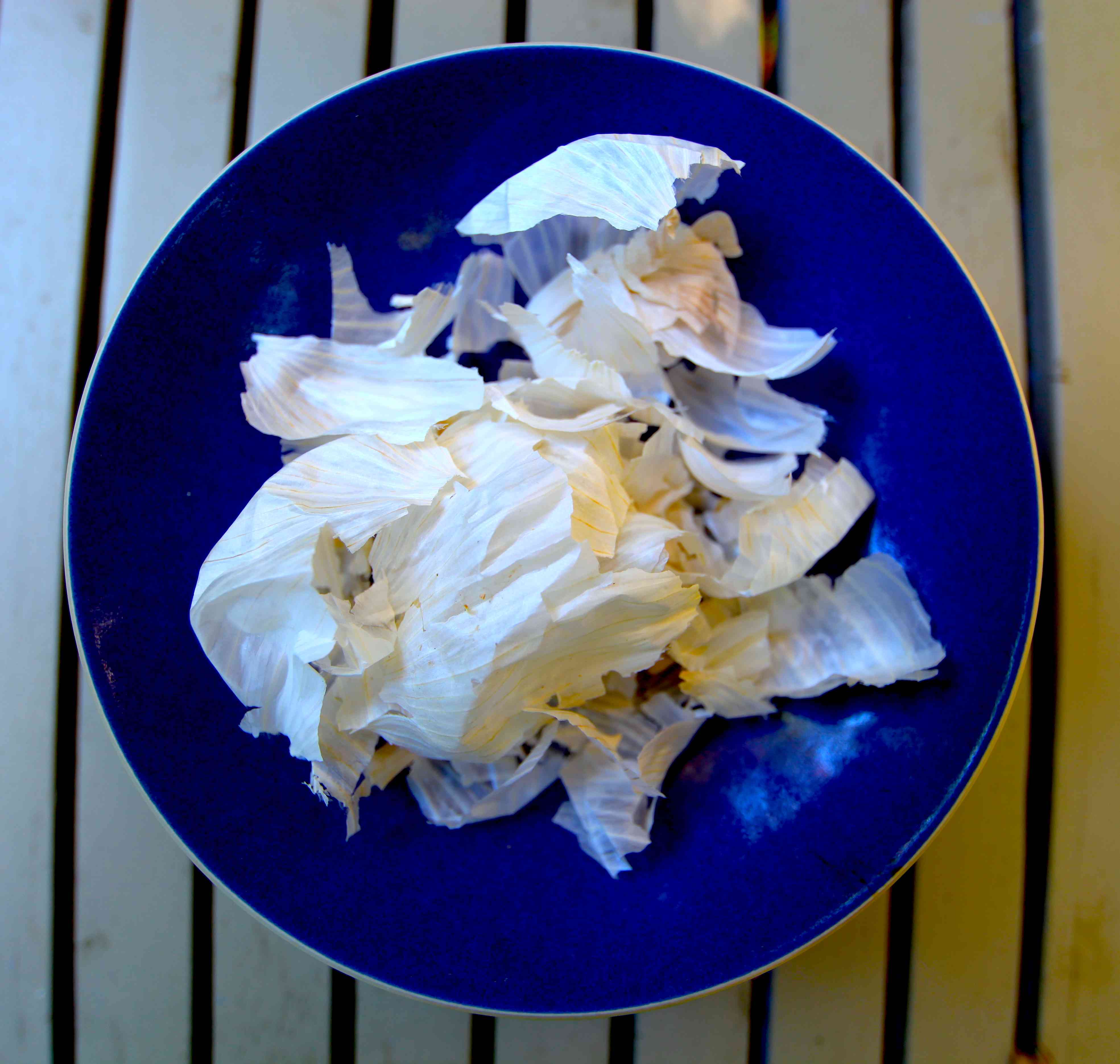
Garlic Skins Have Some Use Beyond the Compost Bin

In my ongoing fascination with the things I typically throw away, even in the compost pile, I thought I’d look up some of the most interesting ways to reuse garlic skins. Some, I already do, but there are a few new uses in this list I thought you might want to try.

Don’t toss those papery white skins!

1) Save them in your freezer and use for your vegetable or chicken stock. I also throw them in my slow-cooked beans to add more flavor.

2) Compost them.

3) Keep the skins on your garlic when you roast it and the protective skin layer keeps your garlic soft on the inside.

4) Eat it! According to the Daily Mail, the skin on fruits and veggies shouldn’t be discarded. As for garlic: “Peeling garlic cloves removes the ­phenylpropanoid antioxidants which help fight the ageing ­process and protect the heart.”

5) Make a paper rose out of your garlic skins.

6) Turns out garlic skin is a major antioxidant. Plan on seeing it in all sorts of health products in the near future.

7) Add them to your handmade paper recipe. They add a lovely texture.

8) Dye your hair with them using a natural ayurvedic technique.