Dust to Dust: Closing The Loop With Ceramics

Antique Ceramic Collected at the Beginning of My Ceramics Phase. Photo © Liesl Clark

I have a thing about earthen hand-made ceramics. They’re beguiling. Especially the ones made before the (pottery) wheel, with their human thumb-prints inside a perfect sphere. I’ve been collecting them, along with wheel-thrown pots from exotic locales, for years.

This one's from Kitale, Kenya, on the border with Uganda. I acquired it when I made a film about the mountain elephants there. Photo © Liesl Clark

But more recently, we’ve had some losses with this highly impermanent material. I fully understand why ancient people found ceramics of such use. They were sustainable, made from a renewable resource — the clays of our Earth. So, when one broke or became worn, it wasn’t a big deal. You could always get another.

IMG_2431 Photo © Liesl Clark

But the really old pots, today, are either well-loved or have value. Here’s our story:

It was a dark and stormy night. The wind moaned through the windows, but then a bang happend inside the house that caused us to shudder in our beds. It wasn’t from the tree-branch-driven tumult outside, but from some lurking creature on the inside.

Within seconds the gig was up when we heard a “meow” and I knew our furball had done some terrible deed.

True to her mischievous ways, Willa had knocked a very old pot from one of our ceiling beams. It was a pot that I had brought back from Thailand when I was in my twenties. It was made in Burma and the patterns on it were stunning. Its twin still sits up on a beam, surely tempting our vixen.

Ancient Pots on Wooden Beams. Only Safe Place in the House. Until Willa. Photo © Liesl Clark

Why do I have old clay pots on our beams? Their earthy colors and feminine curves feel like a good combination with the hand-hewn beams from first-growth douglas fir recycled from Seattle’s oldest piers. With children and pets in this house, the 35-foot-high beams were the only place I could think to store the fragile pots out of the way of balls, feet, tails, claws, spills. Who knew that the cat could get up so high and push a pot from its perch?
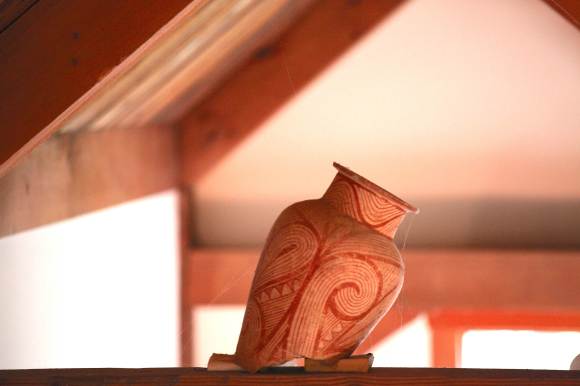
The Burmese Pot Turned Potshards. Photo © Liesl Clark

Then, a week later, Willa the cat jumped onto a terra cotta elephant we had brought back from Nepal. This lovely strawberry planter was outside on our deck and somehow she managed to smash it to pieces.

Broken Terra Cotta Elephant. Photo © Liesl Clark

Here is it's twin. Photo © Liesl Clark

I’m losing patience with our whiskered she-devil.

She's Not Very Buddha-like. See The Beams Way Up High? Photo @ Liesl Clark

And now I have a new waste stream to deal with: Broken terra cotta pots.

What to do? A couple days of research yielded some decent options:

Drainage: Break up your pots and use as drainage under eaves of your house to encourage draining the rainwater away from the house. You can also break up the pieces to use as drainage in the bottom of large pots. The terra cotta actually absorbs a good amount of water, aiding in the drainage process wicking water away from the source but also absorbing some for plants above if they’re deep inside a pot.

Garden Bed Edging: Partially buried pieces of terra cotta pots can make a nice garden border or edging, or a feature unto itself in your flower bed.

IMG_2266

This dragon, on the edge of a broken pot likes to eat dirt.

Plug Up Holes in Your Chicken Yard: Our chicken yard needs some repair, especially in the places where the chickens have dug holes along the fence. We use broken terra cotta pieces to repair these holes to ensure digging raccoons, mink, and rats don’t get in. Yes, I said rats. They crawl through holes they make and then snuggle up in the shredded paper bedding underneath their nest boxes.

Broken terra cotta pots plug up holes in our chicken yard to keep the vermin away. Photo © Liesl Clark

Buried Pot Whimsy: Half bury a broken pot and add a plant inside to give off the effect of an overturned pot buried over time with your pretty perennial taking over. It’s a cool effect, especially with succulents. I think I’ll half-bury our elephant so it looks like it’s clawing its way out from the depths of the Earth.

Make a Fairy Garden: Broken pots can be reassembled into a little world for miniatures.

Make Ceramic Mosaic Pieces: Potshards and any broken ceramics, like dishes and mugs, can be the ingredients for lovely mosaics used in garden stepping stones, large pots, or even furniture.

Our local mosaic artist, Gillian Allard, collects her ceramics from yard sales, and large rummage sales like our Rotary Auction. She teaches classes on mosaics, so she’s always looking. In addition to ceramics and tiles, Gillian incorporates broken glass, buttons, jewelry and beads into her mosaics. I plan on giving her a broken mirror (cat did that one, too) that she’ll surely use. So, if you have broken ceramics, do find a local mosaic artist to pass them on to. Or, offer them up on your local Buy Nothing group.

Blue Daisy Stepping Stone:  From a broken serving platter and gems purchased at the Rotary Auction. Photo © Gillian Allard

The Zero Waste Institute has in interesting take on ceramics I tend to agree with: They came from the Earth so why not simply return them to earth? They suggest grinding them down to a powder and then reusing that powder to make more ceramics. Makes good sense. We should have community ceramics-grinding mills so we could fully close the loop and make new ceramics from old ones.

IMG_2275 Photo © Liesl Clark

These little ceramic deities sit under one of our apple trees.

I think I’ll do that with my old Burmese pot, unless anyone can give me a better reuse. Dust to dust, right? Send it back to the Earth. And perhaps the kids and I can have a little ceremony when we do it, celebrate the passing of a beautiful hand-made pot made from the earth half way around the Earth as we distribute its dust throughout the forest whose rich green could certainly absorb the minerals and clays used in the old pot.

Chickens and ceramics go well together on our property. Photo © Liesl Clark

A landscaper friend of ours says we should save some of the ground-up clay for our compost bin and gardens. It’s fine, he says, to add it to our soil, especially the sandy and loamy areas.

If you add a little chicken poop to your clay soil, all's well. That's why I like ceramics around my chicken compound. Photo © Liesl Clark

But more importantly, we’ll save a few select pieces of our Burmese pot for our sacred tree, as mementos. Sacred tree? Yes, everyone should have a sacred tree on their land.

Meet our sacred tree, where ceramic offerings are made.  Photo © Liesl Clark

It’s a tree of your choosing that’s important or sacred to you for any reason. Maybe it’s in a central part of your property, at the heart of your land. Or maybe it’s just a cool-looking tree, with all sorts of nooks and crannies for you and your children to place lovely offerings. Our tree is both central (2 trees, a madrona and a douglas fir, growing from one spot) and cool-looking. Sometimes we light butter lamps at its base at night, but mostly we place ancient salegrams and special broken and found ceramics at the base.

The kids love searching for the ceramics throughout the seasons to see how the tree is enveloping into its mass the special deities we’ve planted there.

Ganesh, now enveloped in a douglas fir. Photo © Liesl Clark

IMG_2288 Photo © Liesl Clark

Not too long ago, ceramics were one of the only forms of waste left behind by a community or indeed an entire civilization. My husband, 2 children and I spend a month each year in Nepal filming, exploring remote cliff caves, and searching for the ceramics of an ancient people that were among the first to settle permanently in the Himalaya. Their broken ceramics, tiny shards we find in open fields that would’ve once been their settlements, are the first clue we search for: their trash, among the only remaining evidence of a people long gone. These are undiscovered cultures that thrived in the Himalaya 3,000 years ago, and all that remains are their ceramics, their metal implements, gold and silver funerary masks, their glass and stone beads, wooden coffins, silk, and their bones. That’s it! And their funerary pots, made of a dark clay, are stunning.

3000 year old funerary pots recovered from caves in Mustang, Nepal. Photo © Pete Athans

3000 year old ceramic pots found in the caves of Mustang. Photo © Liesl Clark


When you gain an appreciation for mini masks made of earth, you put them everywhere. They connect you with the past and maybe even the future when your clay object will be a part of the earth again.

In Kathmandu, you can still buy yogurt in clay pots. It’s beautiful and delicious yogurt, made and sold in disposable ceramic pots. The idea is that the clays are from the valley, so you can simply dispose of the pots outside your door (which many people do) or with your organics in the compost. I think at one time the pots were reused. These beautiful ceramic pots sure beat plastic. We save them and bring many home along with the little terra cotta wax tea lights that cost pennies each. The little pots replace plastic pots in our children’s playhouses.

Now, after dreaming with me in ceramics, imagine our material culture today and what people will find left behind by us earthlings some 3,000 years from now? I’d like to believe that we’ll clean up all the plastics and return one day to a world where we’d simply find sustainably packaged goods, just like we used to do long before plastics ever existed.

Do you have a ceramics reuse? Please share it with us.

Shredded Paper Chicken Bedding

IMG_2261

It’s simple. Just ask your friends and neighbors for their shredded paper. Don’t buy wood shavings! You really don’t need to. Since shredded paper can’t be recycled in most municipalities, and your friends will be happy to give you theirs. Or, hit up your office, or friends who work in an office setting. All I can say is, this stuff is great as chicken bedding in a coop.
Shredded Paper Bedding Photo © Liesl Clark

When it’s time to clean out your chicken coop. Put the paper and chicken droppings in your compost bin. It’ll get that bin cooking, adding much-needed nitrogen to your organic waste. My compost bins are a red-worm mega-composting colonies. It doesn’t take long for the dropping-laden shredded paper to turn into this:

IMG_2259

And when you take that beautiful compost out to the garden and dress your veggie beds with it, you’ll get this:

IMG_2262

Corn Mache in January. It grows in the early winter here in the Northwest. Great for salads.

What do you use for chicken bedding? Please let us know!

IMG_2260

Fabric Scrap Doll Tutu

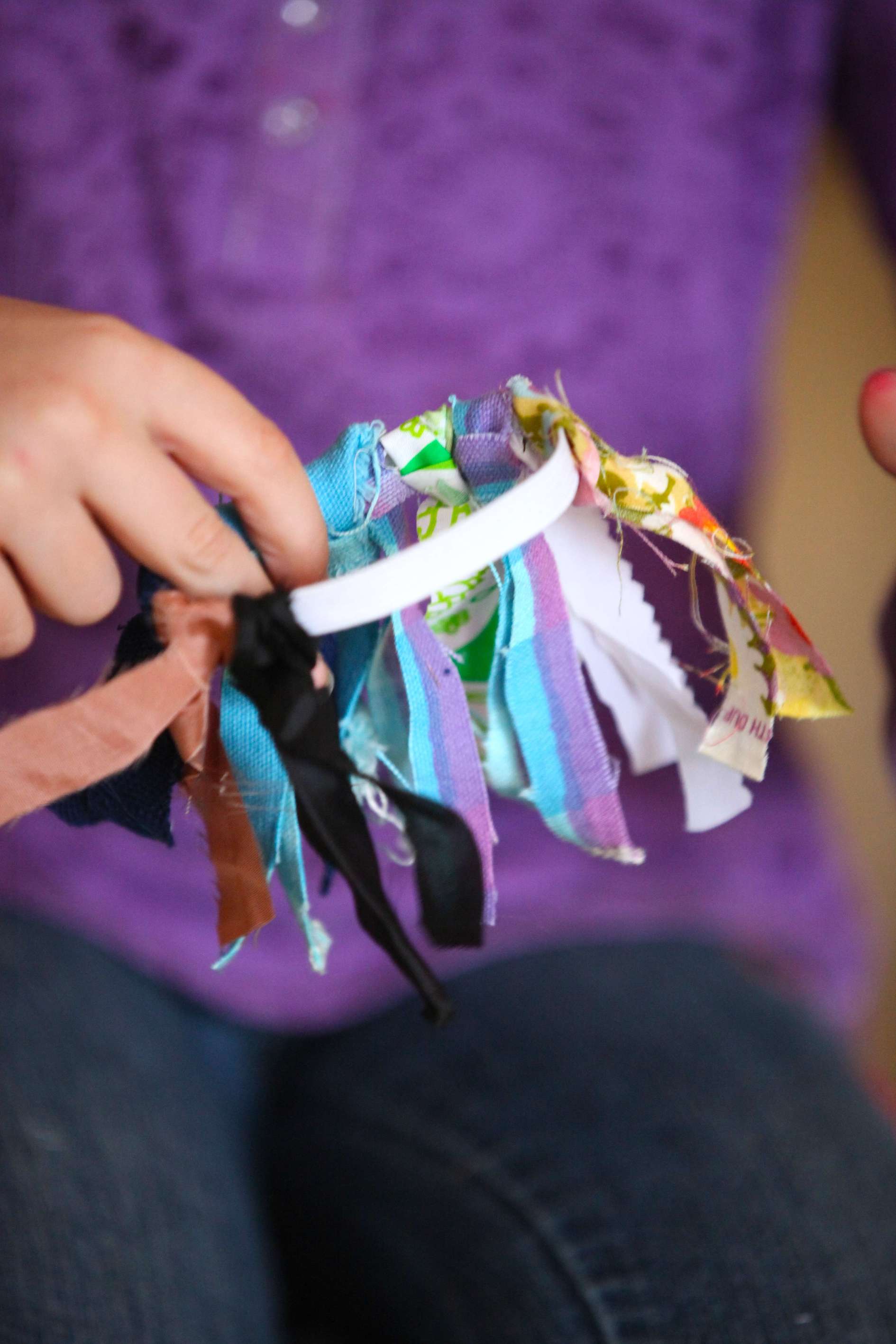
Easy Fabric Scrap Tutu For a Child to Make, Photo © Liesl Clark

Visiting grandma means we get to dive into her boxes of fabric scraps. For 40 years, no fabrics have been wasted in her house. Just last month, she passed on several boxes to a local quilt-making organization, but luckily we found a few more up in her attic.

Grandma's Fabric Scraps, Photo © Liesl Clark

We looked in the Trash Backwards app for some good fabric scrap reuse ideas for small hands and landed upon a fun tutu tutorial for a little girl. My daughter decided she wanted to make it for her stuffed panda. So, we took our lead from the tutorial at Home Sweet Home and made a mini version for a doll or stuffed animal.

Strips of Fabric Scraps, Photo © Liesl Clark

1) First, cut your fabrics into 1/2 inch to 1 inch wide strips. We made ours approximately 6-8 inches long.

2) Find an elastic waistband, about 8-12 inches-worth and sew 2 ends together so you have it in a loop.

Sew Your Waistband Into a Loop, Photo © Liesl Clark

3) Fold your strips in half length-wise and place them underneath the waistband with the loop sticking out of the top and thread the ends of the fabric scrap through your loop, tying half of a square knot. This is how you tie on your skirt scrap pieces.

Adding Fabric Scraps to The Waistband, Photo © Liesl Clark

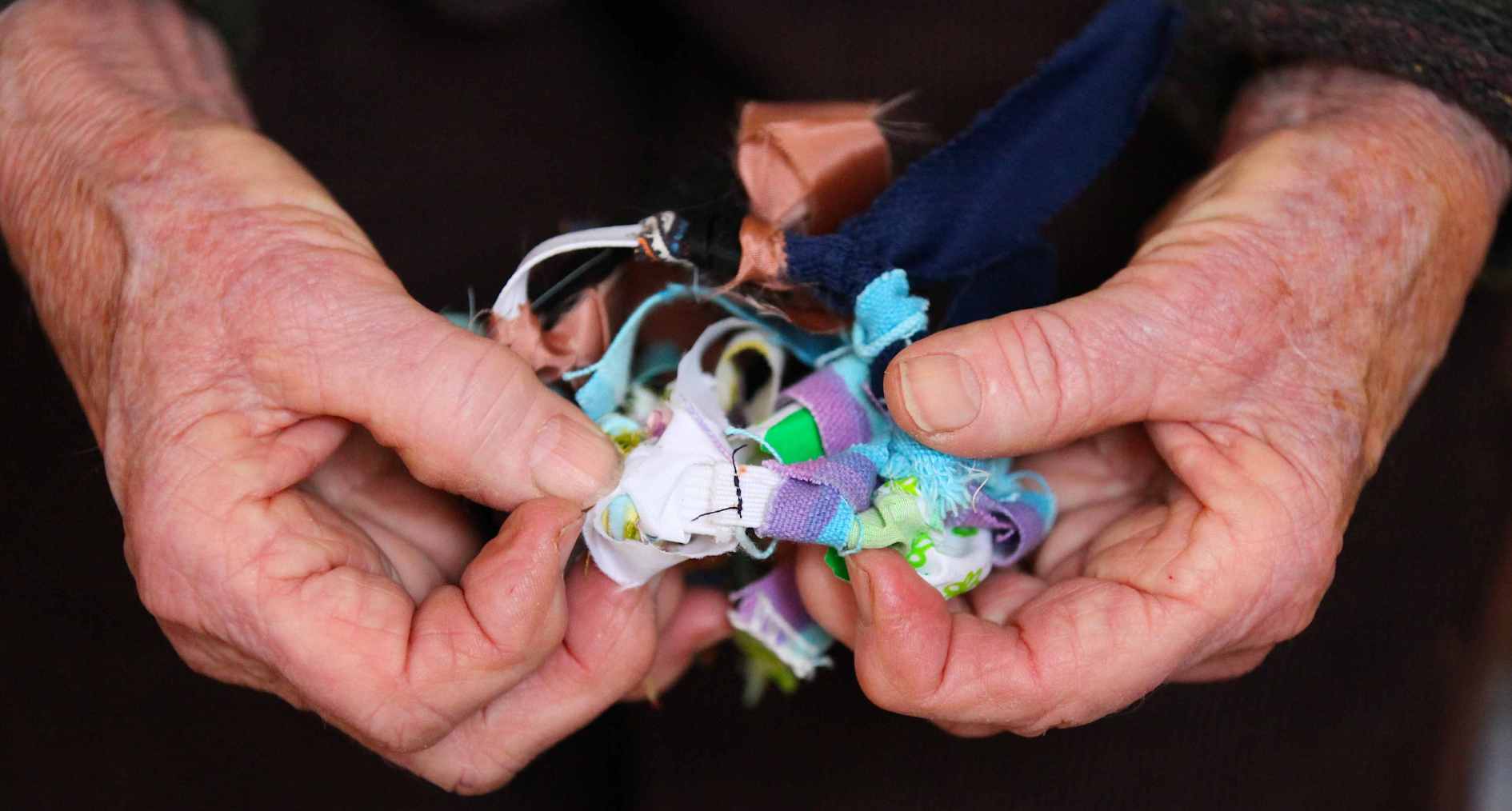
4) Tie your scraps on one after the other and gather them together tightly.

Tying One On, Photo © Liesl Clark

5) We wanted to be sure that the waistband was sewn together well, so grandma reinforced it with some hand-sewing.

Reinforce Your Waistband Ends, Photo © Liesl Clark

You’re Done! Spread around your strips so they even-out your skirt and you can add on more strips of color wherever they’re needed.

A Tutu For a Doll or Stuffed Friend, Photo © Liesl Clark

Panda Loves Her Tutu, Photo © Liesl Clark

Dancing With Her Tutu, Photo © Liesl Clark


Fabric Scrap Tutu, Photo © Liesl Clark

Letting Go of Honey Hill Farm

JPEG image-74D81F27B287-11

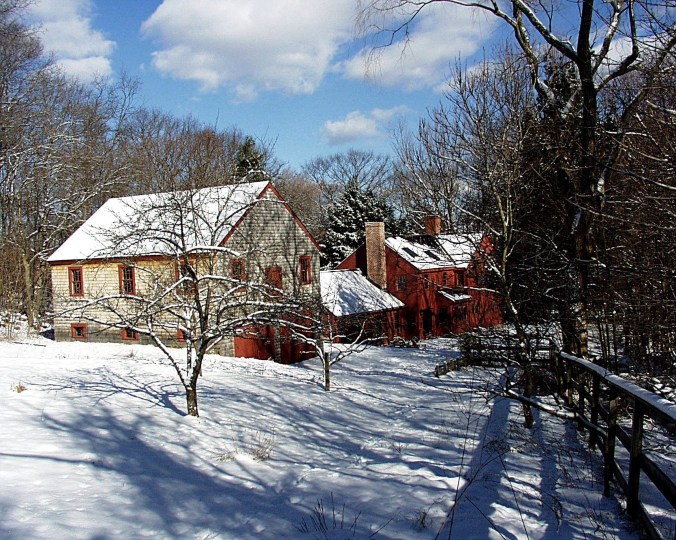
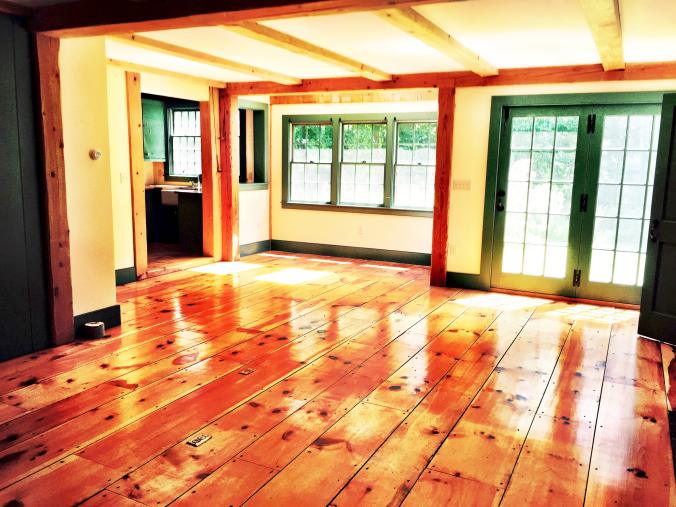
Our daughter was born here. It’s a 300-year-old beautifully renovated farm that is a testament to the impermeability of time, weather, and wear on a well-loved home. Our babies lived the first years of their lives swinging in their car seats from the 1705 beams, crawling on the wide pine floor boards, and sledding down through the apple orchard out behind the barn. The hill was where we kept bees and in our first year there 100 pounds of clover honey was harvested from three hives perched beyond the white pine. We sold the golden elixir on our porch to neighbors we met over time. It was an idyllic place to live, but alas it’s now time to let it go.

Sideoutback

The truth is, we haven’t lived there for the past 10 years.

JPEG image-74D81F27B287-5

Due to a need to move to the Pacific Northwest for work, we left our beloved New England farm and family 10 years ago, just before the market crashed. When housing prices plummeted, we knew we had to hold on to the home, and rent it out, to wait until the situation stabilized. In 3 months’ time, if all goes as planned, our farm will change hands, and become an experiential preschool for families who want to bring their children in close contact with the Earth.

Essex from street 2

Although we moved our primary “stuff” from the farm years ago, we’ve had to slowly get rid of the last bits and pieces that comprise a final vacating of a property.

JPEG image-74D81F27B287-6

These are the kinds of items most people simply throw away, too hurried to mindfully find new stewards for their still-useful items.

JPEG image-74D81F27B287-16

We travelled back to New England last summer to take 3 days to gift our stuff to members of our former community. I connected with the admin of the local Buy Nothing group and she let me temporarily join the group to post our remaining possessions to neighbors.

Screen Shot 2016-03-04 at 11.00.05 AM

Everything disappeared in a matter of hours. Paint, farm tools, antiques, old hardware, large work benches and potting tables were hauled off the property by people happy to come in their cars and trucks to reuse what we couldn’t fathom carting across the country to our home in the Northwest.

Screen Shot 2016-03-04 at 11.00.58 AM

We’re essentially masterminding a zero waste move.

JPEG image-74D81F27B287-8

Here are our best simple tips for a low impact move for anyone trying to reduce their waste when moving out of one property and into another:

  1. Create recycle/reuse waste streams in boxes for easy-to-recycle/reuse items: i) Regular commingled recycling (plastic bottles, glass and paper); ii) Plastic bags (to recycle at grocery stores); iii) Metal (to recycle in a metal recycling facility); iv) Office supplies (pencils, pens, paper clips, etc to give to a teacher or an office somewhere); v) Batteries (take them to your nearest battery recycling facility.)
  2. Don’t buy new boxes. Ask for them on your Buy Nothing group or get them from your nearest liquor store.
  3. Create collections to give away: It’s easier to commingle all of your hardware, or garden supplies, paint supplies, pet supplies, music, etc together to give to neighbors as collections of like-items rather than randomly giving away each item individually.
  4. Don’t buy paper for wrapping fragile items: Use newspaper (ask for it in your Buy Nothing group) or plastic bags, bubble wrap, and styrofoam that you’re planning on recycling,  or napkins, t-shirts, clothing to wrap around your glasses and fragile items for shipping. It saves money and waste.
  5. Even old paint can be reused: Before taking your remaining household hazardous waste to your hazardous waste facility, do check with neighbors to see if they’ll use it. We had people come to pick up our interior and exterior paint for their own projects.

JPEG image-74D81F27B287-3

What additional broad-strokes tips can you add to this list?

JPEG image-74D81F27B287-13

We’ll dearly miss our Essex home on the marshes. © Liesl Clark

25 Bread Clip Reuses

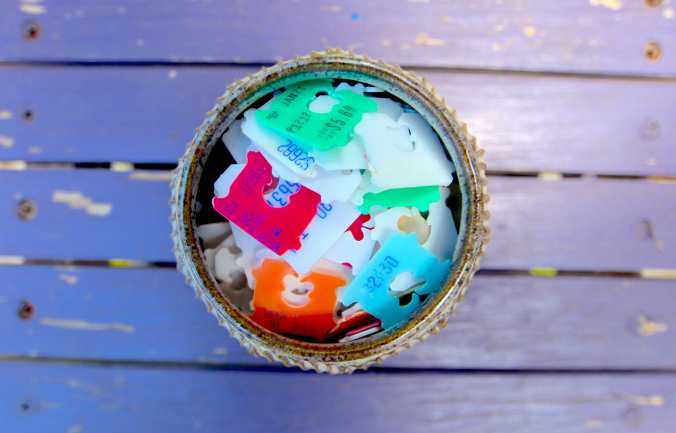
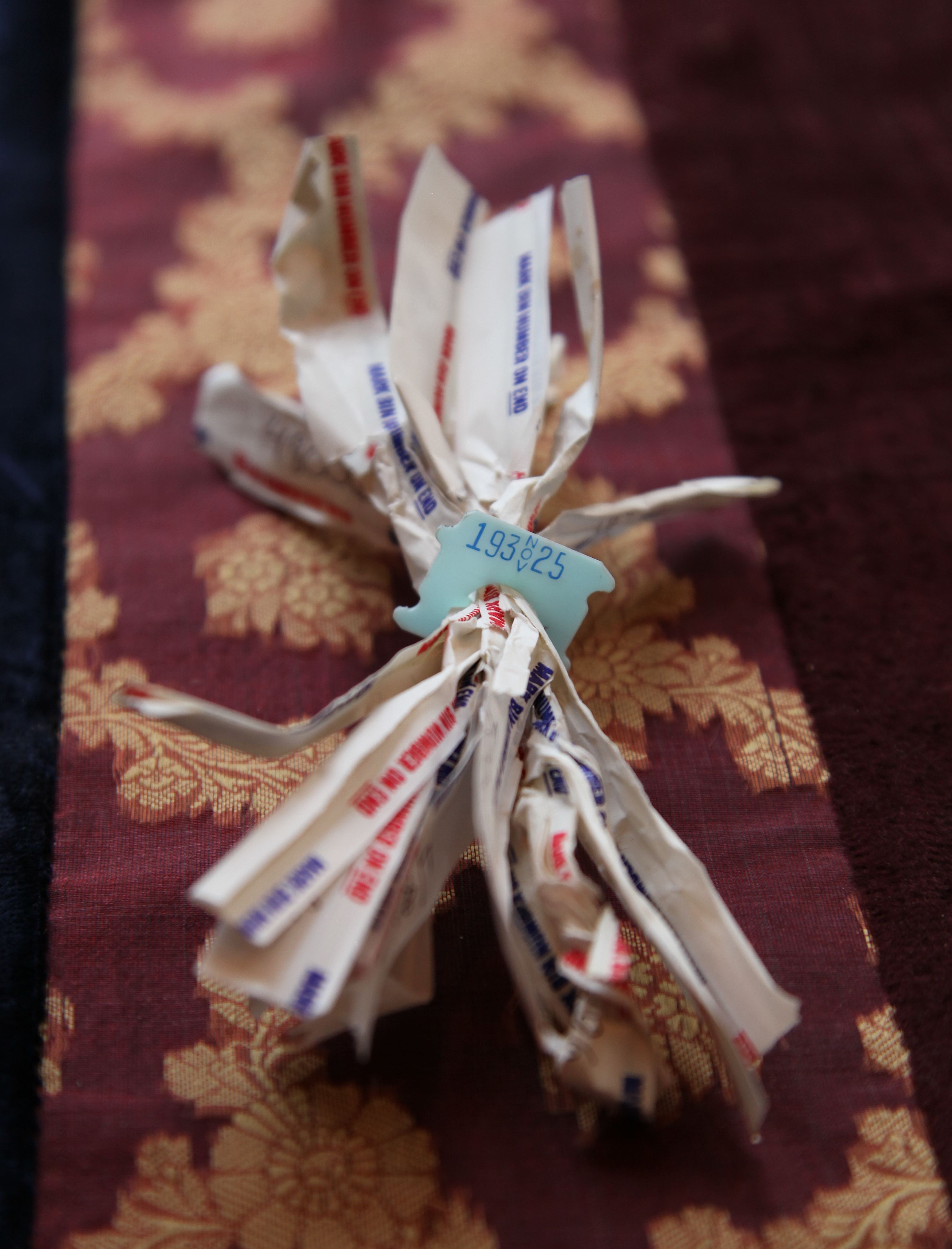
IMG_4795 Photo © Liesl Clark

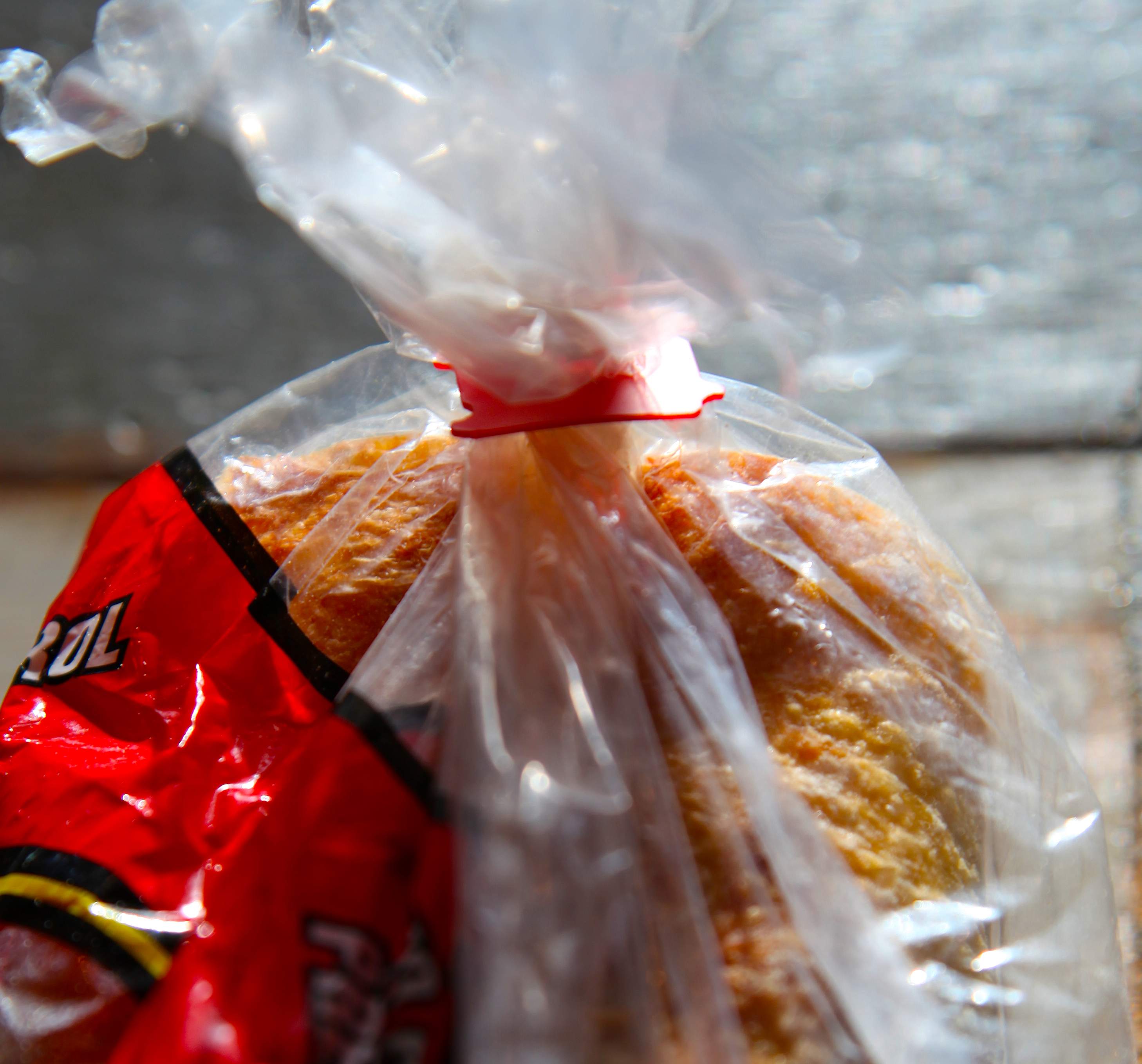
Photo © Liesl Clark

Although we most often bake our own or purchase locally baked plastic-free bread from our local baker, there is the occasional store-bought bread that comes in a plastic bag (recyclable at most grocery stores, if clean) with a hard plastic clip to keep it shut. These clips might also make their appearance on produce bags. Some call them bag clips, others bag tags. They’re made of hard plastic and as of yet we know of only one address in the US where you can send them, where they’re stockpiled and sold to help wheelchairs get to South Africa where they’re needed. So, if you’ve collected them over the years, please send them to this address here.

Did you know that over 20 cases of accidental ingestion of plastic bag clips have been published? The incidence are so detrimental to health that a team of researchers have classified in the British Medical Journal “morphology” chart the many varieties of bag clips, in an effort to determine which ones are most dangerous to the digestive tract and which designs are more benign.  Don’t swallow them, or you might become yet another statistic for this study.

We do have a few bread clips saved in some drawers, mostly for reuse. Here are a few of the ways we’ve used them in our home?

1) Reuse to seal other bags (yep, it’s obvious but I had to list it so you don’t throw them away.) We store our bread in a bread box, to keep it plastic-free. But, occasionally we’ll need to pack it in plastic when we go camping. Bread clips come in handy then.

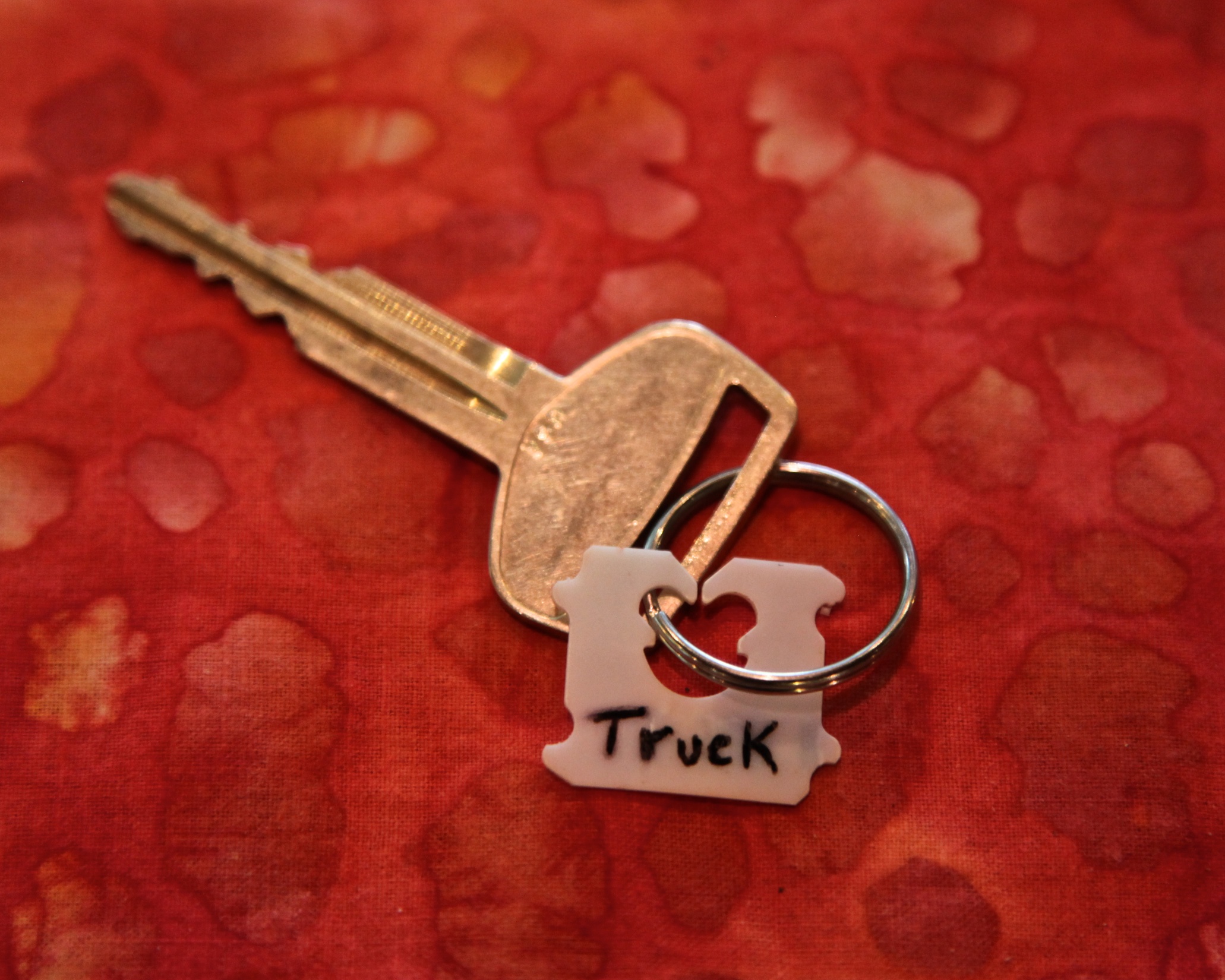
2) Label your spare keys with them!

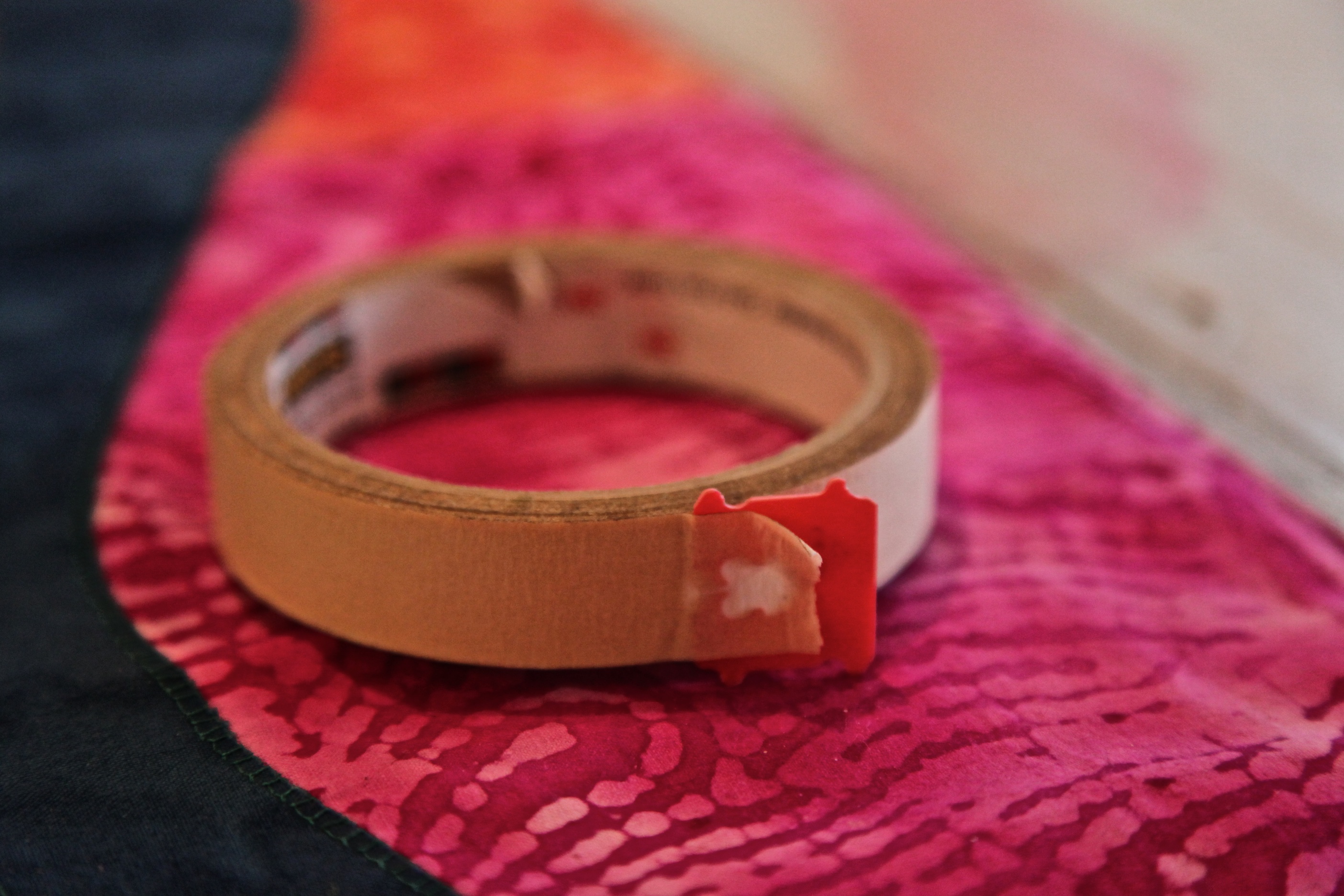
3) Place on the end of tape, like duct tape and masking tape, so you don’t have to spend time peeling the tape off itself.

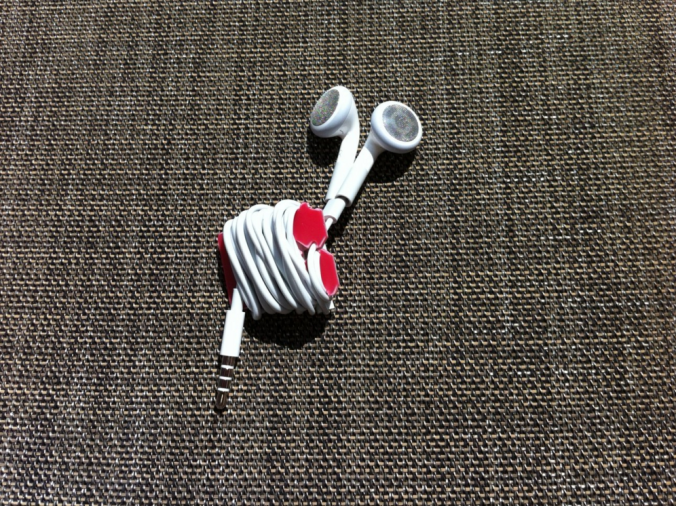
4) Use them as earbud tamers to store those earbuds and prevent the inevitable tangles.

Screen Shot 2016-03-01 at 3.19.01 AM

Photo: Jake Ducey

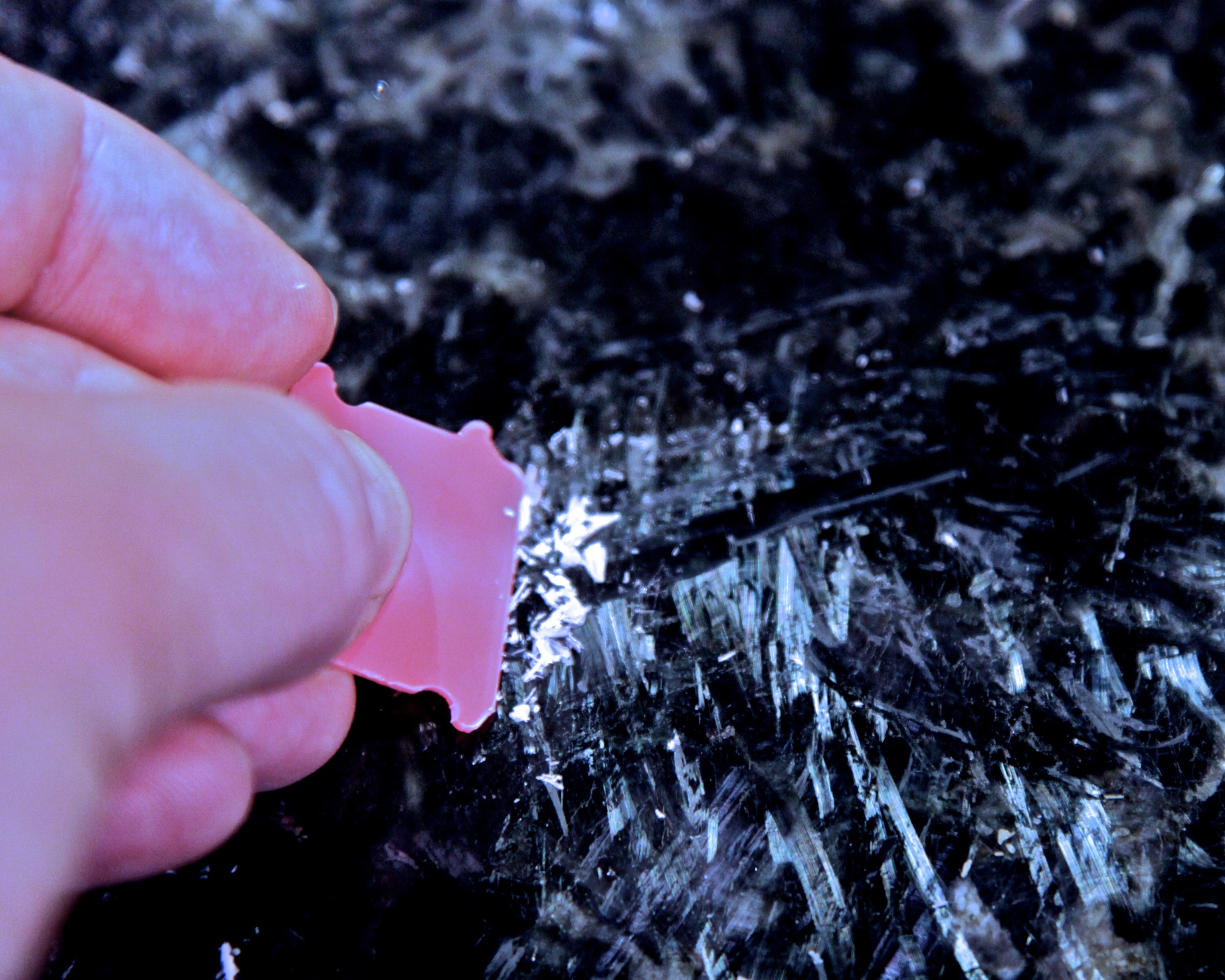
5) Use them as counter scrapers for hard-to -scrape -off crud. Same for pots and pans.

6) Use to hold together all your rubber bands in your everything drawer.

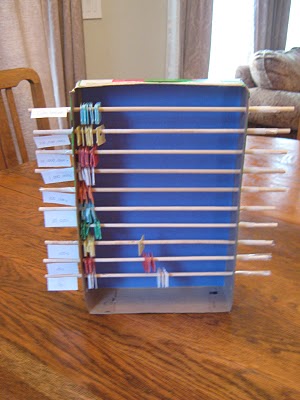
7) Make a cool cereal box and bread clip abacus by following this tutorial provided by Almost Unschoolers!

8) Use your bread clips to organize and label your desk and entertainment cables.

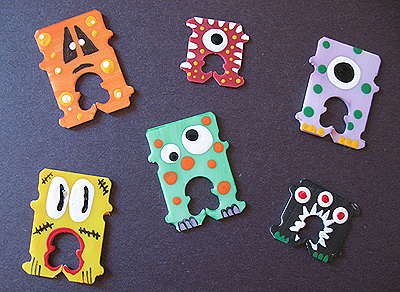
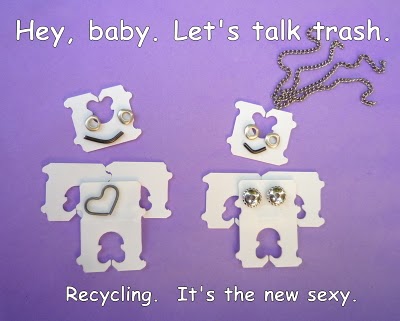
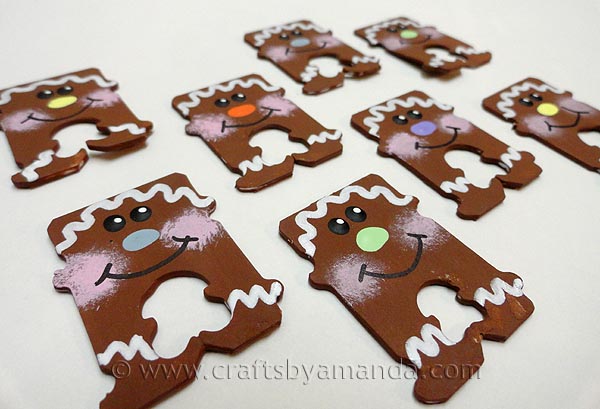
9) Make bread clip monsters like these at Crafts by Amanda.

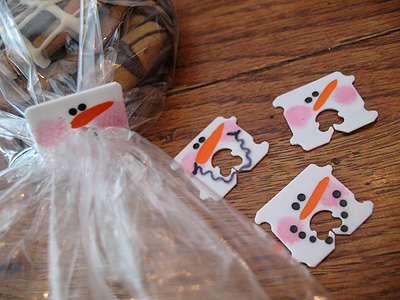
10) Make bread clip snowmen a la Crafts by Amanda, and impress your housemates.

11) Use as a bookmark.

12) Use to replace missing game pieces. A bread clip avatar for monopoly could be quite imposing if you put a scary business face on it.

13) Make a bread clip monster garland. Cute.

14) Use as wine glass identifiers for a party. Multicolored bread tags, or ones you’ve added faces to, work well to differentiate your guests’ glasses. Just clip ’em to the stem of the glass.

15) Write the letters of the alphabet on 26 bread clips and let your child put them in order.

16) Make some cute bread tag earrings.

17) Make bread clip gingerbread men!

18) Use them to hold hair ties in the bathroom.

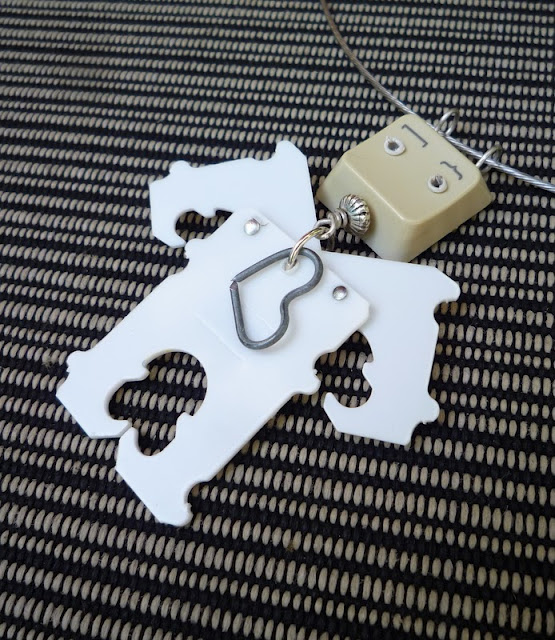
19) Learn how to make a robot necklace from Mich L in LA.

20) Make some more fine jewelry.

21) Here’s a pendant for some more ideas.

22) Use them to hold your twist ties in your reusable grocery bag for bulk items. I reuse these twist tie bulk food labelers, so having them in a bundle helps keep track of them when I’m in the bulk department.

23) Flip flop about to blow out? Use a bread tag on the bottom to hold the little end in place for a quick reinforcement fix.

24) Make a bread clip shower curtain (ok, I know you won’t, but it’s an interesting and artful idea.)

25) For some fun bread clip robot reprintables, please visit Mich L in LA’s blog, which is an inspirational site for repurposing our “trash” into artful creations.


5 Planters Made From Everyday Objects

Large plastic containers make great container gardens. Think twice before you throw plastic receptacles away as someone might like to reuse it.

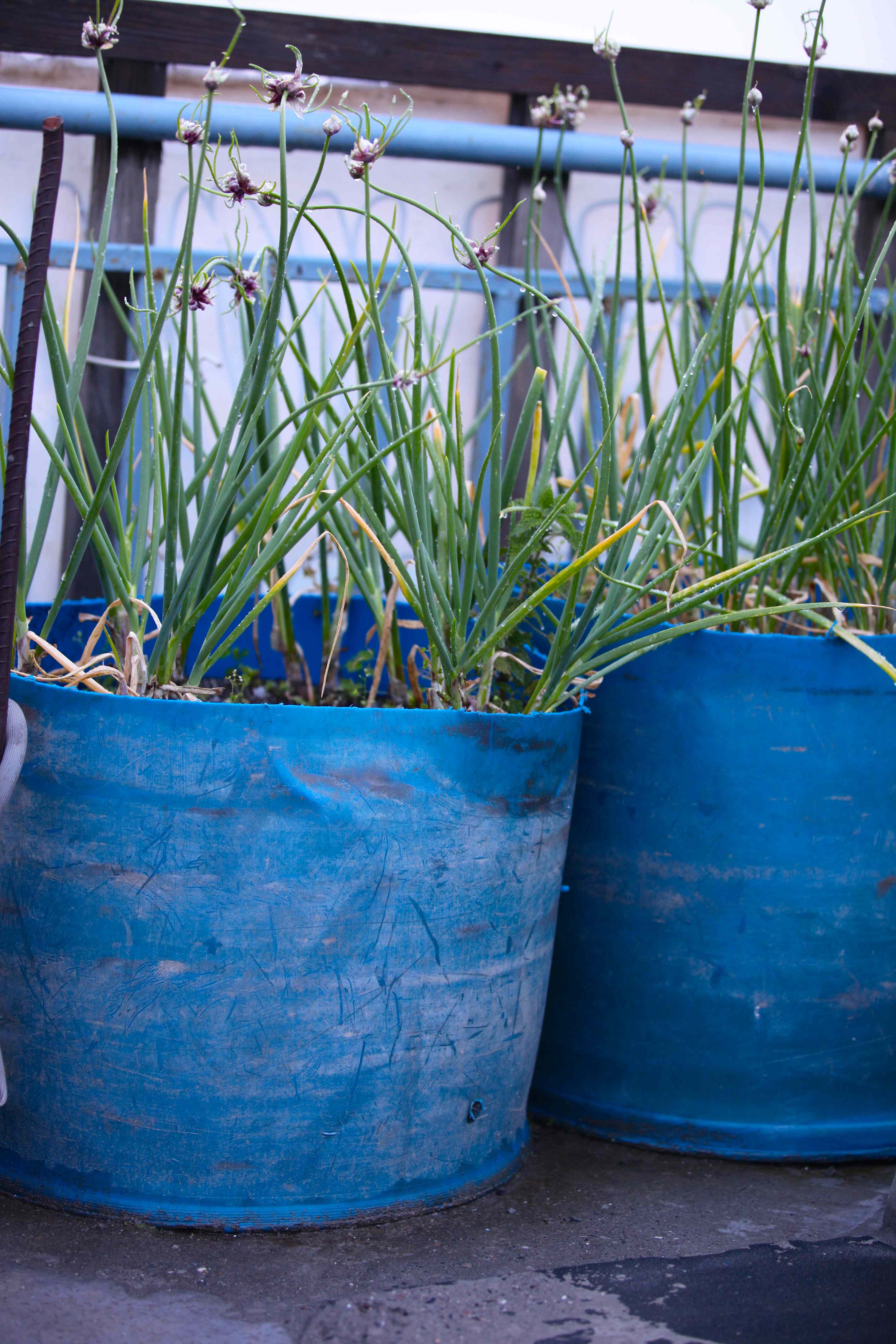
Planters are easy to come by. Whether you have little growing space outdoors, or want to beautify a patio or rooftop, pull your nearest receptacle or container from your trash and turn it into a planter. The more innovative, the more interesting and discussion-worthy for your friends and neighbors. Here are a few unusual planters we’ve come across in our travels in the Himalaya:

1)    Thermos Planter

The planter on the right is an old broken thermos. They also make great modified bird feeders.

2)    Styrofoam Cooler Planter

Herb planters in styrofoam. The village of Kalopani doesn't have styrofoam recycling. But this family found a way to reuse theirs to plant herbs for their restaurant.

3)    Paint Can and Bucket Planters

Paint Cans and Buckets Make Perfect Succulent Planters, Photo: Liesl Clark

4)    Gerry Can Planter

When this plastic water or fuel container broke, it was turned into a large planter.

5)    Barrel Planter

These barrels make great containers for donkey or yak loads when we go on expedition. When they break, they can make a great container garden.

These are all utilitarian planters, used in a place where there are no garden stores to simply go and buy yourself a clay pot. They’re also used in high Himalayan villages that have short growing seasons. Placed along a south-facing wall, these planters extend the growing season by a couple months.

What innovative planters have you grown your food in?

Leftover Wine And Fruit Scrap Vinegar

Wine aficionados claim that a bottle of wine should be consumed within 36 hours before the perishable liquid inside starts to deteriorate. Once oxygen is introduced, the wine begins to change. Recorking or sucking the air out of it will only deter the deterioration by a matter of hours. Putting the bottle in the refrigerator might help keep it for up to a week, but after that, it’s time to make wine vinegar!

Vinegars are so easy to make, it’s almost a crime to not make them with your leftovers. In a glass jar combine 2 cups of leftover red wine with a cup of distilled water and some “mother” from a previous organic vinegar you’ve finished and cover the jar with cheese cloth or a clean piece of cotton cloth so air can get in and dust stays out.

“Mother?” You ask.

If you look closely at the contents of the bottles above, you’ll find my 3 mothers. They’re from blackberry, apple, and pear vinegars, respectively, and I’ve been hanging on to them so I can use them as a starter for the next vinegars I make. A vinegar’s mother is a gelatinous mass that usually sits at the bottom of your vinegar bottle. It’s a sign that your vinegar is likely organic because it houses a lovely live culture. The mother is actually a type of acetic acid-producing bacteria called “acetobacter” and it consumes the alcohol in your wine, converting it into delicious vinegar.

If you don’t have a mother with which to start your homemade vinegar, you can find some in the bottom of a jar of Bragg’s Unfiltered Raw Organic Apple Cider Vinegar. Until I started making my own apple cider vinegar, this stuff was an essential ingredient in our home. It’ll cure you of any cold and is an excellent rinse for your hair. Save that mother and you’re ready to start making your own vinegars.

What about fruit vinegar? I make my own throughout the year from scrap apple peels and cores when making pies and apple sauce. Blackberries from our vines also make an incredibly delicious vinegar. Simply put your fruit scraps in a jar with some water and a “mother” from another vinegar and cover with cloth so the vinegar can breathe.

If you get mold because your fruit is on the surface and exposed to air, take the offending mold out and make sure your fruit is totally submerged in the water/mother mixture. Check on your jars periodically, but it’ll take a few weeks for the fermentation and culture to reach its peak. I always go by feel. After about a month I run the vinegar & fruit mixture through a cheesecloth, separating out the fruit but I retain the mother and place it and the filtered vinegar into a pretty bottle and cork it. And as the vinegar ages, like me, it only gets better.

Vinegars make great gifts, so you can never make too many bottles! Do you make your own vinegars? Please share your thoughts and let us know what your favorite fruit or wine varieties are.

Use Newspaper to Wash Windows

By Finn Clark

Have you ever tried washing windows with a rag? What happens? You get lots of smudges and lint all over your window. And if you’re using paper towels for window washing, the same problem will occur because paper towels have lots of loose material that gets stuck on your nice glass window. I’ve found a simple solution to the problem: Use newspaper! (My mom has also banned paper towels from our house, so we can’t use those.)

Use Newspaper For Window Washing. Photo © Liesl Clark

If I were to be really scientific about it, here’s the method I’d use for best results:

Spray a solution of mostly water and just a little vinegar onto the window. I don’t know why anyone would go out and buy “window cleaning solution” since this simple solution is easy to make, is less expensive, and is great for the environment.

Kids Love to Wash Windows. Give Them Some Newsprint and Let 'Em Go! Photo © Liesl Clark

Don’t use too much spray or it’ll be harder work for you rubbing all the wet stuff off your window. Next, rub in any direction you want. Some might say circular motions work well on caked-on bird poop. (Yup, I said bird poop in this post and I think it’s funny. Don’t worry, there’s no bird poop on our windows.) Your final strokes should be long up and down or back and forth motions to take off any residue. That’s it.

No-Smudge Newspaper Method. Photo © Liesl Clark

Does newspaper leave an inky smudge on your windows? No! I’ve never noticed any smudging, even with colored newsprint. We bring the crumpled wet newspaper inside and let it dry so we can use it as starter for our wood fires, or in summer we put it in our compost or worm bin. The worms love worn newspaper for laying eggs in.

Happy window cleaning!

Be Sure to Reuse Your Used Newspaper in the Compost or Worm Bin. Photo © Liesl Clark

8 Uses For Garlic Skins

Garlic Skins Have Some Use Beyond the Compost Bin

In my ongoing fascination with the things I typically throw away, even in the compost pile, I thought I’d look up some of the most interesting ways to reuse garlic skins. Some, I already do, but there are a few new uses in this list I thought you might want to try.

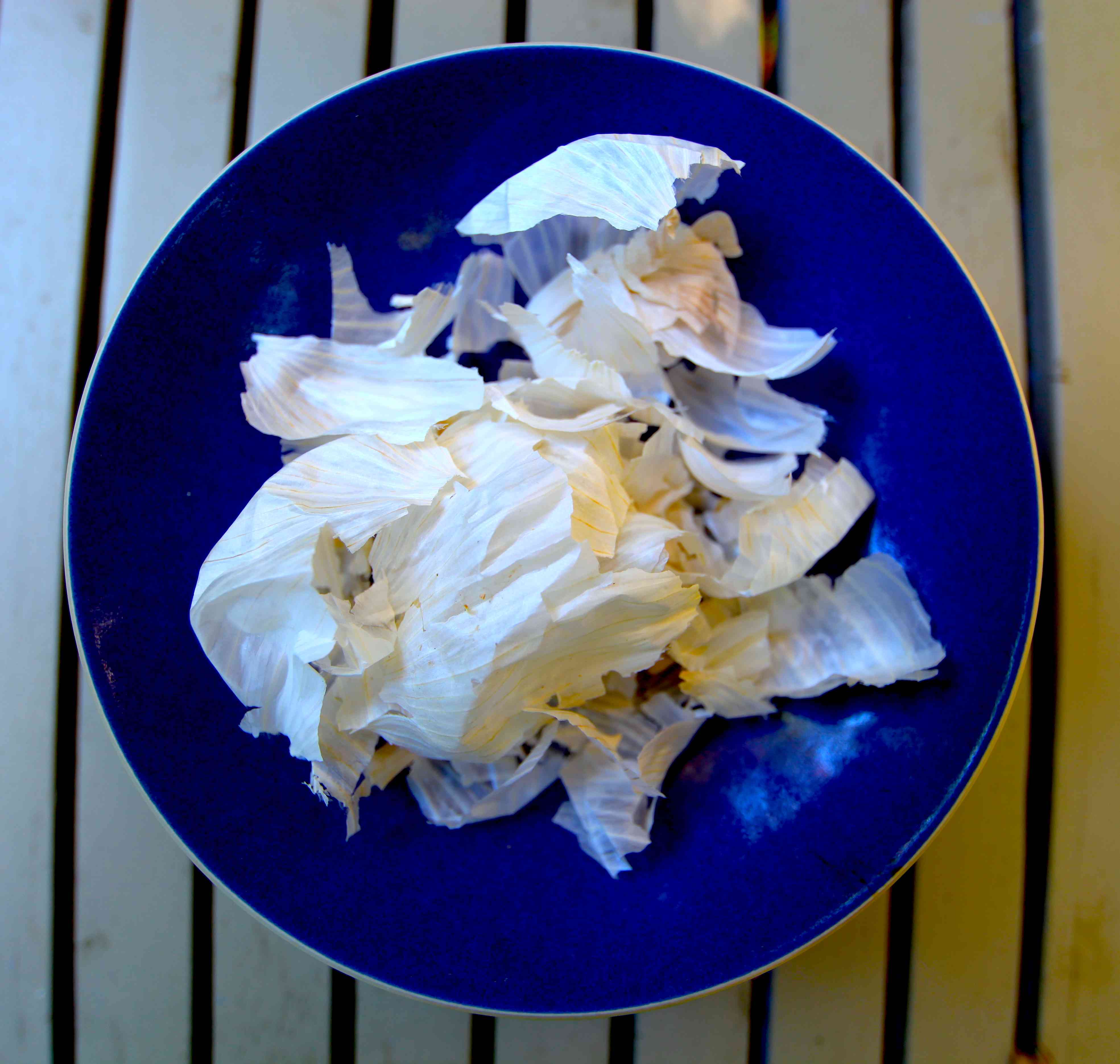
Don’t toss those papery white skins!

1) Save them in your freezer and use for your vegetable or chicken stock. I also throw them in my slow-cooked beans to add more flavor.

2) Compost them.

3) Keep the skins on your garlic when you roast it and the protective skin layer keeps your garlic soft on the inside.

4) Eat it! According to the Daily Mail, the skin on fruits and veggies shouldn’t be discarded. As for garlic: “Peeling garlic cloves removes the ­phenylpropanoid antioxidants which help fight the ageing ­process and protect the heart.”

5) Make a paper rose out of your garlic skins.

6) Turns out garlic skin is a major antioxidant. Plan on seeing it in all sorts of health products in the near future.

7) Add them to your handmade paper recipe. They add a lovely texture.

8) Dye your hair with them using a natural ayurvedic technique.

Green Guide To Recycling Ski Gear

By Mr. Everest

Ski Equipment Doesn't Have to Go to the Landfill. Photo © Liesl Clark

We’re at the height of the ski season and if you’re like me, this is a great time to start demo-ing new gear. But what to do with the old? Here are a few options I’ve been able to find:

SELL
You can always list your gear on Craigslist or take it to Play It Again Sports to find a buyer.

GIVE
Joining your local Buy Nothing group and giving them away to your neighbors is a great way to keep your ski and snowboard gear out of landfills and still cruising the slopes. Some people are cool with using outdated gear. My wife, for example, skied the slopes for 15 seasons on her old Black Diamond AT gear. And our 12 year old son is going to give them a try on his first hut trip this week.

Donate your gear to a local youth ski program or adaptive ski program. If you check with your ski areas or local ski shops, you’ll most likely find a program that would be happy to use your equipment that’s in good condition and not outdated. Snowpals of Tahoe is just one example.

REUSE
You could always start your own ski swap, enticing others in your community to bring their gear so families can outfit the kids with neighbor’s hand-me-downs. It’s a great way to keep skiing affordable for us all.

Out With the Old and In With the New. Outfitting Your Family in New Ski Gear Means You Need to Find Green Means to Get Rid of Your Old Gear. Photo © Pete Athans

Yankee Magazine has a great article, with plans, showing you how to make your own ski Adirondack chair. Some people build cool fences with stockpiled skis.


RECYCLE
The North Face stores will take all of your ski clothing (hats, gloves, pants, bibs, jackets, socks), ski boots, goggles, and ski helmets. Their Clothes The Loop program sends the gear to a company called I:CO which shreds it into its elements and makes new products with it. My article about this great program goes more into depth about this the Clothes The Loop initiative in all of The North Face stores, and where to find those stores.

Ski poles? They’re mostly made of metal, so taking them to your nearest metal recycling center might be your best bet. Poles haven’t changed much over the years, though, so be sure to try giving them away before you send them to metal recycling.

If you live or ski in Colorado or Utah, a great ski industry recycling service was set up by the Snow Sports Recycling Program, which recycles ski gear collected at participating stores. I can’t find a list of the stores any longer but calling the phone number listed on the page, under “Waste Not” could likely get you the names of stores near you that’ll recycle your old gear. This program turns your gear into chips that will be turned into new goods. They’ll take skis, snowboards, boots, helmets, bindings and poles. These materials create waste streams that are approximately 5% steel, 25 % aluminum, 60% plastic and the balance are wood and fiberglass, all reusable in new applications.

JPEG image-790B5550467E-1 2

Ski Poles Are Mostly Made of Metal © Liesl Clark

If you live near Aspen, CO you can contact Reeski to see if they’ll take your skis and boards to turn into cool looking furniture.

There’s no need for our gear to end up in the landfill. If you’re stumped about a particular item and want to find a reduce, reuse, recycle option for it, drop us a line in the comments below and we’ll get on it.