Water Cress Pesto

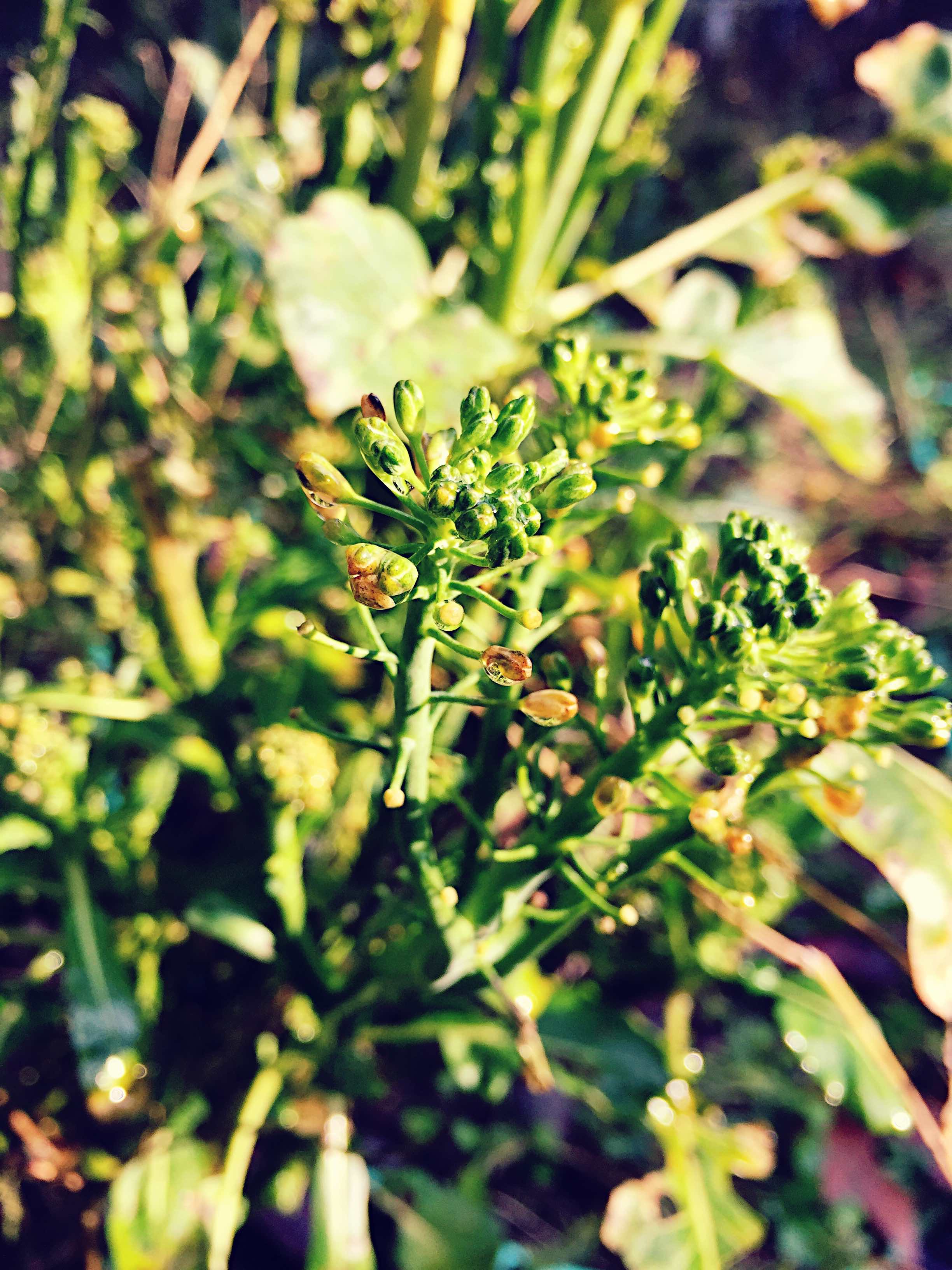
Feeding my family by way of mid-winter foraging always feels like a triumph. Although there’s little in the garden these days, when we go on hikes on our hill, we find water cress in the places where the springs are running freely. The winter rains have been incessant, so this year the cress is abundant.

IMG_1187

We collect handfuls of it each week and turn it into a spicy pesto the kids love on pasta. It’s a quick dinner for a busy mama to make.

IMG_1124 copy


Water Cress Pesto (a.k.a. Water Cresto)

4 Cloves Garlic

1/2 Cup Walnuts or Pine Nuts

(put the garlic and nuts in your food process or and run it until they’re completely turned into small bits) Add:

1 1/2 – 2 Cups Water Cress, washed

1/4 Cup Olive Oil

1/4-1/2 Cup Parmesan Cheese (in small chunks)

Process the rest of the ingredients together until you have nice green paste. Toss it with your favorite pasta.

IMG_1126 copy

Enjoy!

20 Banana Peel Uses

The Miraculous Banana and Its Peel. Photo © Liesl Clark

The Miraculous Banana and Its Peel. Photo © Liesl Clark

The banana peel, like coffee grounds, tea leaves, and orange peels has a lot of beneficial qualities that’ll make you think twice the next time you toss it in the trash. We’ve gathered 20 of the best banana peel uses for you to try:

1) Shoe Polish: Did you know banana peels (on the inside) make a great shoe polish? Just rub it around your shoe and then buff it with a soft cloth.

2) Teeth Whitener: Rub the inside of your banana peel on your teeth to whiten them. Apparently, the manganese, magnesium and potassium helps whiten the enamel of your teeth.

3) Wart Cure: It only takes 1-2 weeks to remove a wart with a banana peel.

4) Itch Soother: Banana peels can help relieve bug bites and poison ivy. It won’t remove the oils that cause the itching but it’ll soothe the bite or rash altogether.

5) Monkey Party: Have a Curious George party and put 30 peels on your deck for the kids to slip around on! (Just kidding.)

6) Silverware Polish: Blend banana peel with water and use on your silver to take the tarnish off with a soft cloth.

7) Meat tenderizer: Some people add a banana peel to their roast and it’ll add just enough moisture to ensure that roast doesn’t get too dry.

8) Splinter Removal: Banana peels help ease splinters out of your skin. Place banana peel on a splinter with athletic tape for a while and then try to ease the splinter out.

9) Aphid Control: Aphids don’t like banana peels. If you bury some around your roses or other plants aphids love (like cauliflower), you’ll deter them from coming around.

10) Rose Food: Here are a few great recipes for feeding your roses with banana peels that are rich in calcium and magnesium, as well as many other trace minerals that your flowers love.

11) Bruise Patrol: Banana peels on the inside, if rubbed on a bruise, will aid in making it disappear.

12) Compost: Banana peels break down pretty quickly and add wonderful nutrients to your soil. Throw them in your compost!

13) Acne: Banana peels rubbed on your acne will help in the acne curing process.

14) Dry Skin Cure: If you have psoriasis, try rubbing the inside of a banana peel on your affected areas twice a day and you’ll see the dry scaly skin dissipate.

15) Banana Boat Campfire Dessert: This recipe will please all who are sitting around the campfire.

16) Hemorrhoid  Cure: Yup, you guessed it. As with acne, banana peels help cure hemorrhoids.

17) Banana Peel Message: Leave a message for your child on their banana peel by pricking out letters with a toothpick, the skin will bruise and there will be a dark brown message for your sweetie by lunchtime.

18) Tomato Plant Fertilizer: Wrap a banana peel around your tomato starts when you plant them in the garden and they’ll enjoy the nutrients from the peel as they grow throughout the summer.

19) Banana Peel Steamed Pork and Rice: Try this recipe out for size.

20) Anti Depressant: Researchers have found that drinking boiled banana peel water (or juicing the peel) can ease depression.

What are you doing with your banana peels?

Chicken Yard = World’s Best Composter

Our chicken yard serves 2 purposes: It’s the playground for our feathered friends but it’s also a great source of beautiful compost for our gardens. We don’t allow our girls to roam free because of the challenge of predators nearby like bald eagles, red tail hawks, raccoons, and mink. We’ve provided the chickens with enough space to run around, have dust baths, and roost. And since we can’t let them roam about the yard, we bring the yard to them!

If you can't free range your yard birds, bring the yard to them. Grass clippings and leaves line our chicken run. Photo © Liesl Clark

This little chicken farming trick is the best trash hack we’ve brought to our hen yard. Much like the practices of Joel Salatin’s Polyface Farm, mimicking natural patterns on a domestic scale, we believe our chickens should work for us in producing the best organic matter for our crops and vice versa.

Full circle: Garden waste --> chicken yard --> garden again. Photo © Liesl Clark

When we mow the lawn, the waste from that effort, the grass clippings, are dumped in there for the girls to munch. When we rake the fall leaves, the waste from that practice is thrown in by the wheelbarrowload. Even our garden clippings and weeds go in the hen run. It’s salad for them. The level of the hen yard, after a few months of this is raised significantly, but the endless scratching, pooping, and pecking breaks the organics down at a remarkably fast rate. And the end-product? After only a few weeks of being in the yard, we have the best compost I’ve ever seen. Waste to gold that’ll go on our veggie beds and back on the lawn to be put back to use again. It’s a truly closed loop practice and I revel in the circles I move in daily around the property, completing this life and food-giving cycle of the natural world.

Perfect chicken-generated compost from our coop yard. Photo © Liesl Clark

By the bucketful, we shovel compost out of the hen zone and into the garden, thankful for the girls’ help in turning our yard and garden back into gold. The little bugs and slugs on the backsides of leaves give them endless treats to find as they scratch for them around their yard. They’re just as excited about getting a load of leaves as they are a bucket of school lunch leftovers or algea from our pond. It reduces our chicken feed expenses, too.

Happy girls in their yard full of yard clippings. Photo © Liesl Clark


But probably the greatest benefit to bringing the free range to the hens is the quality of the eggs. Our yolks are a fiery orange, pretty similar to what you’d see on a chart for pastured hens, because we’re bringing the greens and proteins right into their yard. The slugs, bugs, snails, and larvae that come with the deep weedy greens we toss in there. Along with our non-GMO organic soy-free feed, these eggs are as healthy as we can get ’em.

Yet another benefit of this practice is that the rainy season chicken yard mud is offset by the mounds of leaves we throw in there. By providing new leaves on the floor of their yard, the mud-factor is reduced greatly and our eggs therefore don’t get soiled. Anyone in the Pacific Northwest will know what I’m talking about.

Happy feet. No mud in the mud season when you can throw grass and leaves in there. Photo © Liesl Clark

Last spring, our newly-transplanted rhubarb amidst daffodils were as glorious as ever, just popping out, thanks to the girls’ gold.

Compost from the composting chicken yard helping newly transplanted rhubarb. Photo © Liesl Clark

And our winter garden has produced greens for months due to the rich infusion they get from our chicken yard.

Homesteaders' dream garden in the middle of winter, thanks to our composting chick yard. Photo © Liesl Clark

What do you throw in your chicken yard? And do you then take the resulting “waste” out into your garden or compost? Please share in the comments below.

25 Reuses For Tea Leaves

The Many Uses for Tea Leaves. Photo © Liesl Clark

1) Tea: Reuse your tea leaves for….more tea! Just reinfuse.

2) Compost: Tea leaves are an excellent material for your compost, tea bags and all.

3) Worm Food: Worms love used tea leaves as much as coffee grounds.

4) Eye Compress: Place cool wet used tea bags (or loose tea even) over your eyes to remove the puffiness (eyes closed, please). Tea is an anti-inflammatory and it can also remove rings under your eyes. Pink eye and styes are also combatted by used tea bag compresses.

5) Sting or Itch Remover: Used wet tea is known to remove itchiness from rashes and stings. Try it!

6) Deodorizer: From removing odors from your fridge to your carpet and dog bed, dry used tea is a wonder stink remover.

7) Acne Prevention: Green tea leaves rubbed over your face helps prevent acne.

8) Incense: Add some tea leaves to your favorite incense and burn it. It adds a nice smell.

9) Foot Deodorizer: If you have bad smelling feet, soak them in a bowl or sink full of brewed used tea leaves.

10) Insect Repellant: Burn dried tea leaves outside if mosquitoes are a problem. They don’t like the odor.

11) Plant Water: Used tea leaves soaked in water for a day makes excellent plant water/fertilizer and mulch.

12) Fertilizer: Here’s a good article on using tea leaves as fertilizer.

13) Window Cleaner: Long-steeped used tea leaves make a great window washing liquid.

14) Make Chagra: Chagra is a used tea leaf product made in Japan that essentially is used in the household for many of the ideas above — deodorizers and fertilizers.

15) Floor and Furniture Shine: Mop floors and wipe down furniture with brewed used tea leaves. The tannins in the tea will add a shine to your wood.

16) Toilet Stain Remover: Try pouring your wet used tea leaves into the bottom of your toilet where you might have stains. Leave them there for a while and then flush ’em down the toilet. They might help remove your toilet stains.

17) Hair Dye: Dye your hair in black tea (save up your used tea bags for this) and see if you like the results. Tea will also add shine to your hair.

18) Soothe Burns and Sunburns: A teabag with wet leaves can help soothe your burns.

19) Rose Food: Roses love the tannins in tea.

20) Meat Tenderizer: Soak meat in a tea leaf infusion to tenderize.

21) Tea Dye Your Fabrics: For an antique look try dying your garment in tea.

22) Carpet Freshener: Sprinkling dried tea leaves over the carpet and vacuuming up removes odors and dust.

23) Raise Silk Worms: Silk worms love lea leaves. Start your own farm.

24) Wart Remover: Tea is reportedly an excellent wart remover. Apply wet leaves or used tea bag to warts and eventually they’ll disappear.

25) Divine Your Fortune: Reading tea leaves, or tasseography, is an ancient craft. Learn it.

Do you have more tea reuses to add?

DIY Kitchen Compost Pails

My new favorite kitchen thing is a thing I’m reusing for something else.

Romertopf oven turned kitchen counter compost container. © Liesl Clark

Ta da! My new swank kitchen countertop compost holder! It’s a Romertopf oven turned compost collector that actually looks nice on the kitchen counter and it has a lid, too.

Romertopf Oven/Compost Container with Lid. © Liesl Clark

This new beauty is a replacement for our last counter compost container that was made of plastic and do you know what it did? It cracked. No surprise, right?

What's in Our Compost? Paper scraps, hair, pet fur, wax paper, egg shells, cotton fabrics, string....

I was determined to find a non-plastic container and the terra cotta Romertopf is perfect for the job. Here’s other wonderful thing about this compost container:

Design your cupboard so you can hide the compost container. © Liesl Clark

It fits in a little spot we designed inside the trash/recycling cupboard where we can store our compost under the counter most of the time. It’s the perfect size for said slot.

Done.

No need to buy a compost container (I’m amazed to see that compost pails cost anywhere from $20 t0 $60!)

And, what’s with the charcoal filters the store bought compost holders have? If you just empty your compost pail into your compost every day, there’s no need for odor control, right? And, lining it with a plastic bag? Just. No. The whole point in having a compost pail is to tip the thing over in your compost, take it back into the kitchen and wipe/wash it out. Enough said.

Did you know that if you compost your food scraps (and the other things we know can go into a compost), you can reduce your waste by 60%? That’s a great reduction in your trash bill. Between our chickens, guinea pig, dog, and worms, our compost is reduced by 2/3 each day as these critters get first dibs on the kitchen scraps.

I looked around on the internet, and found a few other innovative reuses for a kitchen compost caddy. My favorites were a vintage ice bucket and a, get this, mason jar.

What do you hold your kitchen scraps in, destined for the compost bin?

25 Uses For Coffee Grounds

25 Wondrous Things to do With Your Coffee Grounds. Photo © Liesl Clark

25 Wondrous Things to do With Your Coffee Grounds. Photo © Liesl Clark

We all love our coffee here in the Northwest, but where I live, on Bainbridge Island, we love our coffee grounds perhaps even more. Nowhere else will you see farmers, home gardeners, landscapers, and vermiculturists fighting over the grounds produced by local cafes. Let’s face it, coffee grounds and plants go well together. I can assure you they’re all using them for #2 and #3 below as coffee grounds fertilizer and worm food, but the other 23 uses are also worth looking into. Some might even surprise you:

1) Turn Your Hydrangeas Blue: Hydrangeas can be blue or purple depending upon your soil Ph. Acidic soil begets blue hydrangeas. Coffee grounds, when brewed, are acidic. Use them as a top dressing on the soil around your hydrangeas, making sure to scratch the coffee grounds into the soil and you’ll enjoy blue bursts of color. I prefer purple, but my soil is acidic anyway, so we get blue.

2) Feed the Worms: We have a worm bin and those squirmies tend to thrive on 80% coffee grounds 10% eggshells and 10% dried leaves.

3) Coffee Grounds in Your Compost: Everyday, we use our coffee grounds as fertilizer. Most people put them in their compost along with their kitchen scraps. They’re a great source of nitrogen, potassium, calcium, magnesium, and sulfur.

4) Coffee Grounds Provide Shine to Your Hair: I haven’t tried it, but word is out that if you work some wet grounds into your hair they’ll help create a beautiful shine. They’ll also give you some great brunette highlights. Cover up the grays? Let us know.

5) Coffee Grounds Construction Play: This homeschooling family uses coffee grounds for play with small construction vehicles. The grounds are an interesting replacement for sand or dirt.

6) Coffee Grounds Abrasive Dish Scrub: Use grounds as your scrubbing agent for dirty dishes. I’m serious. When we ran out of scrubbies one day, I just used some grounds to get a scrambled egg pan all cleaned up. It’s like when you’re camping and use sand as your dish-cleaning abrasive.

7) Deodorizer: If your freezer or fridge are smelly and you can’t find the source, put a bowl or 2 of dried coffee grounds in there and the grounds will absorb the odors. Add vanilla for a different scent.

8) Facial Scrub: Just apply slightly wet coffee grounds to your face and exfoliate. Coffee grounds are found in some skin care products. I haven’t tried this yet, but I think my daughter and I will try it on our next natural spa day and post the results.

9) Furniture Scratch Remover: Cover up furniture scratches by rubbing them down with wet coffee grounds that match your furniture’s color. I’ve done this and it works!

10) Easter Egg Dye: Dye your eggs with coffee grounds for a pretty rust brown color. “But they’ll just look like our brown eggs,” you might say. Nope, this brown color is really pretty and looks great when you use it on eggs that have had crayon designs drawn on them.

11) Ant Repellant: Ants don’t like coffee grounds. Sprinkle them along their path. We do this under our deck where the ants live and it really bugs them. (See what I did there?)

12) Coffee Grounds Body Scrub: Scrub them over your body as a gentle exfoliant. But be sure to cover your drain with a mesh drain catcher or towel.

13) Drain Cleaner: If you dilute them and let them go down the drain every once in a while, they reportedly make an excellent drain cleaner.

14) Tool Cleaner: Coffee grounds can help clean up your tools as an abrasive rub and gunk remover. I love this one. While my husband is away, the kids and I are going to do some tool cleaning.

15) Coffee Ground Fossils: Here’s a great tutorial for making cool fossils or pretty imprints with the kiddos.

16) Ice Remover: Use grounds to “salt” your icy sidewalks. Then take your shoes off before treading on your fancy carpets.

17) Blueberry Food: Save your grounds in a bucket all winter long, then make a soup to cast the lot over your blueberries. They love coffee grounds! Spruce and evergreens do too.

18) Dust Buster: Another fave of mine — Sprinkle over your fireplace ashes when cleaning them out to dampen down the ashes.

19) Seed Spacer: Add dried coffee grounds to your tiny seeds like carrot seeds when sowing as they help spread out your seed dispersal when doing it by hand.

20) Slug Repellant: Some slugs are reportedly coffee ground haters. Not ours. But I don’t want to deter you from trying to put a ring around your favorite slug-devoured plants. You don’t likely have enormous slugs like we do that’ll slime their way through a fire pit filled with ashes. They don’t call them banana slugs for nothin’.

21) Mosquito Larvae Killer: I can’t verify this one either but some people say if you pour some grounds into your puddles it’ll kill mosquito larvae. Hmmmm….kill? Doubt it.

22) Vintage Wood Stain: Here’s a simple wood stain recipe using coffee grounds. Good luck.

23) Cockroach Trap: This Old House has an interesting-looking coffee-bait roach trap for you.

24) Treasure Map Paper: Dip some blank white paper into a bowl or sink-full of grounds and some water. Pull it out and let it dry. Then have fun with your map-making.

25) Cat Repellant: Cats apparently don’t like coffee grounds so you can put them around your spots (like your sand box?) where you don’t want cats to, um, do what they do in dirt.

Don’t stop at 25!

26) Meat Marinade: Add a teaspoon of coffee grounds to your steak marinade and impress your favorite coffee lover.

27) Secret Brownie Ingredient: If you’re the boss, add a few grounds to your brownies to give everyone (not for kids!) a boost at work.

Lastly but definitely our favorite, my friend Rebecca’s Grandma Inge’s best coffee grounds reuse tip is to put a bowl of grounds in the car to keep you (and the car) refreshed and perky throughout the day.

How do you use your grounds?

Embracing Ugly Veggies

Digging around in the garden, today, I had to run into the house to look up a stunning fact. Here it is: Roughly one third of the food produced in the world for human consumption every year, approximately 1.3 billion tons, is wasted. But here’s the hitch — The Food and Agricultural Association claims:

  • Fruits and vegetables, plus roots and tubers have the highest wastage rates of any food.

Fruits and veggies top out the list, not grains, dairy, meat and legumes. It’s the perishables that contribute to (in this country) the over 33 million tons of food each year that ends up in the landfill.

I posit that much of it is ugly veggies, like ours.

This time of year, the veggies in our garden are downright repulsive.

That's Broccoli Folks! © Liesl Clark

That’s Broccoli Folks! © Liesl Clark

The ceaseless rain and a recent freeze, has waterlogged the cauliflower.

Browned Cauli Still Tastes Great © Liesl Clark

Browned Cauli Still Tastes Great © Liesl Clark

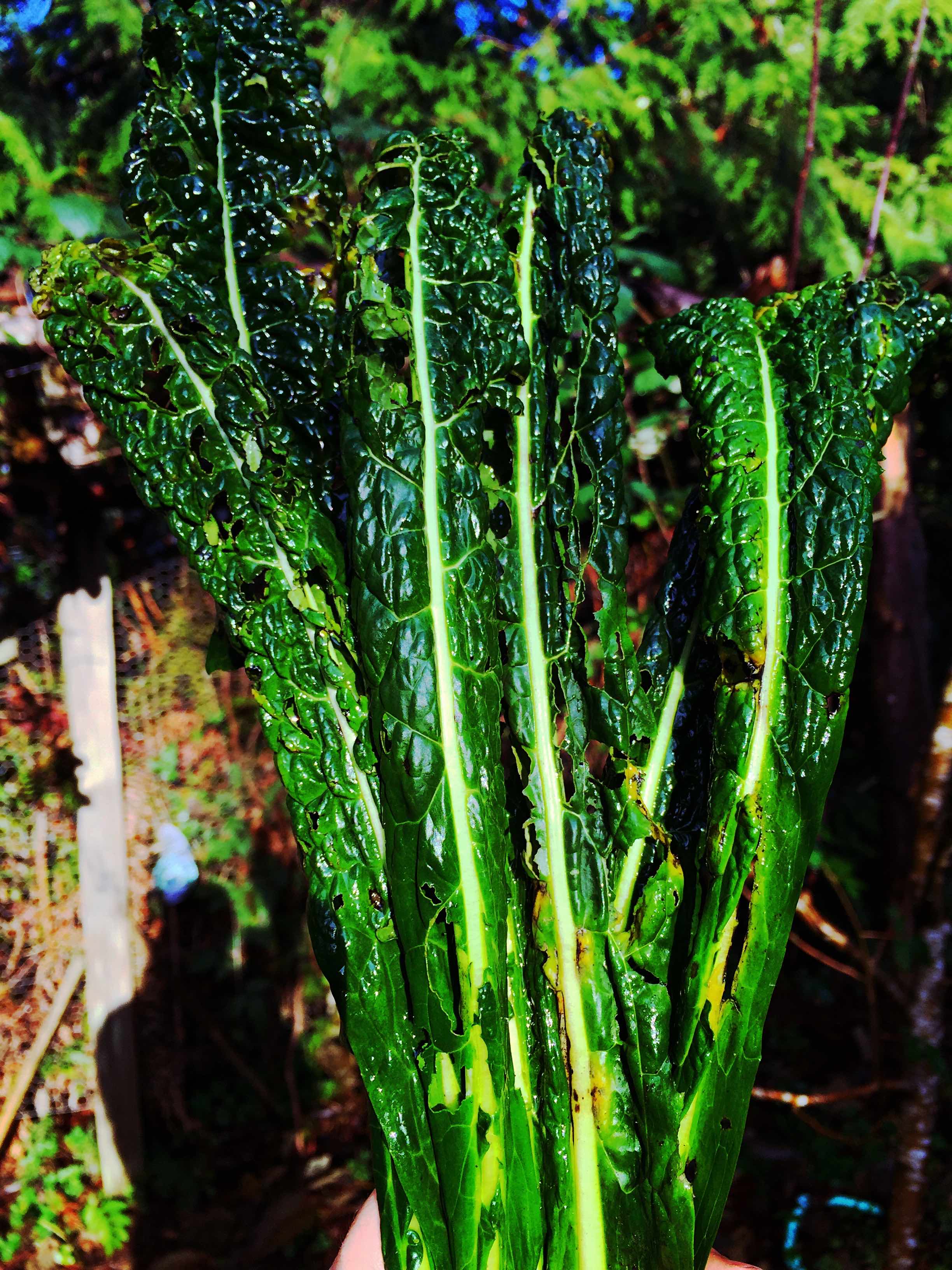
Thanks to a few thousand slugs that share the land with us, the slender kale has holes in it.

Holy Kale © Liesl Clark

Holy Kale © Liesl Clark

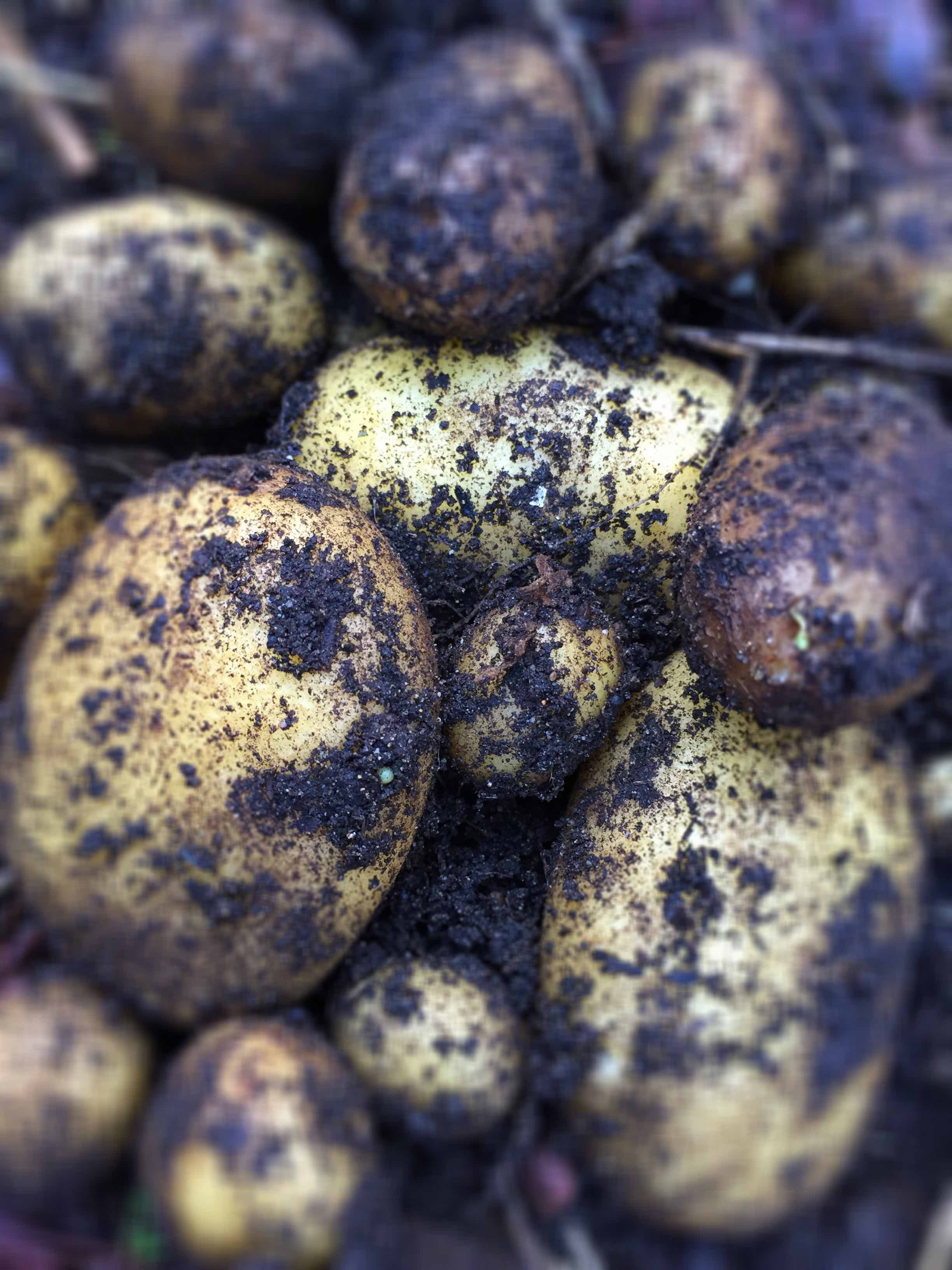
The finger potatoes and sun chokes cling to the sodden earth like black clods of nutritious grit.

It's What's For Dinner © Liesl Clark

It’s What’s For Dinner © Liesl Clark

Never fear, friends, just lower your standards, and don’t let your ugly veggies get you down. They’re still food. Hideously delicious food.

Roasted Sun Chokes © Liesl Clark

Roasted Sun Chokes © Liesl Clark


Gone are the days of showing off our succulent crops in beautiful baskets on long lost sunny afternoons. No, tonight’s dinner was wrestled free from the muck and slime of a New Year’s dark garden of primal growth that only the diehard will eat. We eat the foul-looking foodstuffs because snubbing our nose at them would contribute to the EPA’s wasted food bottom line. No, we’ll whip up dishes from weird days where clouds and wet shadows prevail over the  sheepish sunlight.

We triumph, quietly, when the kids eat the ugly veggies.

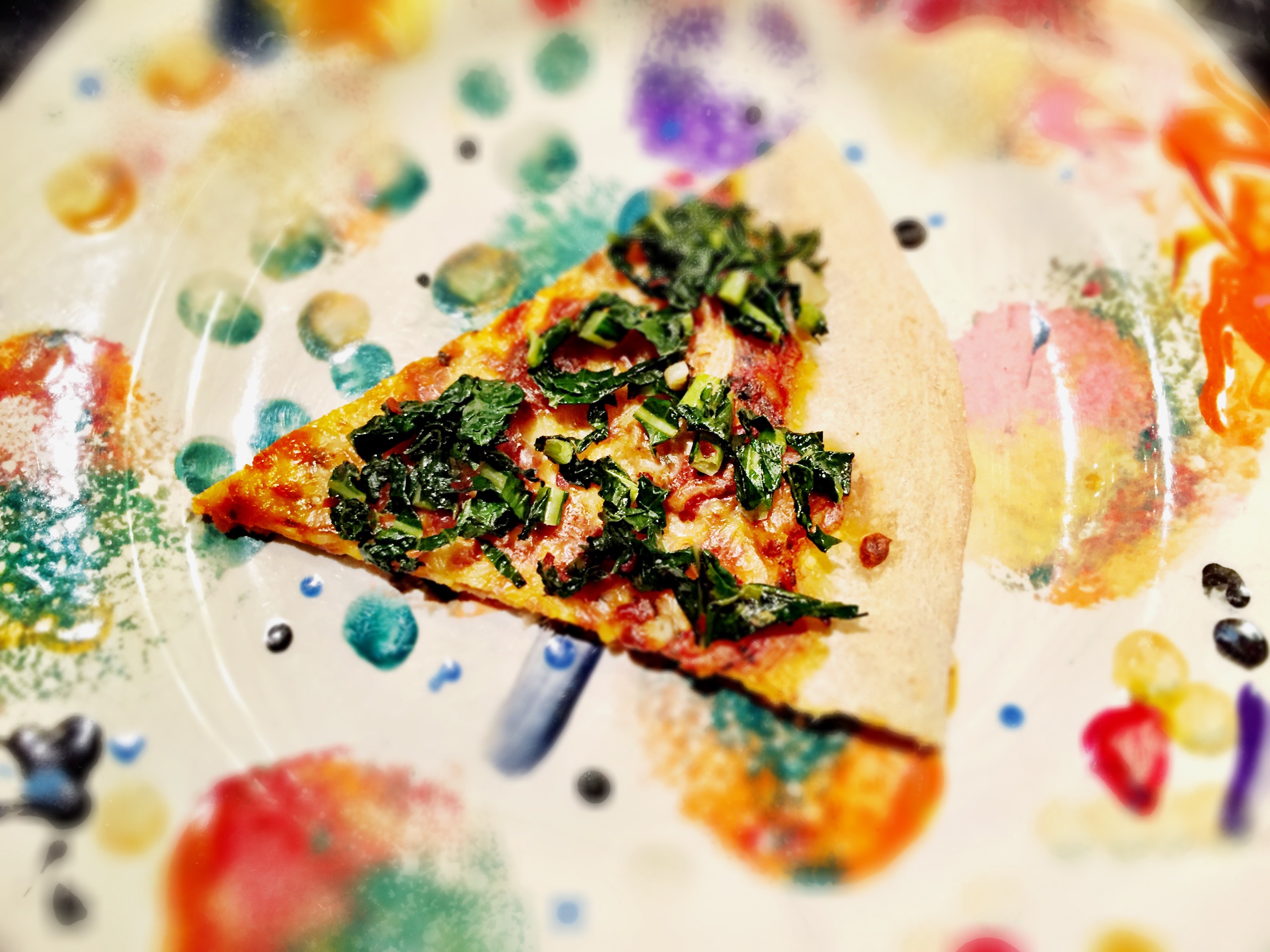
Pizza with Kale and Red Pepper Flakes © Liesl Clark

Pizza with Kale and Red Pepper Flakes © Liesl Clark

So, why be ashamed of the slug holes and dark spots on your rotting heads of cauliflower or snail-slimed leaves of kale when you hear this confession and bear witness to our homely ingredients? Embrace your ugly veggies. They’re food after all.

Washing the Grit From Sun Chokes © Liesl Clark

Washing the Grit From Sun Chokes © Liesl Clark

No one’s watching. No one’s comparing their Instagram-perfect patches of deep solstice greens with yours.  Bon appetit!  Go ahead, share your vile veggies with the fates that befall all winter gardens. Welcome them into your kitchen, unsightly as they are.

Snail on Kale © Liesl Clark

Snail on Kale © Liesl Clark

We eat our ugly veggies with pride. How about you?

20 Reuses For Orange Peels

Citrus Peels Have Many Reuses. Photo © Molly McCoy

We’ve been going through a lot of satsumas and clementines lately. This time of year, we save the skins for reuse. Turns out orange peel skin, and citrus peel in general, whether it’s dried orange peel or fresh, is a versatile material used widely from the kitchen, to the garden, and in the fireplace. If you don’t compost, here are our top 20 orange peel uses to entice you to keep them out of your garbage.

1) Make a natural cleaning product. It will work wonders in your house and office and is really easy to make. Saves a bundle, too.

DIY All-Purpose Household Cleaner

2) Dry your orange peels and use as fire starter. They’re naturally flammable and burn longer than your ordinary stick.

3) Orange peels in water make a great insect repellant for the home. Keep ’em out!

4) Create an orange peel candle.

5) Orange peel essential oil is a really strong ingredient to add to any natural house cleaning product.

6) Put all your orange peels in the compost for natural fertilizer for your garden.

7) Use your peels for orange zest in recipes.

8) Place some dried peels in your old brown sugar to make sure it doesn’t solidify due to moisture.

9) Make spiced candied orange peel and give it as a gift.

10) Orange peel roses look beautiful as a centerpiece.

11) Try your luck with an orange peel sugar scrub to kiss winter skin goodbye.

12) Start your garden early by growing seedlings in a citrus peel starter pot.

13) Squeeze orange peels onto your dryer lint to enhance their ability as fire starter fodder.

14) Dried orange peels can extend the life of your potpourri.

15) Orange peel deodorizer: Put a few orange peels in the bottom of your trash cans. They are a great deodorizer.

16) Natural mosquito repellent: Try rubbing orange peels over your skin to deter those bugs.

17) Make an orange peel bird feeder for the birds.

18) Simmer with your favorite whole spices like allspice, cinnamon, and cloves to create a lovely aroma in your home.

19) Make some cool looking orange peel teeth for Halloween.

20) Occasionally put an orange peel down into the garbage disposal to clean out your disposal and make it smell fresh.

Don’t stop at 20!

21) Craft some adorable orange peel boats with the kids.

What do you do with your orange peels?