No Impact Week: Waste — Pet Waste that is

Can Pets Go Zero Waste?

Can Pets Go Zero Waste?

Those of you with pets: admit it, you’ve had to think about it. What do we do with their doo? Plastic bags headed to the landfill loaded with methane bombs comes to mind. Not only is the plastic egregious, but filling it with toxic waste to eventually seep into both our atmosphere and watersheds makes no sense. Really, isn’t there a better option? There is.

I always figured having the little furballs go all-natural and eliminate all-waste in our back 40 (well, it’s really someone else’s back 40) made the best sense, but when you read all about it (pet poop, that is) it becomes clear the stuff is full of things like toxiplasmosis which is darnright nasty for the environment, especially for our waters, and we live just a hundred yards or so uphill of Puget Sound.

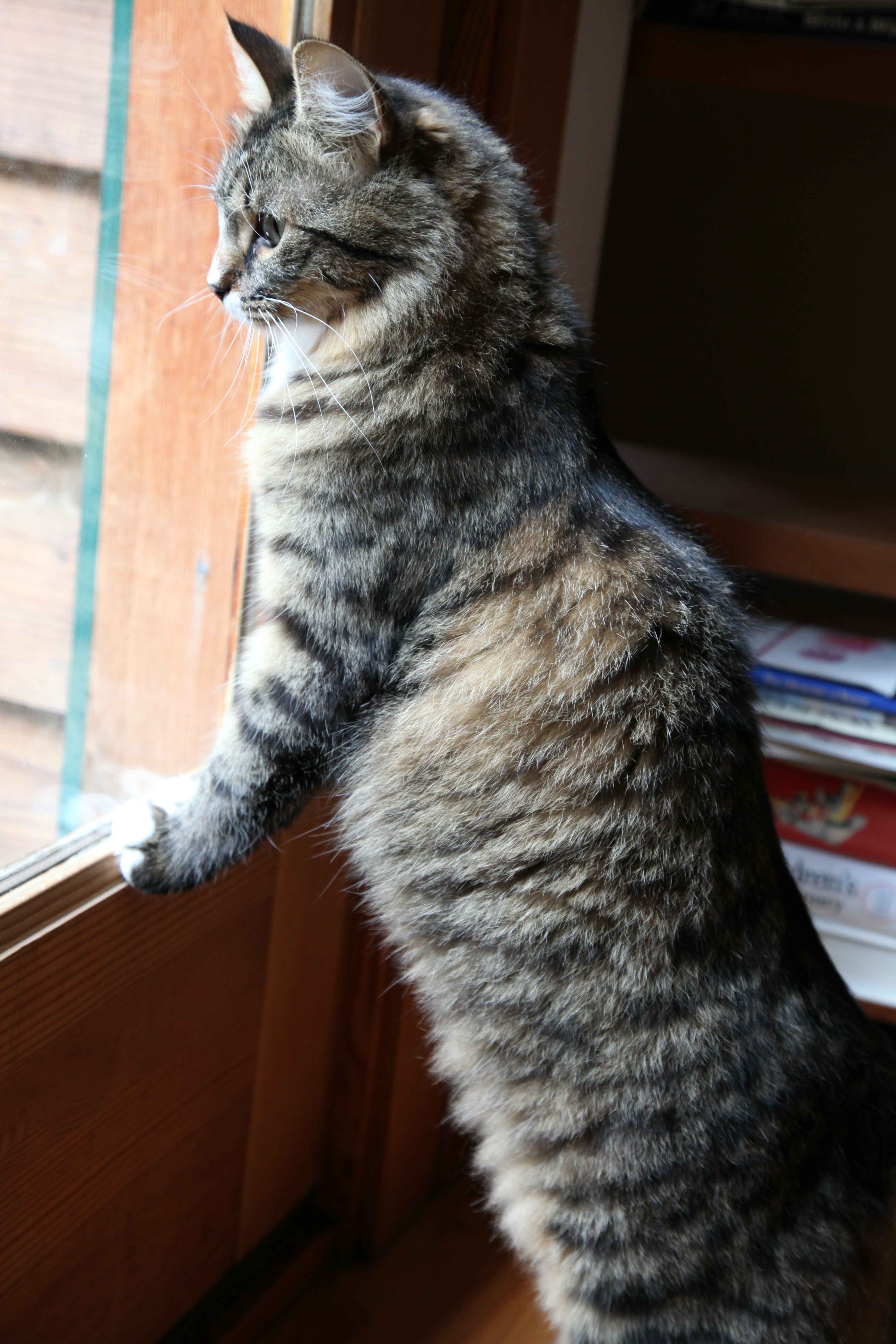
I’ll even admit to thinking we could try to potty-train our kitten. If you haven’t seen this bizarre practice before, do check out the YouTube videos available on the subject. It’s a bit disturbing, but makes excellent sense. Our furry friend, Willa, got way into it — the toilet, I mean. After falling into it a few times, she sent us a clear message she just didn’t like the porcelain throne and opted to do her dukeys all over the bathroom floor. Seeing her scratch at the commode as if it were some form of kitty litter was pathetic to watch, so we converted her back to an all-American wheat-loving litter-using furry feline in no time and emptied the “clumps” into a re-used plastic bag with that tinge 0f guilt, once again.

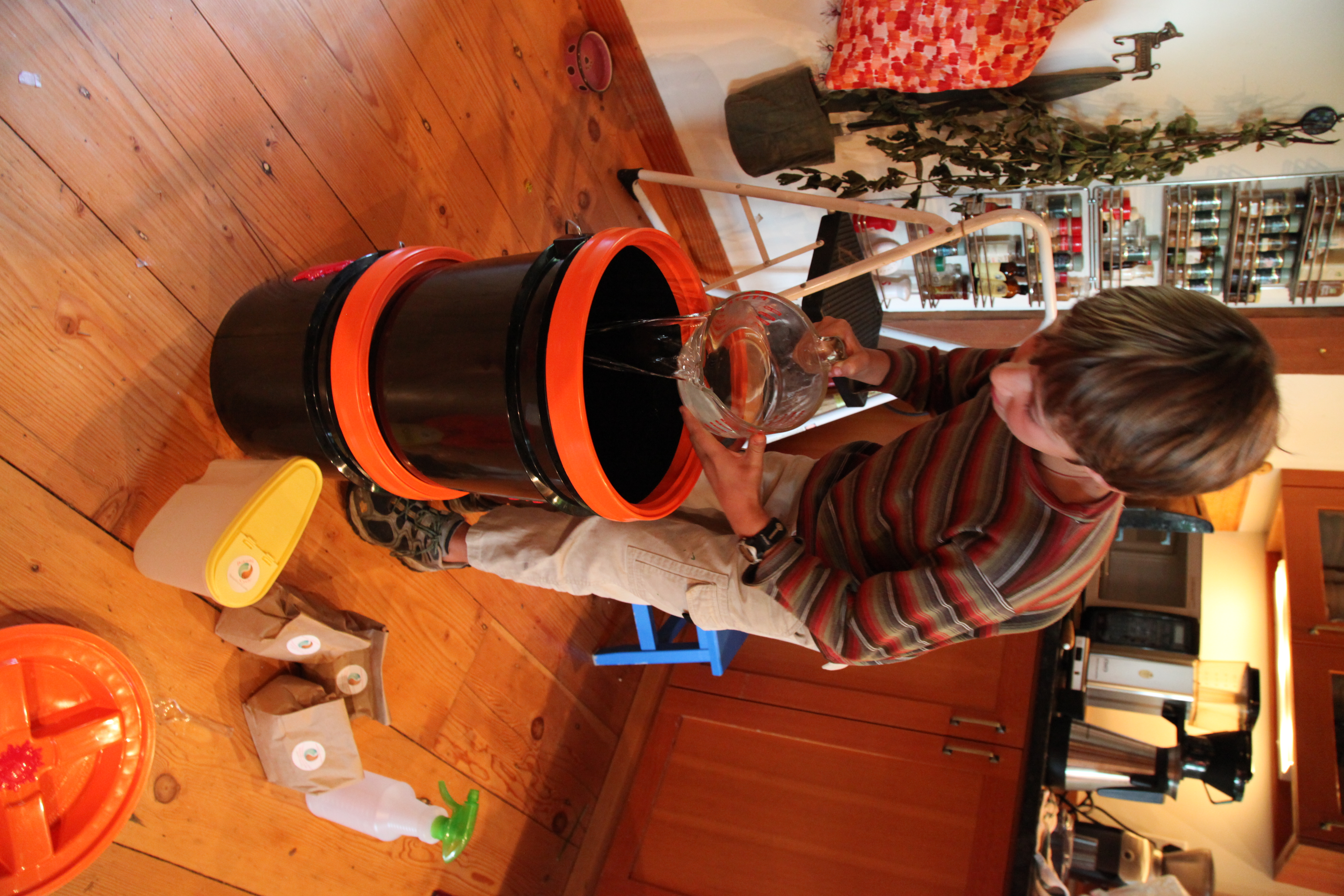
Fast forward to about a year later, when we stumbled across Bokashi and their pet waste composting system which promises to turn Willa-waste into fuschia-food. So, day-before-yesterday, in honor of No Impact Week’s waste day, we assembled our Bokashi composter with excitement.

Bokashi Pet Waste experiment Day 1

Bokashi Pet Waste experiment Day 1

It’s a chemistry experiment that only children could love, and although those big plastic buckets rub me the wrong way, this system should work for life, converting the brown and smelly into gorgeous garden gold for perennials. It’s not for the veggie garden, doo note please, for obvious reasons. Be sure to check out Bokashi’s website to learn more about their systems for pet waste and composting in general. They’re closed systems, so they don’t emit methane. And as for those plastic buckets, if taken care of properly, they’ll be put to use….forever.

Zero Waste Kitty

Zero Waste Kitty

No Impact Week: Consumption

Being Creative with New Recipes

Being Creative with New Recipes

This week Yes! Magazine has launched a project called No Impact Week, that people the world over are encouraged to participate in. We couldn’t resist, and this post is a summary of Day 1 — all about consumption and literally where this family has been experimenting over the past month. Can we find new ways of reducing our over-all consumption of goods, energy, and water?

Yesterday was a good day for us, as the No Impact project got us started on several new ideas. We were asked to make a list of what we needed this week:

Suet for birds

School snacks for the kids

Pickles

Bread

Laundry detergent

Food wasn’t deemed by the project as necessary to put on the list, but we’re trying to grow/make most of our own food and so we think it’s a good exercise every few weeks to consider whether you really need to go to the market to purchase food that week. Is there enough in your larder to support your family’s needs for the week? If so, save yourself the trip and make do. You’ll likely find new recipes you never dreamed of making because you’ll have to work with the veggies and foodstuffs you have on hand. We decided to take our list of needed items and, well, make them!

Making Suet!

Suet for Birds: Okay, I admit we purchased the beef fat a day earlier in preparation for the suet-making experiment. But the truth is, we’ve been trying to figure out a zero-waste option for suet. It’s now fall and the birds outside desperately need more fat in their diet, to help them through the winter. At our local store, the butcher happily put chunks of beef fat (about 2 lbs came to $2.00) in a large jar I brought. At home, we rendered the fat, strained it through a fine mesh colander, then mixed in raisins, peanuts, whole grain chicken feed, hulled sunflower seeds. We spread it all out in a glass pan and…there’s suet enough for at least 2 months for our woodpeckers, Steller’s Jays and chickadees. When suet is out, even the Pileated Woodpecker comes right to the window.

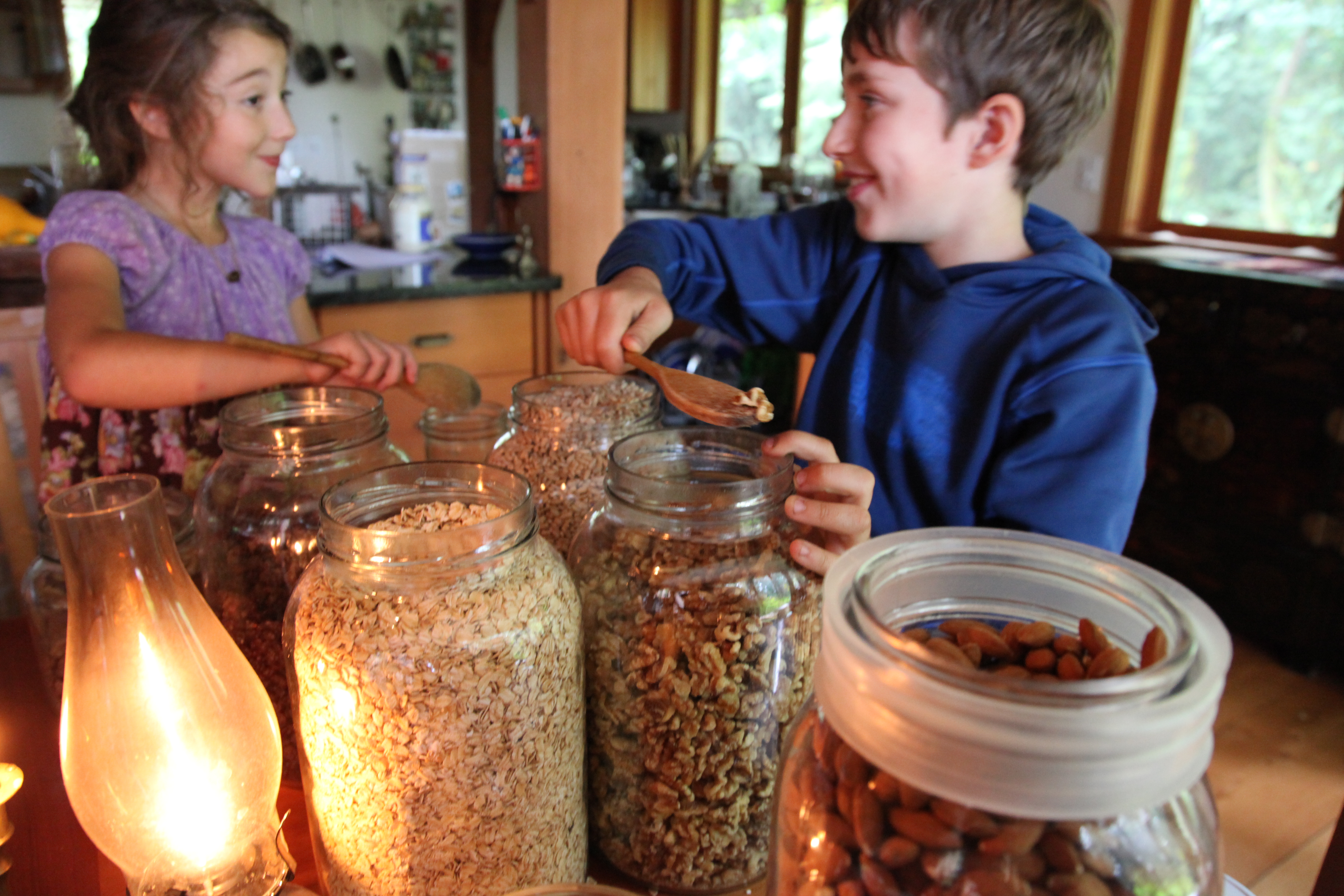
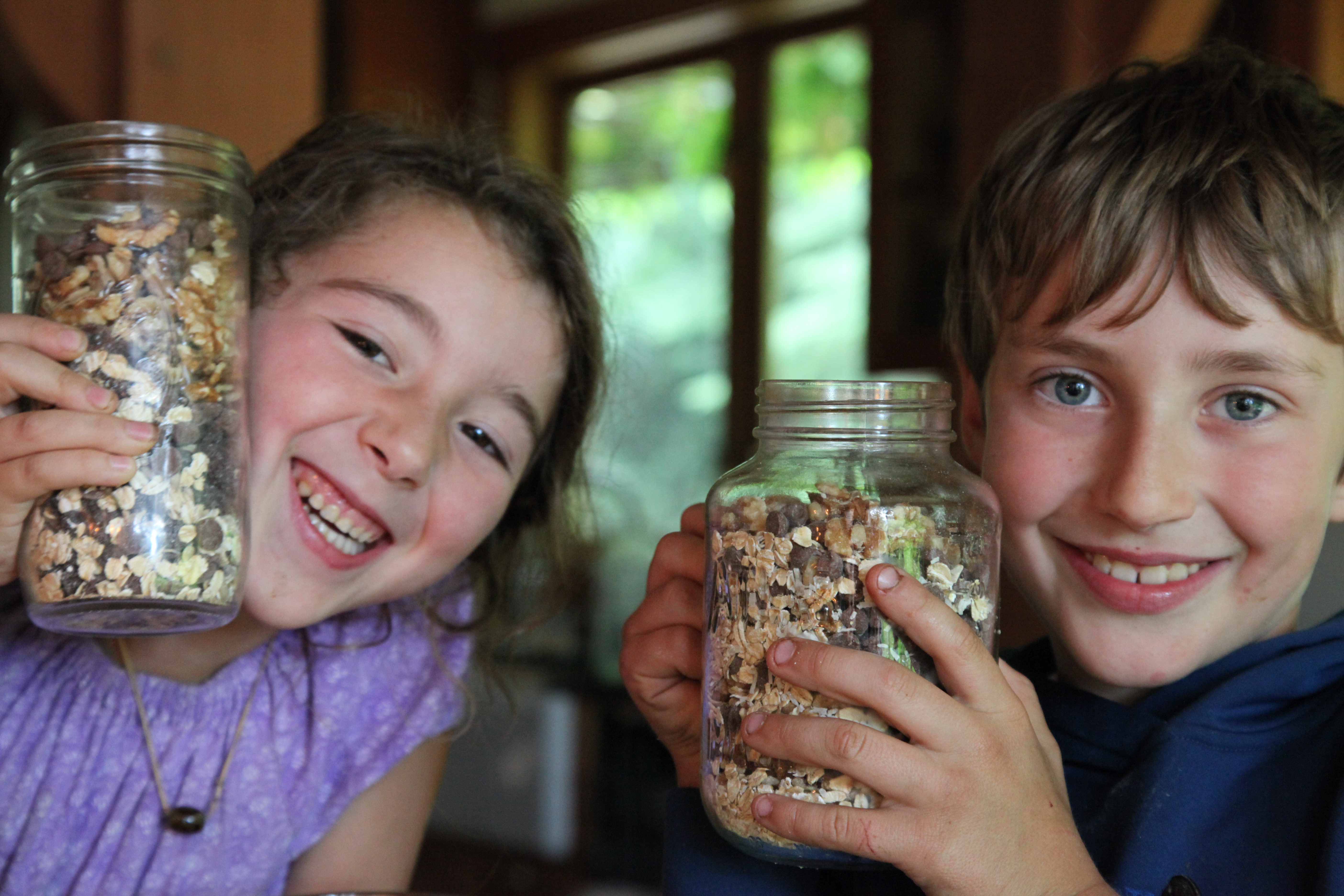
School Snacks for Kids: This one was easy. With nuts, organic chocolate chips, rolled oats, and raisins all bought in bulk, we pulled out the large glass jars we store our bulk items in, put them on the table around the candlelight (no impact lunch!), gave each child his/her own jar and they made personal trail mix jars using wooden spoons for dipping. Each morning they make their own lunches, so pouring from their personal jars into their lunch canteens is easy.

Trail Mixers

Zero Waste Trail Mix

Zero Waste Trail Mix

Pickles: We ran out of pickles last week, a fave of the kids,’ and so we made our own this week! They’re delicious. By bartering 18 eggs last week, we received from our friend Carol some gorgeous pickling cucumbers. It was incredibly easy to make refrigerator dill pickles and we know these will be consumed in a matter of days. We used this recipe, substituting with organic turbinado sugar, and we definitely recommend using grape leaves for pickle crispness!

Organic Dill Pickles with Turbinado Sugar

Organic Dill Pickles with Turbinado Sugar

Bread: It’s a twice-weekly tradition. We make all our own bread and are happy for it. It’s yummy, full of great ingredients, and much cheaper than anything we buy from our favorite bakery. We still support our local bakery, occasionally, too. Here’s our killer bread machine whole wheat walnut raisin bread recipe:

1 cup warm water

3/4 cup liquid (combo of egg, yogurt, milk, whatever you’ve got)

1 heaping teaspoon good sea salt

2 tablespoons flax seed oil

3 cups flour (any combo you like)

4 handfuls walnuts (or any nuts)

3-4 handfuls raisins

1 tablespoon honey

1/2 teaspoon yeast

Laundry Detergent: Stay tuned for our zero waste detergent, coming up in a future post.

Month Less Plastic

Plastic-free for a month

Today is the beginning of a new adventure my family and a few other friends’ families have signed up for: a month less plastic. What?

Essentially, the challenge is to reduce our plastic intake, and share what we learn with each other. If you’re interested in this endeavor, please join us, and write in to share your experiences in curbing our toxic love affair with plastic. It permeates parts of our lives well beyond our kitchens and children’s playrooms, and that’s what this adventure is meant to highlight. What will we learn from trying to use less plastic, whether it’s a focus on simply not allowing new plastics to enter our homes or a study on which plastics we use each day and how we can keep them useful so they never end up in a landfill? Will this exercise complicate our everyday rituals or simplify them? We’re looking for more clarity in defining our relationships with the materials we use each day. Are they healthy? Will the things I throw away or recycle end up part of a new plastic item or will they land in a landfill, or the ocean? What impact will they have in the long run?

All solutions to the problem of persistence of plastics in our environment point to less dependence on plastic. So, we’re going to give it a try. A month less plastic.

But first, I need to rewind to the day before the start of our month. Yesterday. I promise, we didn’t head to the store to stock up on all the things made of or packaged in plastic we’ll need for a month. In fact, we went to a local store to purchase much-needed toilet paper and bananas. Bananas don’t grow here so I’m violating the local motif, but we’re known to do that with a few of our staples: bananas, rice, flours, nuts, avocados, coconuts.

Organic Bananas?

Bananas came in two varieties: organic and non-organic. We aimed for the organic bananas and, to our dismay, found they not only had a couple of organic stickers on them fashioned in the shape of a leaf with a drop of dew on them (made of plastic) but they also had a large strap of plastic tape around the bunch. Adding insult to injury, a ‘sock’ of clear polyethylene plastic was stuck to the stem connecting the bunch together. One plastic over-glued sticker claimed the bananas were “raised by mother nature.” How lovely it will be to see that sticker mushed together with all the other discarded plastics, decidedly not raised by mother nature, in our local landfill in about a week.

Organic/Non-organic, Plastic/no-plastic

Organic/Non-organic, Plastic/no-plastic

On the other side of the produce island, we could see the non-organic “regular” bananas had only a single paper sticker on each bunch. The decision was a no-brainer. Based on our month less plastic agenda, the non-organic bananas ruled out. The organic specimens were a paradox per bunch staring us banana-loving monkeys in the face.

Raised by Mother Nature

We leave you with a short film dedicated to the launch of our month less plastic. It was produced, shot, written, directed, composed and performed by our up-and-coming one-boy film-making machine. I’ll qualify this introspective film by simply saying that it was made entirely without my knowledge. While I was attempting to make a film about how easy it is to shop at your local store and generate zero waste, this film was being made. Sadly, after shooting, editing, and completing our very upbeat film about how one can succeed in zero waste shopping, I was contacted by an executive of the local store and discouraged from pursuing the film any further. We hope you enjoy the film that will have to take its place:

Rag Pickers of the Rotary Auction

They raise hundreds of thousands of dollars in a matter of days, all to the credit of local volunteers and dedicated rotarians. Bainbridge Island’s Rotary Club puts on a rummage sale and auction each year that’s so big it can be seen from Google Earth’s satellites. What’s their secret? Our stuff. Our unwanted mountains of household items we don’t need anymore, but still have a long life in them for others to use. Thousands of home/kitchen/garden things are dropped off each day for 5 days, and all are shopping-carted over to the various departments of the sale: housewares, arts & crafts, sporting goods, children’s books, lawn mowers. It’s a shabby chic department store for a day with prices you can’t beat anywhere in the northwest.

I’m writing this post because we just spent the last week volunteering at the Auction, creating a special job for ourselves: dumpster duty. We attempted to divert as much recyclable and reusable items from that 40-yarder as we could. It was a race to keep up with the myriad trash bins that were being thrown in without our editorial input. The end result: we made a huge dent on the amount of waste to be shipped and dumped in Bremerton, but we’re troubled by the amount of usable and recyclable materials that still made it in. Perhaps a whole shipping container-full.

We need more rag pickers. The effort is exhilarating, a modern archaeological peek into our material culture and the resources we find of little use that would be a boon to another culture or even your neighbor down the street. There are lessons to be learned, but we’re still learning them. Please watch our movie and give us your ideas, your thoughts on how we can stop the daily flow of resources into our landfills.

The Rag Pickers of Kathmandu

Sometimes we just have to make the best of hard times. There’s always the hope of finding a way through darkness toward a place that moves us beyond where we started in the first place. Excruciating pain in my abdomen for a long night told me I needed to go to the hospital. We had just arrived in Kathmandu and were hours away from flying into the mountains for a 3-week archaeological/filming expedition. A CAT scan revealed an inflamed appendix that was ready to burst. Undergoing an emergency appendectomy through open surgery in a Kathmandu hospital was the only option. It meant I wouldn’t be able to join the expedition, and our 2 small children would have to stay with me while I recovered in Kathmandu — an opportunity lost for 2 eager young archaeologists and a filmmaker poised to shoot unique cave research as it unfolded. We would miss our many friends in Upper Mustang, whom we’ve grown fond of after 7 trips to the region as a family. What seemed a loss, at the time, became an opportunity in the end.

Sharing a movie on the flight to Kathmandu

As time slowly healed our hearts and rest mended my swollen abdomen (as we waited for the expedition members to return to Kathmandu), we found a compelling story to tell with a little Go-Pro POV camera in the hands of an 8-year-old. Forays by rickshaw into the streets of Kathmandu brought daily lessons on the gut-wrenching lifestyle of a low caste of people who play one of the most vital roles in reducing pollution in Nepal and in particular in the Kathmandu Valley. They’re called “rag pickers” and the rags they pick from the sludge of human waste, including sewage, are indeed resources plucked from the mire of human consumption. These so-called “rags” are mainly plastics: ramen noodle packets, biscuit packets, plastic shopping bags, plastic beverage bottles, and all forms of hard plastics.

There are about 300 rag pickers engaged in waste recovery in the various urban centers of Kathmandu, alone. Most are villagers displaced by the Maoist regime, having moved from rural mountainous regions to Kathmandu. Yet, rag picking is a safety-net for anyone who finds themselves amongst the poorest of the poor, guaranteed employment for the self-starter willing to pick through the rank and toxic garbage of Kathmandu’s residents. Touching other people’s dirty trash is close to taboo in Nepal, hence rag pickers are scorned and mistreated. They suffer high risk of health complications and nearly half are women and children. The majority are illiterate.

This film short is a story for both kids and adults, told from the point of view of 2 children on a journey, seeking solutions to the chaos of waste management across our planet.

100 Foot Diet

Winter Survivor: Collard Greens

It’s the ultimate homegrown challenge: eat at least one meal a week, or the majority of your ingredients, from foodstuffs you can find on your own property. No, that doesn’t include the stuff you have in your cupboards that came from Chile. I’m talking about the food you’ve grown, farmed, and the delectables you didn’t even know were edible but are sitting in plain sight, growing right in your lawn, ditch, or woods.

Forager's Quiche

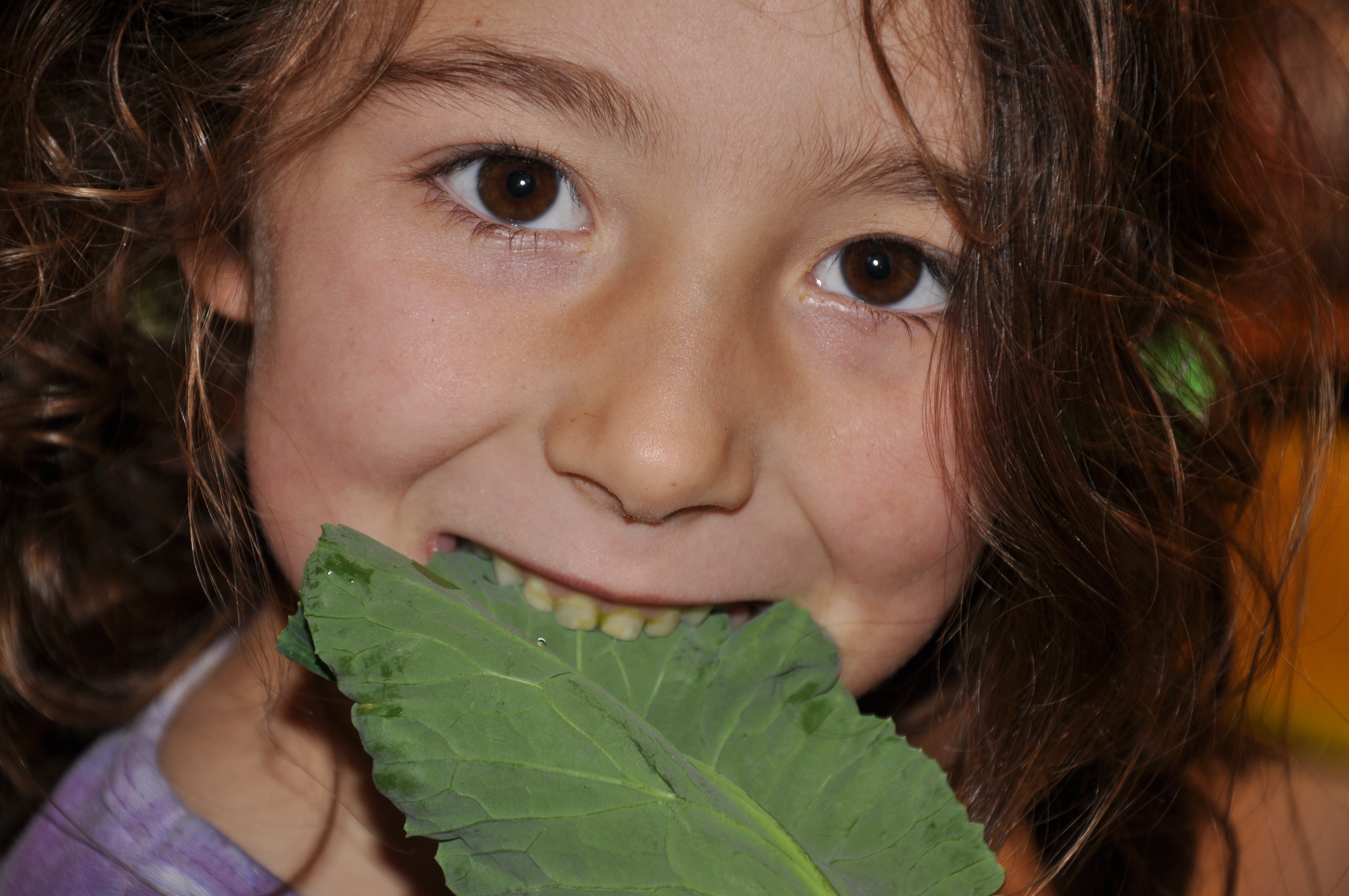
The kids and I are natural foragers. Since that amoebic age when they mostly crawled across the dirt, our little ones have put anything that looks edible in their mouths for a taste. Luckily, that urge to test is still intact. This week it’s been salads made of the weeds we didn’t intend to grow while we were away for 2 months in Nepal — if you can’t beat ’em, eat ’em. And these weeds have been utterly delicious: young dandelion leaves, bitter cress, water cress (okay, that’s in a nearby ditch), plantain, mustard, dock, mint, and stinging nettle. The nettle goes in soups and pestos. Even the potatoes I had thrown in the worm bin hatched new ones (potatoes, not worms) while we were away. Our little homestead just keeps producing in our absence and we’re so very thankful.

These amazing collards have been producing greens for 9 months

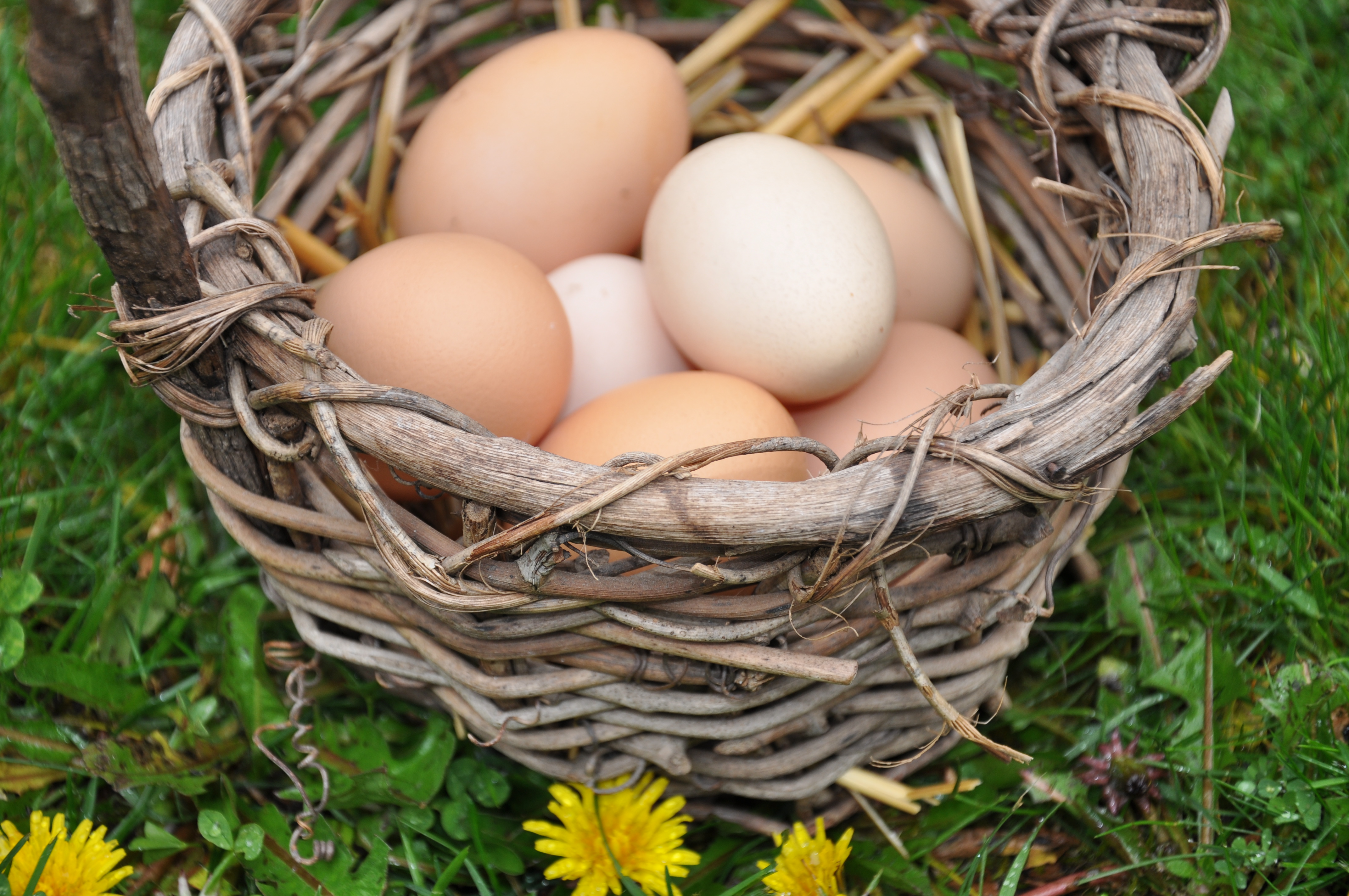
The collards and kale kept going, although they’re as leggy as a runway model. And the chickens are laying 10 eggs a day. So, quiche and frittatas are a regular menu item.

Eggs in Dandelions (great quiche combo)

Even the honey bees are offering up some of their excess gold. Amazingly, one hive of ours didn’t even touch their extra super of honey we had stored above their brood. A mouse, of course, got in a partook in the elixir, but we’re planning on harvesting a few frames for ourselves in the next week to enjoy the honey on our homemade zucchini bread. We pulled out the last of our shredded zucchini from the freezer a few days ago.

Shredded Zucchini from the Garden, 8 Months Later

So, for those who’d like to take the challenge, give the 100 foot diet a try. Go forth and search out those oyster mushrooms, maple blossoms (they’re in season now), and arugula that re-seeded itself just down the path. Oh, and I think your canned, dried, or frozen home-grown produce from last summer definitely counts! Explore and live off the fat of your land.

High Mountains, Pure Water

Sample Nepal Village Zero Waste Plan

(A work in progress)

1)    Locate village waste sites. Are they trash pits dug out for burning? Are they in a windy spot? If so, build a fence around them so rara (ramen) and biscuit packets don’t blow away. Do cows frequent the site and forage? If so, a fence will stop this. Cows die from ingested plastics, and the plastic can’t be a positive influence on the milk the cows produce.

2)    Are there incinerators for burning trash in the village? Review which plastics are being burned and at what temperature.

3)    At the trash pits (and also in a few volunteer homes) separate out the resources from the trash: aluminum, glass, compostables like paper, cardboard and food scraps.

4)    Find a nearby source that will buy the aluminum and a local willing to carry it out.

5)    Find a nearby source that will buy or recycle glass and a local or foreign NGO willing to carry it out. Often there are porters willing to carry for a small fee or trucks heading downvalley that are empty.

6)    Conduct awareness camps with locals to re-assess why compostables like paper, cardboard, and organics like food scraps are ending up in the trash pits. Methane gas from organic waste in landfills is a large contributor to greenhouse gas worldwide. This organic waste should be seen as a resource for compost piles. Remind locals that tea bags can be composted. Eggshells can be composted. If locals are going into the forests to collect leaves (carbon) for compost, they should be saving their paper and cardboard which has the same affect on compost piles if shredded into smaller pieces. Teaching locals to keep the leaves beneath the trees to prevent erosion will take time, but showing them that the paper and food scraps can take their place could go a long way in reducing the amount of leaves being taken from the already denuded environment.

7)    Toxic waste drop-off site: designate a local place (either one right at the pit or at a community center) where people can drop off their toxic waste – batteries, lead acid car batteries, CFL light bulbs. Find a local conservation group that will transport them to a safe disposal site.

8)    Cut down on single use items. If there are many plastic water bottles in the trash pits, locals can look into getting a potable water filter donated to the community. Informed trekkers will bring their own water bottles to be re-filled with safe drinking water. Signs in the village indicating where the safe potable water can be purchased will help reduce plastic water bottle waste.  The village or individual lodges that purchase the water filters will get a return on their investment.

9) Create goals for the future: plastic bag bans in your village, public potable water station.

Thanks to Clif Bar, we’ve been able to take some of these steps in interested villages in Solukhumbu and Mustang. The goal is to get the plastic and toxic waste out of the critical high mountain watersheds. Our steps may be small, but with continued follow-through they will have a lasting impact on Nepal’s increasingly threatened, garbage-choked watersheds.

The Path to Zero Waste and the Choices We Make

Path to Zero Waste (or, our laundry room where we keep our trash)

When I first became interested in the subject of how to reduce our family’s consumption of goods and, in particular, reduce our waste to the landfill, I found that lists created by other zero waste pioneers really helped. I admit, I scoured the Web at night when the kids were asleep and found lists upon lists of how others had outsmarted the system and found ways to reduce their waste. Mostly, they had returned to the basics, living a less consumer-oriented life, and had re-learned what their grandparents already knew. We’ve form-fitted those practices for our family’s lifestyle and without further ado, here’s our list (with a few explanations attached). Please send questions or comments as they all help to hone this list of simple steps and make it clearer for others:

1)    Audit your waste: Take a week’s-worth of your trash (or even a day if you are overwhelmed) and separate it into compostables, recyclables (paper, recyclable plastics, glass, aluminum), plastic bags (polyethylene), and everything else. You’ll likely find that at least half is compostable, another quarter is recyclable, and the rest goes into the landfill. It’s that last bit that you’ll eventually get to analyze more closely, but first look at the other categories and see how you can improve upon getting them where they need to go.

2)    Compost: If you can’t compost your own food scraps, see if someone else will, like your own town. Most cities and towns have a yard waste/organic waste pickup. This will reduce your waste to the landfill so much that your garbage bill will go down significantly. Guaranteed.

3)    Recycle: Okay, recycling is not an end to a means (of buying unnecessary plastics) but it helps reduce waste to the landfill. Print out (or memorize!) your local recycling guidelines and keep it posted above (or on) your recycling bin. Any 3-year-old can sort the recycling from the landfill waste. But before you throw it in the recycling bin ask yourself whether there might be a better re-use for the item.

4)    Polyethylene: I’m amazed how much of our waste is polyethylene – toilet paper wrapping, rice cake bags, cereal bags, newspaper bags, ziplock bags (with the zipper part cut out). Check out this list of what you can recycle at your local grocery store in the plastic bag receptacle.

5)    Landfill trash: Now audit this pile of trash. Are you sure it needs to go to the landfill? Here’s a list I compiled for Bainbridge Islanders (it can be useful for anyone) noting the usual products of our material culture and how they can be responsibly disposed of or reused rather then thrown in the landfill.

6)    Remove your trash bin from your kitchen: Put it in an out-of-the-way place so you have to think about it every time you designate something for the landfill. I simply put our compost receptacle and recycling in the space under our counter that was meant for “trash” and put the trash bin around the corner in the laundry room. It’s made a big difference for the whole family.

7)    Create special waste streams: After analyzing your landfill trash, if you find any items that you produce enough of that you can designate a special waste container for, do it! I’ve done this for batteries, wine corks & bottle caps (freecyclers take them away), and Styrofoam.

8)    All the other stuff: Have a bag hanging somewhere nearby where you can put all that other stuff that needs to be taken to a place for safe disposal and then once every 6 months take them to their final destinations – printer cartridges, prescription drugs, CFL lightbulbs, art supplies (like pie tins) for schools, etc.

9)    Join The Buy Nothing Project or a similar group: Anything that could have a second life should be given away. I’m amazed at what I’ve been able to give in my local Buy Nothing group. Total strangers drive to my house to pick up concrete blocks, old tarps, car seats, light fixtures, outdoor furniture, the list goes on. And, of course, I’ve received wonderful used treasures through my neighborhood network: waffle iron, veggie starts and perennials, booster seat, books for our children’s libraries in Nepal, glass canning jars.

10) Adopt new shopping habits: Always bring your reusable bags, including plastic or cloth produce bags and jars for your liquid bulk items (maple syrup, agave, tamari, peanut butter, olive oil, etc.) Refuse items packaged in plastic. It’s as simple as that. If you search around, there’s usually an acceptable alternative.

11) Buy in bulk: This is the single change in our shopping habits that has made the greatest impact on our waste. We buy 25 lb bags of flour, rice, lentils, beans, and pasta, among other items. But these are our staples that we cannot grow ourselves.

12) Grow/farm your own: If you have the space, grow a garden of greens and  whatever else you love. Get chickens and savor fresh eggs every day. We even raise bees for the day when we can actually harvest our own supply of honey for the year. The more you grow, the fewer trips you have to make to the store.

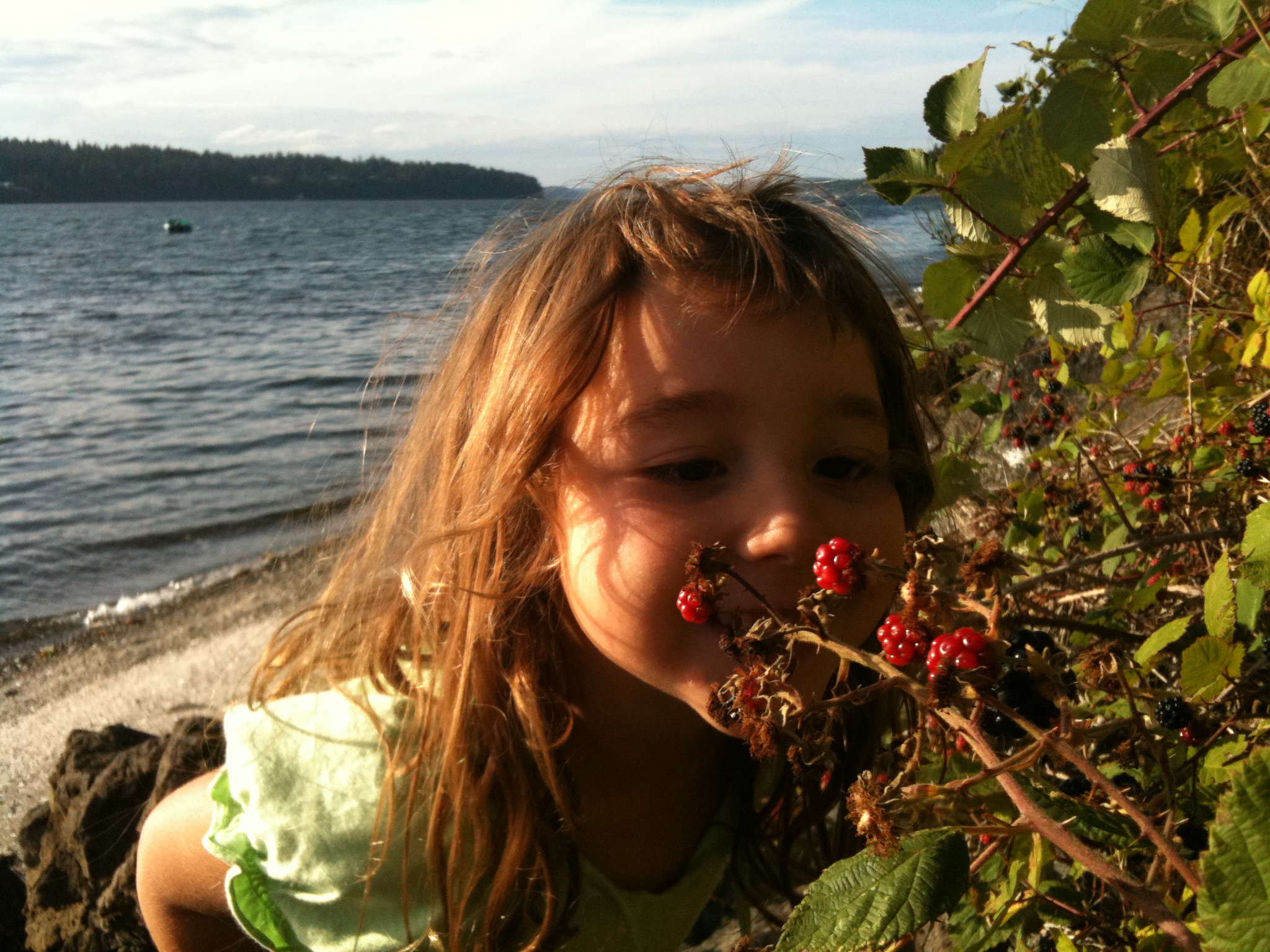
13) Forage: I know it sounds crazy, but if you can learn what the great free foragable edibles are around you, you can reduce your waste by buying less. We’re proud to admit that a good percentage of our diet is from foraged food: blackberries, apples (although the town just cut down our favorite beach apple tree), water cress, nettles, bitter cress, oyster mushrooms, huckleberries, blueberries (from our home in New Hampshire), chanterelles, salmonberries.

Secret Beach Blackberry Patch

14) Make your own: If there’s something you eat regularly, try to make your own so you don’t have to purchase the packaging along with the staple item. We bake all our bread, make our yogurt, and toast our own nut mixes. It’s a way of life so it doesn’t feel like a chore and our home made staples are much better than what we find at the store. Really.

15) No single-use items: Find re-usables to curb your habits. We now travel with our own coffee mugs, water bottles, glass straws, cutlery, and sometimes even plates.

And the end result? We fill one garbage bag of trash every 4-6 months.

 

Think Locally, Act Globally

There are a few places left on Earth where cultures and individuals have not lost touch with their past, their knowledge of how to live in harmony with the natural world, rather than overcoming it and destroying it. As far as carbon footprints are concerned, these are the people who have perhaps a heel-p

rint on the environment, as compared to the ski-boot-size print we know we have upon the Earth every day we live our average American lives. This is the story of one family’s journey to seek answers to the myriad questions about what we can do to reach back toward our past and re-learn the ways of the people who still respect the gifts of the Earth, conserve them, re-use them, and ultimately have the power and education to refuse the modern products that are toxic to our environment. This blog is a snapshot of where things have gone awry and an offering of simple solutions to stop the flood of plastics and non-reusable garbage into our wild places.

We don’t have a blueprint for living the perfect zero impact life, but we can provide a road-map for an ever-changing journey toward a more mindful way of living, whether we live in the most remote villages in the Himalayas or on a both rural and suburban island 35 minutes by ferry to metro Seattle.

Filming large prayer wheel in Upper Mustang

I’m a documentary filmmaker, with 20 years’ luck making films for NOVA, the BBC, and National Geographic in the world’s wildest least inhabited places on Earth. My husband is an explorer/climber who became known at the turn of this century for his 7 successful summits of Mount Everest. You might say our combined experiences have aided our re-thinking of the everyday worlds we live in. We’ve lived the sparse mountaineer’s life, a modern-wilderness-caveman-style existence in all sorts of extremes and have analyzed it closely, paring down our essentials and power requirements to the absolute minimum. And we now know there can be great joy and satisfaction living a life more simple, far from the cough of motors, hours if not days from the nearest shopping center.

We continue to make films and do research in the remote places we love, but what has stunned us and inspired us to change our lifestyle at home and live more closely to the rhythms of the Earth is the amount of waste we’re seeing in the world’s highest watersheds and the trickle-down of those misguided waste disposal practices, those plastics and toxic chemicals, ultimately, into our pristine waterways and oceans.

Spring Snow in the Himalayas

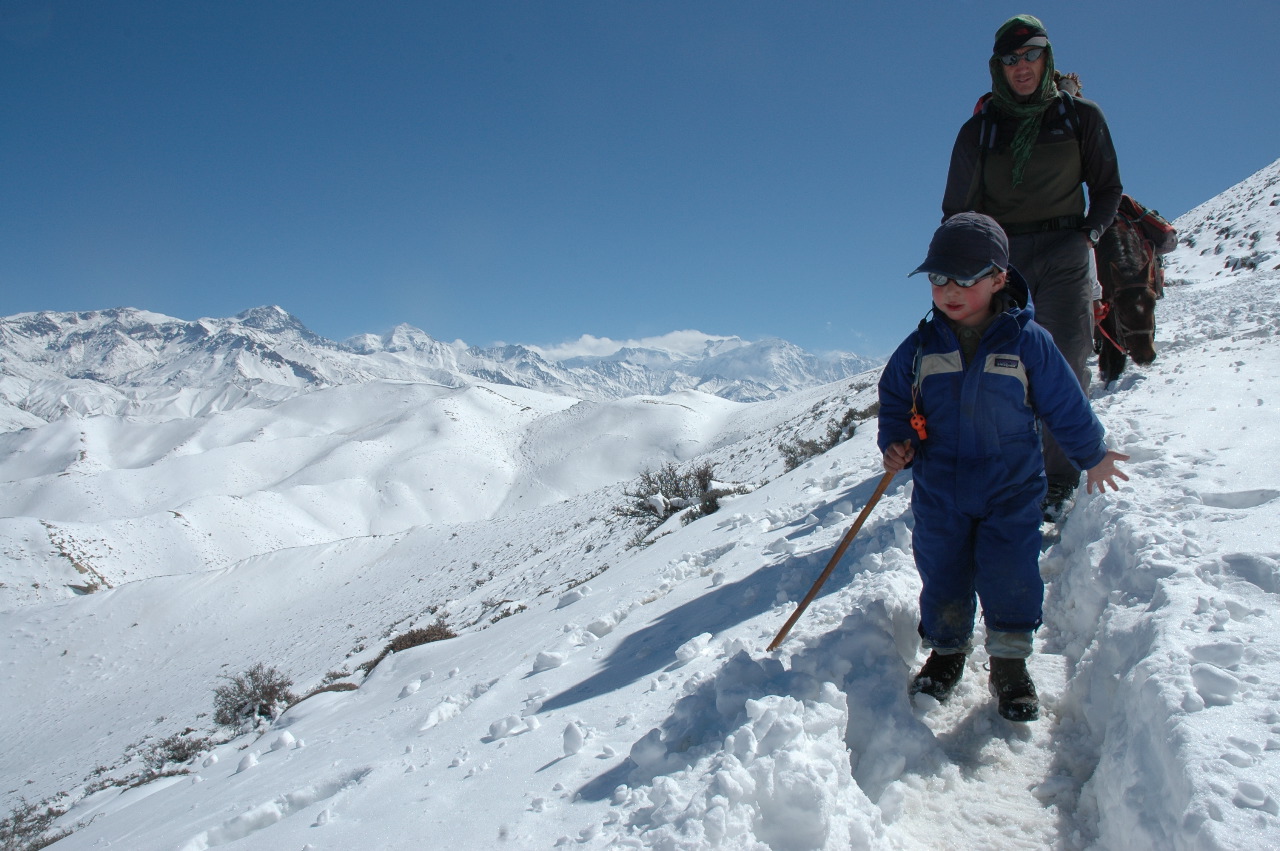
3 Year Old Post-holing Over a 13,000 foot pass

We’re taking simple steps, as you’ll learn in this blog, to initiate pilot projects, both at home and abroad, to help both our local island townsfolk and the indigenous cultures we work with see waste in new ways: separating the resources from the toxics and opening up a dialogue about how to reduce the waste that is ultimately detrimental to us all. We’re re-learning what our great great grandparents practiced.

Mostly, it’s our children (ages 5 & 7) who inspire our work. They find solutions long before we do and adapt to every environment they face. But they can no longer enjoy the beauty of the highest Himalayan villages, for example, because their eyes are caught by the tree limbs wrapped in blowing plastic bags, the ancient mani walls carved with Buddha’s teachings and stuffed with ramen noodle packages, and the wild grasses glittering with sweets wrappers and water bottles thrown from the hands of their Sherpa friends.

Stopping For a Hug, 13,000 feet, Khumbu, Nepal

“Let’s try to do something about it,” are the words Finn & Cleo spoke last February when we spent a month in the Mount Everest region of Nepal working on a Magic Yeti Children’s Library we had established a year before. This short film is a brief look at the adventures we had in coming up with simple solutions for a beautiful village at 12,600 feet at risk of becoming another trash heap sending its waste down into the greatest watershed in the world. The people of Phortse are taking positive steps to prevent this.