Metal or Plastic Rakes? A Review.

We’re still raking leaves. And as I rake, I think about the fact that every purchase we make can actually make a difference on our planet. By choosing a rake made with the right materials, you can have a positive impact on the environment. If you’re a regular reader of my posts, you might already know the answer I’ll have for this question of metal vs plastic rakes — metal wins! So what is my judging criteria? It’s not just sustainability and end-of-life scenarios that I’m taking into consideration.

Two plastic rakes, not very old, both just about useless. Photo © Liesl Clark

When you buy a rake, you’ll likely want your money’s-worth, i.e. you’d like your rake to be effective and last a good long time. As we know from our studies of plastics in the ocean, plastics photodegrade, they break down into smaller pieces over time, and most will never ever go away. Plastic rake tines are no exception. With repeated sun exposure and certainly in the cold, plastic rakes become more brittle and crack and break over time. My backyard trials have proven they’ll do this rather quickly. The 2 rakes photographed above were bought at the same time, about 1.5 years ago. The green one lost 2 center tines early in its life and then cracked at the point where the wooden handle meets the plastic rake. The orange rake lost 2 side tines and is now cracking down the middle of the rake. I figure we’ll get another couple of months out of it. We do a lot of leaf raking around here.

Leaf Dreams. Do you see the face in there? Photo © Liesl Clark

So what kind of rake do we prefer? A working and sustainable one that can ultimately be recycled in the metal bin, the wooden handle burned in our fire pit? Or one that will work for a shorter amount of time and will stay on the planet forever, breaking down into smaller and smaller pieces and entering our waterways over time? I know that sounds extreme, but this is what plastics do. They’re buoyant and are doomed to become microplastics one day.

Introducing my favorite rake. Metal, and about 10 years old. It gets all jobs done. Photo © Liesl Clark

A metal rake may be a little more expensive, but it will last longer as a useful rake than your plastic one and when it has reached the end of it’s useful life, you can either recycle the metal part or use it in your garden art. We reuse our wooden handles for replacing the wooden handle of another garden tool, like another rake or a shovel. Metal rake tines can rust but the rust won’t deter you from raking. If they bend, they can be bent back!

Backside of another very old metal rake (likely 8 years old). The one bent tine can easily be bent back into place. Photo © Liesl Clark

Some landscapers prefer plastic rakes for heavy wet leaf raking and metal ones for dry lighter-weight jobs. I’ve used both for both jobs and don’t notice much of a difference. Even bamboo rakes can tackle both jobs well. My favorite bamboo rake is nearing the end of its life (probably because I left it out in the rain too often) but every part of it can be reused: We’ll compost the bamboo, the metal will go in our local scrap metal bin for recycling, and we’ll save the handle for replacing that metal rake we’ve been meaning to mend.

Our zero waste bamboo rake is nearing the end of it's life. Photo © Liesl Clark

Here's the metal rake I need to mend. The handle broke off but the head keeps on working! It's been a nice child-sized rake, but I'm selfish, I want it back! Photo © Liesl Clark

So when you look at the end-of -life options for your leaf rake, metal and bamboo rakes definitely win out.


3Rs for Ribbon: Rethink, Reuse, Refuse

Ribbon Found on Our Beaches (including the spool), Photo © Liesl Clark

Ribbon Found on Our Beaches (including the spool), Photo © Liesl Clark

You should never need to buy ribbon for wrapping gifts. Here’s why:

“If every family reused just two feet of holiday ribbon, the 38,000 miles of ribbon saved could tie a bow around the entire planet.”

I tried to find the source for this fact but was unsuccessful, even though there are thousands of us on the web sharing it. Verifying it would take some simple mathematics, but more importantly the practical truth is that every time we walk our favorite shoreline, we find several feet of gift ribbon washed ashore. I’d like to submit a new version of the above quote and ask each family to do more:

If every family reused just two feet of holiday ribbon that they found in the environment, the 38,000 miles of ribbon recovered from our wilds could tie a bow around the entire planet.

We have gobs of plastic ribbon in our environment. You just have to look for it — it’s all around you: Ribbons hang from our trees attached to balloons set free by helium, they’re tied to mailboxes of birthdays gone by, they’re tangled in the seaweed at your feet. Frankly, if you’re in need of ribbon, I’ll happily send you a sampling of what we’ve found on our roads and beaches. It looks as good as new. Each year I stockpile the ribbon and then Freecycle what I’ve saved for someone to reuse on their gifts. Plastic-coated ribbon doesn’t break down or look anything but new after hundreds of days at sea.

Ribbon Attached to Balloon Found on the Beach, Photo © Liesl Clark

Ribbon on the Beach, Photo © Liesl Clark

If you’re interested in learning more about the ribbons’ common partner-in-crime, the balloon, go visit our friends atBalloons Blow, Don’t Let Them Go, a dynamic duo doing what they can to explain the simple facts about the damage balloons do to the environment and our wildlife. Balloons do blow and so do the ribbons they’re attached to, entangling countless creatures in their plastic clutches.

So the next time you need some ribbon for prettying-up a package, take a walk and I suspect you’ll find some. Or use an alternative like pretty jute, bailing twine, fabric scraps or filament line you’ve collected from the beach. Help keep this stuff out of our waters. Refuse to buy more of it, and get creative with the ribbons you find to help teach others about the sad abundance of wrapping resources found choking our trees and wildlife.

Seal Pup in Distress, Labored Breathing, Point No Point, WA. Photo © Liesl Clark

Seal Pup in Distress, Labored Breathing, Point No Point, WA. Photo © Liesl Clark

Garlic Press Gingerbread Hair

Plate of Gingerbread Cookies for the New Year, Photo © Liesl Clark

Plate of Gingerbread Cookies for the Holidays, Photo © Liesl Clark

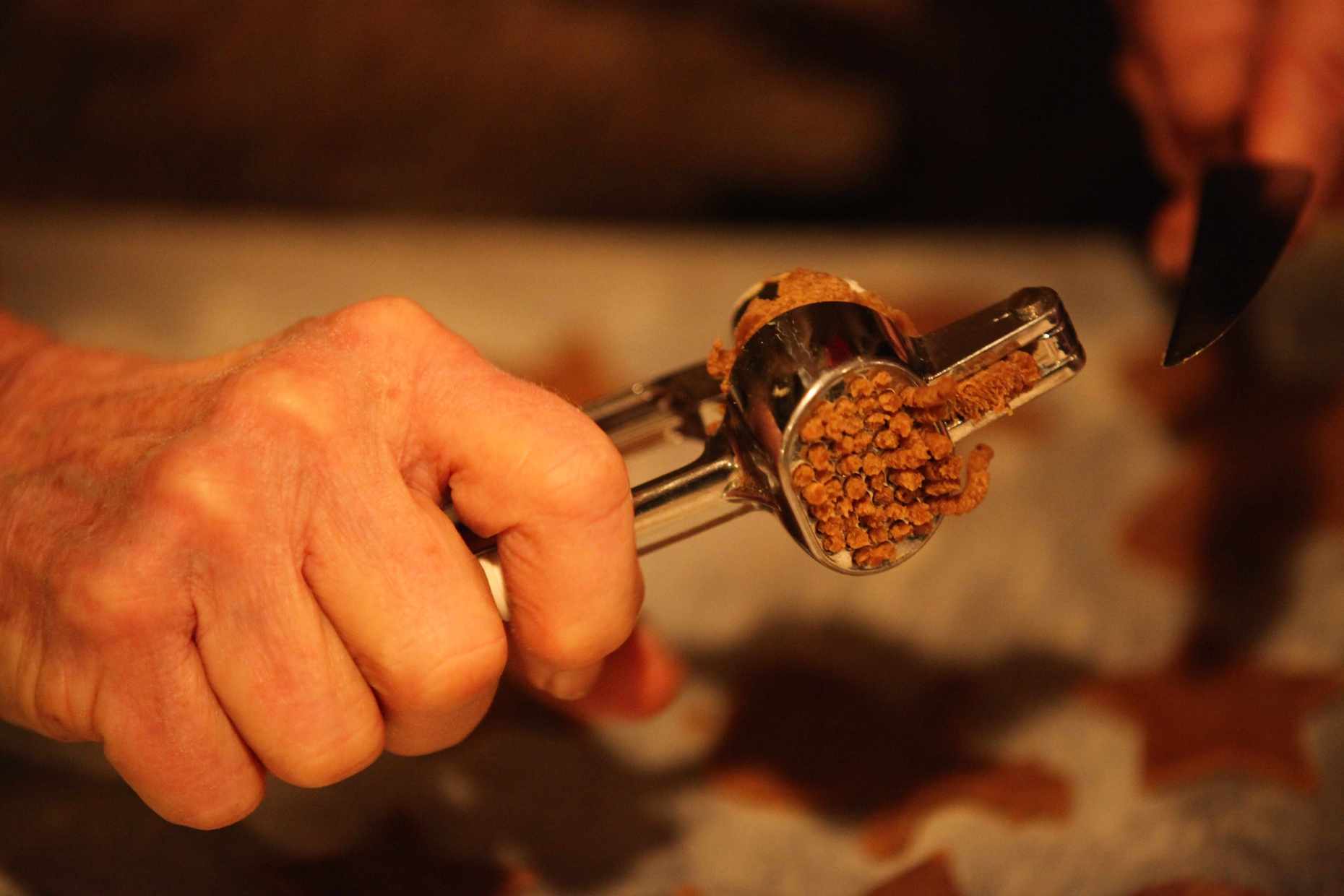
As we’re in the heart of the holiday season, baking gingerbread men is a tradition our family has endured since I can remember. True to form, my mom, “Grandma,” has come up with yet another innovative reuse for an everyday kitchen tool: Use a garlic press to make gingerbread people hair!

Squeezing Dough Through a Garlic Press for "Hair," Photo © Liesl Clark

Squeezing Dough Through a Garlic Press for “Hair,” Photo © Liesl Clark

Use a knife to cut the hair off at the length you’d like and then press the hair into the top of your gingerbread person’s head.

Applying Hair, Photo © Liesl Clark

Applying Hair, Photo © Liesl Clark

Adding Decorations, Photo © Liesl Clark

Adding Decorations, Photo © Liesl Clark

Bake your cookies and you have a more 3D cookie for your family to enjoy!

Gingerbread Man with Hair, Photo © Liesl Clark

Gingerbread Man with Hair, Photo © Liesl Clark

Gingerbread People Love to be Decorated, Photo © Liesl Clark

Red Haired Gingerbread Girl, Photo © Liesl Clark

Yum! Photo © Liesl Clark

Yum! Photo © Liesl Clark

What cool reuse traditions do you have in your home over the holidays? Please share.

Reuse Your Wreath Frames!

Rosemary Wreath, All From Salvaged Materials. Photo © Liesl Clark

Rosemary Wreath, All From Salvaged Materials. Photo © Liesl Clark

When it’s time to take down your wreath after the holidays, get out your pruning clippers and cut the wreath frame free from the pine boughs, compost your pine boughs and you’ve got a wreath frame for next year.

Last Years' Wreath Adorns the Chicken Yard and Still Smells Nice. Photo © Liesl Clark

Last Years’ Wreath Adorns the Chicken Yard and Still Smells Nice. Photo © Liesl Clark

We place our aging wreaths around the chicken coop fence to adorn their abode and when Christmas comes around the next year, I reuse my frames. But this year I was lazy. My husband, Pete, and friend Rebecca found 3 wreath frames on the beach when we were on one of our “Mapping Plastics” legs circumnavigating our Puget Sound Island.

Plastic Wreath Frames Rescued From the Beach

Plastic Wreath Frames Rescued From the Beach

Seems some islanders throw their grass, tree, garden, and bush clippings along the banks of the shore, including their wreaths. This is a long-standing practice as evidenced by the number of yard debris dump sites we’ve found along the shore. Residents want to fortify their bluffs and low banks with grass, sticks and garden waste. But now there’s evidence this practice isn’t great for our waters.

Pete and Rebecca, Recovering Plastics Embedded in the Bank. Photo © Liesl Clark

Pete and Rebecca, Recovering Plastic Wreath Frames Along the Banks of Puget Sound. Photo © Liesl Clark

According to Island County’s Shore Stewards News, “If you use fertilizer or other chemicals on your lawn, those chemicals will make it to the shoreline along
with your clippings, killing fragile marine life. Grass without chemicals can be dangerous, too, as the excess nitrogen can raise temperatures and pose a danger to marine life.”

Yard Debris Piles Along the Banks of Puget Sound Pose Problems for the Marine Ecosystem. Photo © Liesl Clark

Yard Debris Piles Along the Banks of Puget Sound Pose Problems for the Marine Ecosystem. Photo © Liesl Clark

The dense organic debris in piles, which will ultimately end up in the Sound, can pose problems for shellfish beds, too. Our discovery of the wreath frames wasn’t a surprise, after all, because they’re plastic. They were destined to begin a journey onto our waters, but we plucked them from the bank as they easily rested on top of some sticks. We had no idea what they were at first and it wasn’t until we later inventoried the plastics that we determined their purpose. I shared some on our local Buy Nothing group, saved one, and now I have a homemade wreath to show for it!

Rosemary Bush Gets a Haircut, Photo © Liesl Clark

Rosemary Bush Gets a Haircut, Photo © Liesl Clark

Truth is, my rosemary bush needed a haircut. Pete pruned it and I’m using the clippings for my wreath. A trip to the back yard with pruning shears resulted in a few sprigs of salal and holly. And with a few pieces of salvaged thin wire found on the beach, I wove together my rosemary wreath — all from salvaged materials.

A Rosemary Wreath Smells Lovely. Photo © Liesl ClarkA Rosemary Wreath Smells Lovely. Photo © Liesl Clark
Share with us your own homemade wreath ideas!


Trash To Treasure Christmas Ornaments

Every year a few pieces of trash are pulled out of our bin and gleefully turned into ornaments for the tree. Call it a family tradition for waste-minded children. This year, we started with a couple of CDs that I have been meaning to drop off for recycling at Green Disk in Seattle. But then I noticed how shiny the discs are and got an idea.

Shiny CD Ornament

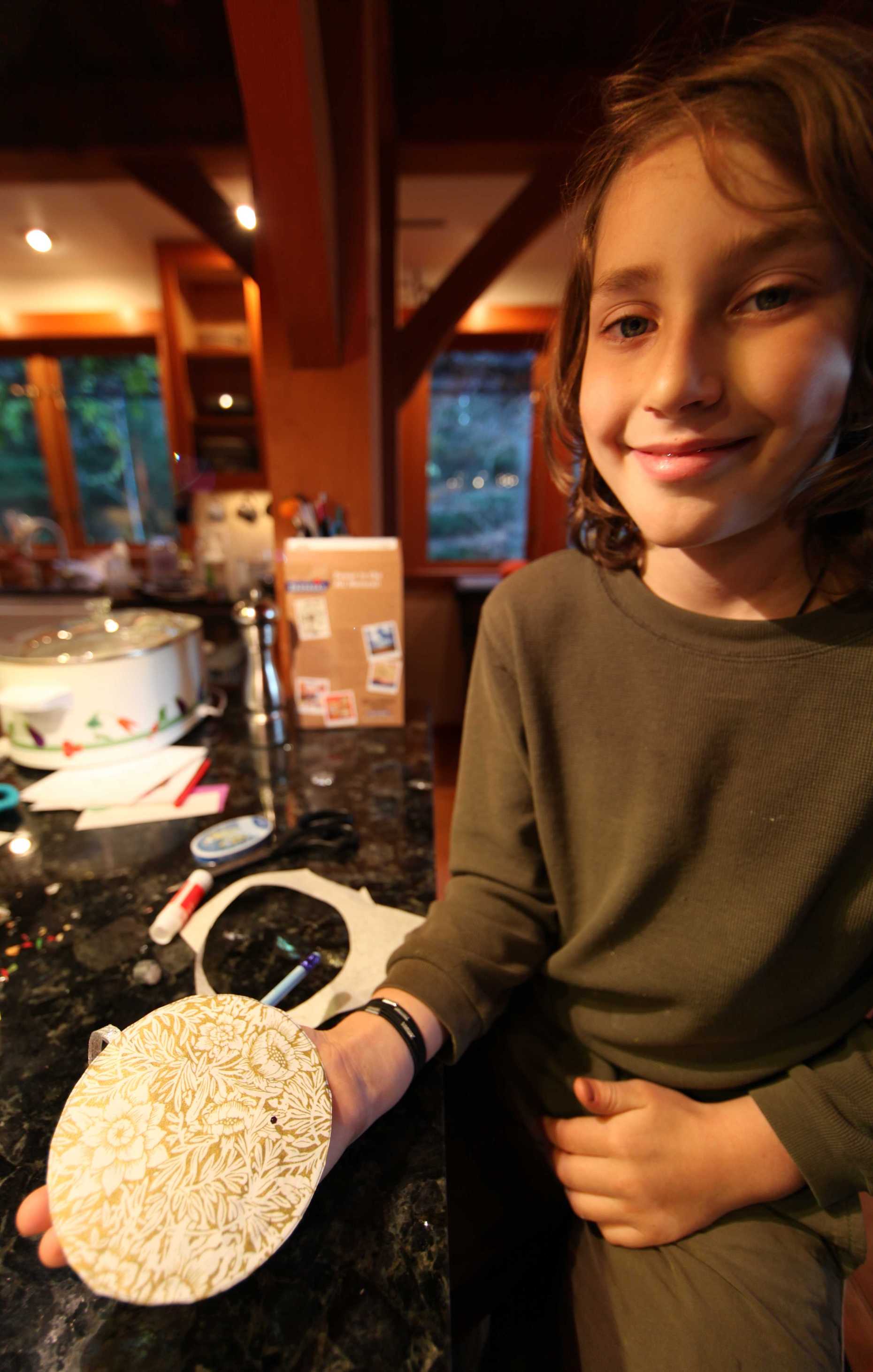
Take some pretty scrap paper (even wrapping paper will do) and have your kids trace a circle around the edges of your CD and then let them cut the CD-sized circle out. Glue the pretty paper to the non-shiny side of your CD, but be sure to glue a little looped ribbon as an ornament hanger at the top. We also glued some tin foil over the hole in the middle so the CD looks like a perfect shiny circle with no hole.

Scrap Paper Glued to Backside of CD with Ribbon for Hanging Ornament

Then, get out your glitter glue or puffy glue and let the kids make designs on the shiny surface. My children love symmetry so they both tried to create symmetrical patterns on 4 sides of the CD.

Starting in the Middle

Finished CD Ornament

Done!

Finished CD Ornament, His.

Scrap Paper Star Ornament

This one is almost as easy. First, we pulled some paper out of the trash that had printing on one side and white on the other. We threw it in the printer and went to our favorite paper craft site, The Toymaker. This site, created by artist Marilyn, is full of fantastic fold-able paper toys that are perfect for small hands. We’ve made gift bags, small puppet theaters, animals, toy airplanes, perfect building blocks, and gift boxes using the beautiful hand-drawn designs on this lovely site. For the 3D star ornament go to the Christmas page and scroll down to the star.

Free PDF Printable Star Ornament at TheToymaker.com

Print out your template for a fold-able star from Marilyn’s downloadable PDF file. Her templates are all free and very easy to understand.

Cut Your Pretty Scrap Paper Into Strips

Next, cut out strips of scrap paper! We used colorful tissue paper we got from a freecycler so that we could still see the PDF template through the tissue.

Felines Like Ornament-Making, Too

Glue your tissue to the star in any design you’d like. Simply cover your PDF printout with colorful paper scraps. Next, cut out your star template.

Cutting Out the Star

Cutting Out the Star 2

Finished Star Cut-Out. Now Ready For Folding.

Start folding along the dotted lines (Marilyn indicates which folds are “mountains” and which are “valleys” and where to put glue.) It’s really easy!

Folding a 3D Star

Your finished star took about 15 minutes to make.

Star Girl

Finished Scrap Paper Star Ornament

What are you making this year for your tree?

8 Onion Skin Reuses

Purple Onion Skins

Onion skins are something our family tends to accumulate a lot of. Since our chickens don’t love them, I thought it might be good to look up some interesting reuses for this everyday kitchen waste. Just like garlic skins, onion skins have some unique uses. They’ve even been touted as the new “superfood!”

After reading this select list, if you’re looking for ways to get your hands on onion skins, just collect them with a few onions at your local store. They’re always in the bin with the onions.

1) Throw them in soups and slow cookers: Over 500,000 tons of onion waste is thrown out each year in the European Union and this bulb, including all its skin, is nutritious! Its full of fiber and phenolic compounds which help to prevent coronary disease.

2) Use skins as a dye for wool.

3) Onion skins are known to help cure leg cramps. Boil the skins in water for 10-20 minutes, making an infusion. Drain the skins from the water and drink it as tea before bed. It might take a week or so to take full effect.

4) Throw them in your compost heap.

5) Onion skins make a great hair dye, turning it a beautiful golden brown. Oh, and did you know onions promote hair growth?

6) Dye your Easter eggs a beautiful purple color with onion skins. This recipe shows you how to make pretty imprints, too.

7) Life Hacker suggests you hold on to the onion skin while chopping onions to protect your fingers from your knife. You have to see the picture to get it. Great hack! Then throw the skins in your freezer jar for future soup stock.

8) Dried and ground onion skin as a replacement (small percentage) for wheat flour ups the antioxidant content in bread! Read about the ground-breaking study and give it a try.


How do you use your onion skins?

The Backyard Seven Summits Project

Every county has its high points, just like every continent.

View From the Summit of Green Mountain. Summit #2, Kitsap County, WA. © Liesl Clark

View From the Summit of Green Mountain. Summit #2, Kitsap County, WA. © Liesl Clark

Why limit ourselves to the boundaries of our continents, rather than redefining challenges that include the uncelebrated wilds in our own back yards?

Endless Vanishing Points on Our 7 Summits Push © Liesl Clark

Endless Vanishing Points on Our 7 Summits Push © Liesl Clark

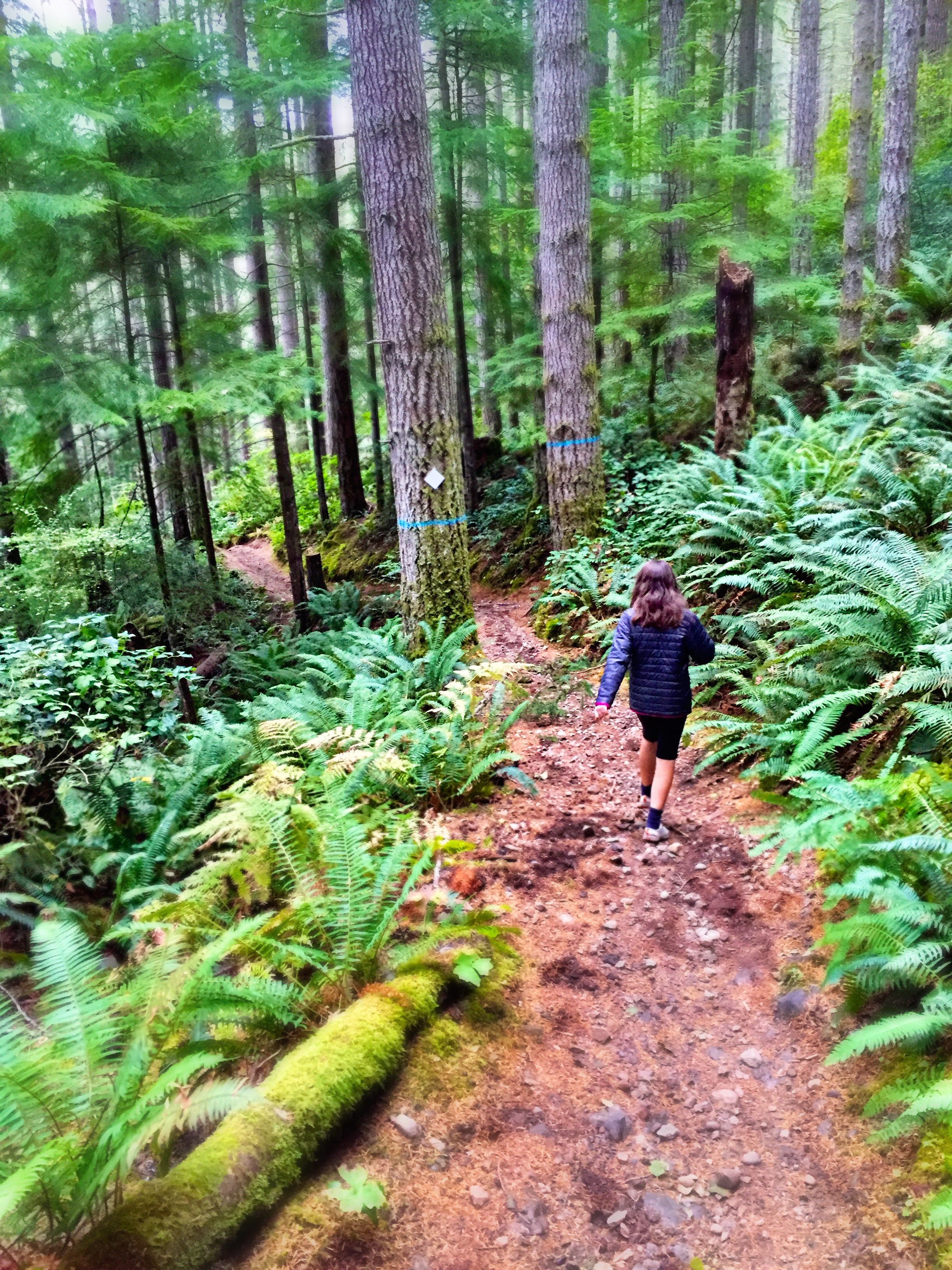
This weekend, our 10-year-old started a 7 summits quest of her own – to reach the 7 highest points in her county. We started with #2, just to see how it felt. After two-and-a-half hours, and a little over 5 miles of hiking, she thanked us for dragging her out to a place none of us had ever been. It was only a 1,639 ft. ascent, but it afforded us some together time, away from the ever-invasive media in our lives and rewarded us with beautiful views, even on a cloudy Northwest fall day.

Here’s what our daughter reports about the adventure:

Kitsap County, Green Mountain, 1,639 feet

I loved it! And I think every kid should do a 7 summits quest of their own. I challenge all kids to seek out, map out, explore, and climb to the 7 summits of their counties, no matter where they live. If you happen to live in a county with really high peaks, pace yourself, aim for #7 or seek out the 7 lowest points in your county. The point is to get outside and set goals, explore what’s around you and just get there!

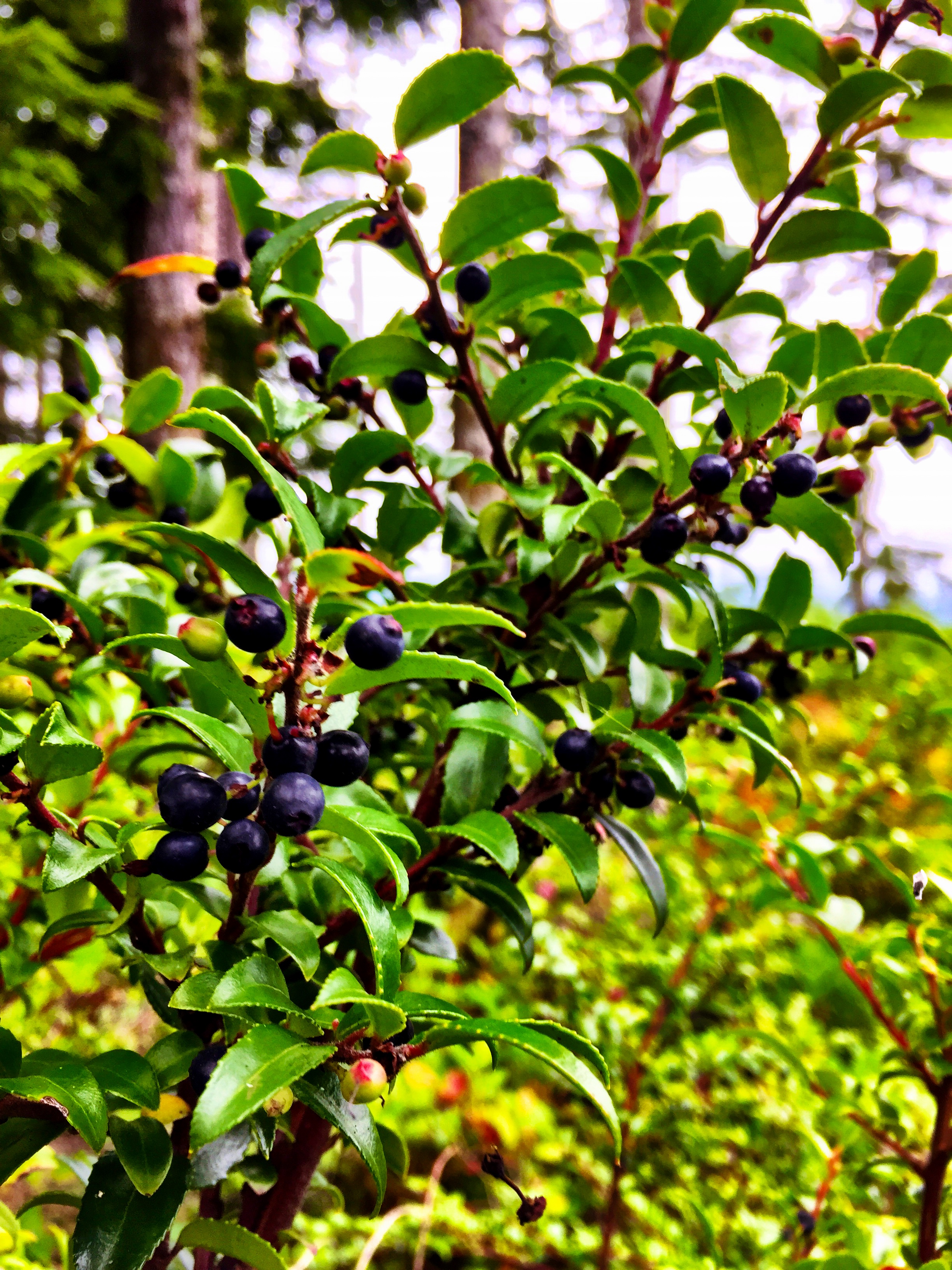
Huckleberries on the Trail © Liesl Clark

Huckleberries on the Trail © Liesl Clark

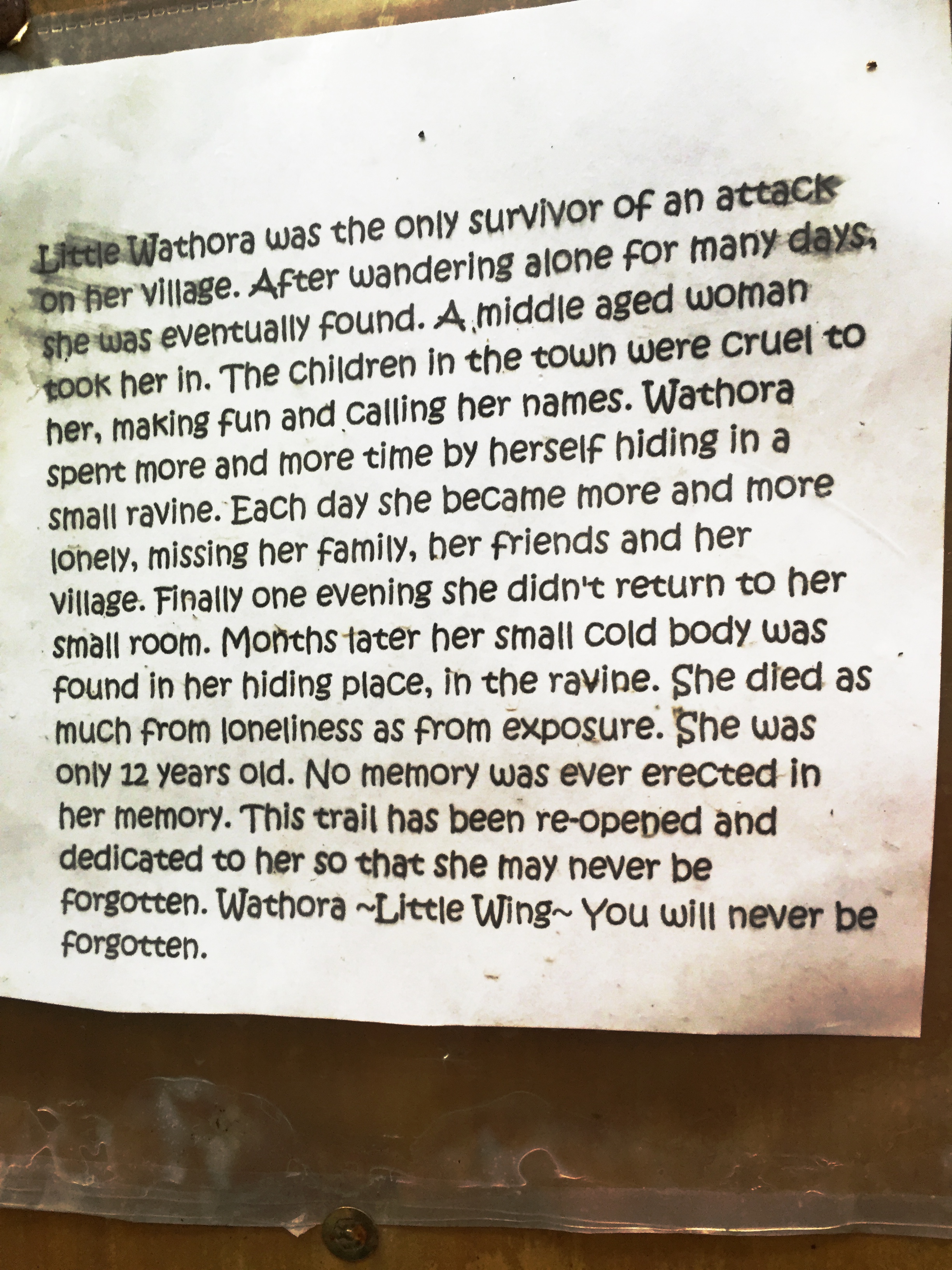
I found huckleberries on my way down from my first summit, and discovered, on the trail, a really sad story about a little girl who once lived, and then died, right where I was hiking. It made me realize how important it is to learn more about where we live and those who came before us. We should read their stories and find out how they lived and died. I think the highest points in each county could hold these stories. High points have a kind of power. If you go there, you’ll see what I mean.

Here’s a picture of the sign with the story of Little Wing on it.

Little Wing's Story © Cleo Clark-Athans

Little Wing’s Story © Cleo Clark-Athans

Please join us in trying to find your own 7 summits! You’ll get outside, learn something, and get stronger as you go higher. We’d love for you to share your stories with us so they can be read by everyone. Send photos, point to where you are on the map, and tell us how tired you got. There’s always the easy downhill after you reach the top.

© Liesl Clark

© Liesl Clark

Our Backyard Seven Summits Project is in honor of the life of Little Wing, in hopes that no child, no matter what culture they come from, what high place they call home, will ever suffer ridicule for being different. My great grandmother was Shoshone and I know she didn’t live with her native people. I’d like to believe that she was accepted by the community she lived in. No child, or adult, should die alone.

Ode to Tall Trees And The Sticks They Produce

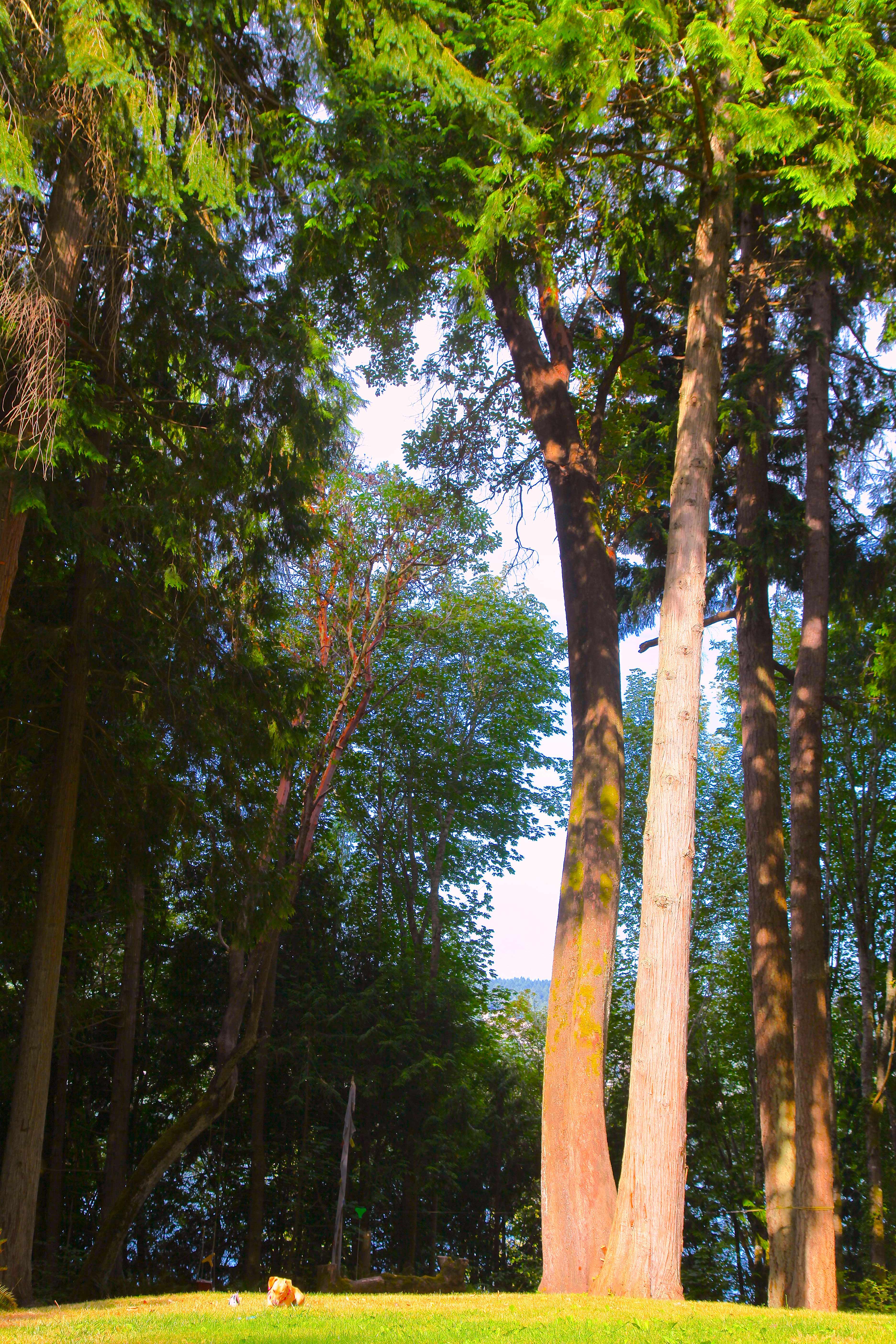
Tall Trees, Photo © Liesl Clark

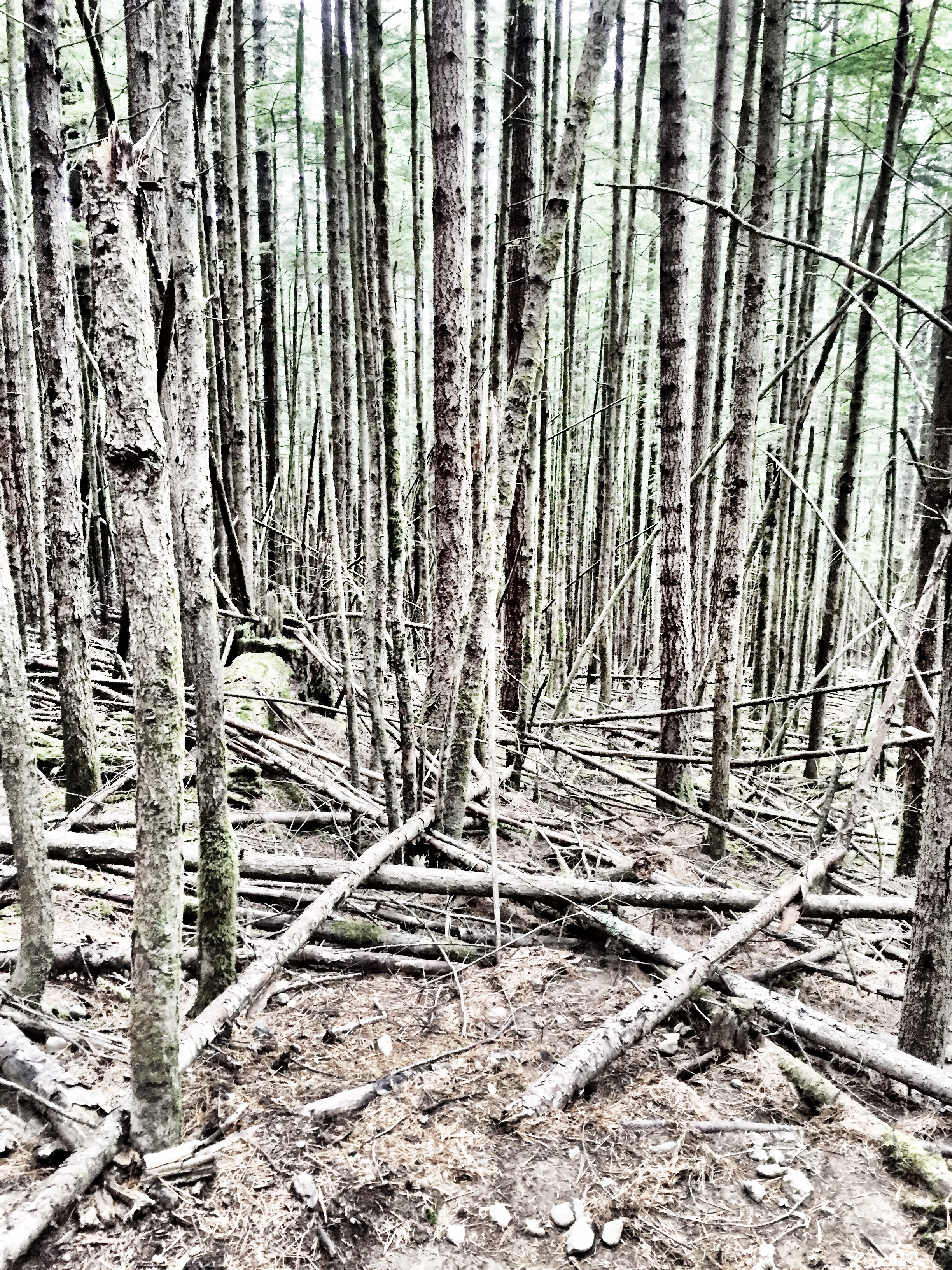
We live out in the sticks — literally.  All around us, sticks tend to abound. Our land is a thin strip of a clearing in a second growth fir and cedar forest punctuated by the green canopy of enormous big leaf maples. We’re on a tree-sheltered bluff above Puget Sound where winter winds blow down branches like myriad arm parts of stiff wooden dolls.

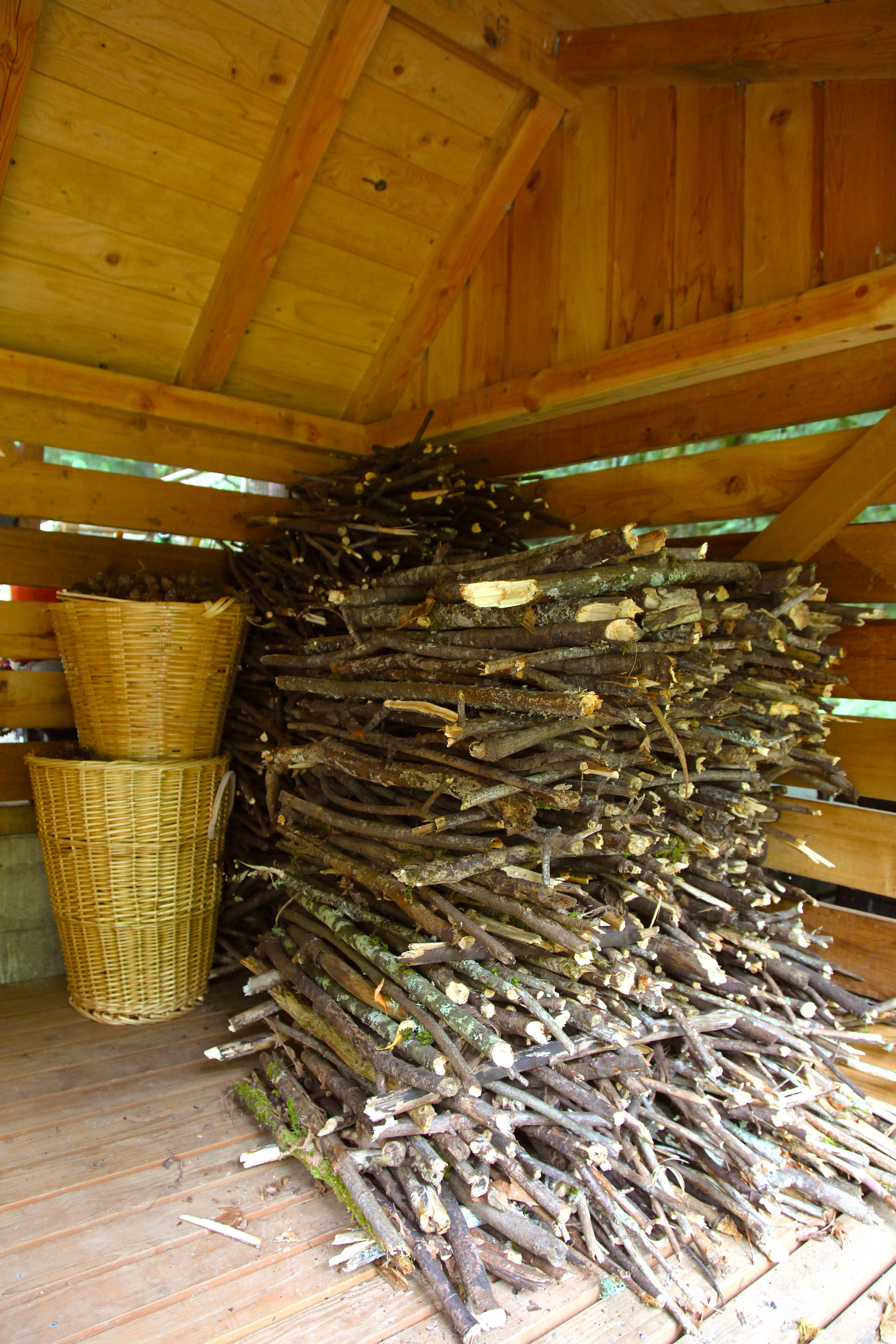
Kindling, Photo © Liesl Clark

We pick up the branches all winter long, a resource dropped from above, but readily put to use. Nothing is wasted here. Large pieces are cut into lengths for the fire as we heat our home entirely with wood. Small bits are used as kindling, we even pick up many of the pine cones to use as firestarters and store them in baskets, and the green wood goes in the stick pile, to be temporarily used as shelter for the creatures that live deep inside.

Little Creature Habitat: The Stick Pile, Photo©Liesl Clark

Every property should have a stick pile. It provides safe cover for wild birds and we know a possum or 2 live there. Think Christopher Robin and the little homes his friends had.

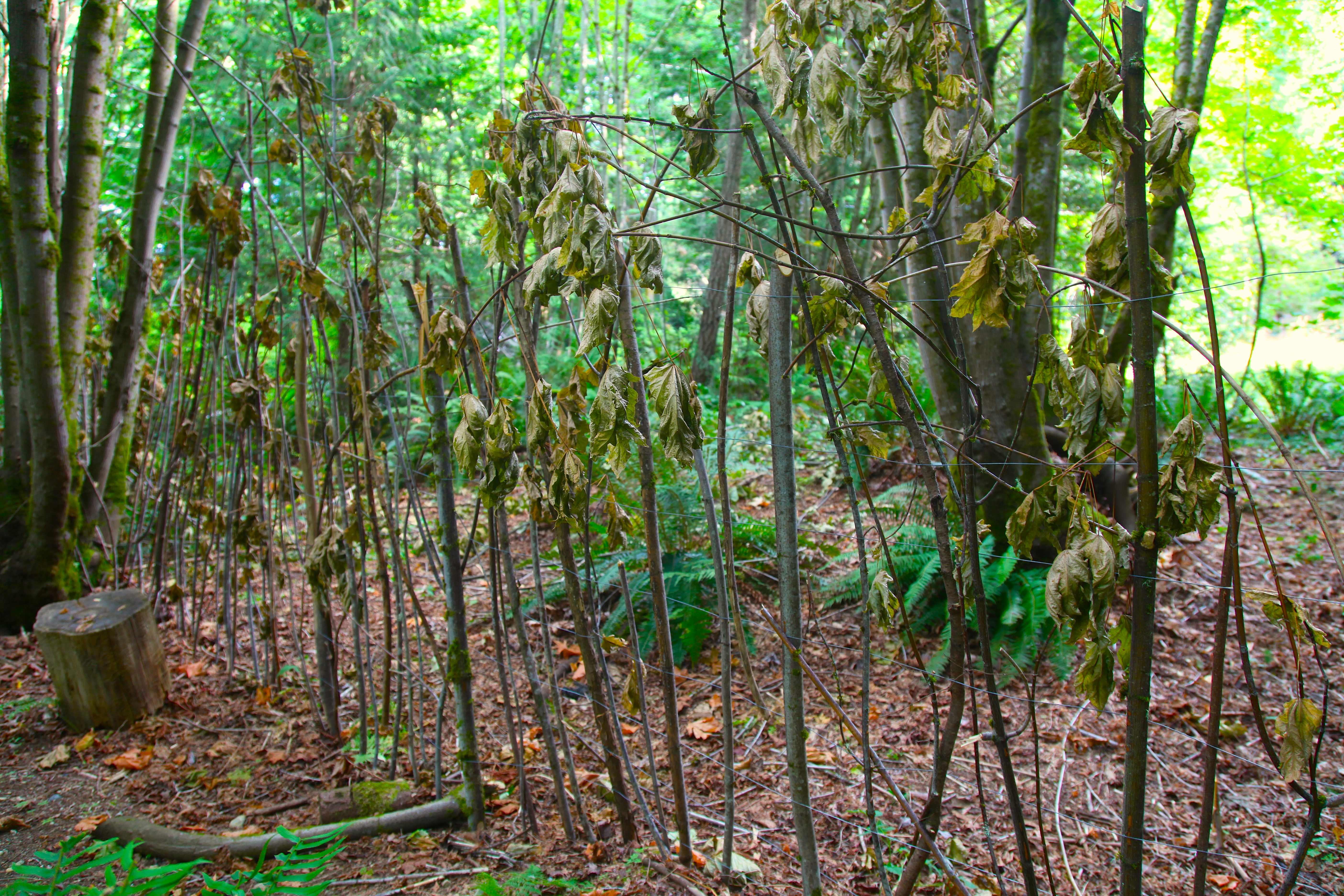
Come spring, we always have stick construction to do. Our whole property is outlined with natural fencing to keep deer at bay. The sticks are the mainstay barrier, not a serious one, but a natural barrier that doesn’t set us too far apart from the forest beyond.

Deer-proof fence? Well, sort of. Photo © Liesl Clark

But it’s the vegetable garden that gets all the attention around here. It’s enclosed by a stick structure unmatched, perhaps, on the planet.

The idea started with my son, Finn, who at 4 decided we needed to build a fence for a garden. We designed lengths of fence that went into the ground, pre-built by the 2 of us: Three lengths were horizontally affixed to 2 vertical posts with thin vertical sticks then fixed every foot or so. We built half a garden’s -worth and then took a break, a little discouraged by the huge effort. Then our friend, Ang Temba, arrived from Nepal and recognized the design as one commonly used in rural mountain villages. He finished the project with renewed vigor. The fence is hardware-dependent, 4-inch long screws and a power drill do the job, as well as a post-hole digger to bury the thick posts.

Stick Fence 2.jpg Photo © Liesl Clark

Drilling Stick Fence.jpg Photo © Liesl Clark

Beautiful arched hemlock and cedar branches adorn the uppermost reaches of the fence, some 7-8 feet high, to deter deer from jumping inside.

Arches National Fence, Photo © Liesl Clark

We liked the structure so much that when it came to enclosing our chickens (to protect them from raccoons, bald eagles, and mink) we built a stick fence for them, too. It’s actually an entire timberframe aviary fully enclosed in requisite chicken wire.

Chicks in Sticks, Photo © Liesl Clark

As soon as we finished it, our coop, known as “Chicks in Sticks,” was featured in Bainbridge Island’s first Tour de Coop, surely picked for the whimsical stick-fort-like hideout the feathered girls call home.

The trees must look on with amusement, peering down through their branches at our woven stick world below. Why do we gain such pleasure from making sense of the materials made readily available to us by the wind, the land, and the tall trees above?

The Last Plastic-Free Places on Earth: The Land of Reuse

Sometimes you have to travel to the other side of the planet to find reuse inspirations you had never considered before. Following the banks of the Kali Gandaki River, we’ve finally entered the land of reuse, one of the most challenging places to live, yet innovation and creativity with the things one would normally throw away can be seen at every bend in the road.

Reuse, here in remote parts of Nepal, is simply a matter of necessity. Goods that are carried up into the hinterlands are here to stay, forever. There’s no garbage truck to carry off the refuse and little resources available to make and fix things. But the people who live here are incredibly resourceful, repurposing what they have into useful things for the home. For thousands of years, the Himalayan people here, currently the Loba, Thakali, and Magar, have made do with what they have and have reused the items in their lives with fervor. The following images are a few garden and farming reuses we’ve come across in lower Mustang.

Garden and Farm Reuse, Thakali-Style:

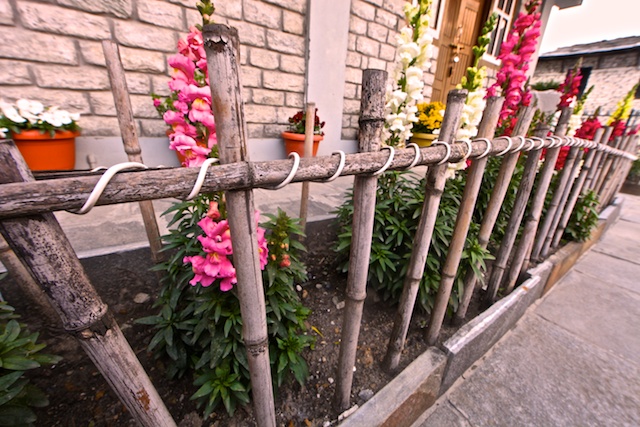
Construct a garden fence from scrap wood tied together with elephant grass reeds.

Wood is precious in Mustang so if a fence is needed, scraps are found to create it and lashings are adhered to hold the wood scraps together. These fences are made of sustainable materials.

This Thakali family tied a bamboo fence together with electrical wire

Anything that can hold something is turned into a planter in Mustang. Since the landscape is so harsh, container gardens are very successful here.

Bucket planters are the rage in Mustang

Lettuces and Herbs are Planted in Large Styrofoam Boxes that would Otherwise be Thrown by the Roadside

Some of the most beautiful handmade brooms can be found in Mustang.

Even sticks are repurposed into brooms and garden rakes

The Last Plastic-Free Places on Earth: Zero Waste Traveling

Packed to the Gills, Ready for Zero Waste Travel

by Liesl Clark

“Our flying time today will be 10 hours 41 minutes.”

We were mentally prepared for the demands on our time for the flight from Seattle to Seoul, but the big surprise was the onslaught of single use plastic. For a family that generates only a garbage can-worth of trash every 4-6 months, consuming that much plastic in a single day hurts to the core. Of course, our carbon footprint for flying to Asia, alone, offsets the year-round effort we’ve made to consume less plastic and generate little waste. But if we didn’t go to Nepal, we wouldn’t be able to search-out the last plastic-free places on Earth. My family and I have spent the last 3 years conducting village waste audits in remote parts of Nepal while also trying to uncover the difficult truths behind the essential ragpickers of Kathmandu.

We’re All “Plassengers” Swimming in Single Use Plastics

We’re trying to acquire as little plastic as possible while traveling and we’re off to a wretched start. Each of the 200 Boeing 777 seats on our plane comes with individually cling-wrapped blankets, and the following reusable items, all in their hermetically sealed plastic bags: head phones, a bathroom kit, toothbrush and slippers. A plastic bottle of water sits on top. That’s a lot of plastic per passenger, and our family’s first big dose of BPA in a long time. The message from the airline is clear: These are reusable items they’ve washed. The plastic wrap should make us feel safe from any germs that might have previously been on these items. And when we’re done with them, they’ll wash them and wrap them in plastic again. On our second flight, we chose to opt out of these items and simply didn’t use them. Reduce, Reuse, Refuse.

Let’s face it, the entire interior of the plane is plastic, which we’re thankful for, as it reduces the plane’s carbon footprint due to its light weight components. Korean Air’s efforts at reduction of carbon emissions are laudable. They even plant forests in Mongolia to offset their carbon emissions.

Plastics Have Helped Airplanes Reduce Weight and Hence their Emissions

The key to zero waste traveling is subterfuge: Bring your own travel kit and you’ll quickly learn the tricks of the waste sleuthing trade. Our simple zero waste travel kit consists of a water bottle, coffee mug and bamboo utensils.

Zero Waste Travel Kit, Sans Reusable Coffee Mug

We’re on our way to Kathmandu, Nepal to lead another expedition to the ancient kingdom of Mustang to search for the earliest evidence of the first people to have come to the Himalaya. We uncovered 3000-year-old human remains last year and hope to learn more about these ancient people by climbing up into the high cave tombs they carved out for their dead and excavate the sites for more bones and material artifacts.

For millenia, humans have traversed the Earth, taking with them their materials and possessions, using them as they needed and discarding of them when done. Until plastic was produced, the material waste early cultures left behind was predominantly ceramics, metals, and glass. We’re taking a journey back in time to those cultures.  The people who remain in the villages, presumably their descendants, are relatively untouched, with little influence from cultures reliant on consumable plastics. While plastics are slowly seeping into the villages, a crisis is occurring as the old ways of sustainable disposal meet the new non-degradable and highly toxic-to-burn materials.

Imagine: There’s no municipal recycling in the hinterlands. Everything must be reused, or into a hand-dug hole it goes, the mini landfills just outside each village. But space is running out and with erosion those landfills are shedding their plastics with every monsoon.

As we work with a team of scientists to find ancient material remains, indeed search for the waste left behind by the earliest known people to have come to the Himalaya, we’ll also work directly with the villagers themselves to learn how they handle the influx of cheap Chinese plastics from just over the border while still clinging to their more sustainable ancient traditions. We have much to learn from them, in documenting how they live closely to the Earth and use everything in their lives, repurposing and reinventing new uses for items brought into the household. And they, in turn, have much to learn from us, from our own mistakes in becoming too reliant on unnecessary plastics. Up there, throwing “away” is poignantly never truly away and those plastics that make their way up to the top of the world are here to stay forever, flowing ever so slowly down the watersheds into our streams, lakes, and rivers to the larger populations below.

Killing Time on a 10 Hour Flight: Craft a Bracelet from Plastic Airline Blanket Wraps

Are there any truly pristine, plastic-free waters on our planet? Precious few is our answer, having worked with scientists studying the toxic deposits from ash and air pollution on the highest glaciers. Burning plastics, among many other pollutants in the air, has contributed to this disturbing trend of high mountain streams, well above populated villages, with detectable levels of pollution.

The best my family and I can do — our little tribe of “Garbage Spies” — is try to address plastic waste wherever humans go, starting with ourselves. Whether we’re in Kathmandu or a tiny village near the Tibetan border, we endeavor to discover the systems in place for reusing, recycling, or disposing of plastics. We determine which plastics are most prevalent and why, and then we talk with community leaders, families, and the children themselves at our little children’s libraries we’ve established, to search out best practices for dealing with plastics and preventing them from getting into the environment. For the next 3 weeks, we’ll send you installments of our story from the Himalayas, the garbage sleuthing done and the lessons learned as we travel further away from the source of plastic outflow to the least likely places it ends up, the places we all thought were immune from modern packaging and single-use convenience.

Koala’s Headband Repurposed from Airline Headphone Plastic Wrap

Please check back with us to follow our story, whether they’re from the highest reaches of our planet or sea level where all things plastic ultimately flow.