The Backyard Seven Summits Project

Every county has its high points, just like every continent.

View From the Summit of Green Mountain. Summit #2, Kitsap County, WA. © Liesl Clark

View From the Summit of Green Mountain. Summit #2, Kitsap County, WA. © Liesl Clark

Why limit ourselves to the boundaries of our continents, rather than redefining challenges that include the uncelebrated wilds in our own back yards?

Endless Vanishing Points on Our 7 Summits Push © Liesl Clark

Endless Vanishing Points on Our 7 Summits Push © Liesl Clark

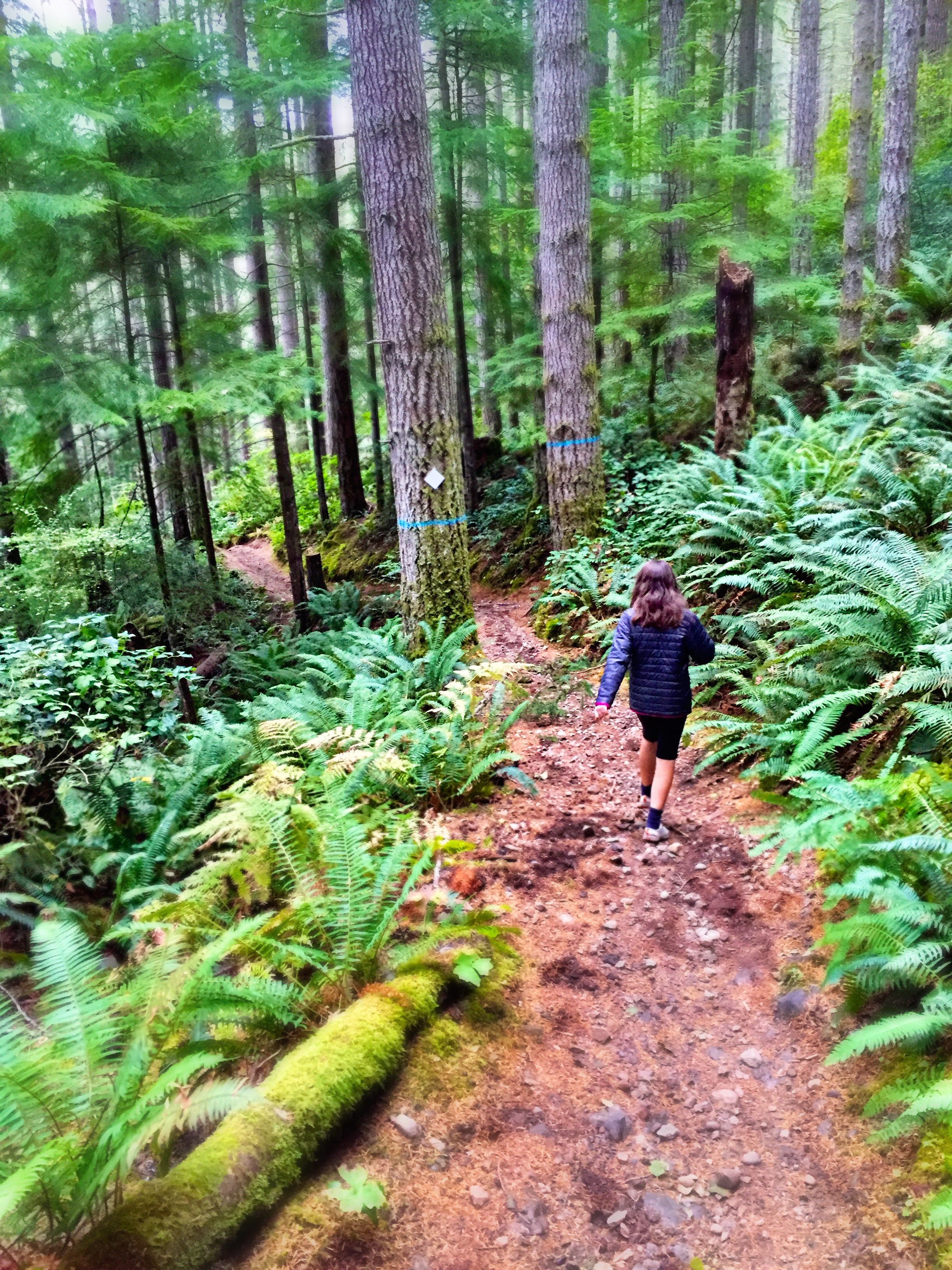
This weekend, our 10-year-old started a 7 summits quest of her own – to reach the 7 highest points in her county. We started with #2, just to see how it felt. After two-and-a-half hours, and a little over 5 miles of hiking, she thanked us for dragging her out to a place none of us had ever been. It was only a 1,639 ft. ascent, but it afforded us some together time, away from the ever-invasive media in our lives and rewarded us with beautiful views, even on a cloudy Northwest fall day.

Here’s what our daughter reports about the adventure:

Kitsap County, Green Mountain, 1,639 feet

I loved it! And I think every kid should do a 7 summits quest of their own. I challenge all kids to seek out, map out, explore, and climb to the 7 summits of their counties, no matter where they live. If you happen to live in a county with really high peaks, pace yourself, aim for #7 or seek out the 7 lowest points in your county. The point is to get outside and set goals, explore what’s around you and just get there!

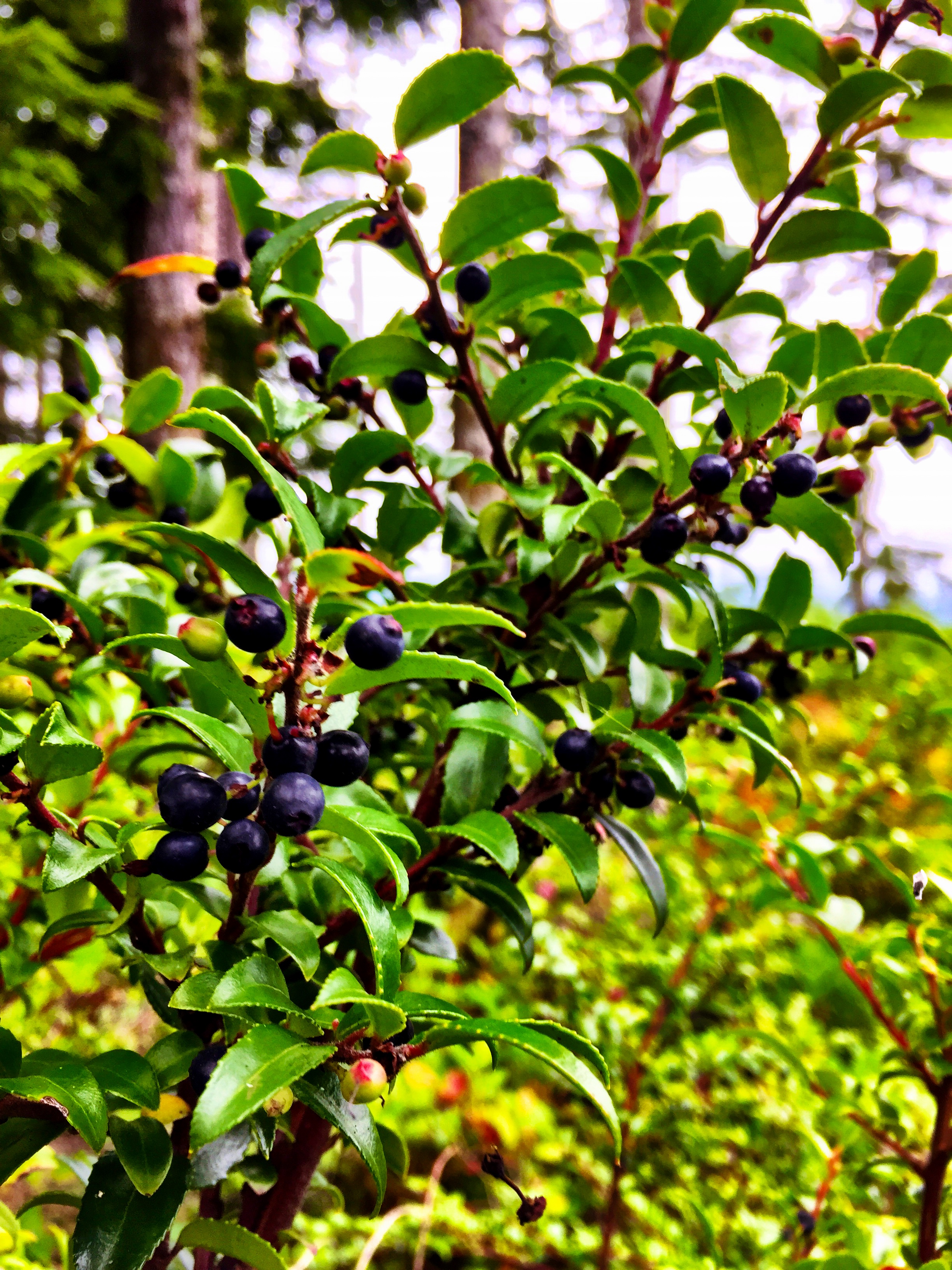
Huckleberries on the Trail © Liesl Clark

Huckleberries on the Trail © Liesl Clark

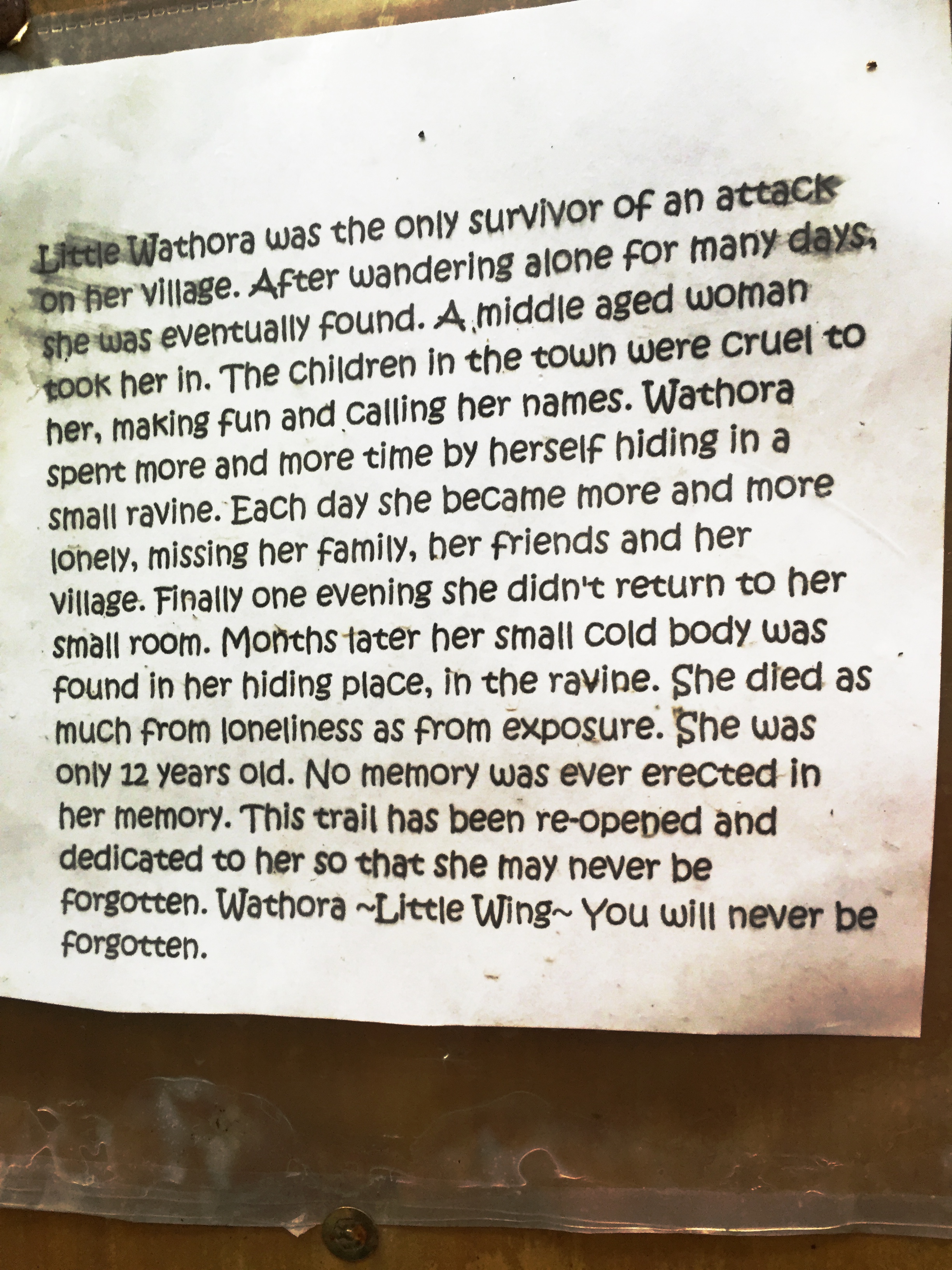
I found huckleberries on my way down from my first summit, and discovered, on the trail, a really sad story about a little girl who once lived, and then died, right where I was hiking. It made me realize how important it is to learn more about where we live and those who came before us. We should read their stories and find out how they lived and died. I think the highest points in each county could hold these stories. High points have a kind of power. If you go there, you’ll see what I mean.

Here’s a picture of the sign with the story of Little Wing on it.

Little Wing's Story © Cleo Clark-Athans

Little Wing’s Story © Cleo Clark-Athans

Please join us in trying to find your own 7 summits! You’ll get outside, learn something, and get stronger as you go higher. We’d love for you to share your stories with us so they can be read by everyone. Send photos, point to where you are on the map, and tell us how tired you got. There’s always the easy downhill after you reach the top.

© Liesl Clark

© Liesl Clark

Our Backyard Seven Summits Project is in honor of the life of Little Wing, in hopes that no child, no matter what culture they come from, what high place they call home, will ever suffer ridicule for being different. My great grandmother was Shoshone and I know she didn’t live with her native people. I’d like to believe that she was accepted by the community she lived in. No child, or adult, should die alone.

Angels While Gathering Wood

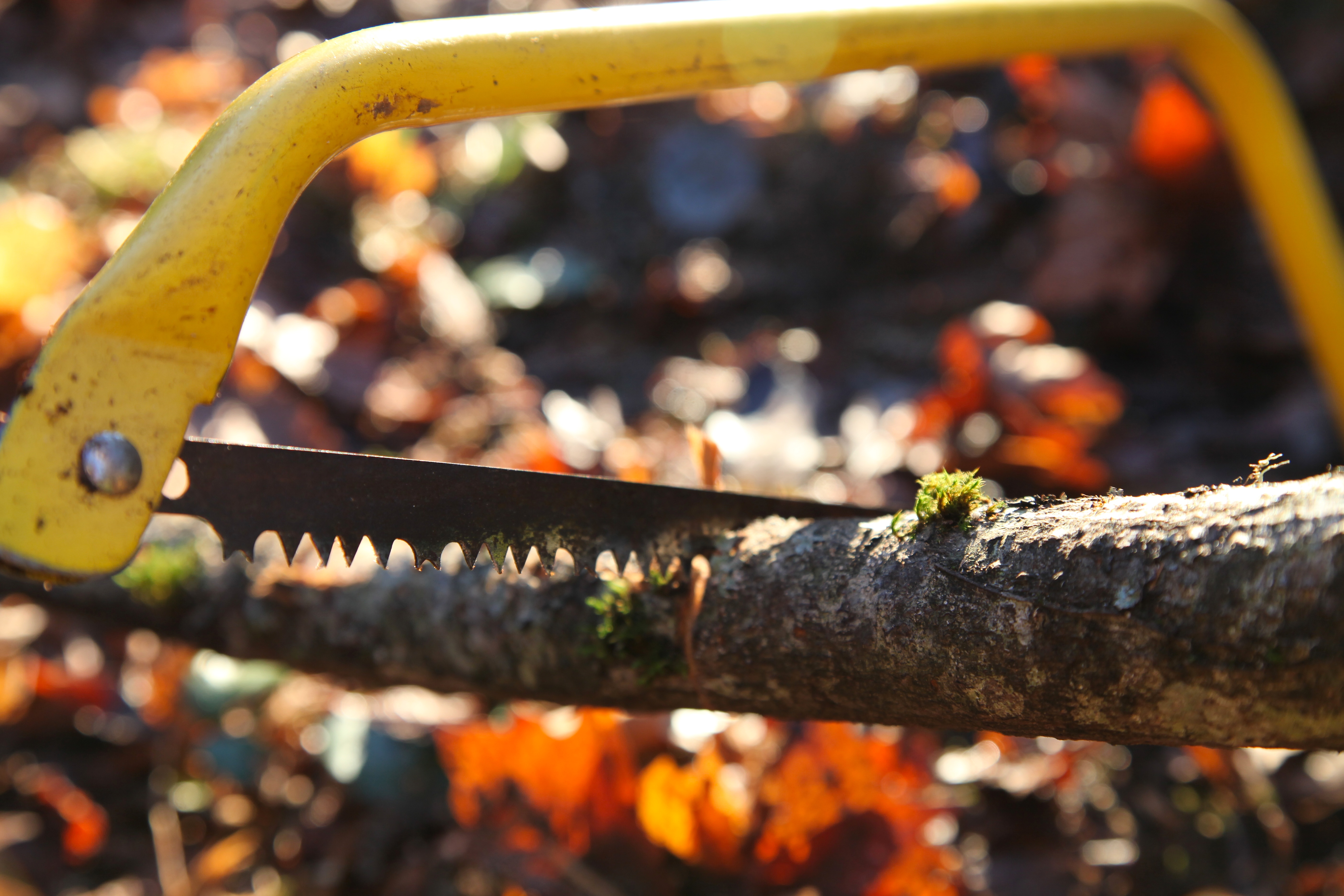
Handsaw for Winter Foraging

Handsaw for Winter Foraging

One of our greatest joys, lately, has been foraging for wood in our forest to augment the dry-split wood we have stacked for winter use. We heat our home entirely with the wood from our land and a new pastime for the kids is to wander the slopes and swales to find kindling or larger pieces we can cut with a hand saw, quietly, while listening to the winter sounds of the forest. Bald eagles chatter above, complaining from the constant pestering by crows. And our cat, Willa, scrambles up trees to keep out of view. There’s something immensely satisfying about picking up the piles of blown down limbs and using them to help heat ourselves in these cold months.

Lumberjack

Lumberjack

Every afternoon is spent in these woods, and we’re getting to know the patterns of light, the shifting breezes from Port Orchard Bay below us, and the dramatic changes in weather intimately. Our efforts were rewarded, yesterday, by a visit from 2 angels, bringing new joy to the littlest members of our family:

Gratitude

One of the key ingredients to pioneering a simple life is taking time to express our gratitude, recount those things for which we’re grateful each day. If we did more of this, we’d lose a small load of negative burden with every passing day. This Thanksgiving we learned much about gratitude from our family, especially Gratitude Girl:

Week 1: Month Less Plastic

One Week's-worth of Plastic to the Landfill

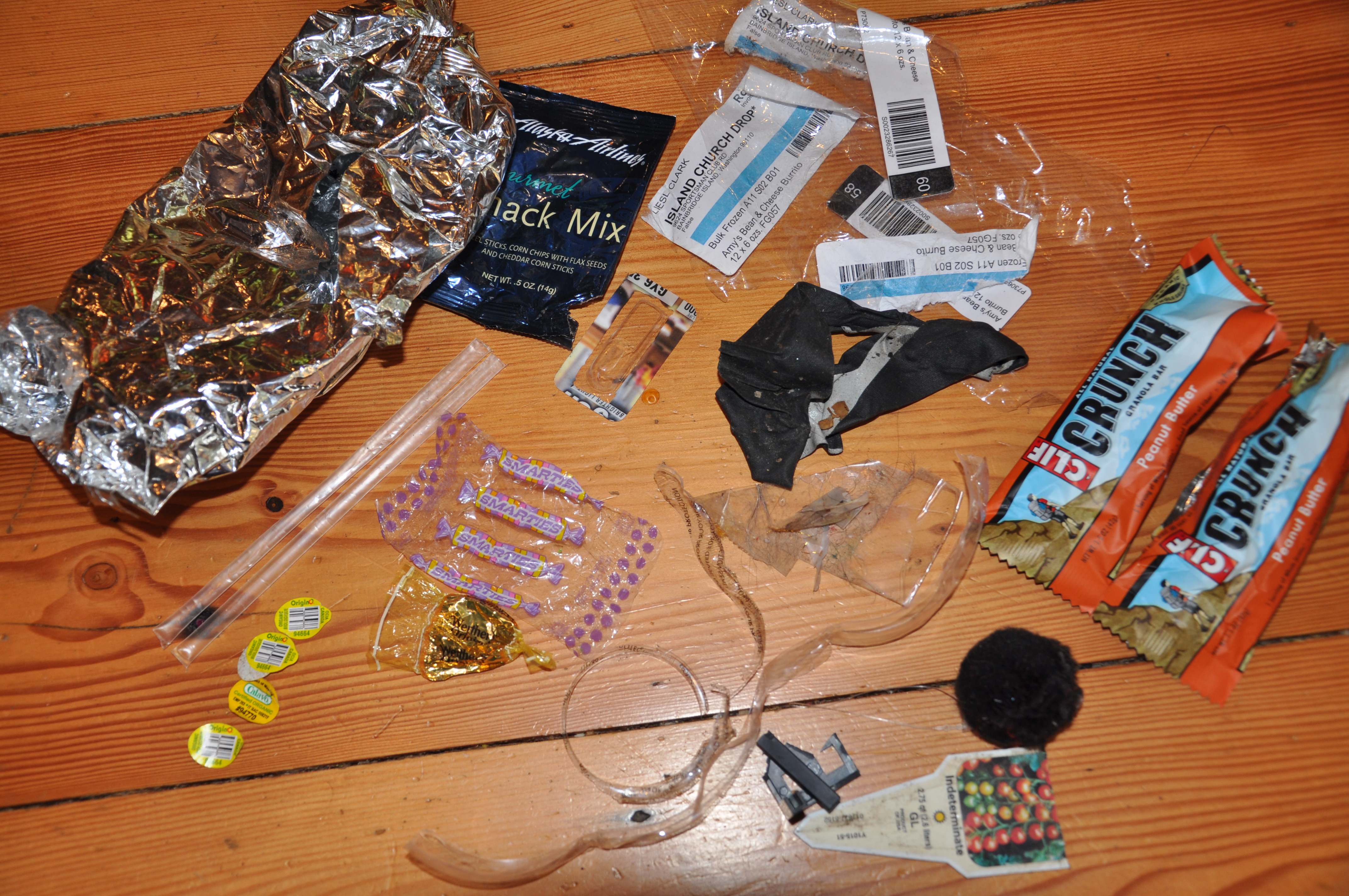
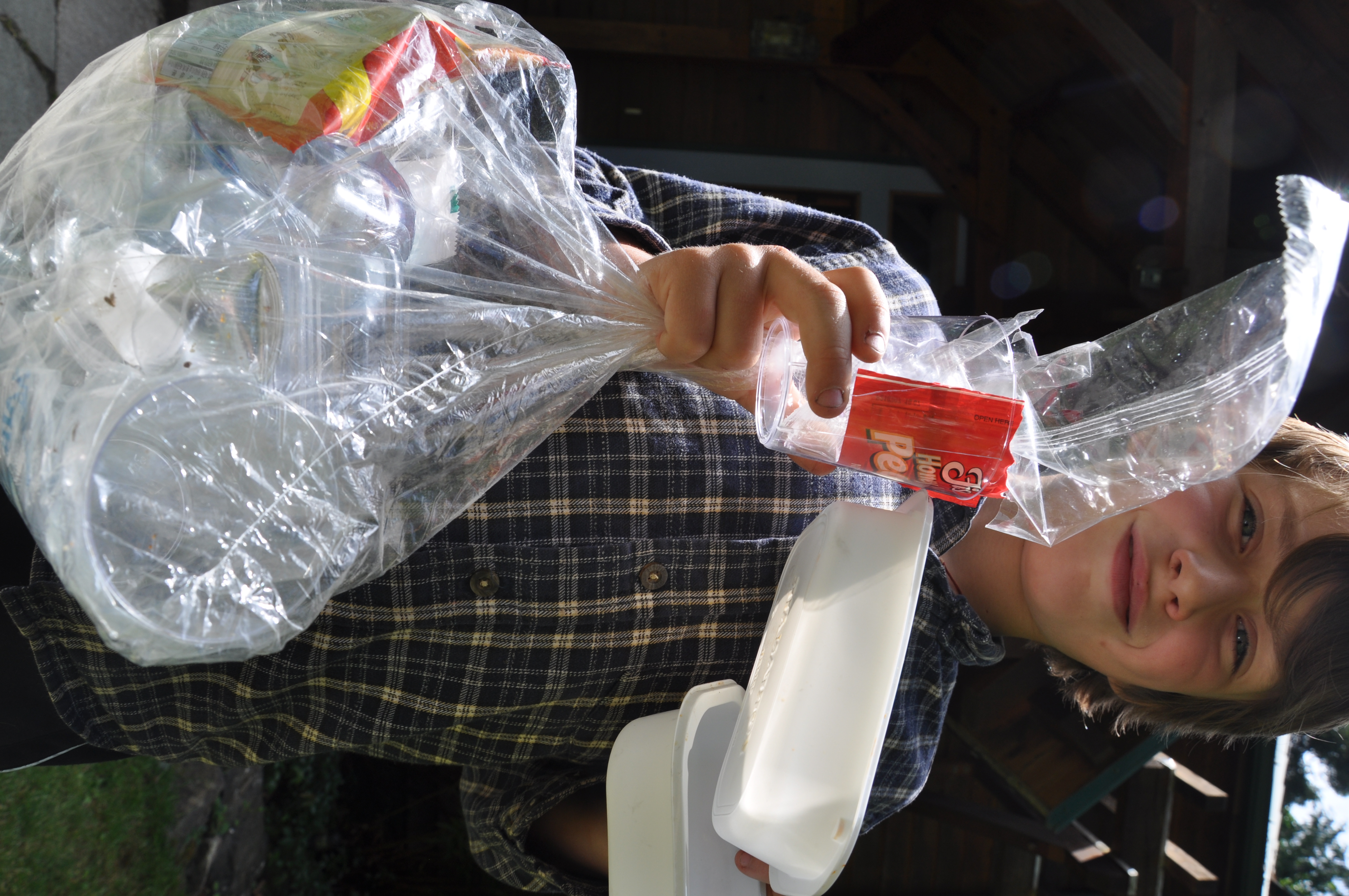
I never thought I’d be taking pictures of my trash for the public to see. But there it is: one week’s-worth of plastic from our household that will go to the landfill.

Now here are my excuses and explanations: First, we’ve had 5 people living in this household, 1 guest visiting from Nepal and decidedly perplexed by our hoarding of all bits plastic that are going into our dust bin. The other general excuse is that more than half of these items were acquired in our household before our month less plastic began. I’m tracking the plastics that are to go to the landfill this month. So, those are my general excuses. The others are related to each item:

Tin-foil-looking stuff that crackers were wrapped in: no specific excuse. Crackers bought before month less plastic and we finished them this past week. Since then, we’ve found some zero waste crackers (that is, if you count recycling in the zero waste mix.)

Paper stickers attached to our bulk order polyethylene bags: What can I say? They need to be cut off the bags and the bags are then put into polyethylene recycling.

Honey straws: I couldn’t say no to the kids the week before our month less plastic, this is the result one week later — to the landfill.

Tape: Scotch tape and gaffer tape do end up in the landfill unfortunately. Haven’t come up with an alternative so far for specific needs (like film needs with gaffer tape and kids projects with clear tape)

Broken black plastic toy: It broke into several pieces no superglue is going to heal.

Clif Bars: Clif Bar sent them to us as part of their support for our hungry team members taking part in educational projects on zero waste in Nepal. We pack all our plastics out of remote areas and these were leftovers that the kids consume as emergency food. Clif Bar is currently researching better alternatives to the plastics in their packaging. And, they’re supporting projects like ours in Nepal, working to reduce plastics trickling down the world’s highest watersheds. They’re a great company.

Black ball thing: That’s a puffball that was used in a child’s art project and it has a ton of glue on one side. Don’t think it’ll be re-used in this lifetime. Surely it’s made of some petroleum product.

Safety Seals: Visiting acupuncturist family member brought herbs for my appendectomy recovery. The herbs come in bottles that have safety seals on their necks and under the lid. UGGH.

Nursery plant label: This one broke. Others, I’ve been trying to send back to the nurseries that generate them.

Alaska Air Snack Packaging: Guests who knew nothing about our month less plastic.

Specialty light bulb packaging: These sorts of plastics in packaging are probably our biggest challenge in a zero waste home. There are NO alternatives.

Organic Stickers: During the week before month less plastic we purchased some organic bananas (see previous post) and tomatoes. Oddly, if they aren’t organic, the sticker’s made of paper. We love the paradox of purchasing organic veggies packaged in nonorganic materials. Was worthy of a film by our garbage spies, but our favorite local store didn’t like that idea so you’ll have to come see it in person to learn how to shop zero waste.

Final excuse: If you compare our plastic landfill waste for 5 people in a week to the plastic landfill waste generated by one passenger on Korean Air on a 15-hour flight between Seoul and Seattle, we win hands down!

Plastic for 1: Seoul to Seattle

Rag Pickers of the Rotary Auction

They raise hundreds of thousands of dollars in a matter of days, all to the credit of local volunteers and dedicated rotarians. Bainbridge Island’s Rotary Club puts on a rummage sale and auction each year that’s so big it can be seen from Google Earth’s satellites. What’s their secret? Our stuff. Our unwanted mountains of household items we don’t need anymore, but still have a long life in them for others to use. Thousands of home/kitchen/garden things are dropped off each day for 5 days, and all are shopping-carted over to the various departments of the sale: housewares, arts & crafts, sporting goods, children’s books, lawn mowers. It’s a shabby chic department store for a day with prices you can’t beat anywhere in the northwest.

I’m writing this post because we just spent the last week volunteering at the Auction, creating a special job for ourselves: dumpster duty. We attempted to divert as much recyclable and reusable items from that 40-yarder as we could. It was a race to keep up with the myriad trash bins that were being thrown in without our editorial input. The end result: we made a huge dent on the amount of waste to be shipped and dumped in Bremerton, but we’re troubled by the amount of usable and recyclable materials that still made it in. Perhaps a whole shipping container-full.

We need more rag pickers. The effort is exhilarating, a modern archaeological peek into our material culture and the resources we find of little use that would be a boon to another culture or even your neighbor down the street. There are lessons to be learned, but we’re still learning them. Please watch our movie and give us your ideas, your thoughts on how we can stop the daily flow of resources into our landfills.

Beach Plastic Odyssey

Do you play catch with your son? How about on the beach?  Did the ball go into the water? Could you get it back? Did you watch it float away? Why? Did you think it wouldn’t do anything? It did. I found it.

– Kasper 7th-8th grader, Odyssey Multiage Program

Beach “Treasures” Recovered During A Beach Plastic Odyssey: Alarming quantities of plastic litter are spotted daily in our seas worldwide, both in the waters and along the shoreline. A stunning 90% of all marine debris is plastic, and 80% of that plastic is coming from land.

Having read these statistics, my family can no longer have innocent beach days devoid of facing the impact we’ve had on our watersheds and shore environments. It hasn’t taken long for us all (from ages 4 – 74, grandparents included) to step into the role of citizen scientists, wanting to solve the questions of what exactly is floating in our waters and where is it coming from? But doing it alone was too high a plastic mountain to climb, so we’ve developed a community-based project, along with the Rockefeller Campbell family, called Plastic is Forever, a citizen-science project for all ages to study the effects of everyday plastics in our local waters. Our methods employed are varied, but they involve a combination of simple hands-on science, mathematical inventorying, treasure hunting, taxonomy of unknown plastic parts, and a good bit of creative spirit through art and film.

On their final days of school this year, the Odyssey 7-8th grade class of 2010-2011 took part in our pilot educational project to raise awareness that the problem of plastics in the marine environment is not just out in the North Pacific Gyre, but dramatically right here under our very noses.

The Beach Forays and What We Found: A one-hour foray by 40 students to a local beach reaped sad, yet typical, results. The list of common debris found mimics the most commonly used items in our region: bottle caps, straws, plastic pens, and (in the case of Puget Sound) fireworks. To qualify this last item, you have to imagine the 4th of July from any Puget Sound vantage point: an admittedly beautiful display of countless private pyrotechnics that, on the calm waters of the Sound, mirror beautifully skyward and then seaward.

Each firing over our waters, however, is a literal throwing-away-of-plastics-and-blown-up-plastic-bits into the Sound. By January, those pieces are washing up by the tens of thousands along our local shores, mixed with seaweed, wood bits, and the myriad other common plastics on our everyday list. Here’s a sampling of hot items found during 5 trips to Puget Sound beaches by a team of four K-1 students in March of 2010:

Balloons & Ribbons:                                         10

Bottle Caps:                                                       87.5

Candy Wrappers:                                              38

Earplugs:                                                            52

Fireworks Parts:                                              134

Construction Foam:                                       Infinite

Fishing Tackle Floats:                                      34

Marine Rope:                                                    85 feet

Microplastic Pieces:                                       Infinite

Miscellaneous Broken Plastic Pieces:          1140

Miscellaneous Unknown Plastic Parts:          220

Pens:                                                                   17

Pen Parts:                                                           30

Plastic Bags:                                                       27

PVC Tubing:                                                       70 inches

Shoes:                                                                   8.5

Shotgun Cartridges:                                         71.5

Drinking Straws:                                               57.2

Styrofoam:                                                        Infinite

Syringes:                                                               4.5

Water Bottles:                                                     18

Ziplock Bags:                                                      10

When I look at this list, I first think of what’s missing: The number-one most-used material plastic in our country — polyethylene or “film.” Translated: plastic bags. They are also the least-recycled plastic worldwide. Why aren’t we finding hundreds of plastic bags in a month of visiting our local beaches? The answer is simple: they’re already absorbed into the environment, having first been ingested by land-lubber scavengers like raccoons and dogs. Add to that the fact that plastic bags are the first of the plastics to photo-degrade in salt water into unintelligible tiny bits mixed in with the translucent seaweeds of our marine ecosystem. Take a Mason jar the next time you go to the beach and collect a jar-full of seaweed sludge. How much of it is organic and how much synthetic? In the winter months, the amount of torn up broken-down synthetics is alarming. And then there’s another clue in those jars: tiny fish bites (some not so tiny) taken out of what’s left of the plastic bags. They’re there, and if they’re not made by fish, harbor seals, otters, then they’re made by raccoons or other predators who encountered the plastic bag housing tasty remnants of human foodstuffs during the landward part of the bag’s journey.
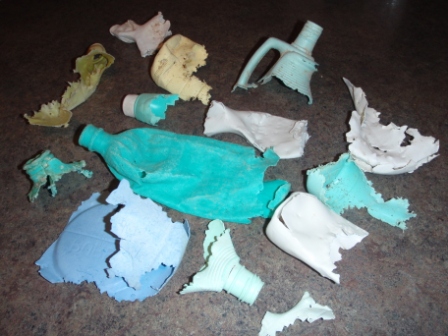
Plastics Bitten by Fish Photographed by 5Gyres Project

It’s the obvious absence of plastic bags on our beaches that is most disturbing. The majority are made from petroleum — a nonrenewable resource. Very few are recycled into more bags or other types of plastic. The hundreds of plastic bags used in each American household every year simply end up in a landfill or in our waterways, never breaking down completely, making their way down to the sea. A 2001 study cited on the website of the U.S. Environmental Protection Agency (EPA) and the UNEP (United Nations Environmental Programme) shows that of 38 sea turtles examined, 60% had ingested marine debris, mostly plastic bags. According to some websites, 60 – 100 million barrels of oil are required to make the world’s plastic bags each year.
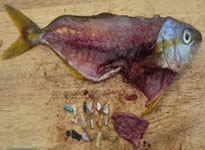
Plastic pieces found inside fish (5 Gyres project)

But it’s not just about the oil and the turtles, raccoons, fish, harbor seals, Laysan albatross, and even whales that we know are ingesting our discarded plastics. I often think about the communities of mussels thriving on large pieces of styrofoam, floating freely across our waters. There’s good evidence they injest the plastic toxins and release them into our waters.

We’re learning that plastics themselves, without the help of the bivalves, along with pesticides and even common prescription drugs are releasing synthetic and natural hormones into rivers and streams, which is leading to unintended consequences on wildlife, causing some male fish, for example, to become feminized and lay eggs. In a recent report, it was found that one third of small mouth bass were feminized in nine major U.S. river basins, and almost all of the rivers and streams tested in the United States contained some hormonally active chemicals. Our pure waters are purely reflecting our unintentional impact and irresponsible handling of waste, even if it’s waste from our bodies after consuming prescription drugs and birth-control pills.

Christopher Bartlett of The Magic Snorkel.com has documented the work of Captain Charles Moore while trawling the Pacific Garbage Patch. I’ll quote him directly as these facts about marine plastics are not my expertise but important to understand:

Plastics absorb Persistent Organic Pollutants (POPs) from paint chips, coolants, pesticides, and metals, so when fish eat plastic matter and then bigger fish eat them, the chemicals could be bioaccumulating. Do the micro plastic particles contain POPs, and do these harmful pollutants migrate into the tissues and organs of the fish that ingest them and subsequently enter into the human food chain? Concentrations of the most frequent POPs (PCBs, DDT, and PAH – all renowned for their effects on the human organism) on nurdles collected from Japanese coastal waters were found to be up to 1 million times higher than the levels detected in surrounding seawater, the new data from the NPSG could have far-reaching effects.

If you want to have a personal encounter with nurdles, the feedstock of all items made of plastic (and washing up by the millions on our shores,) come to our exhibit at Bainbridge Performing Arts this July.

Earplugs? Why are we finding so many earplugs washing onto our beaches? We’d love to hear your thoughts. Construction workers? Boaters? Swimmers? They come in every color: purple, dayglo yellow, green, pink/green, orange. Next time you go to the beach, walk along the wrack line, (high tide line) and try to NOT find an earplug or 2 and a balloon piece with a ribbon tied to the end of it.

But you might be one of those people who just can’t see these plastics underfoot. They blend in — or we’ve tuned them out – and most plastics we find in the high tide debris can be seen mimicking something we typically see in the natural world. White and black plastic netting (used in the fishing industry to hold clams, mussels, oysters) look just like some forms of seaweed. Black PVC tubing looks like dark waterlogged sticks. Even the ribbons on the ends of balloons look like seaweed. My dear friend and fellow plastic citizen scientist, Rebecca Rockefeller, picked up a chunk of fish roe from the wrack line in one hand and in the other a similar-size chunk of styrofoam, same hue of orange with the same-size synthetic “eggs.” If I were a hungry large fish or otter, I’d be all over that sty-roe-foam. There’s no doubt these plastics have entered the food chain and, indeed now, our bodies.

The following 6-minute film documents the Beach Plastic Odyssey project and its impact upon a thoughtful and creative group of 7th and 8th graders. We thank them for their enthusiasm and clear insights they gave us on our first journey down the path of teaching environmental awareness. We did have a few doubters on day one: “I’ve spent a lot of time at Fort Ward beach and have never seen any plastics.” But, by the end of the study, there was little doubt that plastic debris washes up onto our shorelines with every high tide.

Here are some enlightening conclusions from the Odyssey 7th-8th grade team:

What lifestyle change(s) might be necessary to reduce your plastic consumption?

When we bring our lunch, we can use metal containers and not plastic ones.

Recycling, bring fabric bags to Safeway, or stop buying unnecessary things.

Bringing reusable water bottles

Reusing things

Recycle

Use less water bottles – reuse them

What other conclusions, if any, can you draw?

I can conclude that a lot of things we use have alternatives and we just need to be willing to use the alternatives.

Don’t litter, don’t use plastic too much.

The fascinating results of the students’ work, including reflection sheets, and an inventory, can be seen at Bainbridge Performing Arts, starting July 1 though August along with works of art created from found debris on our local beaches by local artists. Meanwhile, we hope you enjoy the film:

Plastic is Forever

Found in 5 Minutes on Our Beach

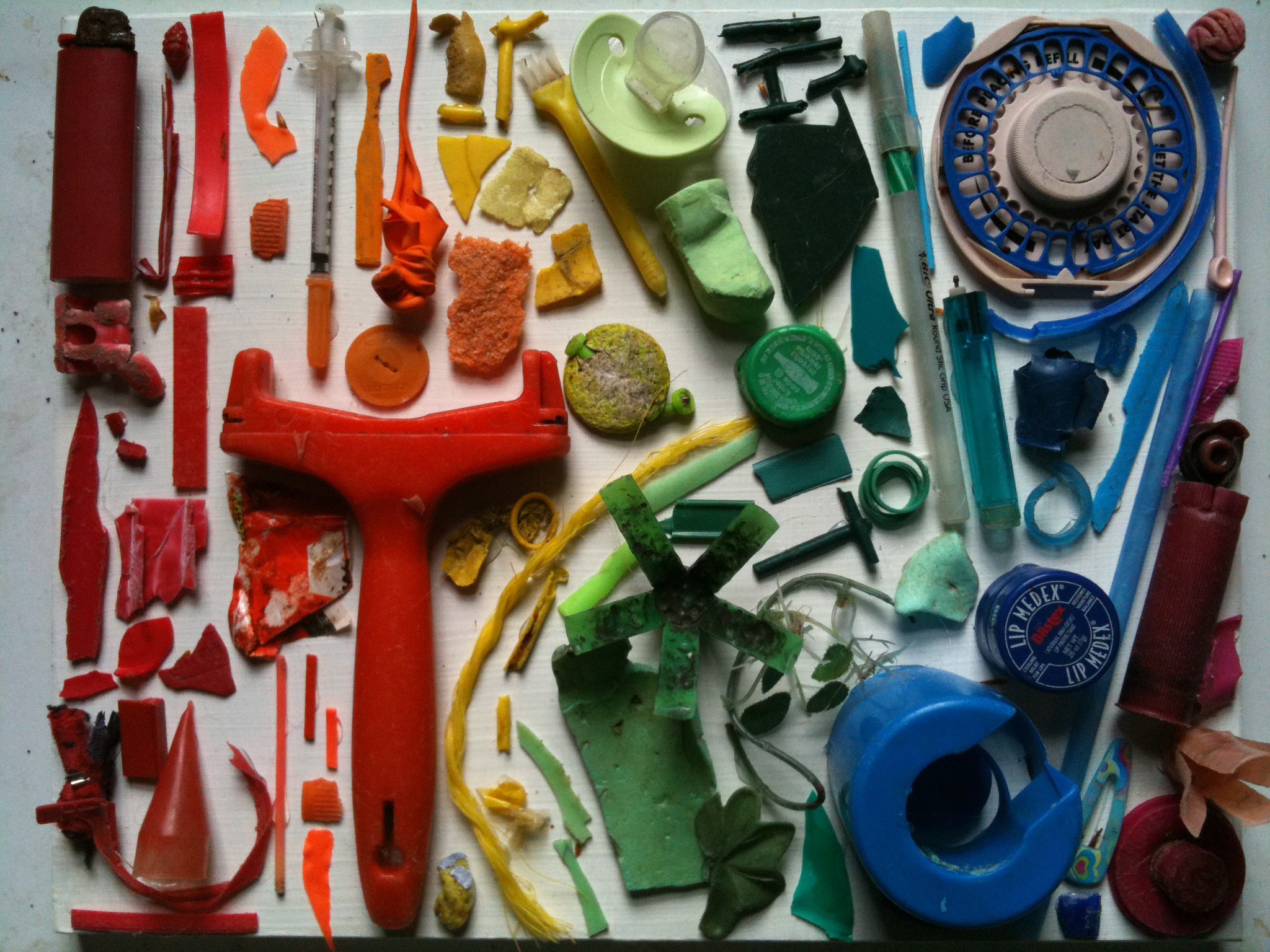
Every Color, Every Shape: Its All There in the Ocean

Our material culture washes up every day upon our beaches: Thousands of tiny particles of weathered plastic bits mixed with large snarls of monofilament trapping bottle caps, fireworks parts and earplugs. To look at a list of what’s washed ashore on a single beach during one high tide is to step through a day-in-the-life of the average American citizen and take note of the hundreds of plastic items we use: coffee cups and lids, plastic stirrers, plastic straws, clamshell food containers, plastic pens, a toothbrush, hairbrush, mascara applicator, shampoo bottle, car door handle, paintbrush, cell phone holder, car bumper, plastic shopping bags, dog toy, tennis balls, juice pouches, paint can spray top, organic produce stickers, plant pots, shovel handle, flip flops, sunglasses, lip balm applicator, baseball cap visor, packing peanuts, ziplock bag, water bottles, refrigerator meats drawer, plastic champagne cork, toothpaste cap, and light switch cover. Everything on this list has washed up on a beach in Puget Sound for us to document.

Plastic is Forever is the name of our project, and it’s the brainchild of 5 children who can no longer play innocently on a beach, oblivious to the myriad plastics under foot. Ages 4-7, and for over a year now, the kids have masterminded their own inventories, marine plastics art exhibits, environmental festival projects, science fair displays, watershed educational booths, public library displays, and Earth Day exhibitions. They’ve even made a short film. Please watch their work and spread the news: We’re using way too much plastic and it just won’t seem to ever go away.