Chapter 1: An On-going Photo Essay of the Things We’ve Upcycled or Repurposed into New Iterations for Family Reuse
Repurposed window, now mirror
1) The old window turned mirror. This 6-pane window was found inside our 200-year-old barn and looked about the same vintage. Glass was broken on the floor and there was no caulking to speak of. I cleaned the cobwebs off, scraped the glass shards from the grooves, used a wire brush on the wood frame mullions to remove old paint and gunk, then took it to a window shop and asked them put mirror into the frames instead of glass! It was cheap and the results were exactly what I envisioned.
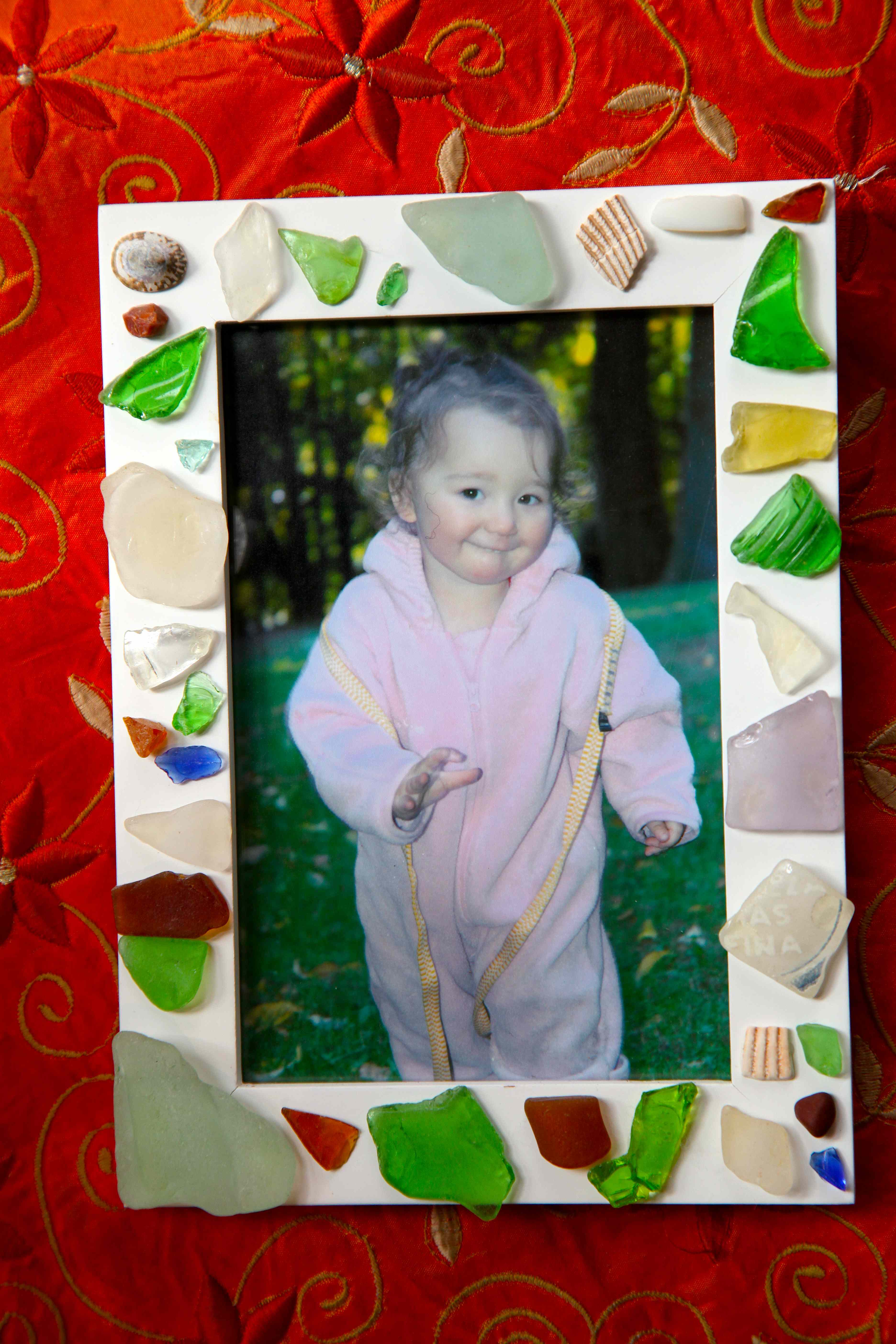
Sea Glass Frame
2) Sea Glass Picture Frames: The fun part was exploring our new beach when we first moved to our little island. The multicolored glass told a story of many inhabitants coming here long before us.
Home made candle from freecycled wax
3) A post on our local Buy Nothing group brought us an abundance of unwanted and half-burned candles. Added some of our own wax from our honey bees and, voila, new candles!
Pallet Playhouse
4) This pallet playhouse in the trees was built entirely out of 2 wooden pallets and branches from around the property. The “slide” access to it was left on the property by the timberframers who made our home: another reuse of construction debris.
Note, in the next picture how HUGE the tree trunk is on the right side of the frame. You’re only seeing half of it, too. This tree was cut down a century ago by loggers on the island who downed the first-growth trees to help rebuild San Francisco after its great fire.
Another view of the play palace/pallet in the trees
5) A button valentine kid-creation for friends at school.
Buttons on clear plastic retrieved from trash = valentine
Those of you with pets: admit it, you’ve had to think about it. What do we do with their doo? Plastic bags headed to the landfill loaded with methane bombs comes to mind. Not only is the plastic egregious, but filling it with toxic waste to eventually seep into both our atmosphere and watersheds makes no sense. Really, isn’t there a better option? There is.
I always figured having the little furballs go all-natural and eliminate all-waste in our back 40 (well, it’s really someone else’s back 40) made the best sense, but when you read all about it (pet poop, that is) it becomes clear the stuff is full of things like toxiplasmosis which is darnright nasty for the environment, especially for our waters, and we live just a hundred yards or so uphill of Puget Sound.
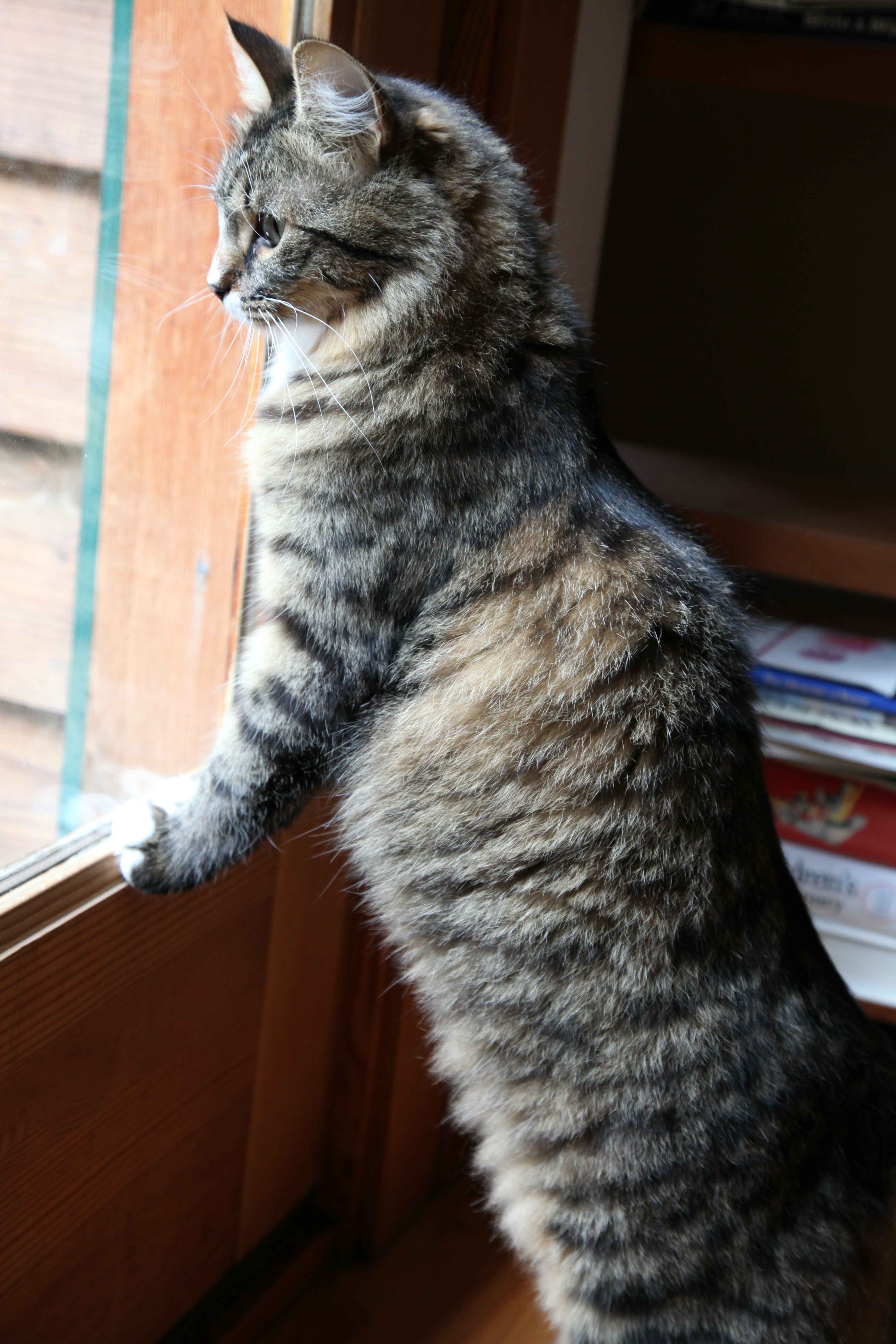
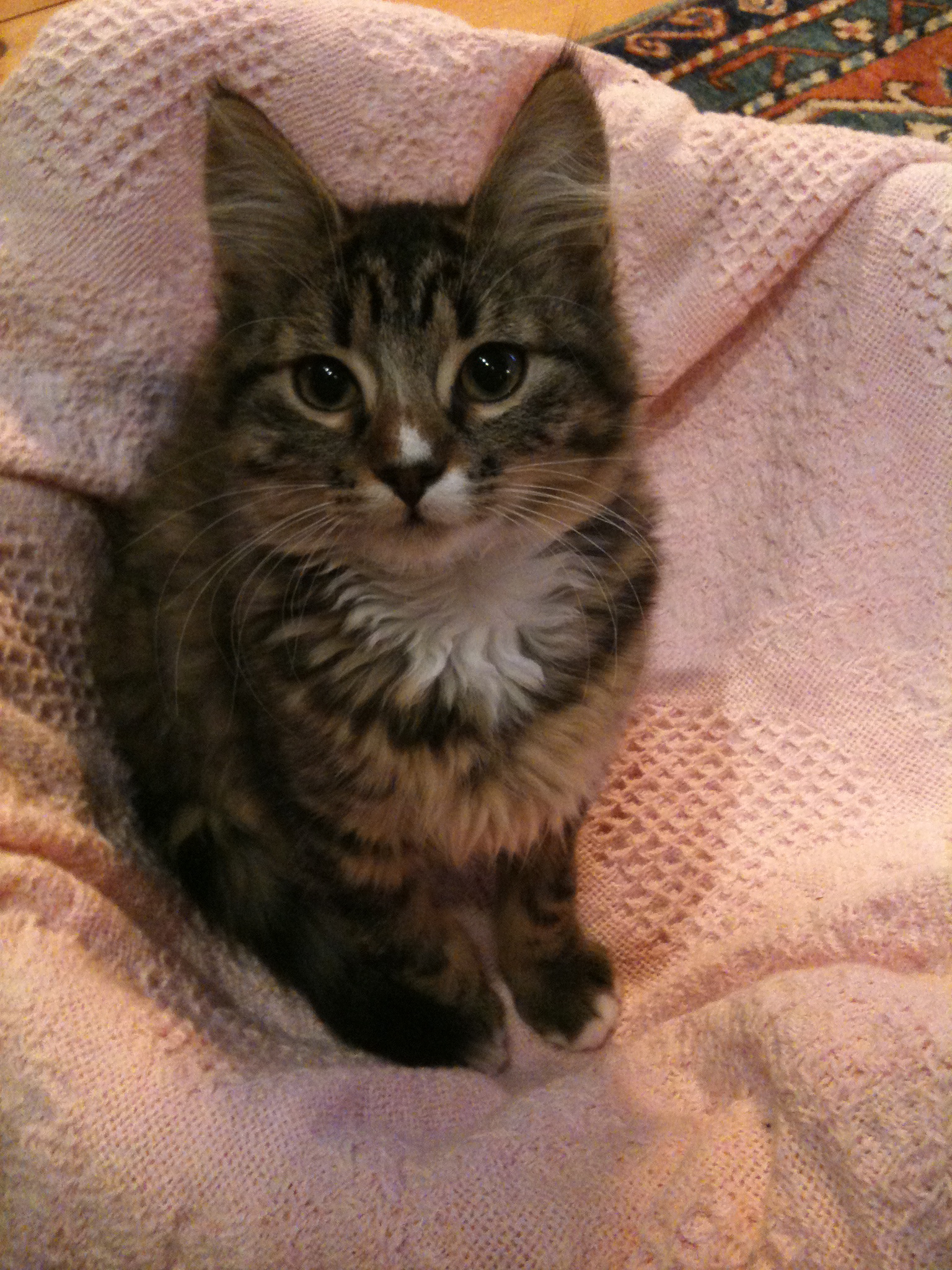
I’ll even admit to thinking we could try to potty-train our kitten. If you haven’t seen this bizarre practice before, do check out the YouTube videos available on the subject. It’s a bit disturbing, but makes excellent sense. Our furry friend, Willa, got way into it — the toilet, I mean. After falling into it a few times, she sent us a clear message she just didn’t like the porcelain throne and opted to do her dukeys all over the bathroom floor. Seeing her scratch at the commode as if it were some form of kitty litter was pathetic to watch, so we converted her back to an all-American wheat-loving litter-using furry feline in no time and emptied the “clumps” into a re-used plastic bag with that tinge 0f guilt, once again.
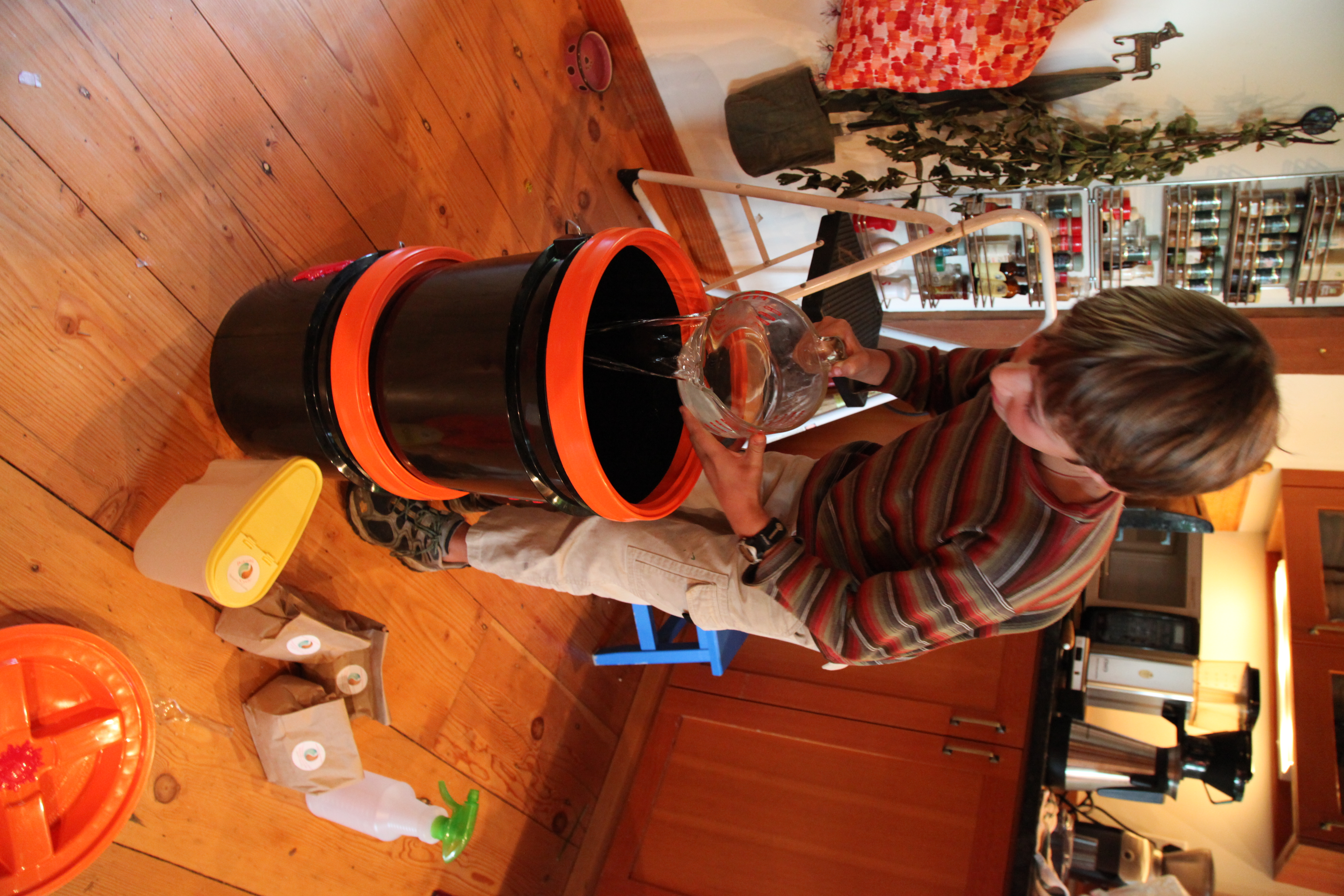
Fast forward to about a year later, when we stumbled across Bokashi and their pet waste composting system which promises to turn Willa-waste into fuschia-food. So, day-before-yesterday, in honor of No Impact Week’s waste day, we assembled our Bokashi composter with excitement.
Bokashi Pet Waste experiment Day 1
It’s a chemistry experiment that only children could love, and although those big plastic buckets rub me the wrong way, this system should work for life, converting the brown and smelly into gorgeous garden gold for perennials. It’s not for the veggie garden, doo note please, for obvious reasons. Be sure to check out Bokashi’s website to learn more about their systems for pet waste and composting in general. They’re closed systems, so they don’t emit methane. And as for those plastic buckets, if taken care of properly, they’ll be put to use….forever.
1) Locate village waste sites. Are they trash pits dug out for burning? Are they in a windy spot? If so, build a fence around them so rara (ramen) and biscuit packets don’t blow away. Do cows frequent the site and forage? If so, a fence will stop this. Cows die from ingested plastics, and the plastic can’t be a positive influence on the milk the cows produce.
2) Are there incinerators for burning trash in the village? Review which plastics are being burned and at what temperature.
3) At the trash pits (and also in a few volunteer homes) separate out the resources from the trash: aluminum, glass, compostables like paper, cardboard and food scraps.
4) Find a nearby source that will buy the aluminum and a local willing to carry it out.
5) Find a nearby source that will buy or recycle glass and a local or foreign NGO willing to carry it out. Often there are porters willing to carry for a small fee or trucks heading downvalley that are empty.
6) Conduct awareness camps with locals to re-assess why compostables like paper, cardboard, and organics like food scraps are ending up in the trash pits. Methane gas from organic waste in landfills is a large contributor to greenhouse gas worldwide. This organic waste should be seen as a resource for compost piles. Remind locals that tea bags can be composted. Eggshells can be composted. If locals are going into the forests to collect leaves (carbon) for compost, they should be saving their paper and cardboard which has the same affect on compost piles if shredded into smaller pieces. Teaching locals to keep the leaves beneath the trees to prevent erosion will take time, but showing them that the paper and food scraps can take their place could go a long way in reducing the amount of leaves being taken from the already denuded environment.
7) Toxic waste drop-off site: designate a local place (either one right at the pit or at a community center) where people can drop off their toxic waste – batteries, lead acid car batteries, CFL light bulbs. Find a local conservation group that will transport them to a safe disposal site.
8) Cut down on single use items. If there are many plastic water bottles in the trash pits, locals can look into getting a potable water filter donated to the community. Informed trekkers will bring their own water bottles to be re-filled with safe drinking water. Signs in the village indicating where the safe potable water can be purchased will help reduce plastic water bottle waste. The village or individual lodges that purchase the water filters will get a return on their investment.
9) Create goals for the future: plastic bag bans in your village, public potable water station.
Thanks to Clif Bar, we’ve been able to take some of these steps in interested villages in Solukhumbu and Mustang. The goal is to get the plastic and toxic waste out of the critical high mountain watersheds. Our steps may be small, but with continued follow-through they will have a lasting impact on Nepal’s increasingly threatened, garbage-choked watersheds.