The Backyard Seven Summits Project

Every county has its high points, just like every continent.

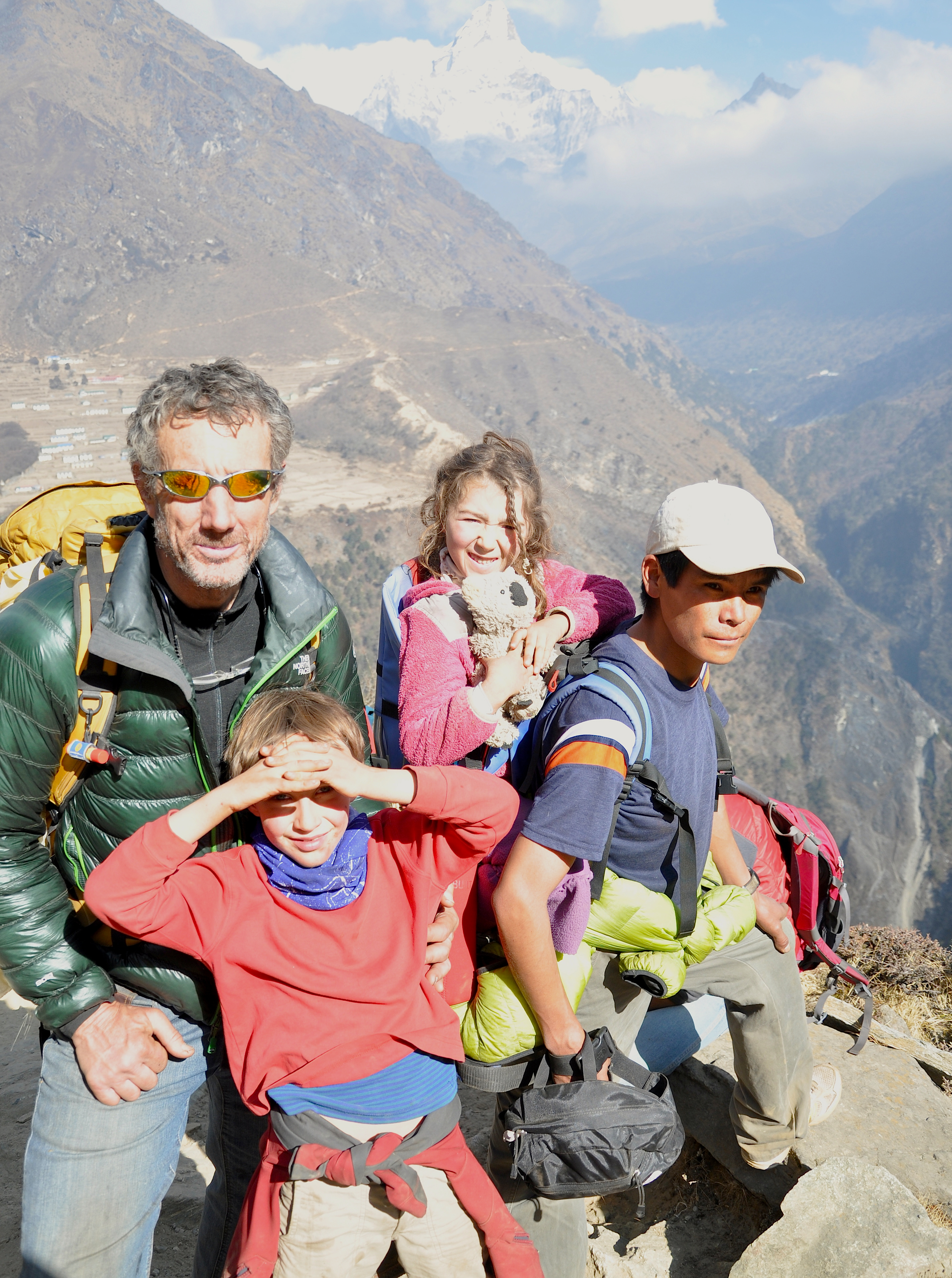
View From the Summit of Green Mountain. Summit #2, Kitsap County, WA. © Liesl Clark

View From the Summit of Green Mountain. Summit #2, Kitsap County, WA. © Liesl Clark

Why limit ourselves to the boundaries of our continents, rather than redefining challenges that include the uncelebrated wilds in our own back yards?

Endless Vanishing Points on Our 7 Summits Push © Liesl Clark

Endless Vanishing Points on Our 7 Summits Push © Liesl Clark

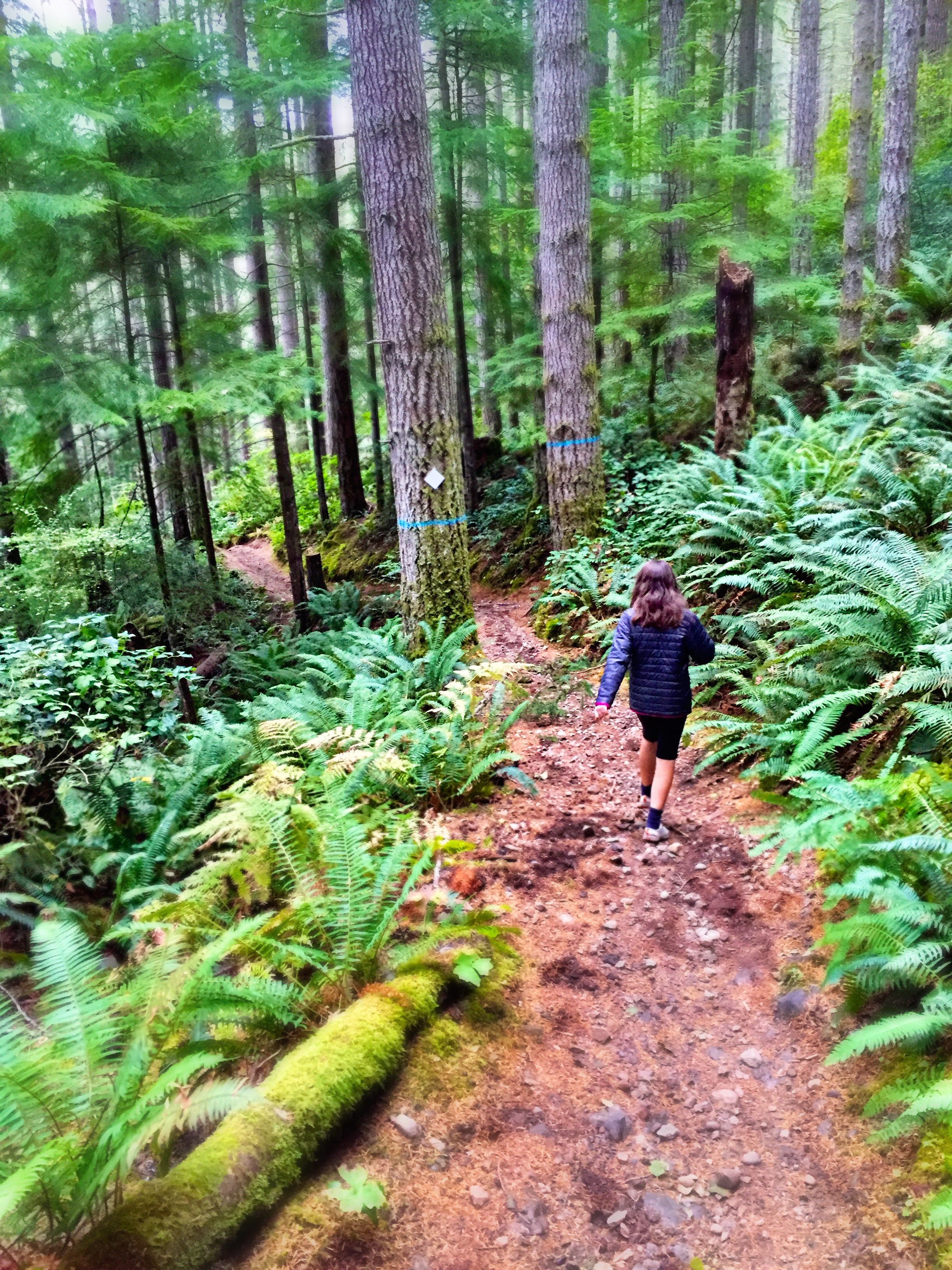
This weekend, our 10-year-old started a 7 summits quest of her own – to reach the 7 highest points in her county. We started with #2, just to see how it felt. After two-and-a-half hours, and a little over 5 miles of hiking, she thanked us for dragging her out to a place none of us had ever been. It was only a 1,639 ft. ascent, but it afforded us some together time, away from the ever-invasive media in our lives and rewarded us with beautiful views, even on a cloudy Northwest fall day.

Here’s what our daughter reports about the adventure:

Kitsap County, Green Mountain, 1,639 feet

I loved it! And I think every kid should do a 7 summits quest of their own. I challenge all kids to seek out, map out, explore, and climb to the 7 summits of their counties, no matter where they live. If you happen to live in a county with really high peaks, pace yourself, aim for #7 or seek out the 7 lowest points in your county. The point is to get outside and set goals, explore what’s around you and just get there!

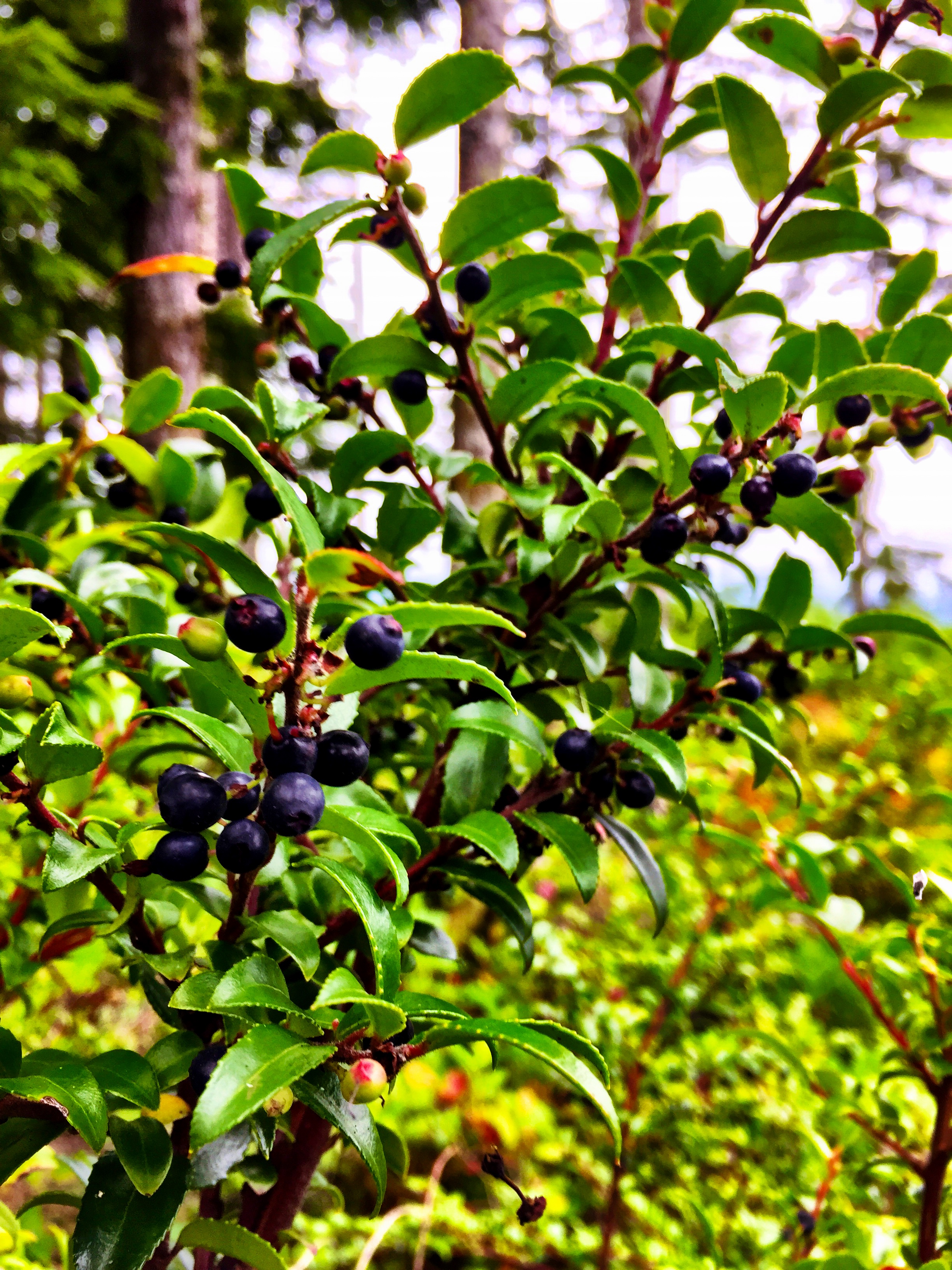
Huckleberries on the Trail © Liesl Clark

Huckleberries on the Trail © Liesl Clark

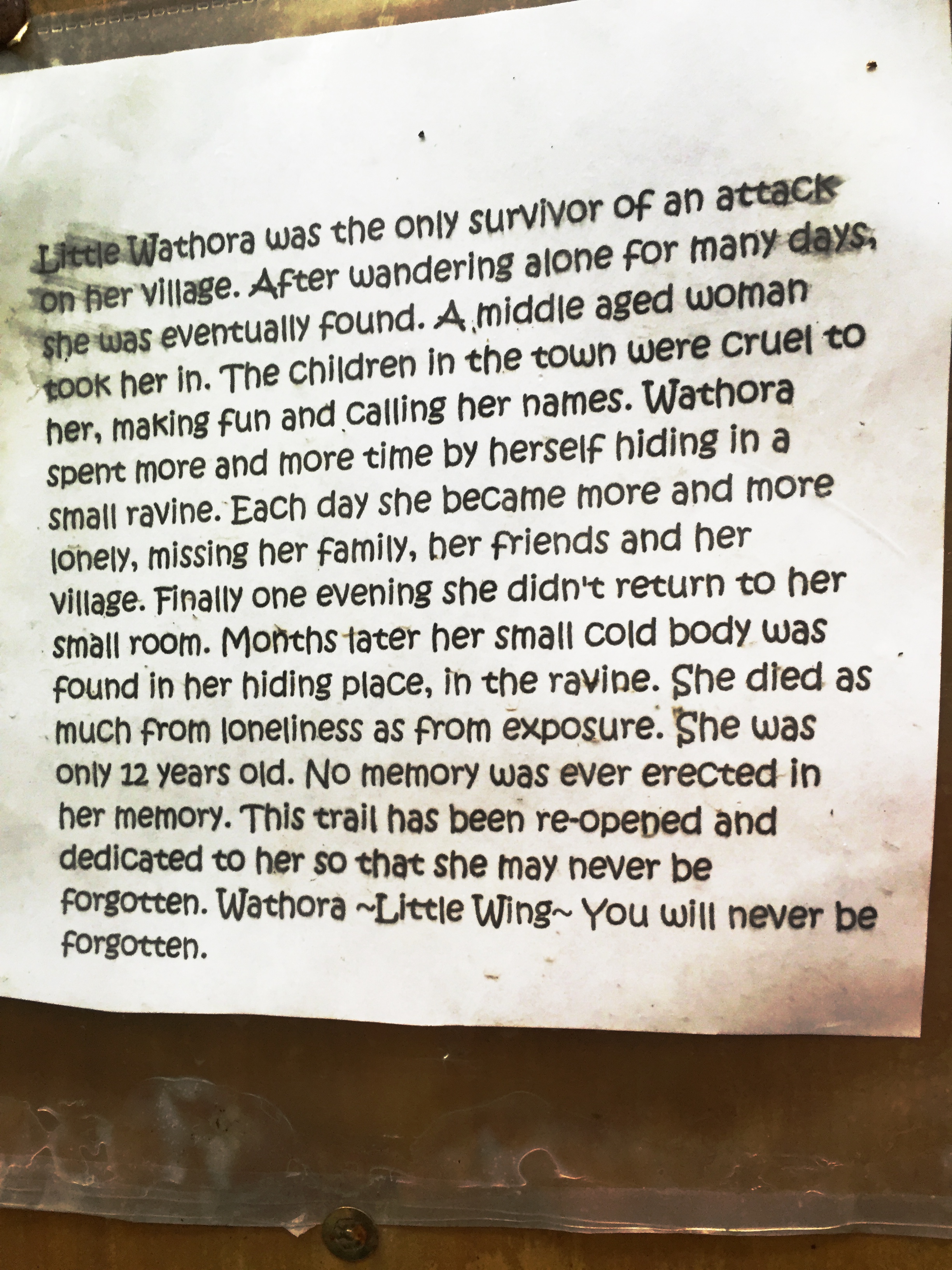
I found huckleberries on my way down from my first summit, and discovered, on the trail, a really sad story about a little girl who once lived, and then died, right where I was hiking. It made me realize how important it is to learn more about where we live and those who came before us. We should read their stories and find out how they lived and died. I think the highest points in each county could hold these stories. High points have a kind of power. If you go there, you’ll see what I mean.

Here’s a picture of the sign with the story of Little Wing on it.

Little Wing's Story © Cleo Clark-Athans

Little Wing’s Story © Cleo Clark-Athans

Please join us in trying to find your own 7 summits! You’ll get outside, learn something, and get stronger as you go higher. We’d love for you to share your stories with us so they can be read by everyone. Send photos, point to where you are on the map, and tell us how tired you got. There’s always the easy downhill after you reach the top.

© Liesl Clark

© Liesl Clark

Our Backyard Seven Summits Project is in honor of the life of Little Wing, in hopes that no child, no matter what culture they come from, what high place they call home, will ever suffer ridicule for being different. My great grandmother was Shoshone and I know she didn’t live with her native people. I’d like to believe that she was accepted by the community she lived in. No child, or adult, should die alone.

The Last Plastic-Free Place on Earth. Well, Almost.

Riding into the Village of Samdzong, Upper Mustang, Nepal, Photo: Liesl Clark

It was a plastic bag, of all things, that spooked the young Tibetan horse into a bucking frenzy. We had just saddled him up and tied some snacks onto the already-packed saddle bags. Our 9-year-old son, Finn, was his rider. Something about the unfamiliar sound of crinkling plastic set the horse off and 10 seconds later Finn miraculously threw himself from the saddle, landing onto his back. He stood up, immediately, and faced everyone to say, in a shaken voice, “I’m okay.”

Plastic bag caught in a pile of kindling, Tamagaon, Upper Mustang, Photo: Liesl Clark

Ironically, this was the only plastic bag I had accepted from a shop keeper in 10 days and my misjudgement felt like a slap in the face. Plastic bags don’t belong out in the wilds of the Himalayan high steppes — even the 2-year-old gelding knew that.

We were at 13, 300 feet, just outside the royal city of Lo Manthang in the Kingdom of Mustang, Nepal. Finn’s horse galloped away down a rough stretch of canyon, the saddle bags now dangerously tangled between his hind legs. He had ripped himself, twice, from the grips of Tashi Wangyel, his owner, the former horseman of the Raja, or king, of Mustang. Tashi was devastated by the sight of the abrasions across Finn’s back. Finn is like a son to him, a dear friend of his own son, Kunga, who is one of the youngest monks at the nearby monastery. Luckily Tashi had a spare horse Finn could jump on as we had a 5-hour hike ahead of us to the Tibetan borderlands village of Samdzong.

“Dolma,” Reliable Steed, Photo: Liesl Clark

We had 6 days to excavate 6 caves for the remains of a 1600-year-old people who once buried their dead in cliff-side shaft tombs. We also had a waste audit to conduct, researching how a traditional village at the end of the trail handles the influx of modern plastic packaging in many goods that are now available due to the nearby construction of a road from China and Tibet.

The New Way: Traveling by Truck up The Kali Gandaki River. Even 6-Year-Olds are Piled in the Back. Photo: Liesl Clark

The Samdzong people, compared to most villages in Upper Mustang, are relatively untouched by modern amenities often brought in to Mustang to appease the tourists. There’s no shop in Samdzong, indeed few tourists are given permission to visit the forgotten village. We’re helping fund the building of a museum for the ancient artifacts our team of archaeologists and climbers uncovered in the high caves — the attendant grave goods of a Himalayan people we’re only just beginning to flesh out through genetic analysis. The material culture these people had at their fingertips consisted of domestic animals, wood, ceramics, wool, glass beads, and metals like bronze, copper, iron, and other precious metals.

Samdzong Village, Plastic-Free. Photo: Liesl Clark

Little has changed in Samdzong today. The people in this bucolic village work their sheep and yak wool day and night, spinning and weaving to make sweaters, colorful clothing, and even hand-woven woolen boots and shoes that are more prevalent than sneakers.

Samdzong’s Handmade Sustainable Shoes, Discarded in Riverbed. Photo: Liesl Clark

Samdzong Wool Works. Photo: Liesl Clark

For thousands of years, archaeologists have claimed, indigenous cultures discarded their material waste just outside their homes and villages, along slopes outside enclaves where gravity and precipitation would lend their aid in melting ceramics, wood, and textiles back into the Earth. Broken stone tools simply blended back into the landscape that thousands of years later only a trained eye can now identify. These are the clues to the ancients we look for in Upper Mustang, discards flippantly thrown out of cave dwellings or village homes as well as the goods buried with the dead, to accompany them into the next life.

Ancient Bronze Recovered by Finn from Cave Tomb. Photo: Liesl Clark

Fast forward some 1600 years later, and Samdzong’s material culture is still mostly natural: Wood, metals, ceramics, a little glass, and of course textiles. They trade their large flock of goats for food and goods from Southern Nepal and nearby Tibet. A small percentage of what’s carried back to the village is plastic, and the behavior around waste has not changed. All household trash is sent out the door, often into the irrigation ditches only a few feet away so the buoyant plastic can be carried off with the current. The good  news is that the plastics are limited to a few things: Ramen noodle packets and clothes washing powder bags from China. The women wash their clothes in the streams and ditches and set the empty bags free with the moving water. I picked up a large plastic feedsack-worth in about 10 minutes of cleaning-up down river.

Samdzong River Plastic, Photo: Liesl Clark

We carried out with us the feed sack of plastic from the Samdzong river with promises to take with us next year’s village plastic if the locals stockpiled it year round. If all visitors to Upper Mustang carried out with them a large sack-full of a village’s compressed lightweight plastic packaging, including water bottles, and took them to Kathmandu to give to the rag pickers who collect and sell them to India for a reasonable price, Upper Mustang might be freed from its choking plastics.

Choked with Trash: Community Garbage Deposited Alongside a Waterfall Outside the Kagbeni Police Post. Photo: Liesl Clark

“We often discover the settlements or mortuary remains of ancient cultures by first finding their trash: Their ceramics, or broken stone tools, even stone flakes from tool-making that were left behind. This is the common waste of early peoples,” explains Dr. Mark Aldenderfer, leading archaeologist in our scientific inquiry about who the first people were to settle and thrive in Upper Mustang.

Almost completely intact skeletal remains of a 1600 year old man from Samdzong Mortuary Caves, (L to R: Nepali Archaeologist, Mohan Singh Lama; Dr. Bruce Gardner, M.D.; Dr. Tina Warinner, Geneticist) Photo: Liesl Clark

Our research is all about early people’s garbage and grave goods. That we’re also committed to addressing the modern garbage of the local culture seems only fitting. We’ve brought Italian metallurgist, Giovanni Massa, with us to study the many metals we’ve uncovered in Samdzong’s caves. Thousands of years from now, when single-use plastics will be a mistake of the past, what will archaeologists make of our own material culture and plastic waste left behind? It will surely still be here, buried under the silt and dust of timeless winds. I image a plastics specialist will be needed to determine which polymers were used, how they could possibly have gotten here, asking why we invented a material that will never fully break down, slowly dissolving into smaller and smaller bits, disseminating into our waters to be taken up into our food chain, inadvertently consumed by creatures great and small.

Prayer Flags in Mustang’s Relentless Wind. Photo: Liesl Clark

Ancient Himalayan Trade Route Choked With Modern Plastic

By Liesl Clark as part of the series: The Last Plastic-Free Places on Earth

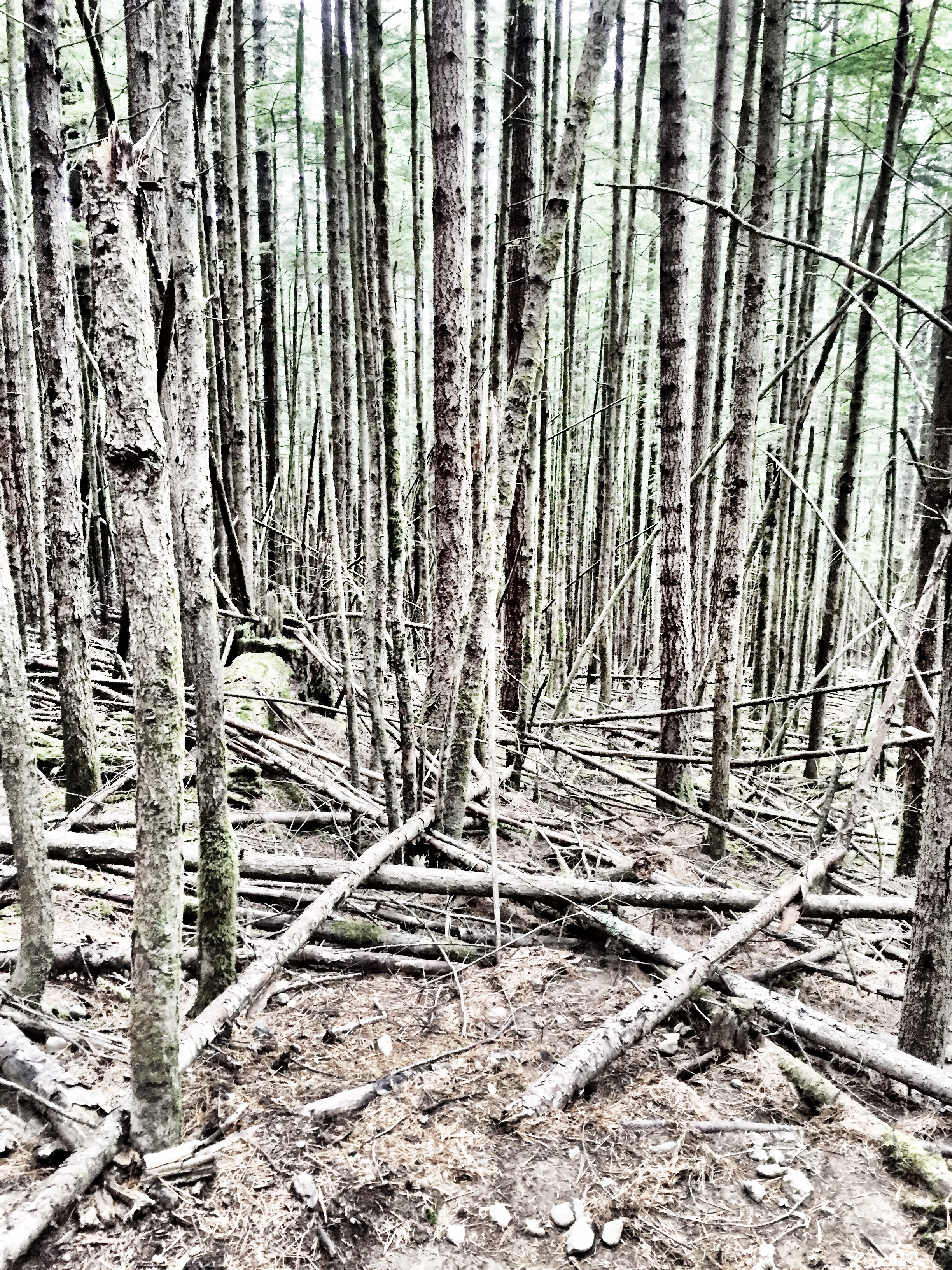
Plastics are ubiquitous along the river, often found in drifts

We spent the better part of the day bumping around in a jeep on a dirt road up the Kali Gandaki River, the world’s deepest gorge, and we’re stunned to have arrived in a village that has wifi. It was just 6 years ago when my husband, Pete Athans, and I trekked up this deep river valley, carrying our children on our backs, ages 3 years and 18 months. We’d follow porters carrying goods, even live chickens trapped in cages, up and down the steep rocky trails. Fast forward to today, and that same trail is now a marginal road, overrun with trucks, jeeps, even buses, transporting locals and Indian pilgrims on their way to sacred Hindu sites at the headwaters of the Kali Gandaki.

Now a rare site, porters along the Kali Gandaki are a thing of the past

This river drainage is one of the precious few routes that cuts through the highest Himalaya, two 8000 meter peaks on either side, providing reasonable and yet sometimes treacherous passage for travelers.

Peaks in the Annapurna Massif, Photo: Liesl Clark

Just a few days before we passed through the narrows of the gorge, a landslide rendered the road impassable and several people lost their lives. Locals shoveled out the rock and debris to provide a track that a truck or bus could traverse, with only inches to spare as buffer between you and a thousand-foot drop down to the river below. The landscape here is ever-changing, but the movement of people through it is not. This trade route is at least 3000 years rich, and we’ve worked the past 6 years with a team of climbers and archaeologists to find the human and material remains of the earliest cultures that migrated and traded here, those who carried their precious goods with them from afar to ultimately settle here and thrive.

Donkeys carrying goods up river as seen out our jeep window, Photo: Liesl Clark

We’re headed back up to the northernmost village on the Kali Gandaki drainage, a forgotten corner of the Himalaya where only a handful of Westerners have been. Our aim is to begin an excavation of a promising series of cave tombs to learn more about the 1600 year old culture we’ve uncovered. They came here and buried their dead in tombs they painstakingly carved out of the earth, which are now caves high on cliff faces. Along with the dead, special belongings were buried, perhaps the most precious among them, many transported here on their backs or acquired through trade from the myriad peoples who traveled through here from distant lands.

Road warrior: Kali Gandaki truck drivers are also master mechanics

Today’s moving and bustling humanity up and down this river corridor similarly carries with it the goods needed to survive the ravages of the climate. But these goods are perhaps more fleeting than those of yore. Few are made to last and most will likely be used and disposed of within the next few months. Welcome to modern convenience, leaving its ever-growing trail of plastic detritus up and down the valley, along the riverbanks, and indeed in the sacred Kali Gandaki waters themselves.

What was once an ancient trade route populated with porters, donkey trains, and backpack-wearing hikers has been transformed, in a matter of 3 years, into a dusty, sometimes desperate highway culture catering to the increasing numbers of people and goods now traveling more rapidly up and down valley. Many of the changes have been positive for the locals: Now most of the villages have electricity and building supplies and household items are much cheaper, medical supplies are more readily available and the standard of living has certainly improved. But most of the goods that move up valley will stay here forever. There are no garbage trucks to remove the plastic from this high dry landscape. Household refuse is either burned, buried, or simply thrown down into the river to be whisked away on the currents. The wind plays a key role, too, in the distribution of lightweight plastics. Scientists on the Kali Gandaki clocked some of the highest sustained wind speeds here on Earth.

Weaving in Kagbeni, Photo: Liesl Clark

Tomorrow we enter the Kingdom of Mustang, the upper reaches of the Kali Gandaki and a restricted zone protected by the government of Nepal and the Annapurna Conservation Area Project aiming to keep the ethnically Tibetan culture intact and the fragile high mountain environment pristine. We sign in at a check post and must show the police our expedition’s list of food and expendables. When we return through the same check post in 2 weeks, we’ll show them our actual trash, proof that we carried out everything we brought in. If the trash doesn’t add up to the items on the food list, we can’t retrieve our $300 trash deposit. Our garbage will then be transported back down valley to be disposed of in Kathmandu. All glass bottles and aluminum will be recycled, and the plastic will be sent to a landfill 10 kilometers from the city where biscuit and ramen noodle packets, as well as plastic bottles are taken out of the fly-laden piles by rag pickers who stockpile them and sell them off to India for recycling there.

Roadside flattened bottles, Photo: Liesl Clark

We expect to find less plastic waste the higher we go, as the population becomes more sparse, and the aim is to find a remote corner devoid of plastic debris blowing in the wind, caught in the trees, and choking the waterways, but the presence of the road and the influx of goods coming down from China might bring surprises.

Dhaulagiri, Photo: Liesl Clark

Angels While Gathering Wood

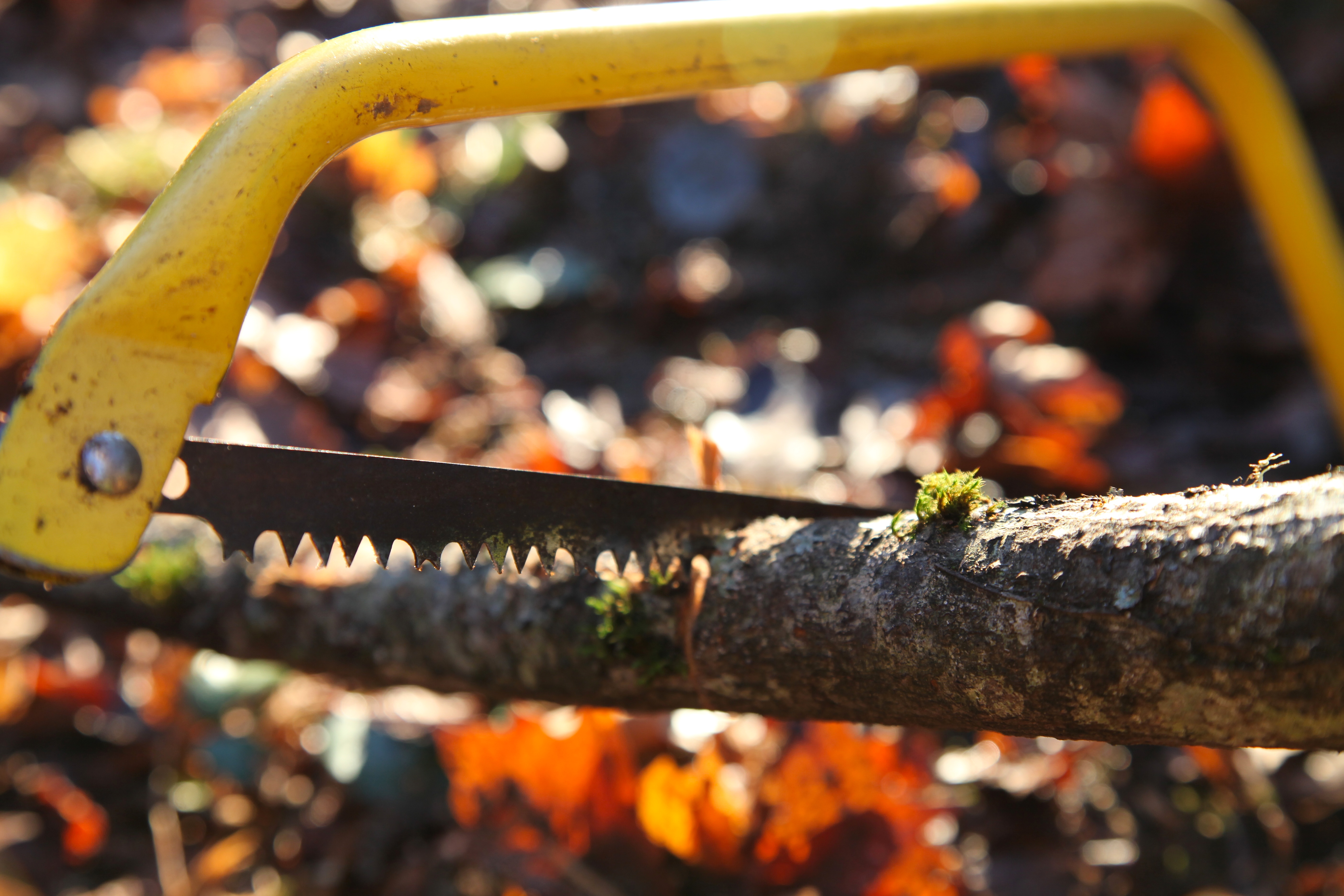
Handsaw for Winter Foraging

Handsaw for Winter Foraging

One of our greatest joys, lately, has been foraging for wood in our forest to augment the dry-split wood we have stacked for winter use. We heat our home entirely with the wood from our land and a new pastime for the kids is to wander the slopes and swales to find kindling or larger pieces we can cut with a hand saw, quietly, while listening to the winter sounds of the forest. Bald eagles chatter above, complaining from the constant pestering by crows. And our cat, Willa, scrambles up trees to keep out of view. There’s something immensely satisfying about picking up the piles of blown down limbs and using them to help heat ourselves in these cold months.

Lumberjack

Lumberjack

Every afternoon is spent in these woods, and we’re getting to know the patterns of light, the shifting breezes from Port Orchard Bay below us, and the dramatic changes in weather intimately. Our efforts were rewarded, yesterday, by a visit from 2 angels, bringing new joy to the littlest members of our family:

Power Sabbath

Breakfast by Candlelight

Breakfast by Candlelight

Sundays, for us, are power sabbath days. If you’ve never tried a power sabbath, it’s well worth it to ease the burden of everyday assaults on the senses from computers, lights, appliances for even a few hours.

Have you ever been thankful for a brief power outage, for the reminder it gave you of how pleasant a slowing-down-to-deal-with-the-basics-in-life can be? For us, it’s reminiscent of 12-hour daily load sheds in Kathmandu and simple living on expedition, a reminder that we live a privileged life. Access to power shouldn’t be taken for granted. Using less of it each week, of course, reduces our impact.

Reading by Hurricane Lamp

Reading by Hurricane Lamp

We have a propane stove/oven and heat our house entirely with wood, so the switching off of power isn’t a huge shock. But we live in the Seattle area and mornings can be dark, so candles light our way about the house and kitchen. We highly recommend you try even a morning or evening of power sabbath, so the whole family can check in with each other and simplifying your lives by turning off all links to wall sockets. Try it and see what sort of quiet magic happens.

Life Less Laundry: In Praise of Dirt Bags

How often do you do your laundry? Americans launder clothes way too often. And we use too much detergent, according to the Wall Street Journal. We’ve started re-thinking our laundry scene here at home. After spending much time living in villages in the dustiest parts of the Himalaya, one looks at laundry a little differently.

First, water has to be collected and carried to your fire to be heated, if you’re going to be a purist. Otherwise, a nearby stream will suffice. Secondly, you have to hang it up to dry and inevitably those clothes get full of wind-blown dirt and dust as they drip dry. Then, I learned an amazing lesson about laundry while living 6 weeks in Kathmandu. I noticed people don’t waste energy wringing out the wet clothes and linens to hasten drying. The water must be put to use! Laundry is often hung right over the vegetable garden to drip-irrigate precious veggies. So, come summer, our family hangs our dripping-wet laundry (no spin cycle used) over our tomato plants and we never need to water them.

Phortse-Bound

Phortse-Bound

Meanwhile, back in the village once your laundry is dry and you finally put on your so-called clean togs, within seconds those clothes can get pretty “dirty.” But dirt ain’t dirty! We’ve all learned to bring brown clothes to wear in Nepal so dirt can be hidden. The dirt isn’t the problem that ultimately makes you want to launder your clothes. It’s the bodily stuff humans produce on clothes (smells notwithstanding) that become one’s standard for washing. And if your animals somehow get their stuff on your clothes, (cows, yaks, horses, chickens) then it’s time to wash. Otherwise, a little dirt isn’t worth the effort to wash and one learns to wear clothes for many days, if not weeks, when you’re on expedition before having the time and commitment for washing.

Even here in the States, we’re becoming more water-conscious. Levi-Strauss Co. gets it: In a recent article in the New York Times, Levi-Strauss is admitting to the amount of water they’ve used in the past to stonewash their jeans. And now they’re sewing tags in clothes to tell consumers to not wash their jeans so often (by the end of their life, your jeans will have consumed 919 gallons of water.) In fact, if you want to kill those yucky microbes, Levi-Strauss recommends you throw ’em in the freezer for 24 hours. One jeans-wearing guy is reportedly swearing off washing his denim-trous…ever. He’s already a year down that road.

But for us, the issue has become more about plastic. Yes, plastic is in your laundry and one of my favorite scientists today, Mark Browne, has determined that on average a single garment will shed 1900 fibers of microplastic per wash into your gray water. The problem is woven in our favorite polypropylene pants or tights, or poly-wool blend sweaters. If it’s made of plastic, it’s shedding plastic, and those microfibers are showing up on every shoreline on our planet. This is a very real concern to marine biologists and toxicologists who are finding that microfibers are ingested by many marine species and are likely making their way into our own food stream.

So take a close look at your dryer lint. It’s those fibers that are making their way out of your washing machine and into our waters. If you’re a died-in-the-wool purist about your clothes and only wear organic cottons and fibers, you’re doing wonders for the planet. The Fibershed Project is a fine example of lessons learned when you truly look at clothes, how they’re manufactured, where they come from, and the amount of energy, water, and toxins used to make them. The Fibershed folks promote looking at which fibers can be sourced in your own bioregion.

Laundry Solution? Wear No Clothes.

Laundry Solution? Wear No Clothes.

Whether your concern is toxics, water conservation, social justice, or buying and/or sourcing local there are also those who are committed to  zero waste laundry practices. Our friend Rebecca, at Rockfarmer has a great DIY laundry detergent recipe we’ve used for several years. And Biokleen’s 10 pound powder detergent in a box (buy it bulk through Azure Standard, along with all your other bulk needs) is also great on the environment. But it’s not going to be fully zero waste until we can sort out the problem of plastic micro-filament shedding into the environment.

We’re working on getting funding to develop a filter to stop the plastics from leaving your washer and entering our waters. Our hope is that the clothing manufacturers who produce the poly-blends might be the ones interested in contributing to this effort. Lint in your dryer is a resource for some (I know one explorer who saved his for months before heading out into the hinterland and he used it as firestarter for a journey across the Tibetan Plateau,) but lint in your washer is a potential endocrine disruptor for marine species and ultimately ourselves.

So, the next time you see me or members of our family and we’re looking a little “dirty,” you’ll know we’re stretching our standards a little, wearing those clothes just a little longer before contributing further to a growing problem in our oceans.

Journey to Kagbeni

Journey to Kagbeni

Love of Learning

Delivering Books to the Ani School in Tsarang, Upper Mustang, Nepal

Delivering Books to the Ani School in Tsarang, Upper Mustang, Nepal

If there’s one thing I hope to accomplish in life that’s lasting, it would be to teach my children (and any I am lucky to know) a love of learning. We have been fortunate to witness up-close our children’s exploration of the world through homeschooling, our first few years, and now Montessori, which allows children to explore their interests fully.

Here’s a little film made a year ago, by our 7 & 5 year-olds for their science fair. Hands-on learning with a passion for fun. Can you guess what the mystery animal is?

High Mountains, Pure Water

Sample Nepal Village Zero Waste Plan

(A work in progress)

1)    Locate village waste sites. Are they trash pits dug out for burning? Are they in a windy spot? If so, build a fence around them so rara (ramen) and biscuit packets don’t blow away. Do cows frequent the site and forage? If so, a fence will stop this. Cows die from ingested plastics, and the plastic can’t be a positive influence on the milk the cows produce.

2)    Are there incinerators for burning trash in the village? Review which plastics are being burned and at what temperature.

3)    At the trash pits (and also in a few volunteer homes) separate out the resources from the trash: aluminum, glass, compostables like paper, cardboard and food scraps.

4)    Find a nearby source that will buy the aluminum and a local willing to carry it out.

5)    Find a nearby source that will buy or recycle glass and a local or foreign NGO willing to carry it out. Often there are porters willing to carry for a small fee or trucks heading downvalley that are empty.

6)    Conduct awareness camps with locals to re-assess why compostables like paper, cardboard, and organics like food scraps are ending up in the trash pits. Methane gas from organic waste in landfills is a large contributor to greenhouse gas worldwide. This organic waste should be seen as a resource for compost piles. Remind locals that tea bags can be composted. Eggshells can be composted. If locals are going into the forests to collect leaves (carbon) for compost, they should be saving their paper and cardboard which has the same affect on compost piles if shredded into smaller pieces. Teaching locals to keep the leaves beneath the trees to prevent erosion will take time, but showing them that the paper and food scraps can take their place could go a long way in reducing the amount of leaves being taken from the already denuded environment.

7)    Toxic waste drop-off site: designate a local place (either one right at the pit or at a community center) where people can drop off their toxic waste – batteries, lead acid car batteries, CFL light bulbs. Find a local conservation group that will transport them to a safe disposal site.

8)    Cut down on single use items. If there are many plastic water bottles in the trash pits, locals can look into getting a potable water filter donated to the community. Informed trekkers will bring their own water bottles to be re-filled with safe drinking water. Signs in the village indicating where the safe potable water can be purchased will help reduce plastic water bottle waste.  The village or individual lodges that purchase the water filters will get a return on their investment.

9) Create goals for the future: plastic bag bans in your village, public potable water station.

Thanks to Clif Bar, we’ve been able to take some of these steps in interested villages in Solukhumbu and Mustang. The goal is to get the plastic and toxic waste out of the critical high mountain watersheds. Our steps may be small, but with continued follow-through they will have a lasting impact on Nepal’s increasingly threatened, garbage-choked watersheds.