20 DIY Crafts Not Plastic

A Case For Exposing Your Children to Traditional Arts Using Natural Materials. Photo © Liesl Clark

When my children reached elementary school age and we enrolled them in programs that had art classes, we were amazed at how few natural materials were used for art supplies and just how much of it was plastic: glitter glue, colorful plastics for mosaics, acrylic-coated feathers, various items to be “recycled” through art like yogurt cups and plastic straws. The myriad cut-and-paste-style art projects they did were primarily made of art supply store plastics. All too often schools and art classes are cutting corners and can only afford cheaper plastic materials for art supplies.

Hand-crafted tiles or buttons, made by a young Nepali stone-carver. Photo © Liesl Clark

I would’ve preferred sticks, stones, leaves, sea glass, natural feathers and wood over the pre-fabricated plastic materials my son and daughter were exposed to. These plastics were simply mimicking what’s found readily in nature. I also believe the color palette children are exposed to in those early years, through day-glo style plastics, can affect their color choices later in life. Gone might be an appreciation for natural greens, browns, blues and purples found regularly in the environment. We started to opt out of the popular kinder art projects in preference to doing our own art, making an effort to learn from traditional artists who work with stone, wood, glass, wool, and ceramics. These experiences, for our children, were enriching as they learned quickly that they could create things of beauty from resources found in the natural world, as people have done for millennia.

A Young Nepali Artist Carving Prayers Onto a Mani Stone. Photo © Liesl Clark

A coupling of leaves, feathers, and flowers could become a miniature nest or fairy’s bed from a 7-year-old’s imagination.

A Fairy Bed, Made From Leaves, a Pod, Feathers and a Flower. Photo © Liesl Clark

Or a piece of wood might be whittled into a boat, a stone carved into a work of art. Exposing children to traditional folk art from around the world is a great way to teach them how natural materials that are readily available can be turned into works of beauty.

Azurite Is One of The Pigments Used in Traditional Himalayan Art. Photo © Liesl Clark

On a recent trip through South Korea while we were in transit, we took part in a program at the airport in Seoul that teaches traditional art forms. Every time we pass through this airport our children learn a new form of art made from a surprising material. They’ve worked with rice paper to make stone carving prints onto them, they’ve made paper lanterns, they’ve hand painted fans, and they made a tapestry necklace. This time, they learned the Na-Jeon art form, working with mother of pearl-colored shells and shellac from the lac tree.

Learning the Na-Jeon Art Form in Korea. Photo © Liesl Clark

This highly sophisticated ancient Korean craft utilizes iridescent abalone and conch shells in contrast to a lacquered black wood background, creating a sense of balance and harmony in this mariage of opposites.

A Hand Mirror Made in the Korean Na-Jeon Style © Liesl Clark

The children were given hand mirrors to decorate in the Na (which means “pearl”) Jeon (which means “decorate”) style. The focus and concentration the craft required was mesmerizing for us to watch. And the mirrors will be treasured for years to come in our family.

IMG_5929 © Liesl Clark

If you’re looking for some ideas for arts and crafts less plastic, we came up with a list of 20 traditional crafts from natural materials found in and around your home that are easy to try. Copy this list or share the link with your art teacher at school. No need for spending money on cheap plastic art supplies when there are supplies we can contribute from our own homes and backyards: scrap fabric, acorns, sticks, scrap paper, wool sweaters, leaves and sea shells are just a few. Incorporate information about the cultures that started the folk art form you’ll practice so your children appreciate the history behind their craft and how interconnected we all are through our art forms:

1) Doll-Making: Fabric Scrap Dolls have been made for the children of many cultures for centuries.

DIY Tiny Dolls Wear Fabric Scraps in Style

2) Vegetable Stamps: My favorite veggie to use for stamps is okra. But you can also carve stamps from a potato with excellent results. And the celery rose stamp is absolutely beautiful.

3) Fabric Scrap Mosaic: Reusing fabrics is an art unto itself and certainly has been passed down for generations. Try making a pretty mosaic from your leftover scraps.

4) Embroidery: Try your hand at embroidery. You can even embellish a tired old lampshade to create color in a room.

5) Twig Basket: Collect some long green twigs and make a freeform basket out of them.

6) Origami Tea Bag Folding: Learn the traditional art of origami paper folding using the paper the covers tea bags! If families saved up their tea bag covers, a school art program would have plenty of paper to work with and couldn’t complain about budget constraints.

7) Scrap Paper Flowers: Art classes should save all scrap paper to make these beautiful flowers. Or toilet paper rolls are all you need to make these flowers.


Toilet Paper Roll Flowers. Photo © Kelly Munson

8) Fallen Leaf Art: There are many beautiful artistic creations you can craft from leaves.

9) Scrap Paper Tree: This pretty craft utilizes tiny pieces of your favorite scrap paper as well as sticks collected from outdoors.

10) Seashell Arts: We’ve made mobiles from sea shells and endless mosaics. These seashell koalas would make any child happy.

11) Tin Topiary: Use pie tins to make these beautiful tin flowers.

12) Knitting: With some saved-up chopsticks, you can teach anyone how to knit.

Knit with Old Chopsticks photo © Rebecca Rockefeller

13) Felting: Learn how to felt your wool sweaters.

14) Rubbings: Make rubbings for things natural or extraordinary.

15) Weaving: DIY weaving is easy and a great craft to do with scrap yarn and fabric strips. You can even make your own loom.

16) Phone Book Paper Painting Meditation: Teach the kids meditation by doing phone book paper art.

17) Sock Crafting: If you’re in need of a stuffed animal, try making one from a sock.
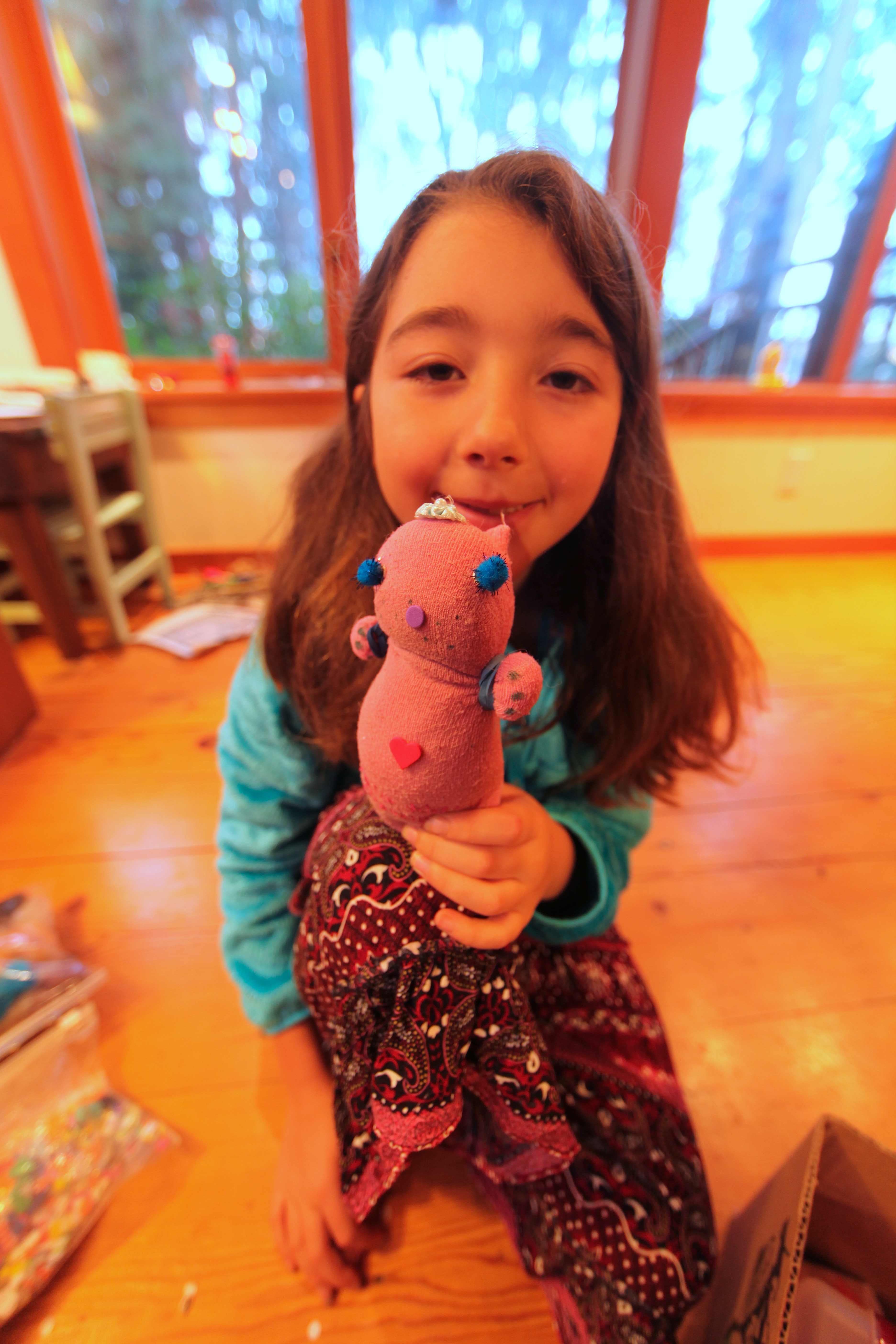
Sock + Rubber Bands + Bits & Bobs = Sock Hippo. Photo © Liesl Clark

18) Hand-Made Valentines: Valentines are an original folk art scrap hack.

Handmade Paper Valentines, An Original Folk Art. Photo © Liesl Clark

19) Stencils: You can make stencils from food boxes and use beets as your ink dye.

20) Driftwood Sculptures: If you collect enough of a variety, driftwood lends itself to creative art from their smooth appealing shapes.

What crafts from materials readily-available can you add? We love to make things from what’s abundant around us!

Reflective Pavement Markers Trash Our Roadsides

img_6287

Dear Washington Department of Transportation:

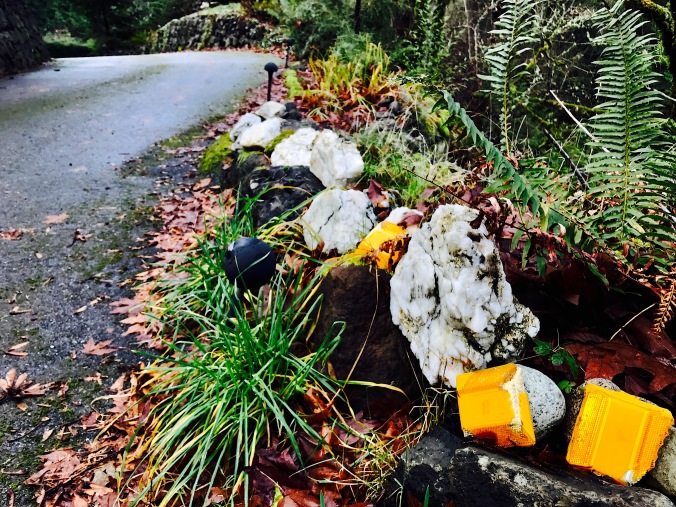
When you resurface our roads each year, you put in raised reflective pavement markers so we can better see the center line in the dark. But when winter comes, you scrape them all off the roads with your snow plows, and they sit there forever mangled, these mutilated pieces of spent DOT trash.

img_9984

What’s the point of installing plastic reflective pavement markers if you obliterate them a few months later?

img_0938

Now,  they simply reflect random routes off-road beckoning us to take misguided adventures into our roadside ditches.

img_2629

Didn’t you know that plastic pollution is one of the greatest problems endangering Puget Sound? Your scraped up plastic reflectors get run over by cars and break down into smaller and smaller reflective plastic bits as they slough off our hills and runoff with the rain into our ditches, headed for Puget Sound.

img_6244

These are the pieces of plastic marine debris we find washing up on our beaches. Perhaps there’s another alternative to reinstalling raised plastic reflectors on our roads each year, just to be scraped back off by your plows? I know other states, like Utah, use indented reflectors so snow plows don’t hit them.

img_7596

My neighbors try to be creative and reuse your smashed up reflectors on their stone walls so motorists don’t hit them at night. As for me, I’m just left to pick up your bits of reflective plastic trash as I reflect upon the waste our state tax dollars are creating, every time I walk down my road.

img_4468

Vegan Parsley Pesto

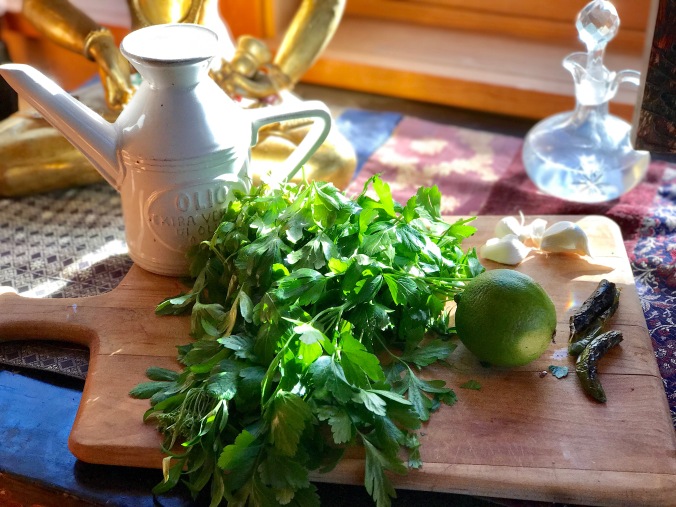
parsley-pesto-ingredients

© Liesl Clark

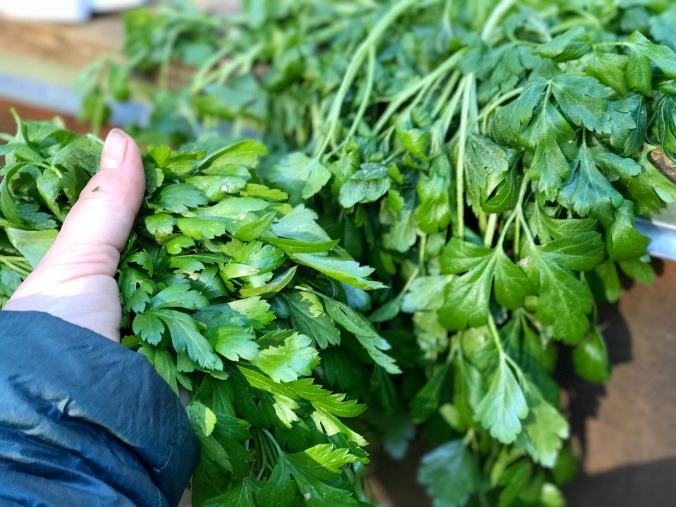
It was January 12th, the ground was frozen solid, and I harvested parsley from my garden! If this hardy herb can withstand 26 degree temps, then that’s a green I want in my body. Parsley provides so many nutritional benefits, including vitamin A, vitamin K, vitamin C, vitamin E, thiamin, riboflavin, niacin, vitamin B6, vitamin B12, pantothenic acid, choline, folates, calcium, iron, magnesium, manganese, phosphorous, potassium, zinc, and copper, to name a few.

harvesting-parsley

A January harvest of deep greens. © Liesl Clark

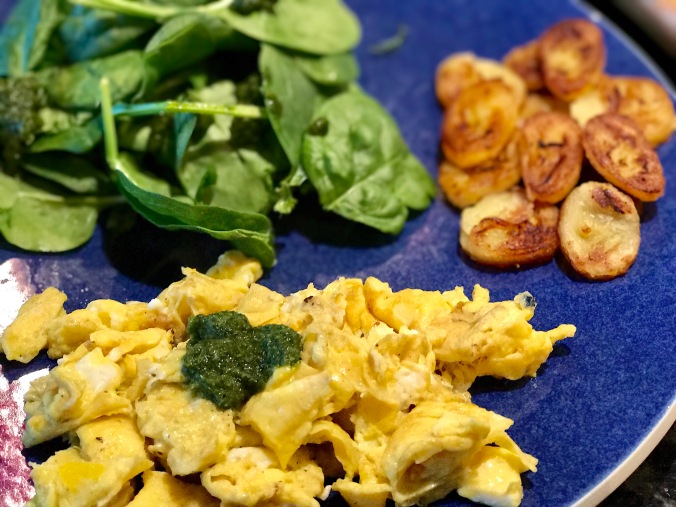
Here’s a quick and easy recipe for parsley pesto that goes well with myriad dishes, and it’s perfect for a Whole30 diet. It’s quickly becoming my go-to sauce for most dishes. I’ve used it on Mexican food, Italian foods, and as my savory sauce to throw on eggs in the morning.

parsley-pesto-on-eggs

Scrambled eggs and baby spinach with parsley pesto. Fried bananas, too! © Liesl Clark

img_4270

The dish, above, all mixed together. © Liesl Clark

Parsley Pesto

1 Large bunch of parsley

5 Cloves garlic

2 Serrano peppers, roasted. (I roast them right over the stove and then sweat them in a paper bag.) Remove the seeds.

Juice of half a lemon

1/2 tsp sea salt

1/2 Cup olive oil

Throw it all in your Vitamix, Cuisinart, or blender and blend until almost smooth.

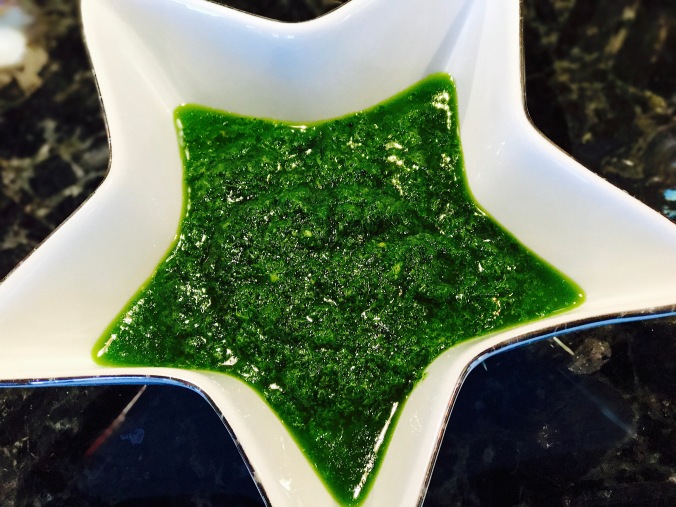
parsleypesto-star

Green goodness. © Liesl Clark

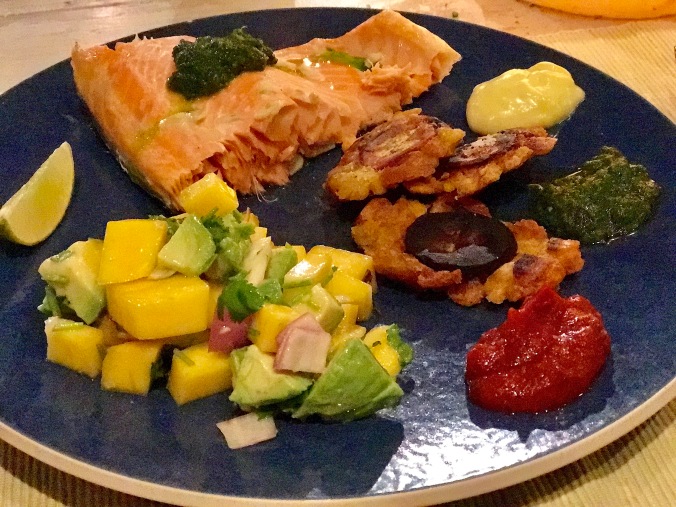
I put it on poached salmon the other night and it was so delicious!
poached-salmon-parsley-pesto

Mango avocado salsa with fried green plantains and poached salmon. I used 3 sauces to try with this dish: parsley pesto, homemade ketchup, and homemade mayo. The pesto was the tastiest! © Liesl Clark

Garlic Kale Poached Eggs, My Whole30 Go-To Breakfast

Poached eggs over a bed of sautéed kale with garlic has become our staple breakfast. Now that the chickens are finally laying (3 months without fresh eggs has been painful), we’re thrilled to share with you this delicious nutritious breakfast for wholesome foods seeking people.

img_7354

Garlic Kale Poached Eggs with Sliced Avocado and Parsnip, Cauliflower, Carrot Mash.             © Liesl Clark

I’m on Day 12 of my first Whole30 adventure, feeling great, and this breakfast is fast, simple, uses 90% of its ingredients from my own land, and doesn’t dirty any pans. What’s not to love? Let me explain.

img_0782

Garlic Kale Poached Eggs (Serves 2)

2 Tablespoons coconut oil, olive oil, or ghee

4-5 cloves garlic, chopped

2 teaspoons red pepper flakes

1 bunch kale, chopped

pinch or 3 of sea salt

4 fresh eggs

img_0771

Here are the ingredients for one serving. © Liesl Clark

Put oil in a cast iron skillet or your best non-teflon skillet over medium high heat. When the oil is heated, add the garlic and sauté until just starting to become golden. Add red pepper flakes and stir around for a few seconds. Then add the kale and continuously stir fry it until it has reduced by half. You’ll know when the kale feels cooked through. Sprinkle the sea salt on top.

img_0777

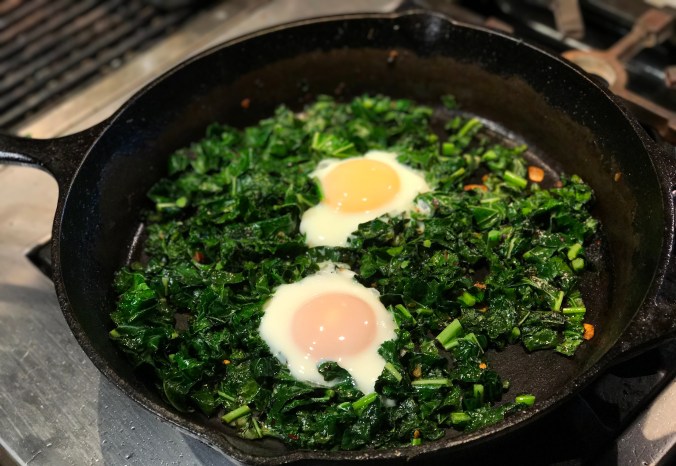
This is what your “poached” and steamed eggs will look like when they’re done. © Liesl Clark

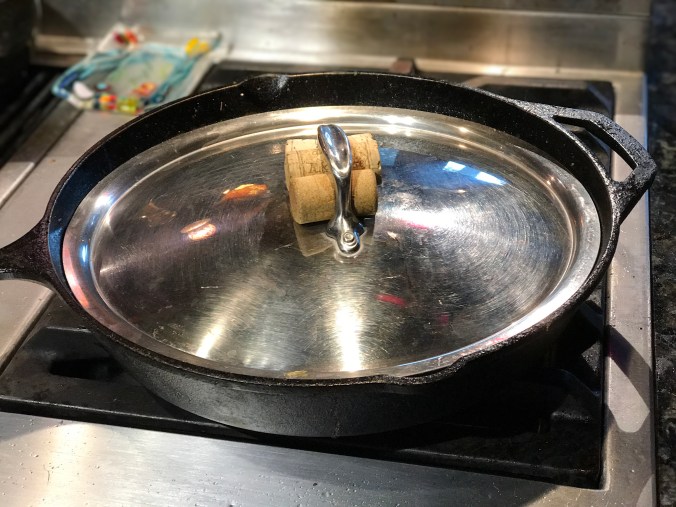
Add the eggs on top, without scrambling them or breaking the yolks. Quickly put a top on your skillet, to seal in the steam. Let everything cook for 1 minute, then turn your heat off. Within 3-4 minutes, your eggs will be poached. Lift the cover off and your eggs should be lightly poached on their bed of deep greens!
img_0773

Covering your eggs to steam, and turning the heat off underneath is the key to this dish. © Liesl Clark

Serve this with sliced tomatoes or sliced avocado, or any veggies that look great in the fridge. We often sauté crimini mushrooms in ghee with a teaspoon of marjoram and a pinch of sea salt as a favorite side veg.

img_4913

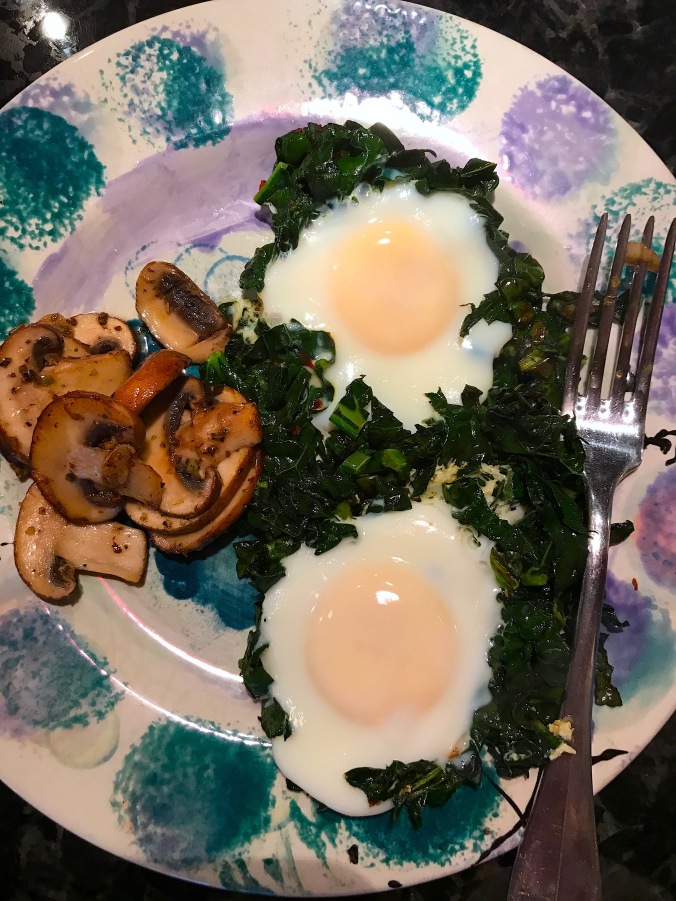
Garlic Kale Poached Eggs with Marjoram Mushrooms © Liesl Clark

Your skillet, after making the garlic kale poached eggs, will be nicely oiled and the kale/eggs are easily removed from the pan with a spatula. Simply wipe your skillet with a kitchen rag and your skillet is ready for the next meal!


My Whole30 Detox Month – Day 10

I’m a Whole30 experimenter. If you haven’t heard of Whole30, you will, eventually. It’s a paleo regime aimed at detoxing your body and switching over your carb and sugar-burning engine to a fat burning one. I have to say, I was a little skeptical at first, especially since I’m doing this with likely less grease than most, but here I am on day 10 and it’s been an eye-opener.

img_4913

My go-to breakfast: Poached eggs over garlic kale saute with ghee sauteed crimini mushrooms and marjoram. (Recipe in upcoming post!) ©Liesl Clark

Do Without. Let’s get the restrictions over with: Whole30 requires that you give up, for 30 days, all forms of sugar (except fruit), dairy, grains, and legumes (this last one kills me, because that’s been our major source of protein for years.) They also prohibit you from jumping on a scale. I figured that wasn’t going to be enough of a boot camp for me, so I threw caffeine onto the contraband pile. Day 3 was the biggest migraine I’ve had in years. My daughter’s grumpy face when I try to take her picture is how my head-in-a-vice-grip felt all day. Truth be told, Pete had to give me a dexamethasone, to prevent me from heading to the hospital for an i.v.

dsc_0072

©Liesl Clark

The thing is, it’s all it’s cracked up to be. How do I feel day 10? Pretty damn great. I’m sleeping better than I have in years, my aches (which likely comes from inflammation) in my joints has disappeared, and a knee and hip injury that I’ve been dealing with for 2 years is feeling a bit better. I’m likely losing weight, but who knows? There’s a lot of fat in this diet, more than I’ve ever eaten on a daily basis, so I could be the only person to have ever gained weight on a Whole30 month-long experiment. But this isn’t necessarily about weight. I decided to do this to address my insomnia, pain in my right knee and hip, and my migraines.

Whole30 meals: So, what do Whole30 peeps eat, you ask? Protein (eggs, fish, meat of all kinds), veggies, nuts and fruits. There’s no snacking. So, at each meal you can eat as much as you want. After a few days, you lose the desire to snack as the meals are very satisfying, high in fat. Coconut in every form is used as much as possible. Avocados, too.

img_0584

Prosciutto with oven baked sweet potato fries (amazingly delicious at Nomnom Paleo), slices of avocado, radish and celery and a few macadamia nuts. ©Liesl Clark

But here’s the thing: It ain’t really paleo. Full disclosure here, I haven’t actually bought the book (part of my ethic of buying no commercial propaganda when trying out a lifestyle change. Luckily, everything you need is available online. If it seems to resonate with me as a generally worth-while change in my world-view, I’ll buy the book!) So, I don’t know the extent of their paleo claims. But, if you watch my friend, Tina’s TED talk, you’ll come to learn that Paleolithic peoples didn’t really eat as much meat as these paleo diets propose.

img_1056

Meat and potato gut bomb? Well, it was good. Baked potato on a bed of baby spinach with caramelized onions and mushrooms with chicken apple sausages. ©Liesl Clark

In our nearly 10 years of archaeological climbing expeditions in Nepal, we recover the bones of ancient people out of high cliff caves and then the teeth go to Tina’s lab where she not only extracts DNA from them so we can learn much about the people’s origins and genetic makeup, but she also studies their dental calculus (the plaque) and determines much about their diet.

DSC_0111.JPG

Tina Warinner is able to discern so much about ancient diets from studying the dental calculus (plaque) of early people. This is a human skull recovered from the caves of Mebrak, Nepal, dating back 2,300 years. ©Liesl Clark

Tina has looked closely at the dental plaque of early peoples and she can state as fact that meat was not a huge part of most paleo diets. It would have been a big protein source on occasion for humans who had access to meat, but nuts, berries, and wild vegetative matter, fruit, and especially legumes primarily made up their diet.

Maybe a Tad Too Much Meat: I’m fascinated by what is involved in taking dairy and grains and sugar out of my diet. So far, my sense is that the elimination of all sugars is probably the best thing I’ve done in years. (And, I think removing the caffeine has been great for me, too.) But as a mostly vegetarian, I’m struggling with the meat equation in this diet, because I know any meat Paleolithic peoples would’ve eaten was extremely lean. Today’s market meat is bred for fat. (Eat local chicken in Nepal and it tastes like wild pheasant.) I know what a toll meat production takes on our environment, and I also believe that plant-based diets are the most healthy diets we can have. I look forward to introducing beans and lentils back into my diet as my main source of protein while being restrictive on the wheat, especially GMO grains and flours.

img_2489

Curried Egg Frittata from My Heart Beets ©Liesl Clark

These are the debates going on in my head, knowing what the archaeological and sustainability communities have to say about “paleo” diets. I’m a forager at heart and my sense is that if we eat what’s abundant around us, growing in the very ecosystem and climate where we live, than those are the organic foods that are going to be best for us. But, for now, I’m letting eggs and mostly white meat enter my digestive tract to see if the protein and high fats can help me with my lack of wheat, sugar, and dairy. So far, it is. I have no hunger between meals. And the physical changes are mostly for the better.


IMG_1803.jpg

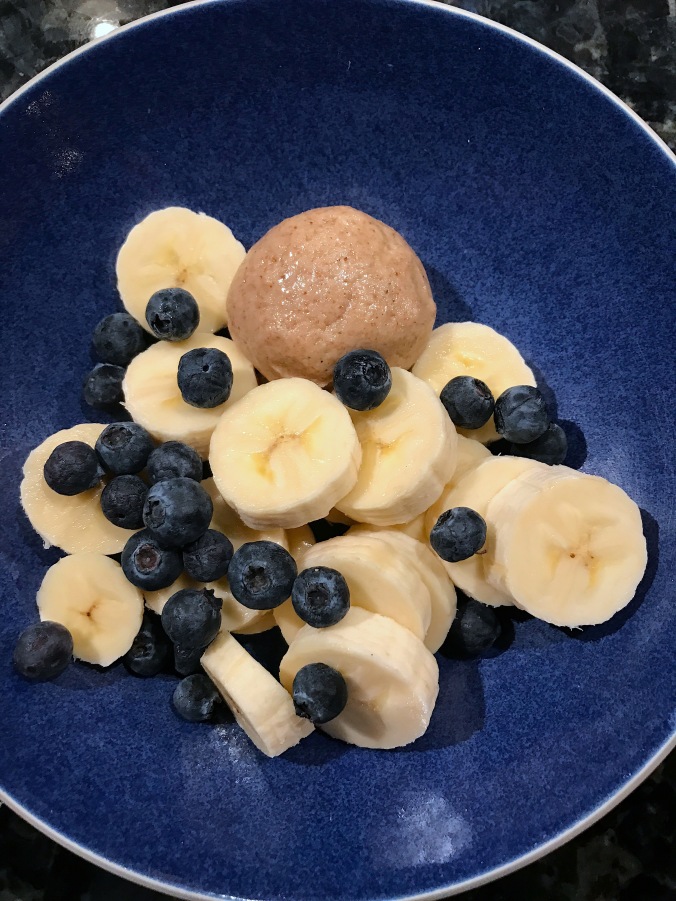
Homemade almond butter (recipe coming soon!) sliced bananas and blueberries. 

Over the course of this month, I’ll be posting my thoughts on this diet, my own experience, and some of my own recipes that I’ve cobbled and know will be staples on our simplefoods menu in the future.

Have you tried Whole30? How was your experience and have you incorporated much of what you’ve learned about your body’s reaction to dairy, wheat, sugar and legumes into your everyday life?

Secrets of the Sky Tombs

Years ago, my husband, Pete, and I made a promise to ourselves: We’d try to give our children the best real-world alternatives to video games and virtual reality we could find because reality itself is so much more fulfilling. To that end, our children have grown up on the trail. Daily lessons are often as blunt as the hard-won objective of simply reaching the next village without incident.

dsc_0808

Pete with 3-year-old Finn, on the trail up the Kali Ghandaki River to Jomsom. © Liesl Clark

Ancient castles, fortresses, and real-world kings are normal for kids who’ve played amongst crumbling fortress walls that intermingle with cold clouds, echoes of the past tickling us in the driving wind.

bt0c0116lores_dl

The winter palace in Tsarang, Upper Mustang, crowned by the Annapurnas. © Liesl Clark

If our children stayed at home, those castles and forts would be grand designs crafted from code in video games they play on their devices. Yet today they can work and play amidst the real thing: Tombs of the ancient dead, haul bags filled with faunal and human bones to sort and clean, artifacts hewn from leather, silk, iron, copper, silver, and bronze, some dating as far back as 2800 years.

BT0C3255_DL.png

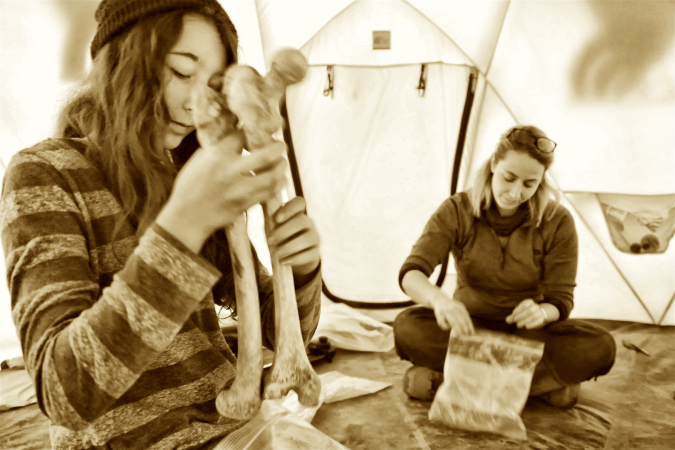
10-year-old Cleo bagging two femurs, with Marion Poux overseeing her work. © Liesl Clark

Nothing in those video games can compare. As parents, we make our choices, whether we allow our children glimpses into our professional lives and our special passions. They, in turn, feel empowered to follow their own dreams, ask their own questions, and seek the truth.

bt0c4982

Finn, now 13, connects easily with his friends in Samdzong. He also flies all of our drone aerials. © Liesl Clark

This drive is what makes us human, what pushed the early pioneers to find shelter amongst the world’s most hostile and glorious mountains. These early settlers brought their children with them, because the alternative was unbearable.

dsc_0183

Leaving the kids at home, so we can do our work in the Himalayas, is unthinkable to us. © Pete Athans

On January 4th, 2017, our film, “Secrets of the Sky Tombs,” about our quest to find the first peoples of the Himalaya will air 9pm ET/8 Central on PBS’s NOVA. The film will also be broadcast in the upcoming months on France 5 in France and National Geographic Channel worldwide. It’s been a decade-long endeavor, and we’ll likely continue for another, as unknown caves, more ancient human DNA, and new questions need to be explored.

bt0c6156_dl

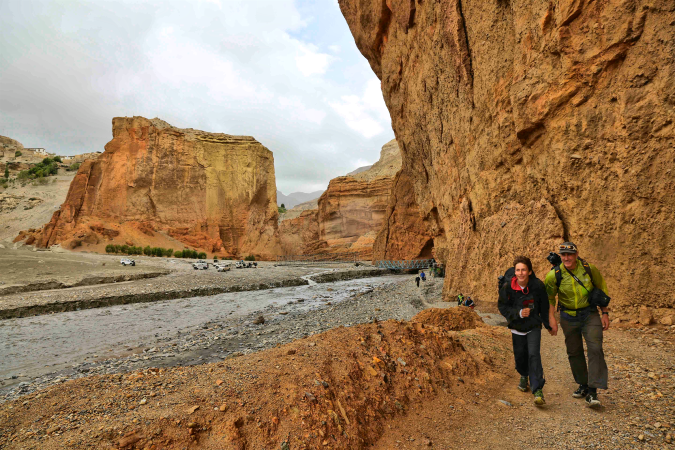
Finn & Pete below Tsaile, headed back to Jomson, dreaming up the next filming expedition. © Liesl Clark

But if there are “secrets,” (as the film’s title suggests) to be uncovered, they’re the clues to success of a people who foraged for what they could off the land, who found meaning in the struggle, and who relied on their clan and their fellow villagers for the bare essentials to survive. Community and one’s lineage is the secret to strength in times of hardship, in the face of the extremes.

bt0c9681_dl

Looking down on the village of Samar, Upper Mustang. © Liesl Clark

This lesson is not lost on us today.

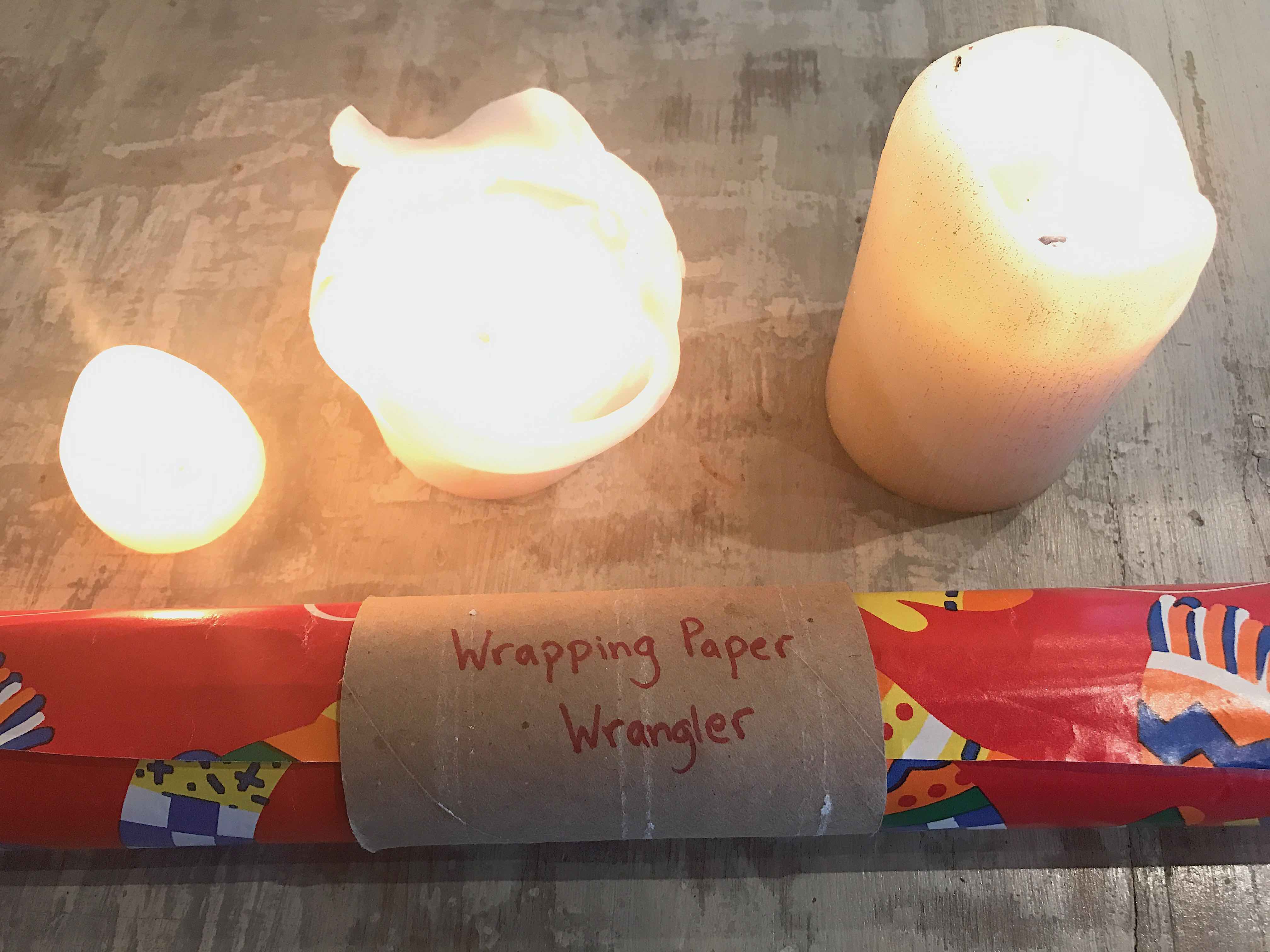
Easy Wrapping Paper Storage

img_9306

We’ve had three rolls of wrapping paper for the past two years since we typically use cloth bags for “wrapping” our gifts. Yet occasionally a wrapped present is shipped out because it’s easy to pack into a box filled with paper-wrapped items. Our three rolls of paper seem to be lasting forever and we’ve found the most simple way of storing them.

img_5889

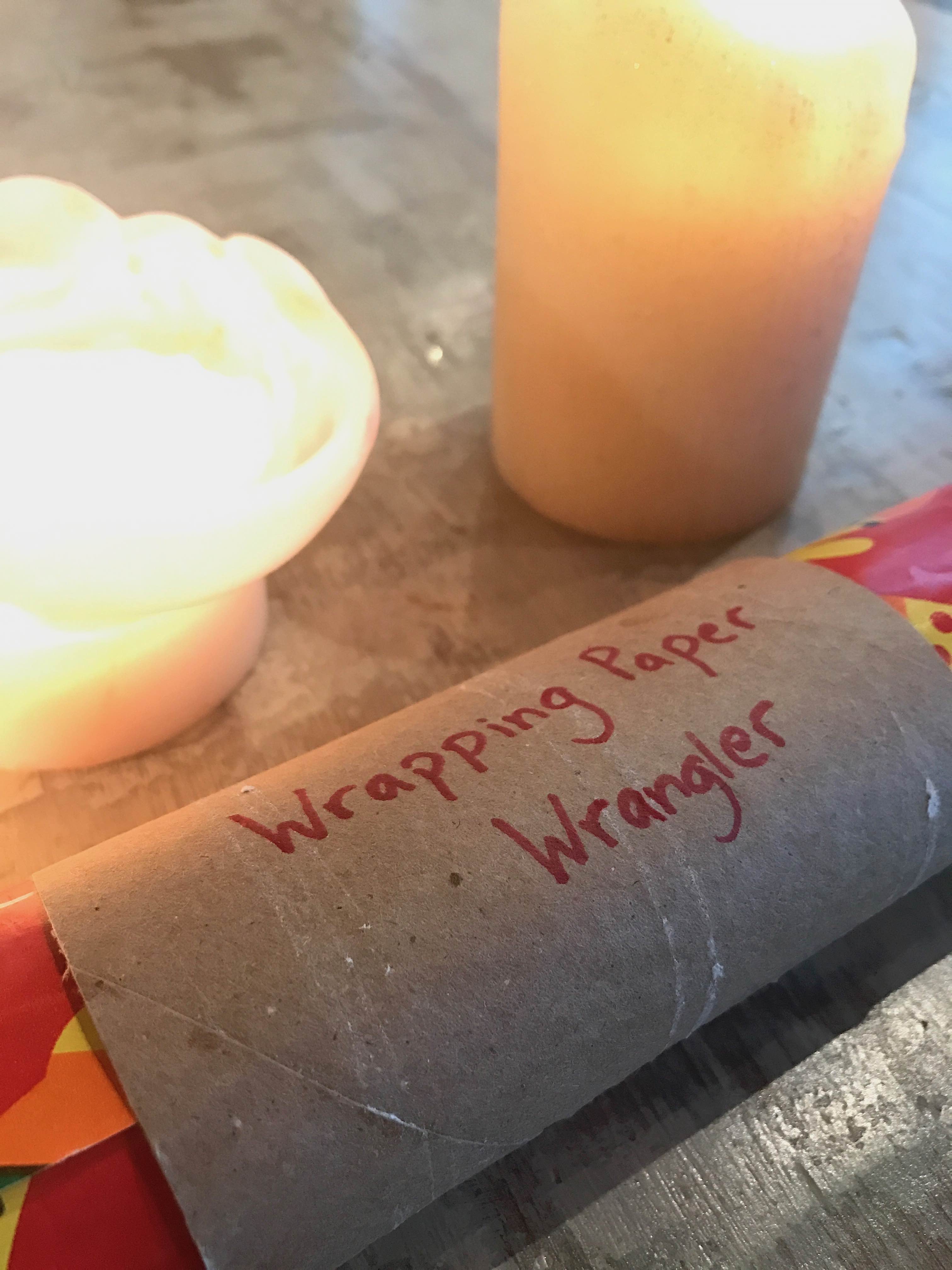
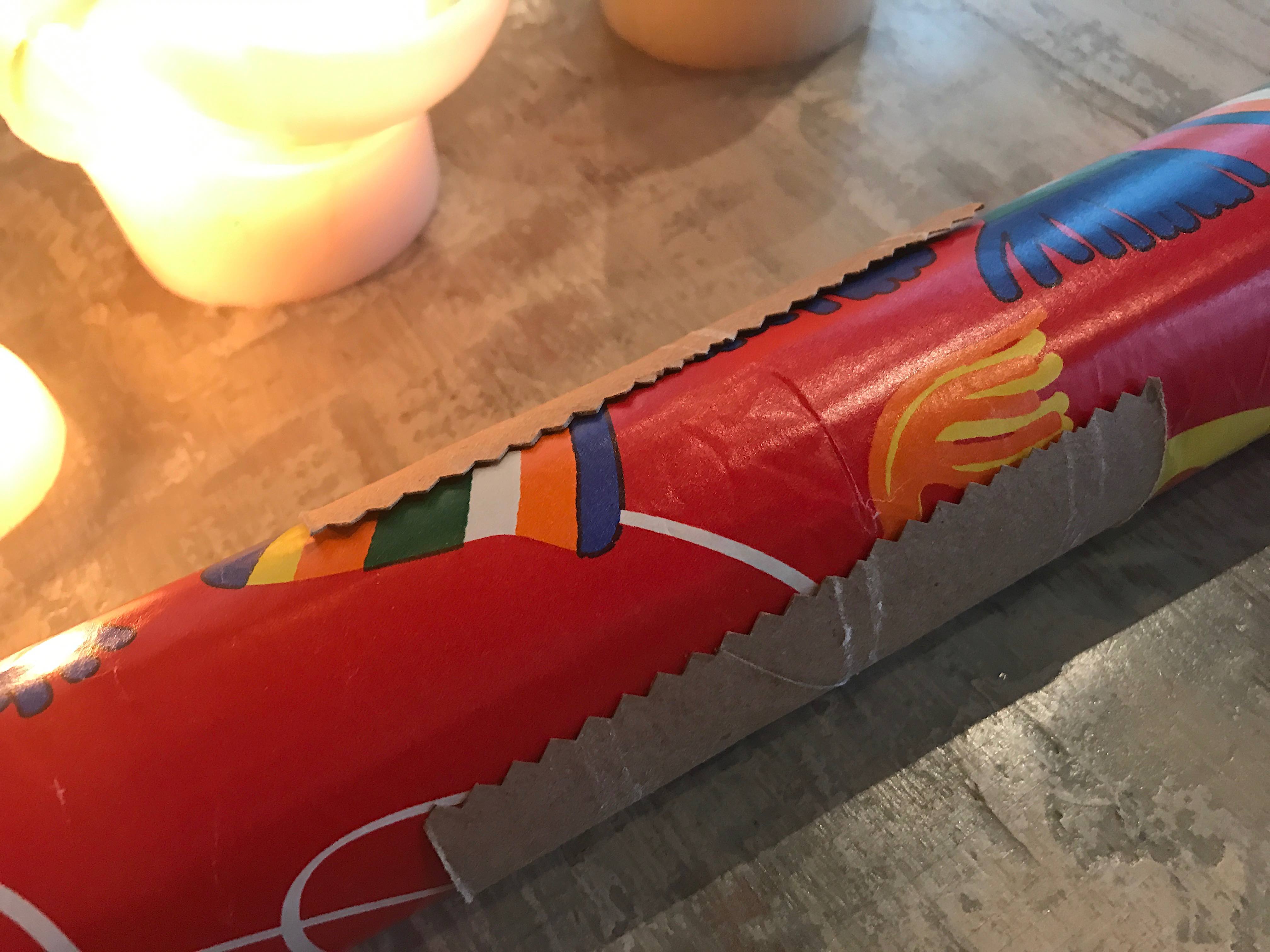
Just cut a toilet paper roll open and place it around your wrapping paper roll. It holds that paper together gently, without the ripping we sometimes get from rubber bands.

img_8609

Happy wrapping paper storage for next year!

Buy Nothing Boxing Day

Boxing Day, traditionally, was a thing in Britain’s Victorian era. Boxes were left out in front of churches for people to donate gifts for the poor. It was also the day when servants of the super-wealthy were given a chance to observe Christmas with their families. Hard-working domestic employees were handed boxes of gifts to give to their loved ones. Tradespeople, too, were thanked on Boxing Day with boxes filled with gifts for services well done.

boxingday.jpg

A true Boxing Day is a day filled with small acts of kindness. 

In essence, Boxing Day historically is a day to commit small acts of kindness. Today, we can continue the tradition in less class-structured ways and offer boxes of gifts to our neighbors by posting them in our Buy Nothing groups.

Over the holidays we often acquire gifts that might not be to our liking. It’s the thought that counts, right? Once you’re over that warm-and-fuzzy feeling of gratitude for your gift, yet realize you just won’t ever wear it, or eat it, or use it in any way, why not simply regift it on Boxing Day?

willa-in-box2

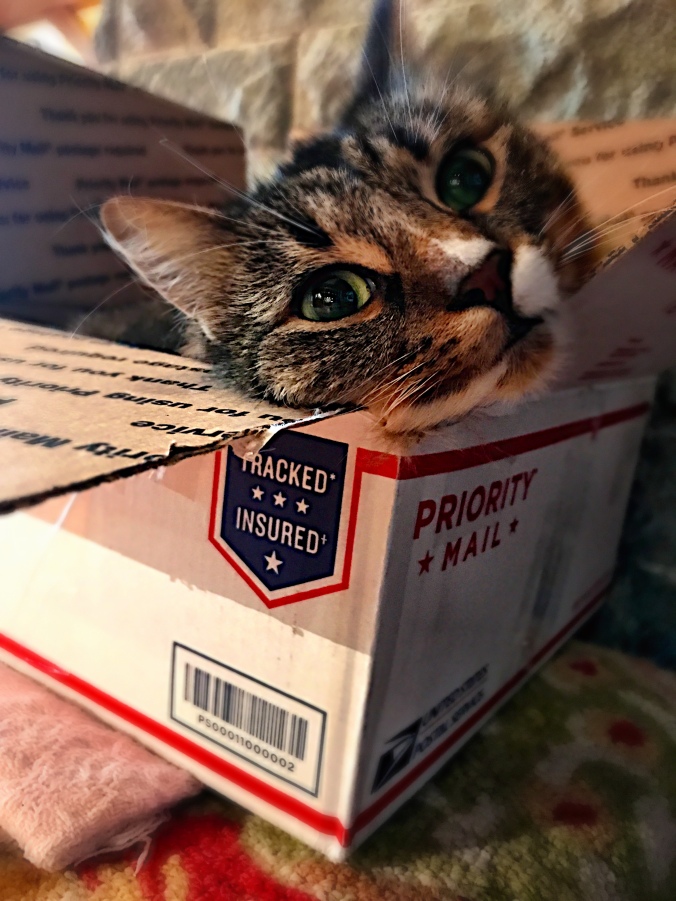
Willa loves Boxing Day © Liesl Clark

In a gift economy, we gain increments of social capital by giving and also receiving with grace. So when we have excess to give, especially on Boxing Day, offering it up to our communities in a transparent fashion, where all can see, is a way of raising our worthiness for future gifts. It also raises the overall wealth of the community since one more item will remain within the materials economy of the neighborhood: an item that might be re-gifted later, or might free-up up its owner to spend more money locally. The more we share within our own communities, the greater our communal wealth. So, get out your boxes and share your bounty. Your neighbors will be thankful, and you’ll earn yourself a little hit of dopamine to go with your added giver clout.


Create An Inventor’s Kit For Your Curious Child

Our alarm clock went on the fritz. It just didn’t keep good time anymore and when we put new batteries in, the whole thing decided to stop ticking. Rather than throwing the clock out, our 9-year-old took the opportunity to try to fix it. He looked deep inside and saw the inner workings of the mysterious time-keeper, its simple gears and all the parts that added up to the whole: A simple machine. The adventure in taking-it-apart-land proved fruitful and now any broken gadgets in our household are fertile ground for young inventors searching for new parts to connect together, creating new-fangled machines.

Motherboards are a universe of fascinating connections for the curiosity-seeker. Keep your youngsters’ minds exploring, even if it’s inside the things you thought would never tick again.

The secondary benefit is not throwing perfectly reusable items away. Rather than putting it all into the metal recycling bin or e-waste, these items will have a prolonged life. Our children’s relationship with “things” is changing rapidly, as they see how items may have a new use in a different iteration.

The fun part of finding an old case to use for the kit. We cleaned out some boxes in our storage room and found these to create new kits to give to neighbors.

IMG_6913_DL.png

Spark creativity in the kiddos around you. You’ll be surprised by what they build, and do send us your suggestions for what you’d add to your child’s inventor’s kit!

Driftwood Building Blocks

We all love manipulatives, items with soft shapes made by the rhythms of the Earth. Give children a few hours and a place to play with found objects, and you’ll be surprised where their imaginations go. During a gorgeous 3 days of camping on our favorite Olympic National Park beach, we picked up not only washed-up plastics battered from years of travel atop the Pacific waves, but we also gathered a beautiful selection of years-worn driftwood.

The organic shapes were beguiling: Sticks worn into rounded gray pieces any child would love to handle, contemplate, and build magic worlds with.

We brought a few favorite pieces home to be used again and again as building blocks for the imagination. And now, whenever we go on our beach camping trips, we collect more, to give as gifts for friends who like to have a basket centerpiece for all ages to enjoy. Gather some up to offer at your next creative meeting with colleagues. They’ll get engaged, quickly. Collect some of nature’s beautiful bounty for your children and friends, and they’ll thank you for the plastic-free tactile experience.

It’s local, organic, and sustainable. What natural found objects do you use for mindful play?